Start with the day you actually have planned
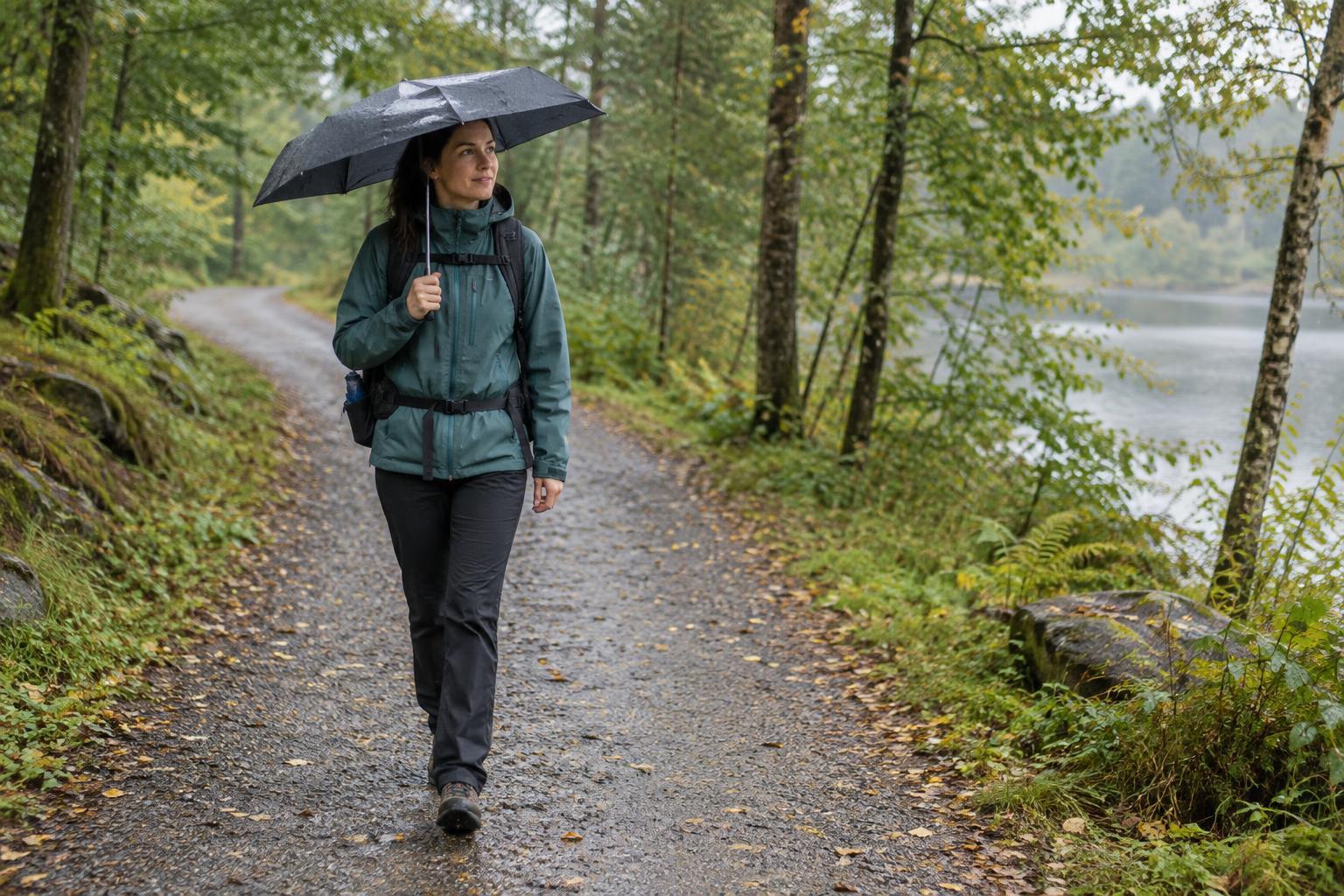
Picture the whole outing rather than a single photograph: a cool departure, a warm stretch of walking, lunch indoors and a breezy journey home. A scarf may be most useful during the stationary parts, when a jacket is open or when the weather changes slightly. Before choosing one, ask whether you want neck coverage, a light accent, or a larger piece that can sit over your shoulders. Those are different jobs, and the most attractive option on a screen is not always the one you will reach for at the door.
For a short day trip, packability can matter more than drama. A compact square scarf can sit in a small pocket or day bag; a generous wrap asks for more room but offers different styling possibilities. Neither should be mistaken for rain protection or a substitute for the layers needed on an exposed route. Check the forecast, bring appropriate clothing for the conditions, and treat the scarf as an adaptable finishing layer rather than the foundation of your outdoor kit.
A brand story with a useful sense of perspective
UniqueYou began in 2014 with scarves and clothing. Its story includes a pause and a return after the domain was recovered, rather than an uninterrupted run of trading. That distinction matters because a brand’s history is more interesting when described plainly. The original brown wordmark, horse motif and “Since 2014” detail give the identity a recognisable starting point; a neutral taupe palette keeps the presentation quiet enough to let colour and fabric choices do the talking.
The current offer centres on women’s scarves, shawls, wraps and square scarves, with silk, cashmere and wool categories among the ways to browse. Its practical proposition is elegant, accessible accessorising that works with a woman’s existing wardrobe. You do not need a completely new outfit to make a considered choice. Bring your own coat, knitwear, shirts and everyday colours into the decision, then look for a piece that fills a real gap rather than one that merely resembles a look you saw elsewhere.
Match the shape to your layers
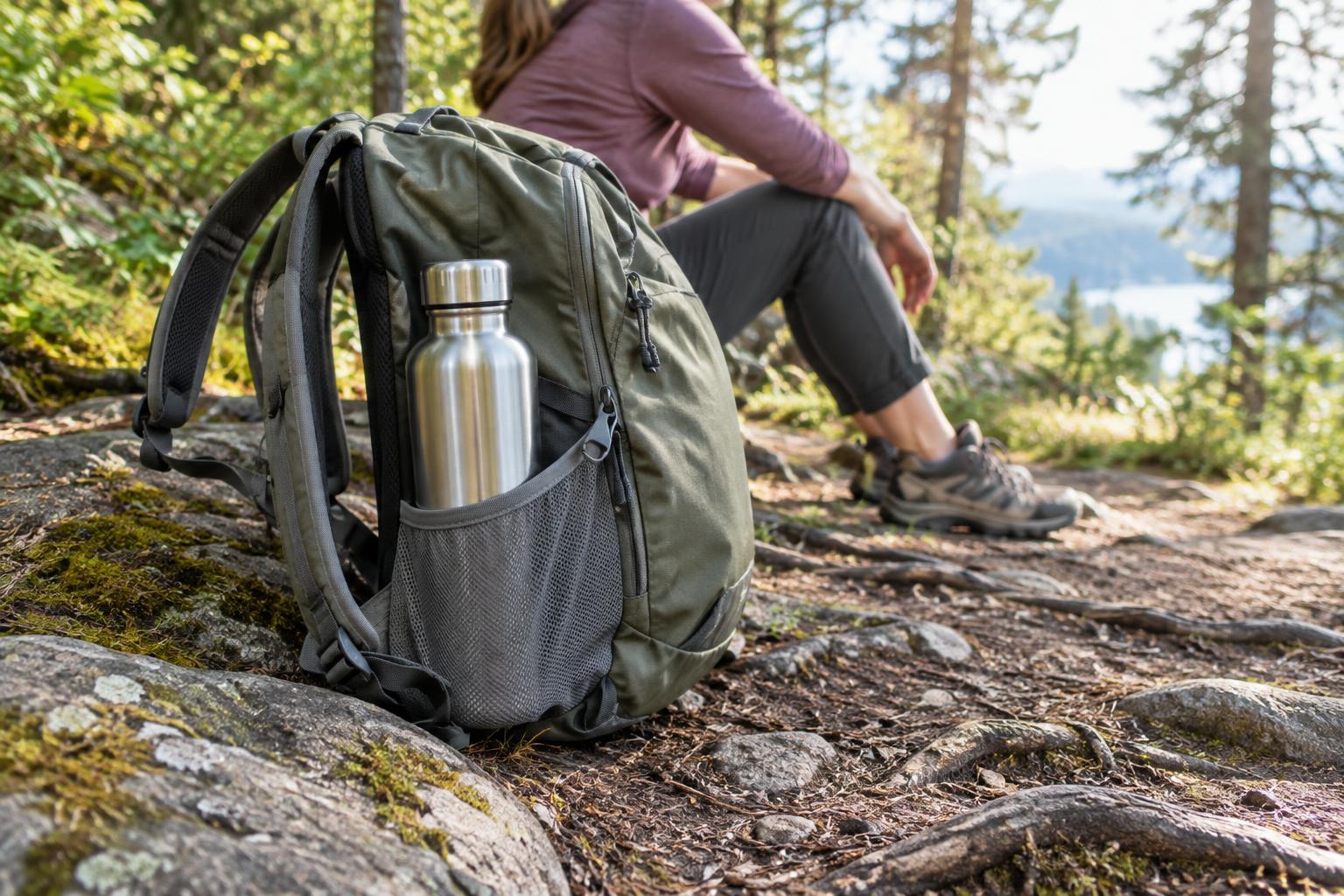
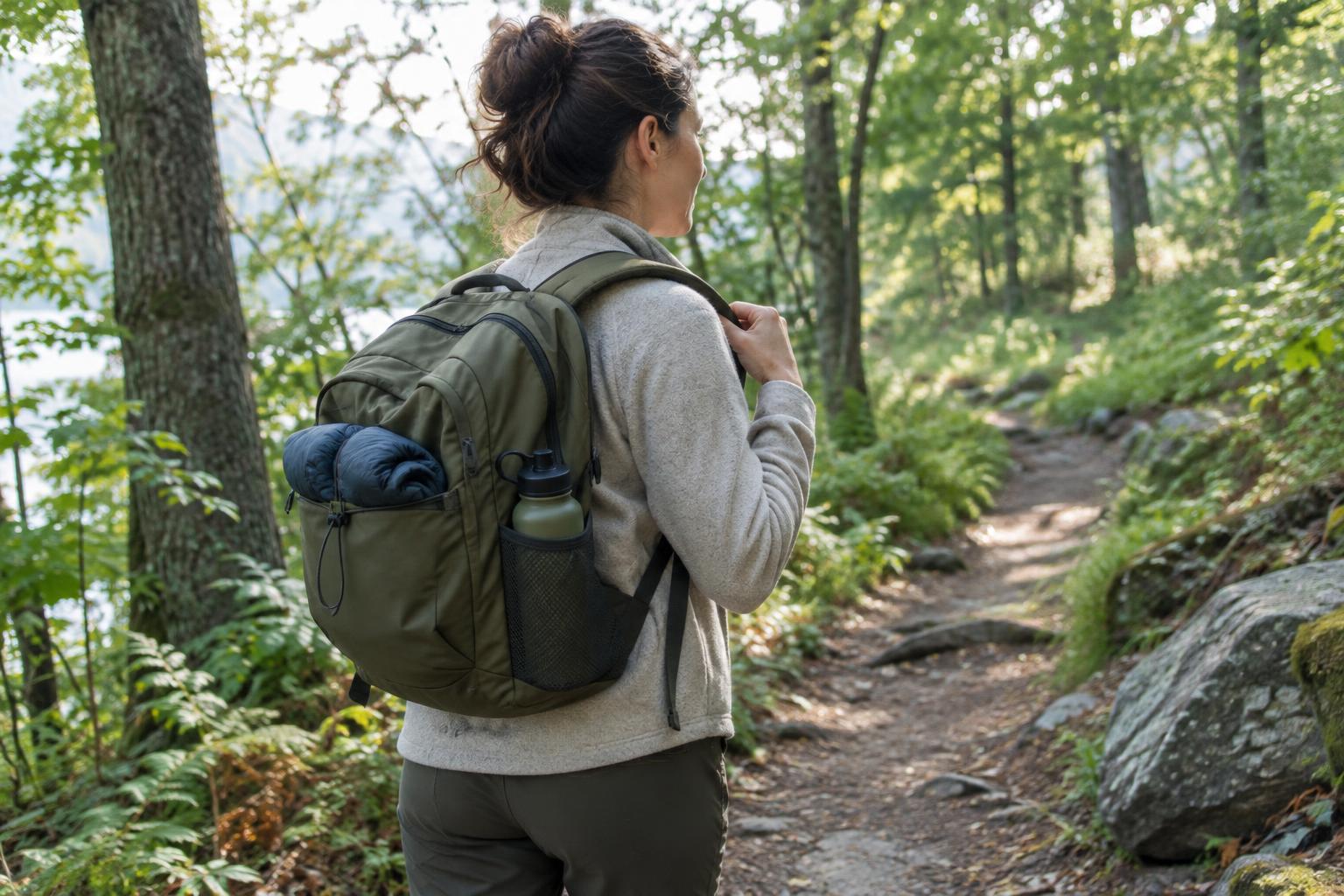
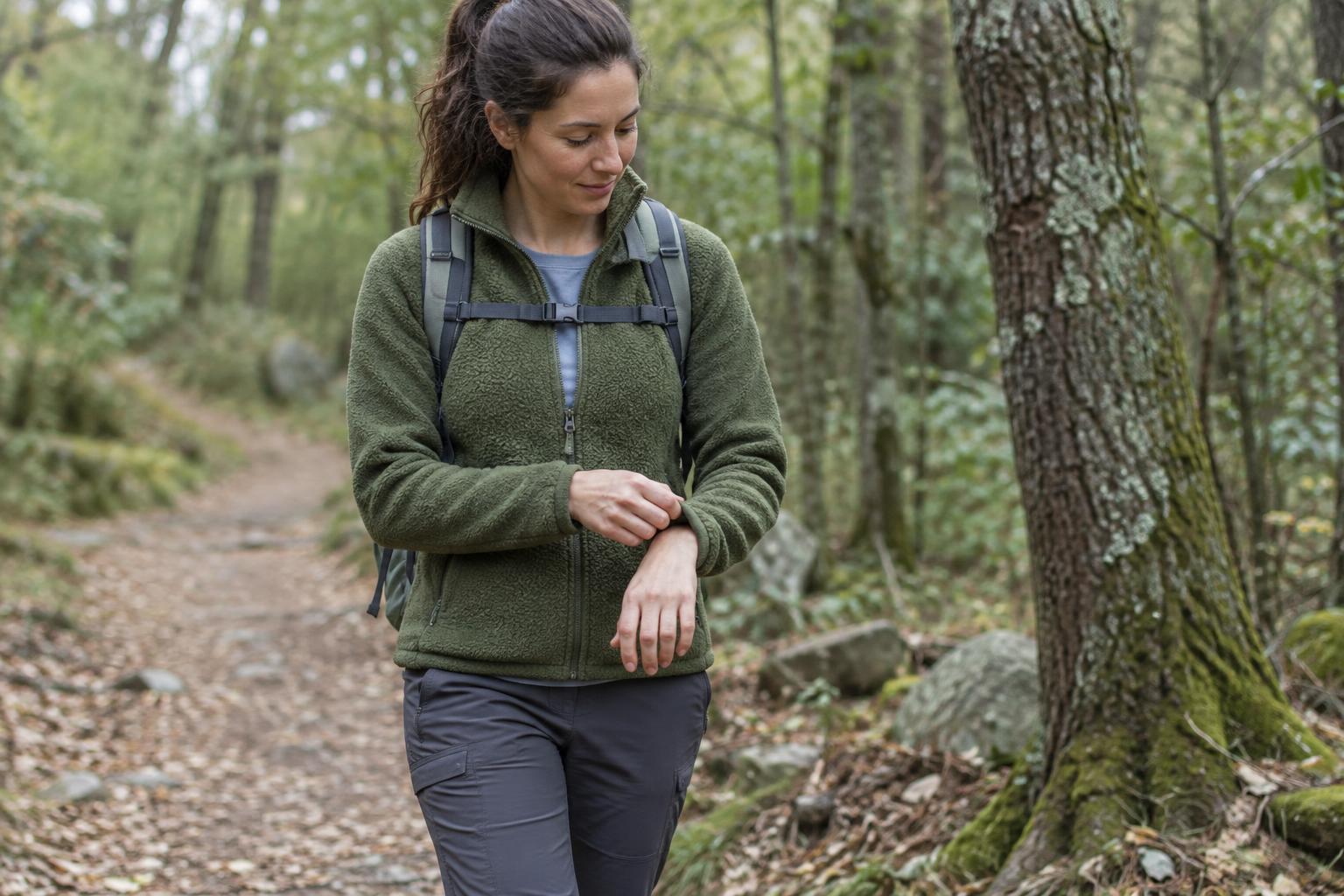
A narrow scarf or small neckerchief can add definition without covering the front of a shirt or jacket. A square can be folded diagonally, rolled into a slim band, or laid loosely inside an open collar. Longer scarves allow a simple loop or a single drape, while shawls and wraps provide more surface area over a dress, cardigan or lightweight coat. If you regularly wear a backpack, consider where the fabric will sit under shoulder straps; a tidy neck tie may be easier to manage than long ends left hanging near zips and buckles.
Try the shape with your most-worn outer layer before committing to a style idea. A high jacket collar may leave little space for a thick knot; a low neckline may welcome a softer, wider drape. For walking days, keep loose fabric away from moving equipment and adjust it before setting off. For a café stop or train journey, the same piece can be rearranged more freely. Versatility is less about learning elaborate knots and more about finding two or three arrangements you will genuinely use.
Read material descriptions with a clear purpose
Silk, cashmere and wool are useful shopping categories, but a category name is not a complete fibre specification. Composition can vary from one product to another, so read the individual product details when fibre content matters to you. Also look for dimensions, texture and any available care information. A fine scarf that folds into a small space has a different role from a broad shawl, even if both appear under the same material heading. Weight, weave and size affect how a piece handles as much as its headline category does.
Think about the conditions in which you will wear it. A smooth-feeling piece might be pleasant against a shirt collar, while a fuller scarf may pair more naturally with a coat. If skin feel is important, make that a question to resolve from the specific listing rather than assuming every wool or silk item will feel alike. For trips, consider whether you can store the accessory without crushing it, whether it is easy to take on and off, and whether its stated care needs suit your routine once you get home.
Build around the wardrobe you already own
Lay out the jacket, two tops and shoes you wear most often, then compare potential scarf colours against that small group. A neutral scarf may connect pieces that already belong together; a patterned or bright one can bring focus to otherwise simple clothing. If you own plenty of black, navy or grey, ask whether you want quiet continuity or one deliberate contrast. If your coats are already colourful, an accessory that repeats a smaller shade in the outfit may be easier to wear than an entirely new colour story.
Scale matters alongside colour. A broad wrap can balance a substantial winter coat, while a small square may suit a neat jacket or open-neck shirt. Patterns can be useful when they pick up more than one wardrobe colour, but they need not match every garment exactly. Imagine three real outfits: a walking-day layer, a travel-day outfit and something you wear to meet friends. If the scarf makes sense with two or more without requiring another purchase, it has a stronger case for coming home with you.
Pack for movement, then restyle at the stop
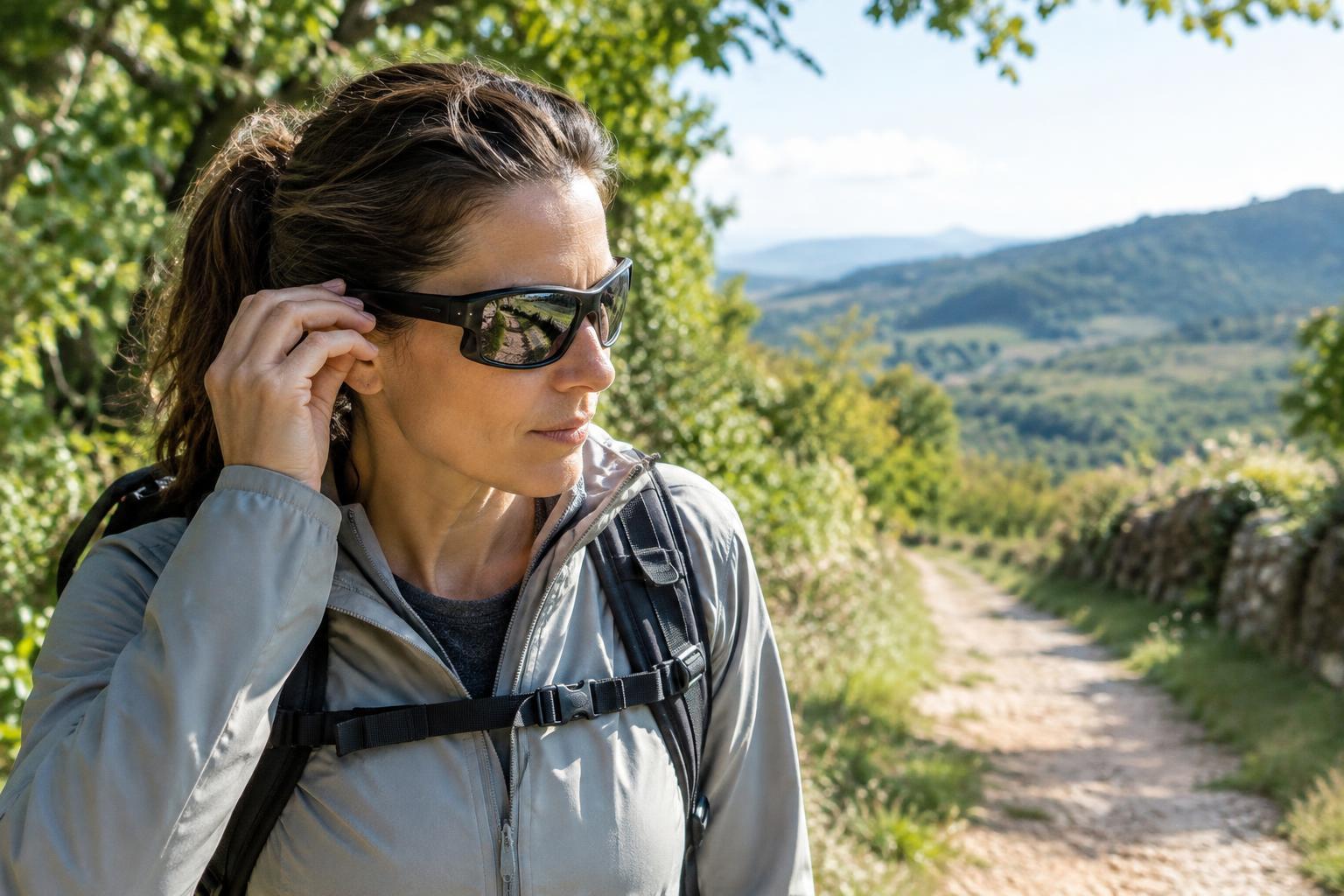
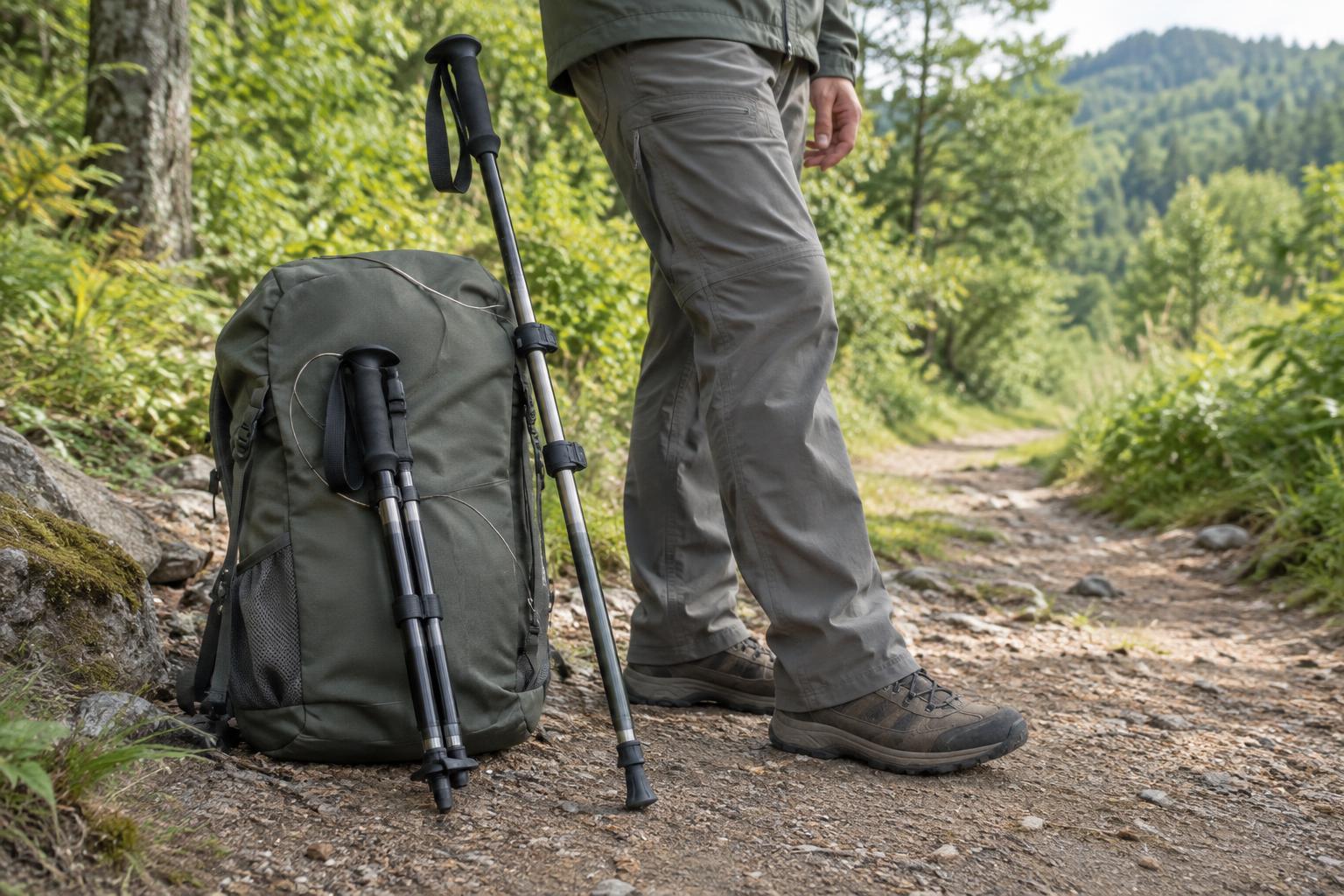
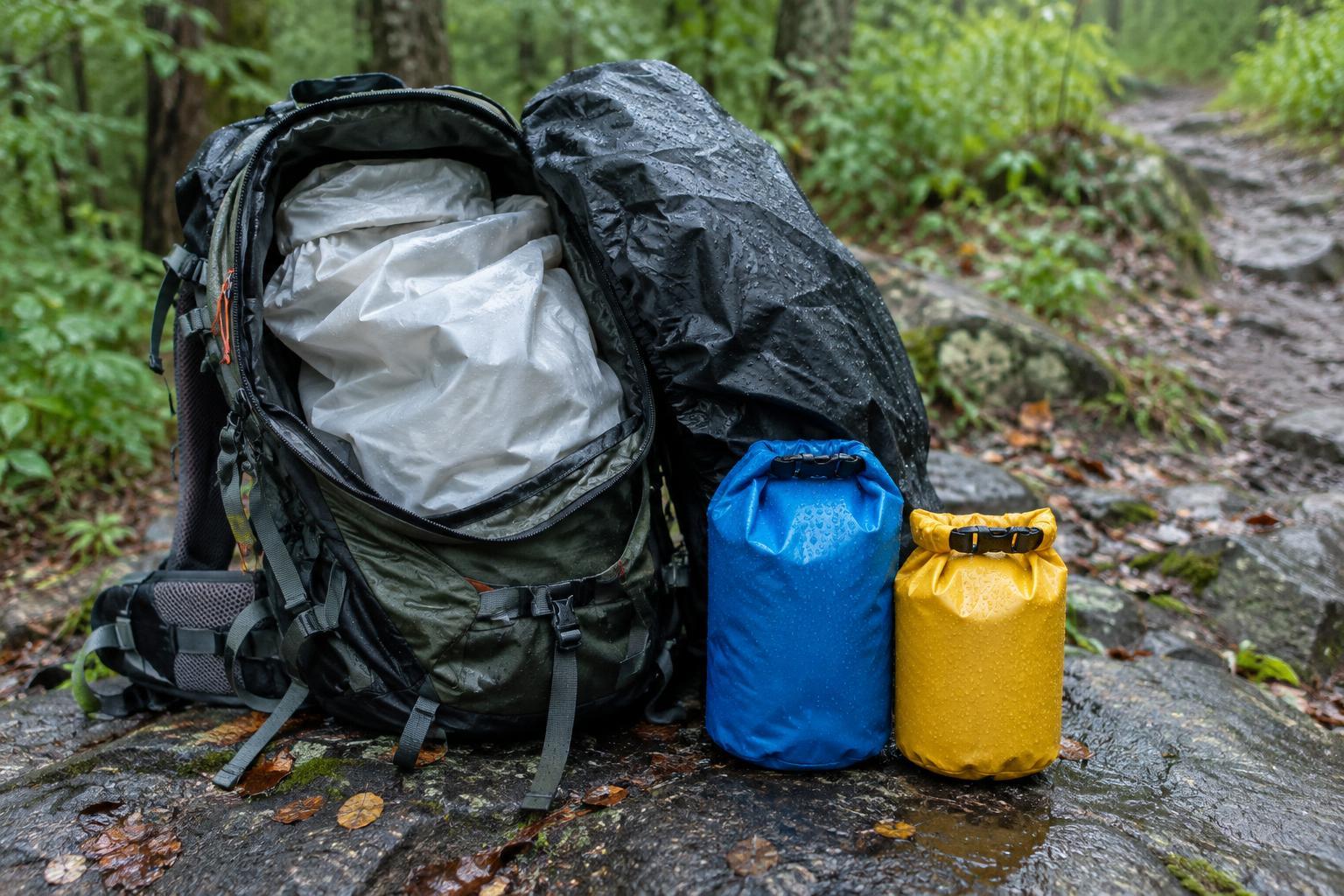
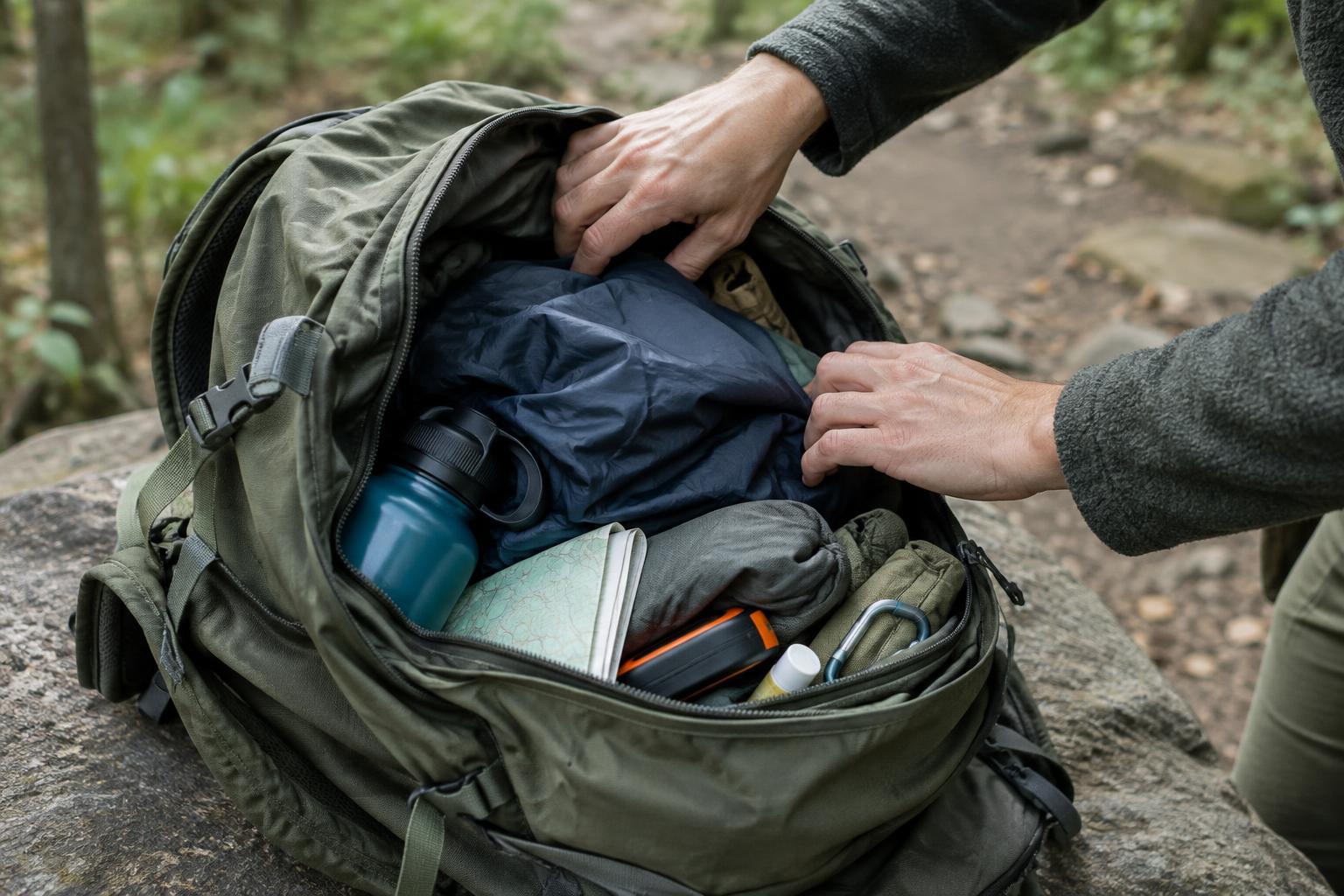
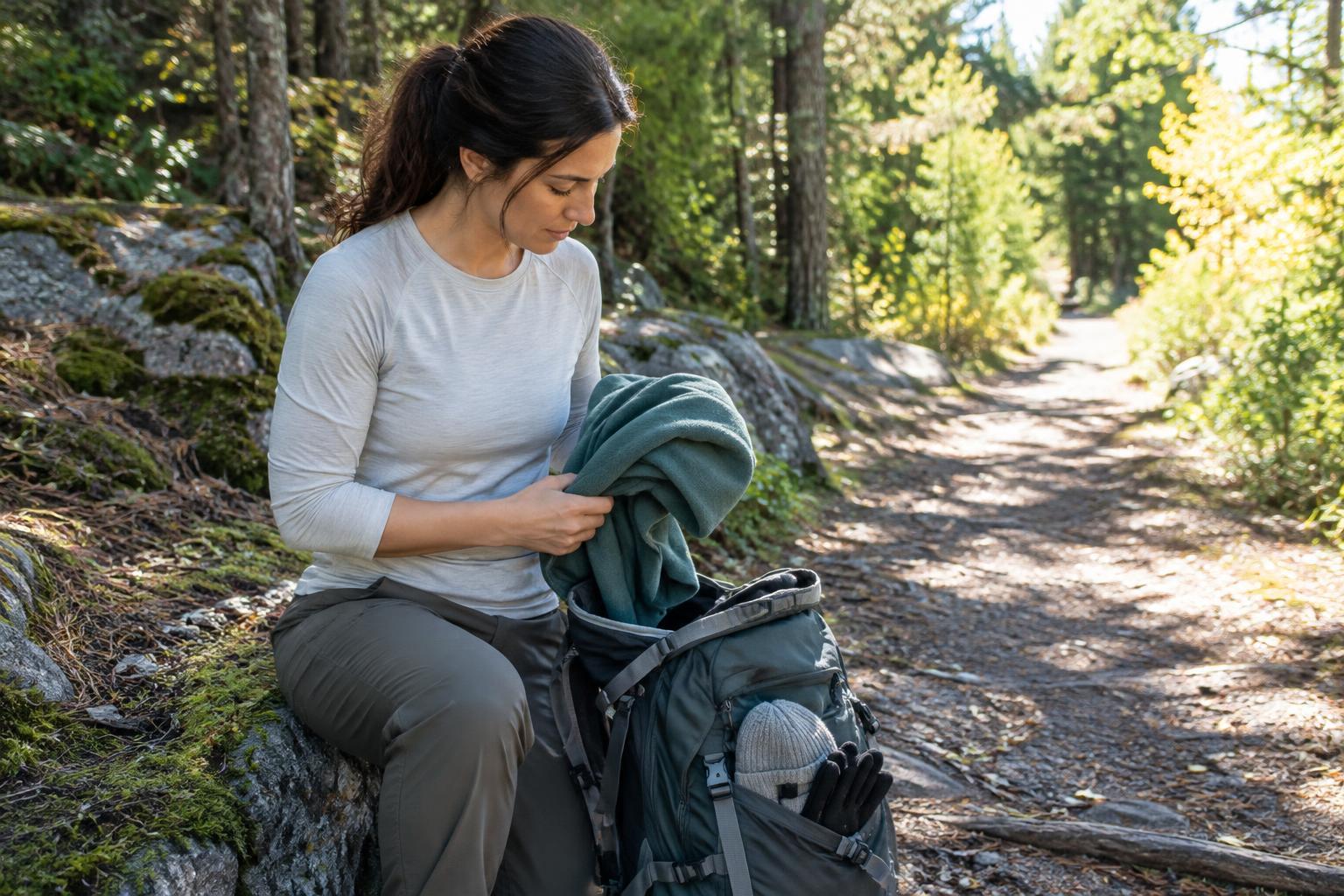
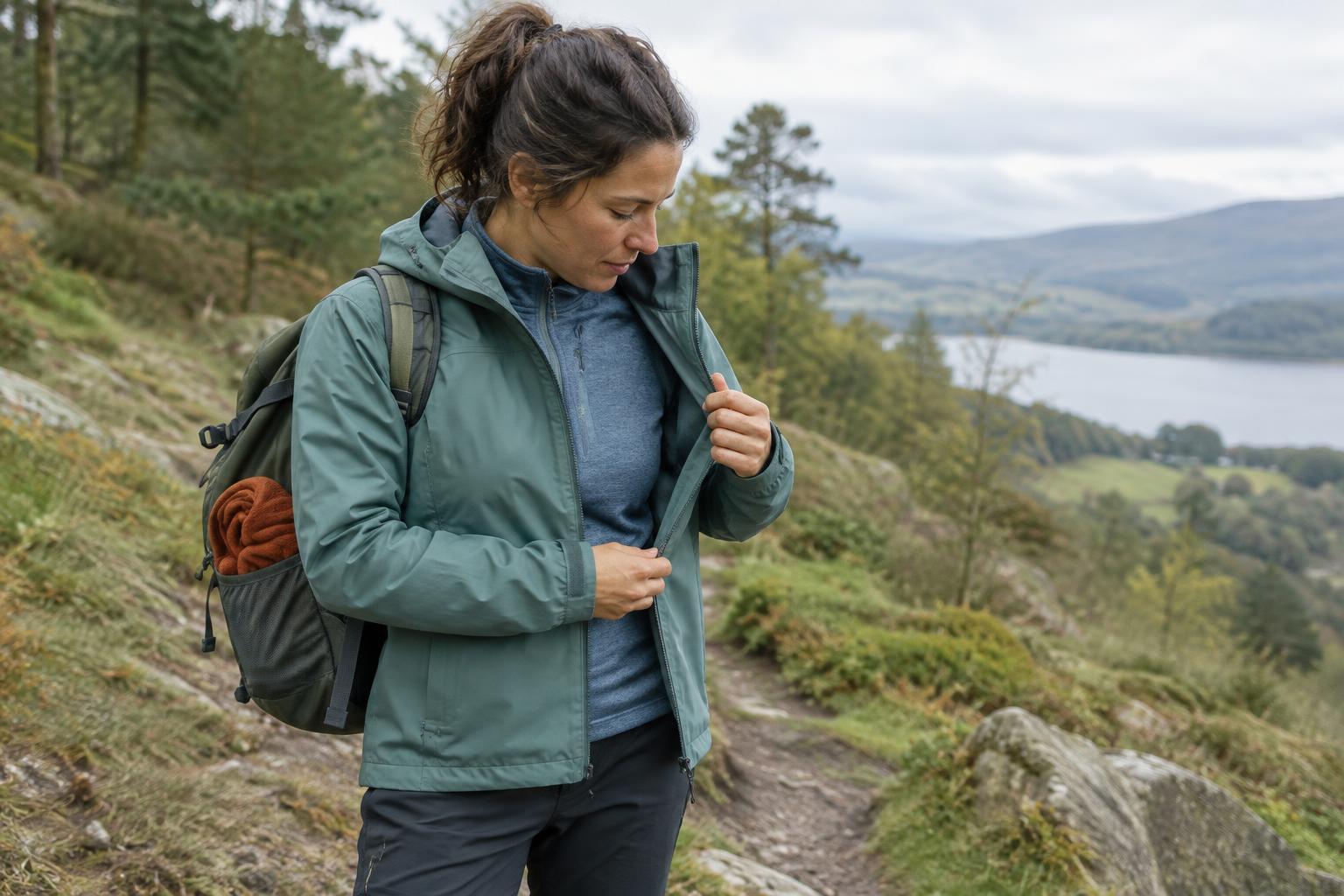
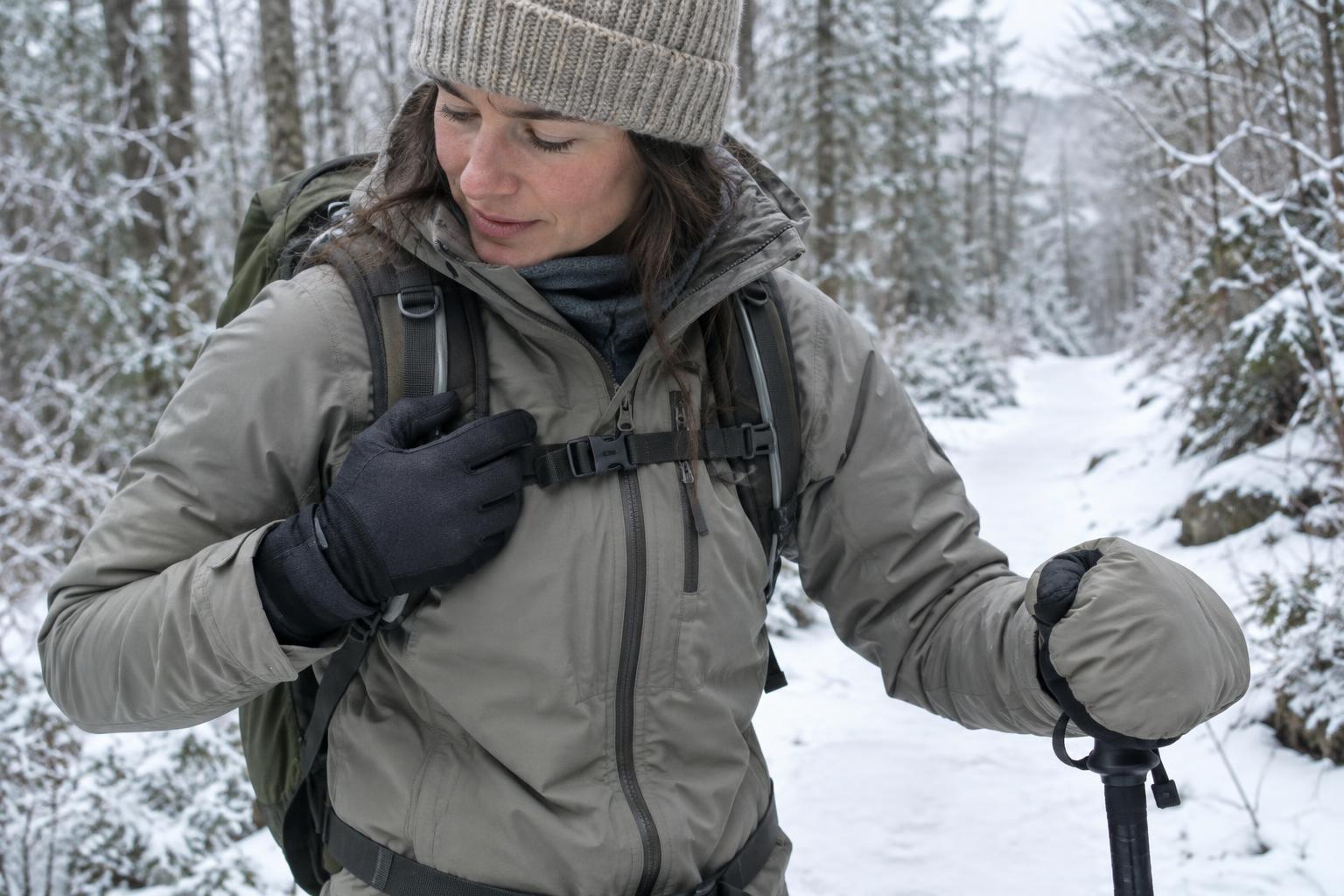
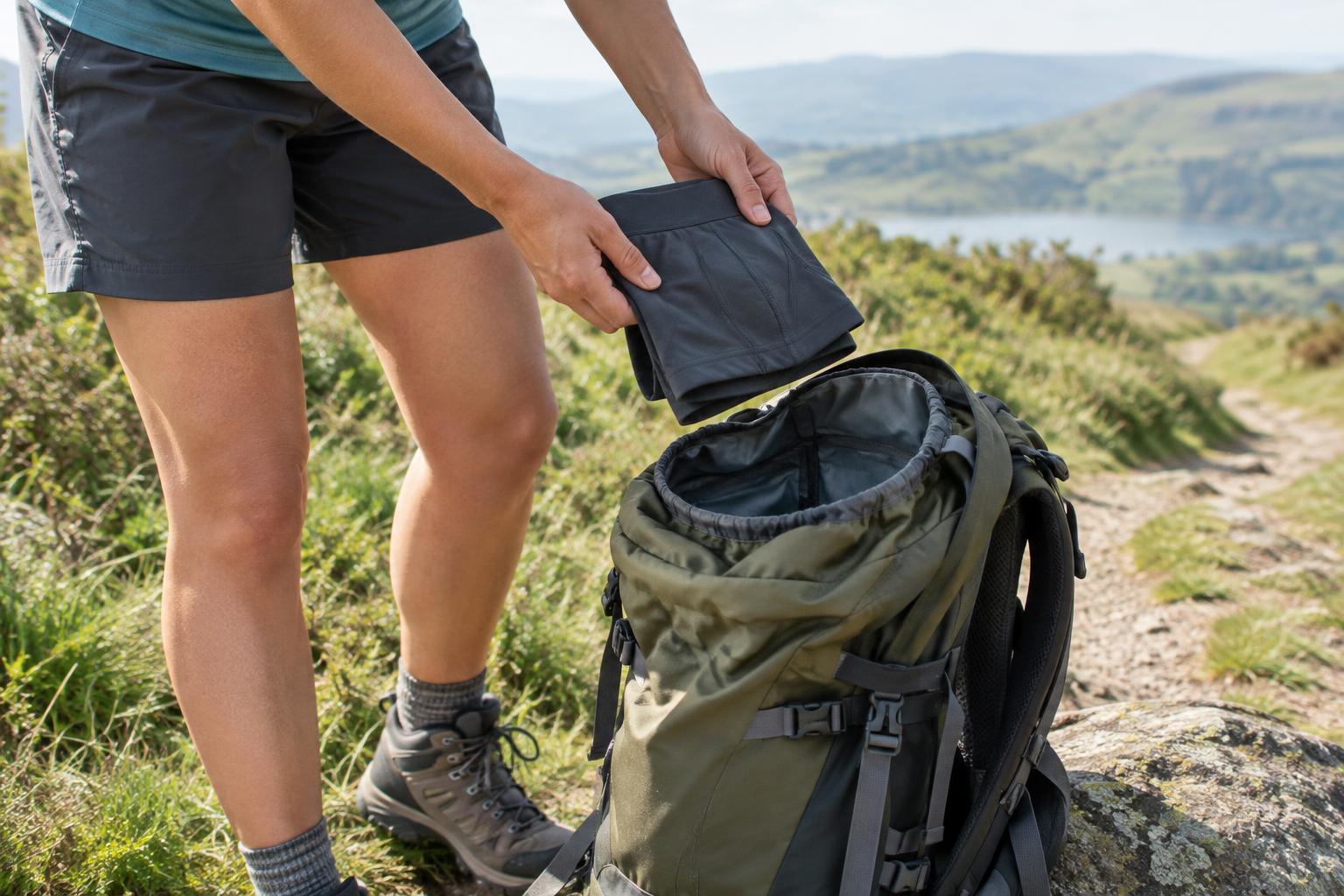
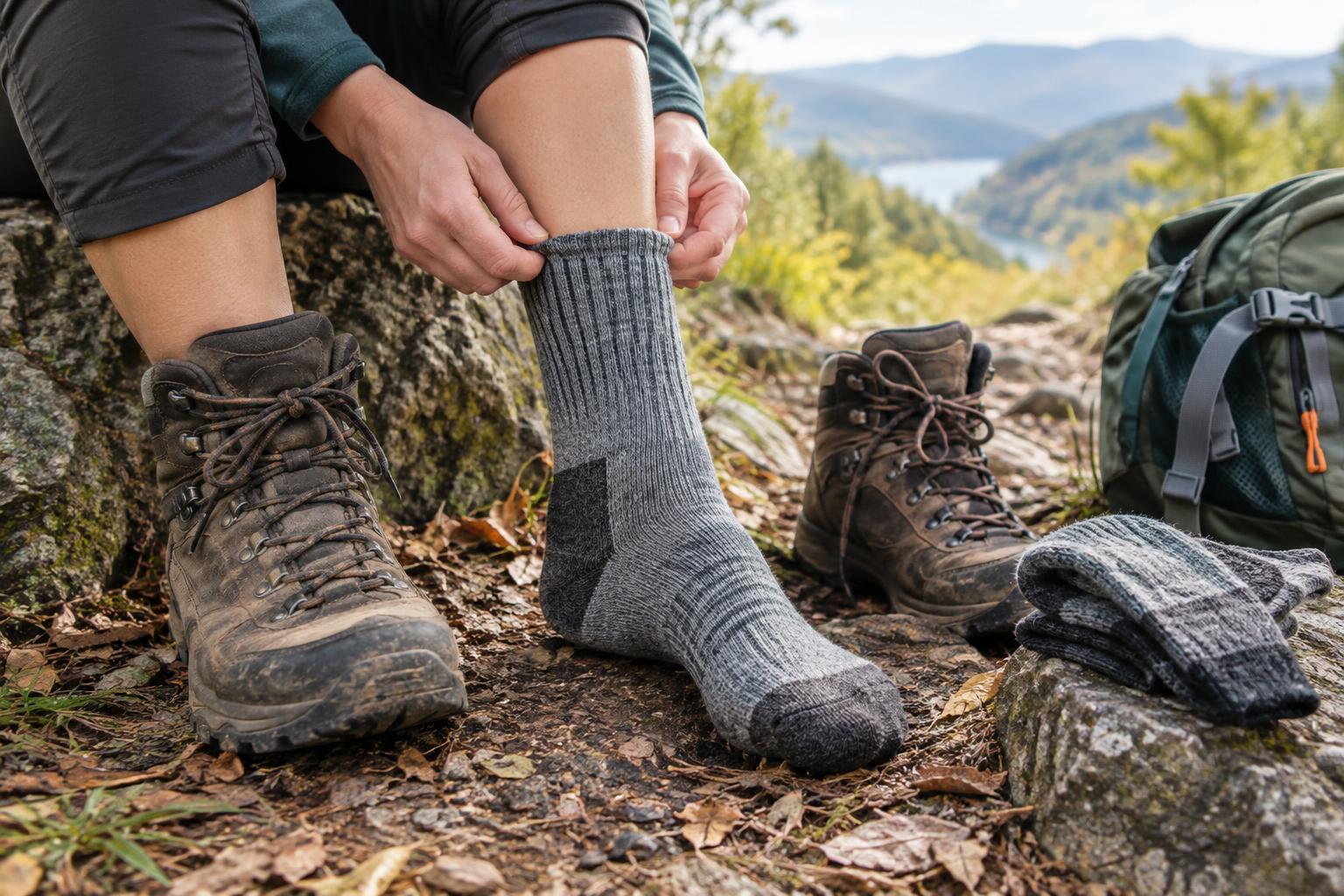
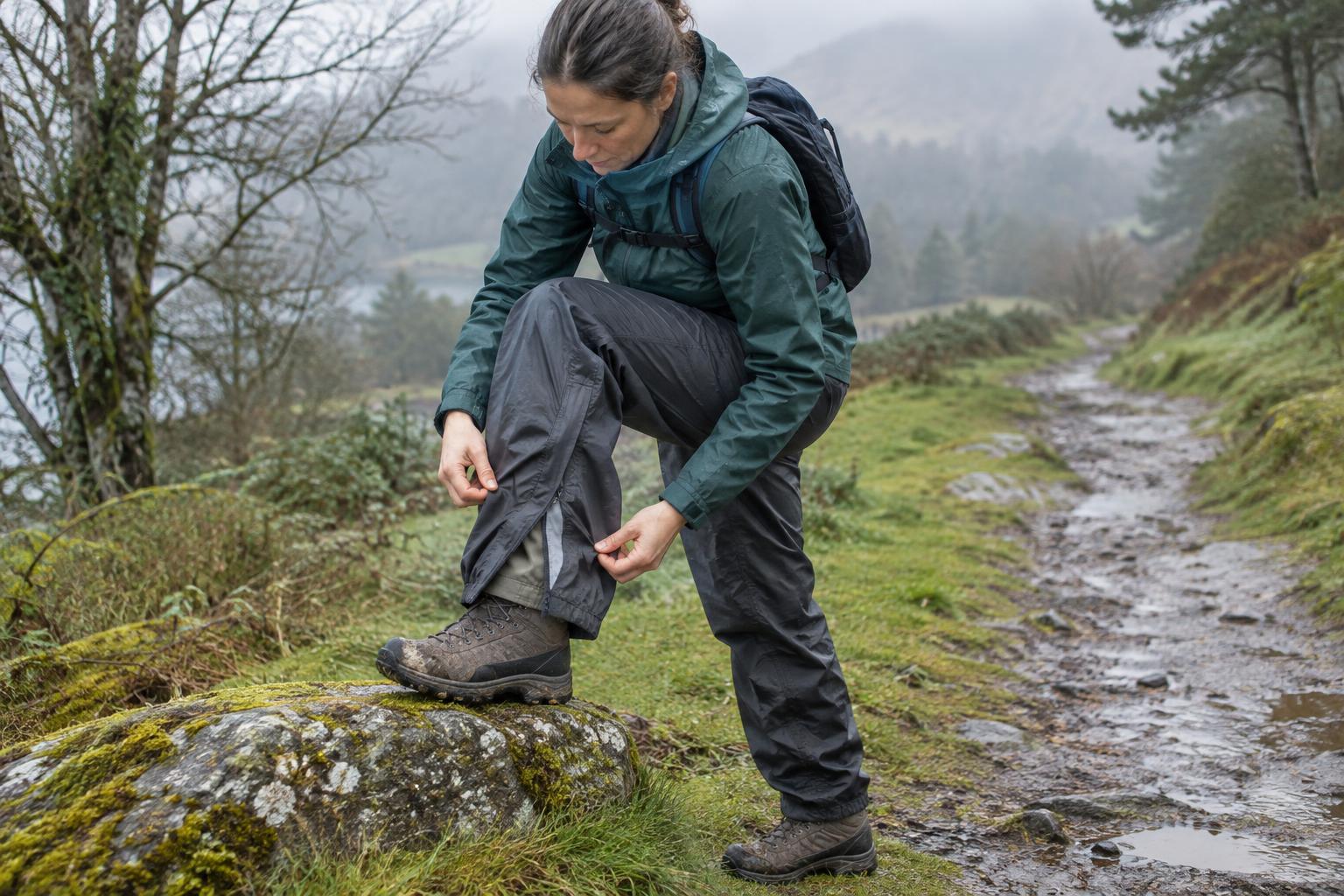
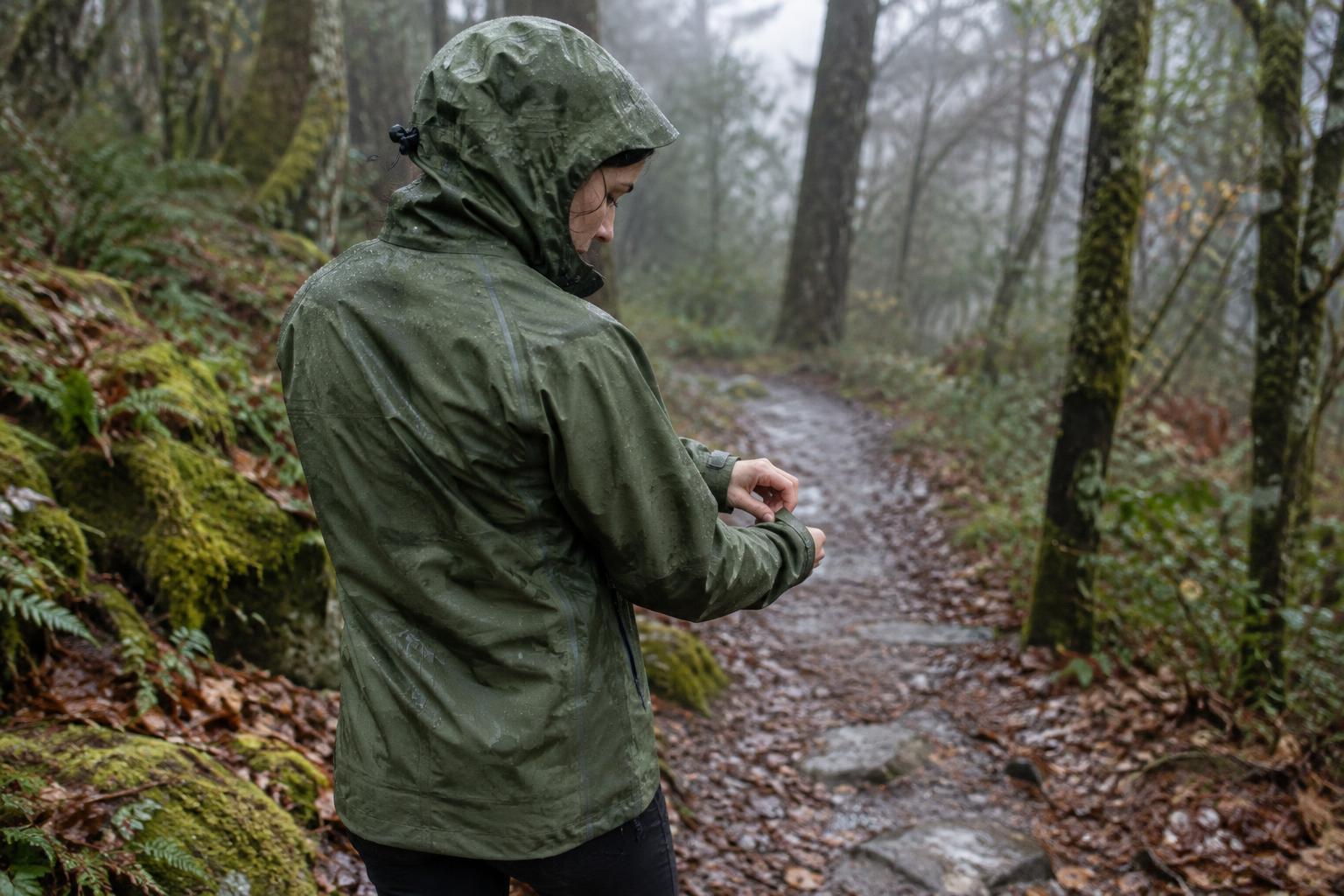
Before a recreational walk, make a simple clothing plan: base and outer layers suitable for the weather, comfortable footwear, and a place to stow anything you remove. Put the scarf somewhere you can reach without unpacking the whole bag. Folding a square flat or rolling a longer piece loosely helps you see what space it takes; use a clean pouch if it will share a pocket with keys, snacks or spare equipment. Do not rely on an accessory alone for warmth, sun protection or changing conditions that call for purpose-made gear.
At the end of the route, the same scarf can change the feel of an outfit without a full change of clothes. Loosen a walking-day neck tie, drape a wider piece over your shoulders, or tuck a small square beneath a collar for dinner on the way home. Keep styling simple enough to repeat without a mirror. That is especially helpful when you travel light: one carefully chosen accessory can support several looks, provided you like wearing it in ordinary life as well as on a planned escape.
Choose a gift by noticing habits
A scarf can be a thoughtful gift, but the recipient’s routine should guide the choice more than a dramatic product image. Notice whether she wears small neck scarves, long winter styles or nothing bulky around the collar. Look at the colours she repeats, the coats she reaches for, and whether she favours patterns or plain fabrics. If you are unsure of her preferred feel, avoid guessing from a broad material label; check the details of the individual piece and consider asking a discreet question about texture or care.
A gift is easier to use when it fits an existing wardrobe and an actual occasion. A square scarf might suit someone who dresses in shirts and light jackets; a shawl may suit someone who likes an extra layer over dresses or knitwear. Think about size as well as appearance, particularly if the person travels with a small bag. You can make the gesture personal by explaining the pairing you imagined: her favourite coat, a familiar colour, or a trip you hope she will enjoy. That gives the accessory a place in her life without prescribing how she must wear it.
Care begins before anything needs washing
The easiest care habit is to put a scarf away cleanly and gently after use. Air it when appropriate, keep it away from damp gear in a packed bag, and avoid leaving it caught under straps or zips. If it needs cleaning, follow the instructions for that particular product rather than applying one rule to everything described as silk, cashmere or wool. Fibre blends, finishes and construction can change what care is suitable. Check the label before using water, heat, detergent or an iron.
For storage, give the fabric room and keep it clear of sharp fasteners that could catch an edge. A loose fold is often more practical than a tight knot left in place between wears. If you carry a scarf on day trips, inspect it when you unpack rather than forgetting it at the bottom of a bag with used clothing. Small routines like these do not promise an unlimited lifespan; they simply help you notice stains, snags and care needs while they are still manageable.
Browse the right language, then check the particular piece
UniqueYou has 20 regional domains, 21 regional-language versions and 16 distinct languages. Those numbers differ for a straightforward reason: countries can share a language, while one country can offer more than one language version. Germany and Austria, for example, both have German destinations; Belgium and the Netherlands have Dutch destinations. The United Arab Emirates has an Arabic root version and an English /en version on the same regional domain. A destination’s language is worth checking before you compare names or categories across markets.
The guide below points to a starting page or a relevant scarf category for each version. Use it to find the language you prefer, not as proof that a particular item, composition or size is currently available. Once you reach a product, inspect its own description and care details, then return to your wardrobe test: will its shape, colour and handling fit the clothes and days you already have? Regional vocabulary varies, but that practical question travels well.
A regional guide to browsing UniqueYou
Each destination below names its country and language. The terms associated with a destination are kept in that destination’s language, while the surrounding explanation remains in English. Start with the regional entrance if you want to browse broadly, or use the more specific category when you already know which shape, colour or material interests you. A category is a browsing direction, not a claim about the composition of every piece it contains.
Poland — Polish
For the Polish-language regional entrance, start here — UniqueYou. If a merino-wool scarf category fits the layers you are planning, the Polish-language term is linked here — modne szale z wełny merino UniqueYou. Compare the size of any individual scarf with your usual coat collar before choosing it for a cool-weather trip.
Germany — German
The German-language regional entrance is here — UniqueYou. To browse the merino-wool scarf category in German, use the local term — merino schal UniqueYou. Think about whether you need an easy-to-stow neck layer for the journey or a larger piece to wear after the walk.
Czechia — Czech
Begin at the Czech-language regional entrance — UniqueYou. For a warm women’s scarf category, follow the Czech-language term — dámská teplá šála UniqueYou. A practical choice should work with the jacket you already wear most often, not require a new outfit to make sense.
Spain — Spanish
The Spanish-language regional entrance is here — UniqueYou. If a red accent would give your familiar travel clothes a useful lift, browse the Spanish-language red-scarf category — pañuelo rojo UniqueYou. For the wider scarf selection in Spanish, continue here — UniqueYou. Check shape and dimensions before deciding how you would tie one.
France — French
Start with the French-language regional entrance — UniqueYou. For a shawl category, the French-language term leads here — chale UniqueYou. Consider whether you want a shoulder layer for pauses and indoor stops or a compact scarf you can leave tucked in your day bag.
Hungary — Hungarian
The Hungarian-language regional entrance is here — UniqueYou. For women’s scarf or kerchief browsing, use the Hungarian-language term — kendő női UniqueYou. A separate stole category in Hungarian is here — UniqueYou. These shapes answer different wardrobe needs, so picture the recipient’s usual necklines or your own before selecting one.
Italy — Italian
Begin at the Italian-language regional entrance — UniqueYou. To browse women’s wool-scarf options, use the Italian-language term — sciarpa donna lana UniqueYou. The Italian-language shawl category is here — UniqueYou. Check each piece’s stated composition rather than assuming that a broad category describes every item in exactly the same way.
Romania — Romanian
The Romanian-language regional entrance is here — UniqueYou. For women’s cotton headscarf browsing, follow the Romanian-language term — baticuri din bumbac damă UniqueYou. A cashmere-shawl category in Romanian is here — UniqueYou. Compare the intended coverage and the care details of specific pieces, especially if you are choosing a travel gift.
Slovakia — Slovak
Start at the Slovak-language regional entrance — UniqueYou. If an elegant cashmere-scarf category suits the wardrobe you have in mind, follow the Slovak-language term — elegantný kašmírový šál UniqueYou. Size and drape still deserve a look: a scarf you plan to wear under a jacket may need a different shape from one worn over it.
Finland — Finnish
The Finnish-language regional entrance is here — UniqueYou. For a women’s black-scarf category, use the Finnish-language term — naisten musta huivi UniqueYou. Black can blend with many existing layers, but check whether you want a quiet match or enough texture and shape to make the accessory noticeable.
Sweden — Swedish
Begin with the Swedish-language regional entrance — UniqueYou. To explore women’s merino-wool scarves, follow the Swedish-language term — halsduk merinoull dam UniqueYou. A cashmere-shawl category in Swedish is here — UniqueYou. Rather than treating those as interchangeable, decide whether your priority is neck coverage, shoulder drape or room in your bag.
Denmark — Danish
The Danish-language regional entrance is here — UniqueYou. If stripes would connect colours already present in your clothes, browse the Danish-language striped-scarf category — halstørklæde stribet UniqueYou. A striped piece can be a useful bridge between two familiar shades, but consider its scale against the patterns you normally wear.
Belgium — Dutch
For Belgium’s Dutch-language regional entrance, start here — UniqueYou. The Dutch-language silk-scarf category is here — zijden sjaal UniqueYou, while a white-scarf category in Dutch is here — UniqueYou. Colour and material serve different decisions: check the individual details, then picture the piece against your most-used jacket.
Austria — German
Austria’s German-language regional entrance is here — UniqueYou. For a women’s neck-scarf category, use the German-language term — Halstuch für Damen UniqueYou. A broader cloth or scarf category in German is here — UniqueYou. Germany and Austria share a destination language in this guide, but each has its own regional entrance.
Netherlands — Dutch
The Netherlands’ Dutch-language regional entrance is here — UniqueYou. For a festive stole category, follow the Dutch-language term — feestelijke stola UniqueYou. A smaller-scarf category in Dutch is here — UniqueYou. Compare those options with the occasions you really dress for, from travel days to celebrations, rather than choosing by occasion name alone.
United States — English
The United States English-language regional entrance is here — UniqueYou. For a small neck-scarf category, follow the English-language term — small neck scarf UniqueYou. A compact shape can be straightforward to pack, but check its dimensions and try to imagine how it will sit with your jacket collar.
United Arab Emirates — Arabic
The United Arab Emirates Arabic-language version uses the regional root entrance — UniqueYou. It is the place to begin if Arabic is your preferred browsing language. As with any regional destination, make a choice from the details of the particular accessory rather than assuming that all scarves in a category share one composition.
United Arab Emirates — English
The United Arab Emirates also has an English-language /en version. To reach that English-language shop entry point, use its local English search phrase — scarf shop UniqueYou. This is a language choice on the same regional domain as the Arabic root version, not an additional regional domain.
Ireland — English
Ireland’s English-language regional entrance is here — UniqueYou. For the women’s scarf category, use the English-language term — scarves for women UniqueYou. A square-scarf category in English is here — UniqueYou. If a gift is your aim, a square’s size and possible ways to tie it may matter as much as its colour.
United Kingdom — English
The United Kingdom English-language regional entrance is here — UniqueYou. For square-scarf browsing, follow the local English phrase — square scarf uk UniqueYou. The winter-scarf category in English is here — UniqueYou. Choose between those directions by thinking about the recipient’s normal layers and the season in which she would wear the piece.
Portugal — Portuguese
Start at the Portuguese-language regional entrance — UniqueYou. For a small-scarf browsing direction, use the Portuguese-language term — cachecol pequeno UniqueYou. Before picking a travel accessory, compare its shape with the space in your bag and the clothes it needs to work with back at home.
Choose for the layers you own, the journeys you actually take and the care you are willing to give. The right scarf should feel as natural on an ordinary morning as it does at the end of a memorable walk.
 Outdoor Skills