What a windshirt does well
A lightweight windshirt is a thin outer layer designed primarily to slow moving air. On a breezy walk, that small barrier can make a noticeable difference: air no longer passes so freely through your shirt or fleece, and the warmth you generate while moving is easier to keep. Because a windshirt packs down small, it is also convenient to carry until you reach an exposed stretch.
Its strengths have limits. A windshirt adds little insulation of its own, so it will not replace a warm layer on a cold walk. Some fabrics resist a brief drizzle, but a windshirt is not a dependable substitute for a waterproof jacket in sustained rain. Think of it as a way to manage wind, then decide separately whether you need warmth or reliable rain protection.
Look at the whole walk, not just the breeze
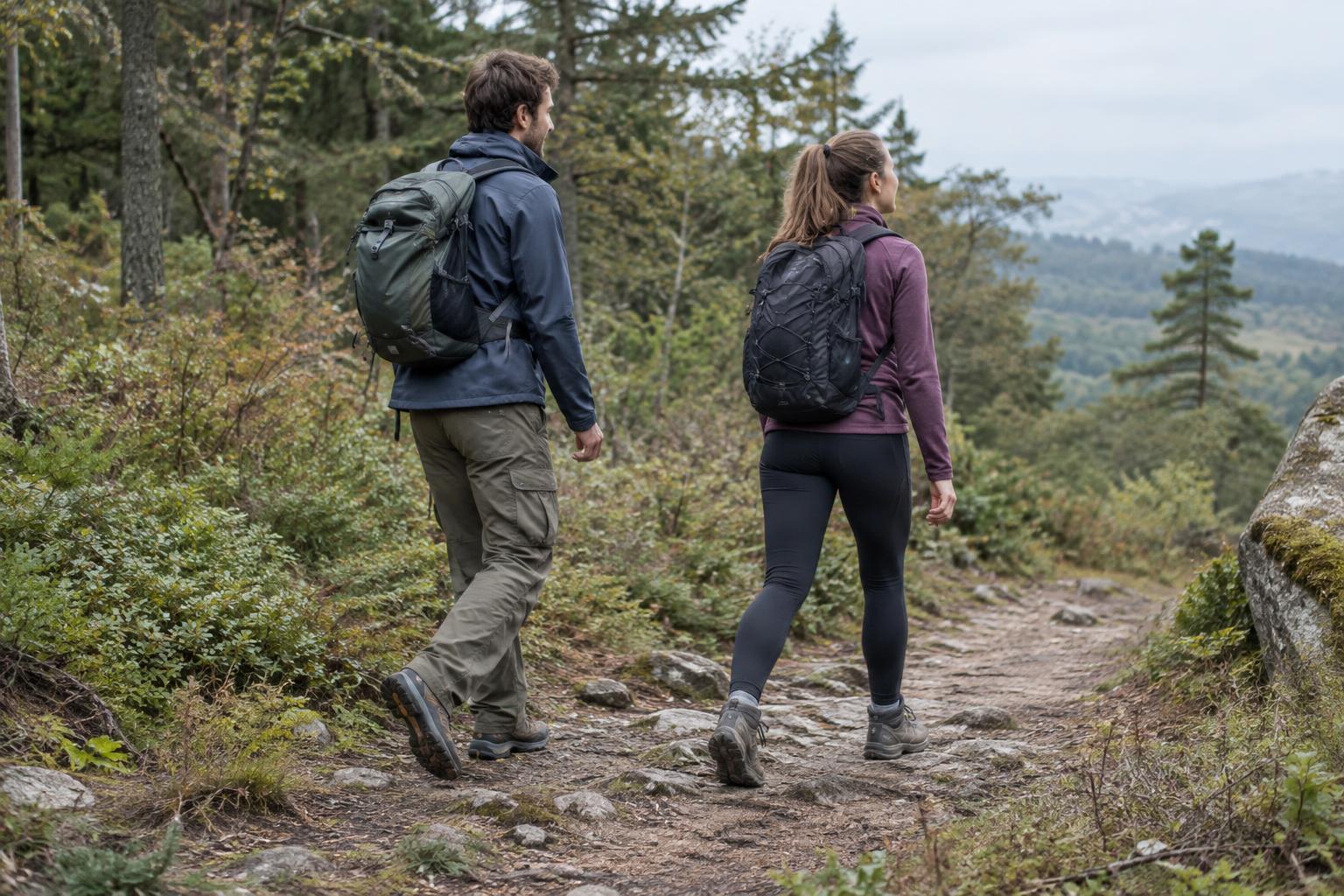
A windshirt is often enough when the day is mild or cool, the forecast is mostly dry, and you expect to keep moving. It is particularly useful on a route that alternates between sheltered paths and open ground: you can put it on before an exposed section and remove it when you warm up. Short walks close to shelter leave more room to adjust your plans if the weather changes.
Consider how long you might stand still. A relaxed walk with frequent photo stops can feel colder than a steady walk at the same temperature. Open ridges, shore paths, and broad fields may also feel much windier than the sheltered place where you started. If your route has long exposed sections or few easy ways to turn back, pack with those sections in mind rather than judging conditions at the trailhead.
Before leaving, ask yourself three questions: Will I stay reasonably warm if I slow down? Am I prepared if rain lasts longer than a passing shower? Can I add a layer if the wind picks up? If the answer to any of these is no, a windshirt can still be useful, but it may not be enough on its own.
Build a simple layer system underneath
Start with a comfortable base layer suited to the pace and temperature. A light, quick-drying top may be all you need under a windshirt for a brisk walk in mild weather. On a cooler day, add a thin fleece or another insulating layer. The windshirt then helps protect that warmth when you step into the breeze.
Aim for layers you can adjust without unpacking your entire bag. If you feel clammy on a climb, open the front zip or loosen the cuffs before removing a layer. If you are still overheating, take the windshirt off and stow it. Put it back on before a windy descent or a rest stop, when you may produce less heat. These small changes can keep you more comfortable than wearing the same combination throughout the walk.
Try the complete outfit at home. The windshirt should fit over your chosen layers without pulling across the shoulders or restricting your stride and arm movement. A close fit can help limit flapping, but it should not be so tight that you avoid wearing a fleece beneath it when needed.
Choose useful details over extra features
A good walking windshirt is easy to put on and adjust. A full-length zip offers quick ventilation, while adjustable cuffs and a snug hem help keep gusts from entering. A hood can be helpful on an open route, provided it turns with your head and does not block your view. If you prefer a hoodless style, a cap or light hat may make the combination more comfortable.
Pay attention to how the fabric feels during movement. Some windshirts let more air through than others, which may be welcome on an uphill walk but less comfortable when you stop. Pockets are useful for small items, though their position matters if you wear a backpack hip belt. Reflective details can improve visibility in low light, but they do not replace a light when your walk may continue after dark.
Packability is a practical advantage only if the windshirt is easy to reach. Keep it near the top of your bag or in an outer pocket rather than buried beneath spare clothes. That way, you can respond to a gusty section before you become uncomfortable.
Know when to carry something more
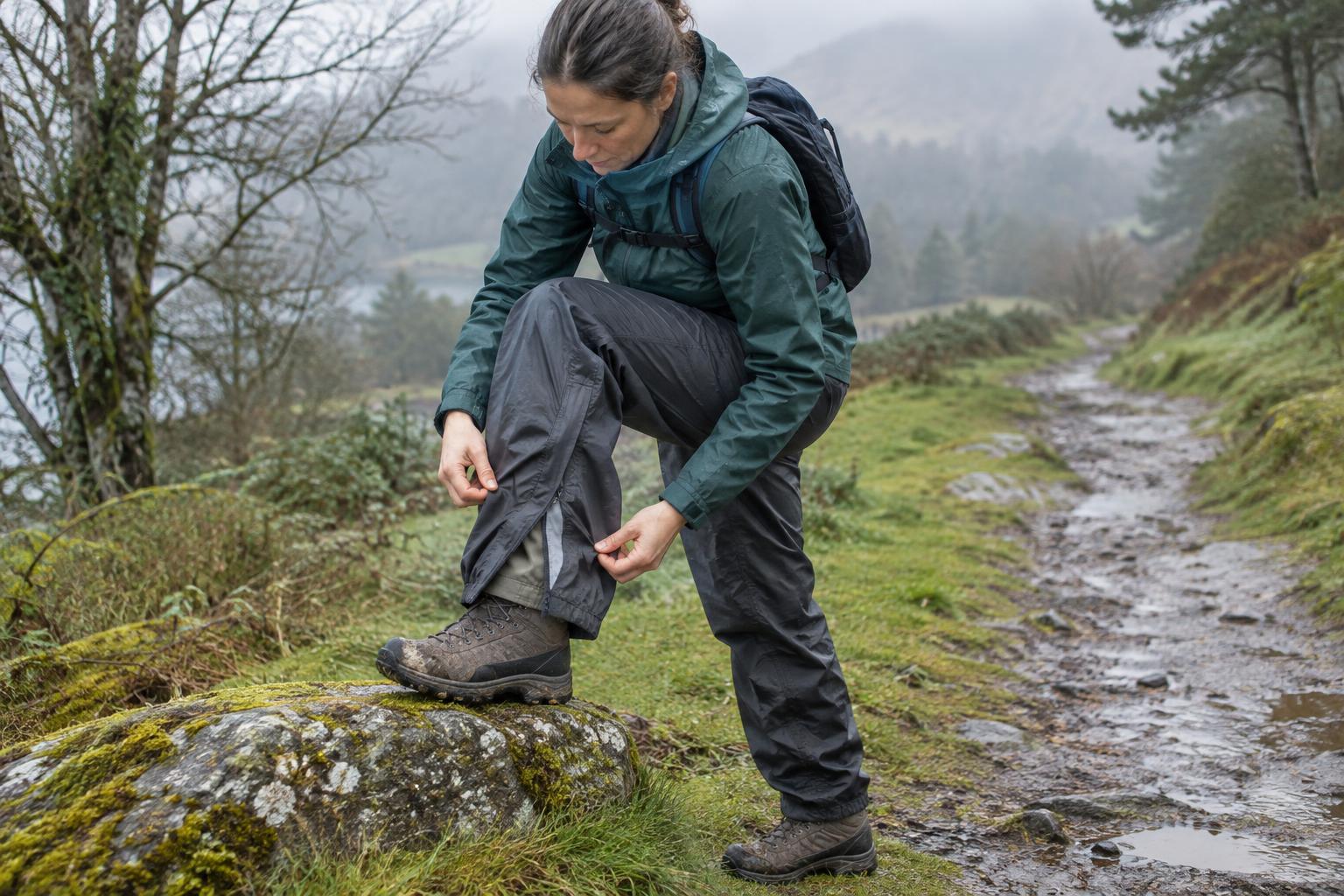
Choose a waterproof shell when persistent rain is plausible, especially if wet clothing would leave you cold. Bring an insulating layer when temperatures are low, your pace will be gentle, or you expect long stops. On a changeable day, carrying both a windshirt and a separate rain shell can give you an easy-to-wear option for dry breezes and a more protective option if rain arrives.
There is no single temperature at which a windshirt becomes enough or not enough. Your pace, other clothing, route, and comfort in the cold all matter. For a dry, breezy walk, start with a combination that feels comfortable while moving, then carry a backup layer suited to the least sheltered part of your route. A windshirt works best when it is one adaptable piece of the plan, not the entire plan.