Start with the trail in front of you
Trail etiquette is less about memorizing a fixed right-of-way order than helping everyone pass safely and comfortably. A narrow path, blind bend, steep climb or muddy edge can change what makes sense in the moment. Check signs at the trailhead for local rules, permitted users and any one-way sections. Where guidance is posted, follow it rather than relying on a rule you have heard elsewhere.
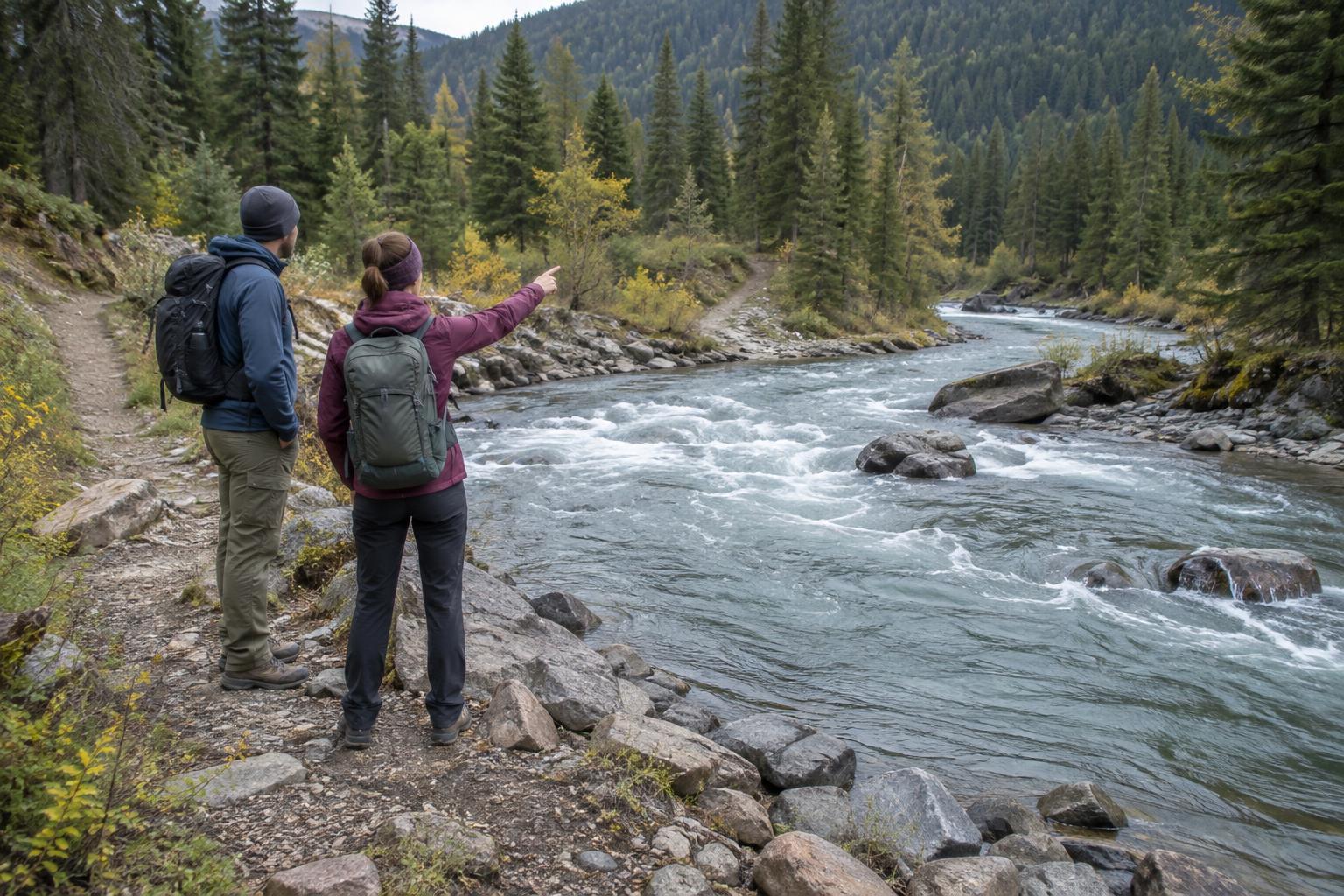
As you approach another person, slow down and look for a sensible place to meet. Keep to one side where there is enough firm ground, but avoid stepping onto fragile plants or widening the trail to make room. If the path is too tight for a comfortable pass, one party can wait at a wider spot. A brief greeting and a clear gesture often settle the question faster than a debate about who should yield.
Give other walkers space and time
When meeting walkers, notice whether they are moving as a group, using a mobility aid, carrying a child or concentrating on uneven footing. On a wide path, pass with room to spare. On a narrow one, pause before the pinch point and let the person who can pass most easily do so. If you are overtaking, announce yourself from a comfortable distance with a friendly “Coming past on your left,” or name the side that is actually clear. Wait until they have heard you before moving through.
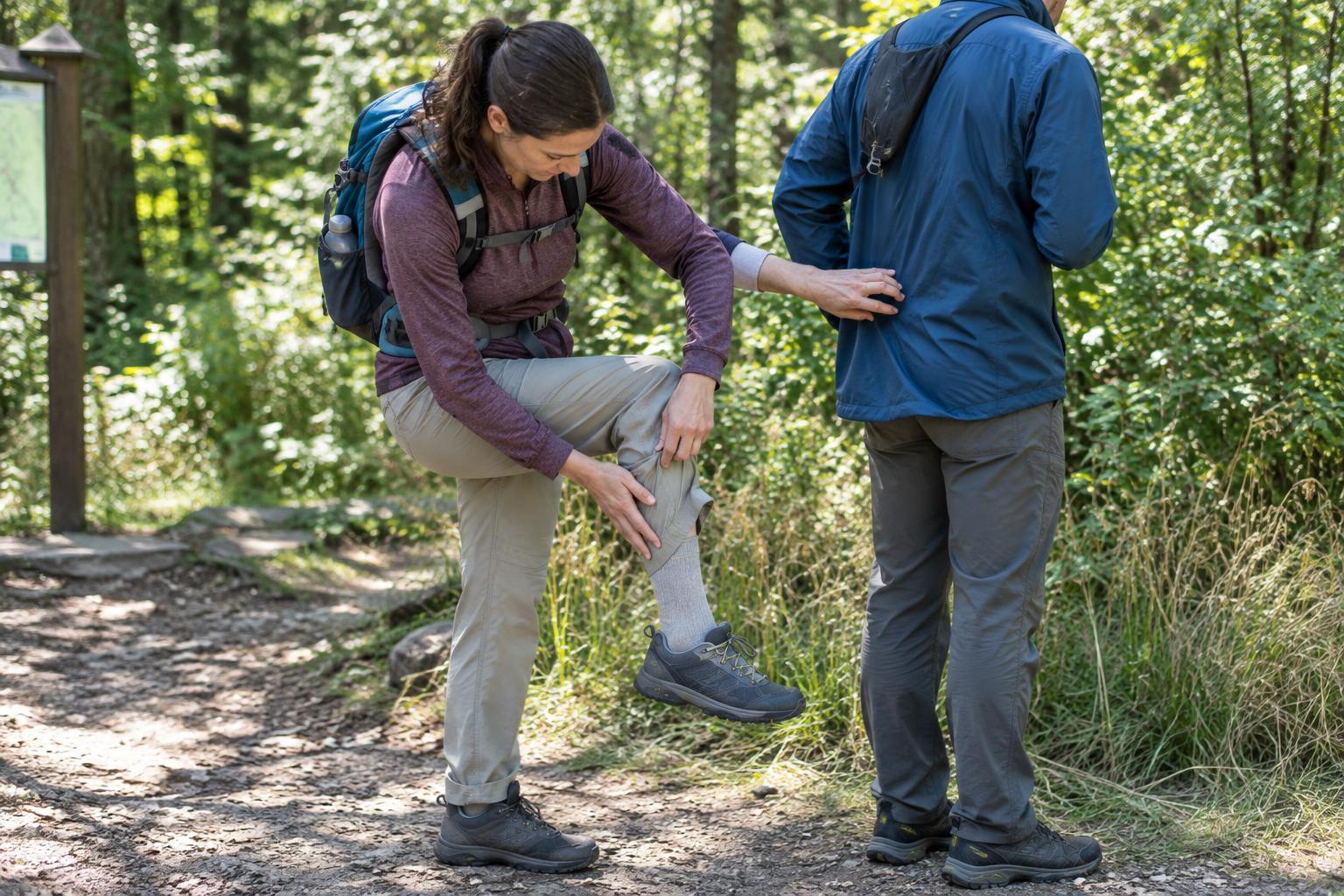
Keep your group from spreading across the full width of the trail. If you stop to check a map, adjust a pack or take a photo, move aside where it is safe rather than blocking the route. On climbs and descents, give people time to find stable footing; nobody should have to rush onto loose ground to make space. A simple thank-you after passing keeps the exchange relaxed.
Make cycling encounters predictable
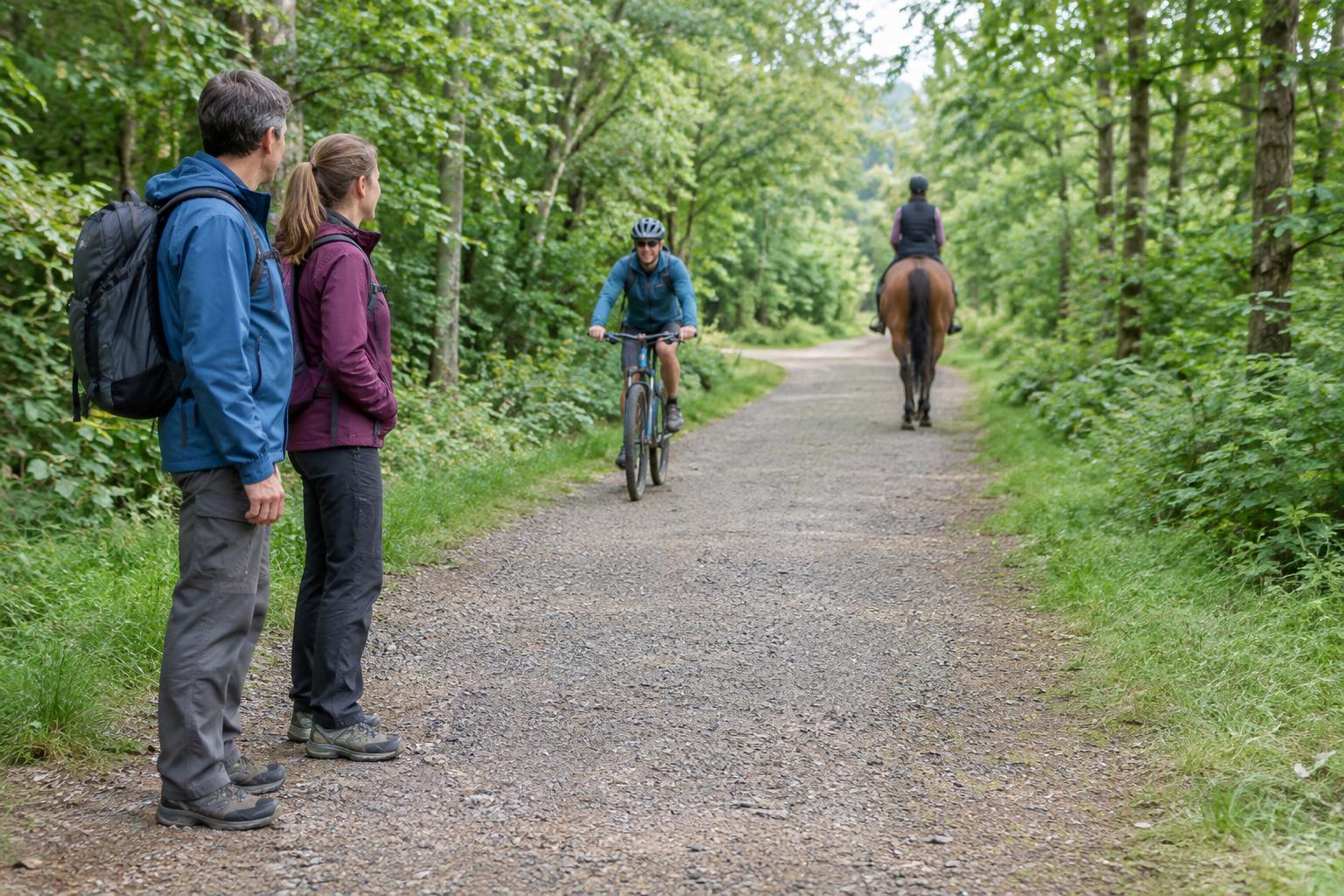
Cyclists and walkers may close the distance quickly, especially on bends and downhill sections. Walkers can help by staying aware of their surroundings and keeping dogs and loose straps out of the path. If you hear a bell or a spoken warning, avoid jumping sideways without looking. Hold a predictable line, then move to a safe spot when you can see where the cyclist intends to pass.
Cyclists should approach at a speed that allows them to stop, signal early enough to be heard, and wait when there is no safe passing space. As a walker, it is fine to say “Please wait” if the edge is unstable or your group needs a moment to gather. If the trail is busy, keep headphones low enough to hear others. Neither a bell nor a call guarantees that someone has heard it, so a safe pass still depends on patience and eye contact when possible.
Treat horses as animals, not moving obstacles
A horse may react to sudden movement or an unexpected sound, even if it appears calm. When you see one, slow down, give it plenty of room and speak in a normal voice so both horse and rider can recognize you as a person. Avoid running up behind it, shouting, waving gear or squeezing past without warning. If you are cycling, slow to a stop where needed and ask the rider how they would like you to pass.
Follow the rider’s directions and wait if they ask you to. Choose a firm, visible place to stand rather than hiding just off the trail in vegetation. Keep dogs close and under reliable control; where required, use a lead. Do not let a dog approach a horse, even if the dog is usually friendly. Once the rider has passed, leave enough distance before setting off again.
Use a simple passing routine
A useful routine for any shared trail is to notice early, slow down, communicate and pass only when there is space. Look beyond the person in front of you: another walker, cyclist or horse may be following. On a blind corner, avoid stopping where others cannot see you. If several people need to pass, wait at a wider section rather than creating a series of awkward encounters along a narrow stretch.
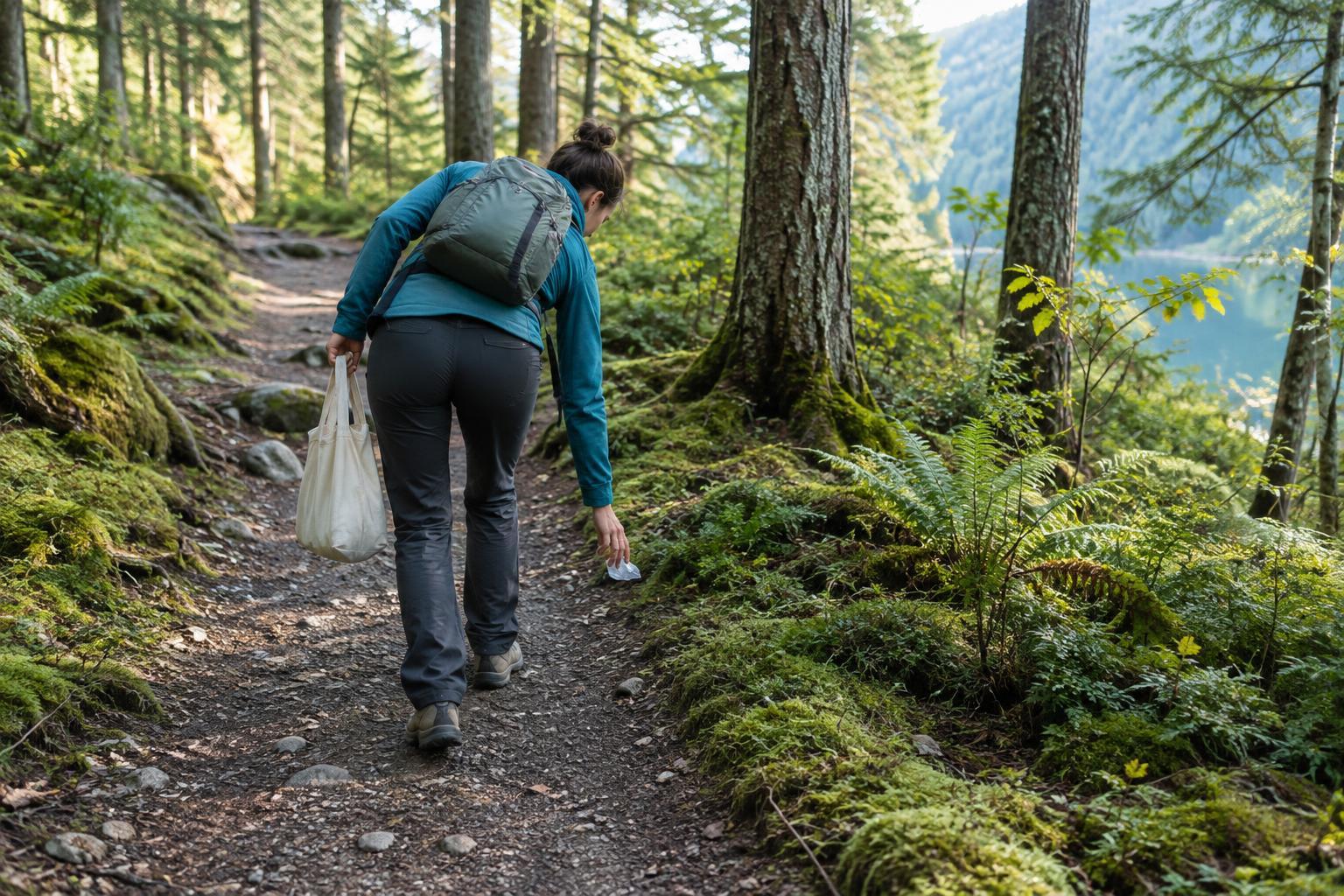
Courtesy also includes caring for the route. Stay on durable surfaces when making room, take litter with you and respect closures or user restrictions. Conditions and local conventions vary, so be ready to adapt. The goal is not to insist on your turn; it is for everyone to continue without being startled, pushed off stable footing or forced into a risky gap.