Packing for space instead of access
A common daypack mistake is arranging everything solely to make it fit. That may leave an impressive amount of spare space, but it can put the item you need first at the bottom of the bag. Before packing, think through a typical outing: you may want water while walking, a snack at a short stop and a rain layer as soon as the weather changes. Those items should be easier to reach than a spare shirt you are unlikely to use until later.
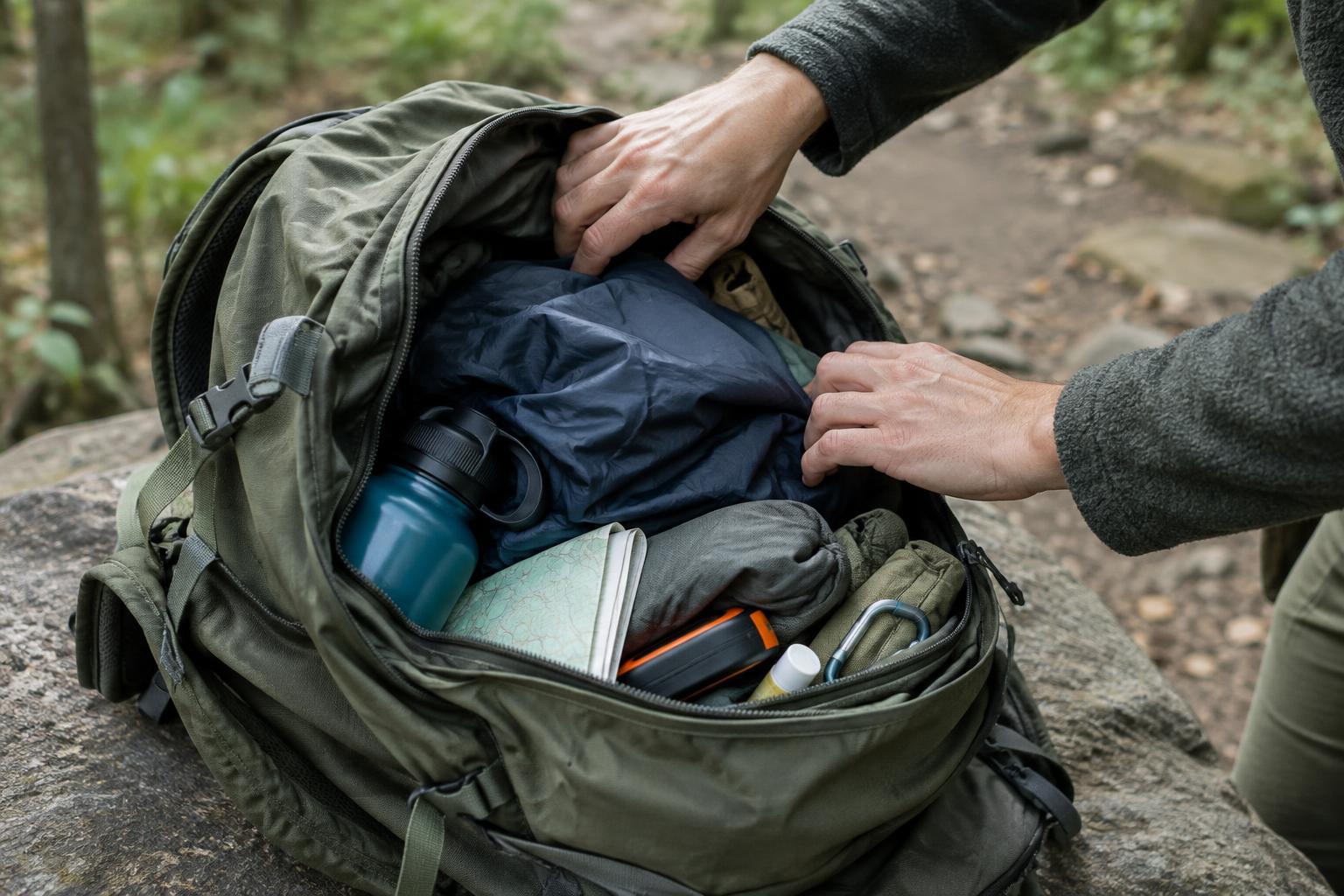
Pack in a rough order of use rather than a strict order of size. Items you expect to reach for often can go in accessible pockets or near the top of the main compartment. Less frequently used extras can sit deeper in the bag. Keep the weight comfortable and the pack balanced; easy access is useful only if the bag still carries well.
Burying layers and weather protection
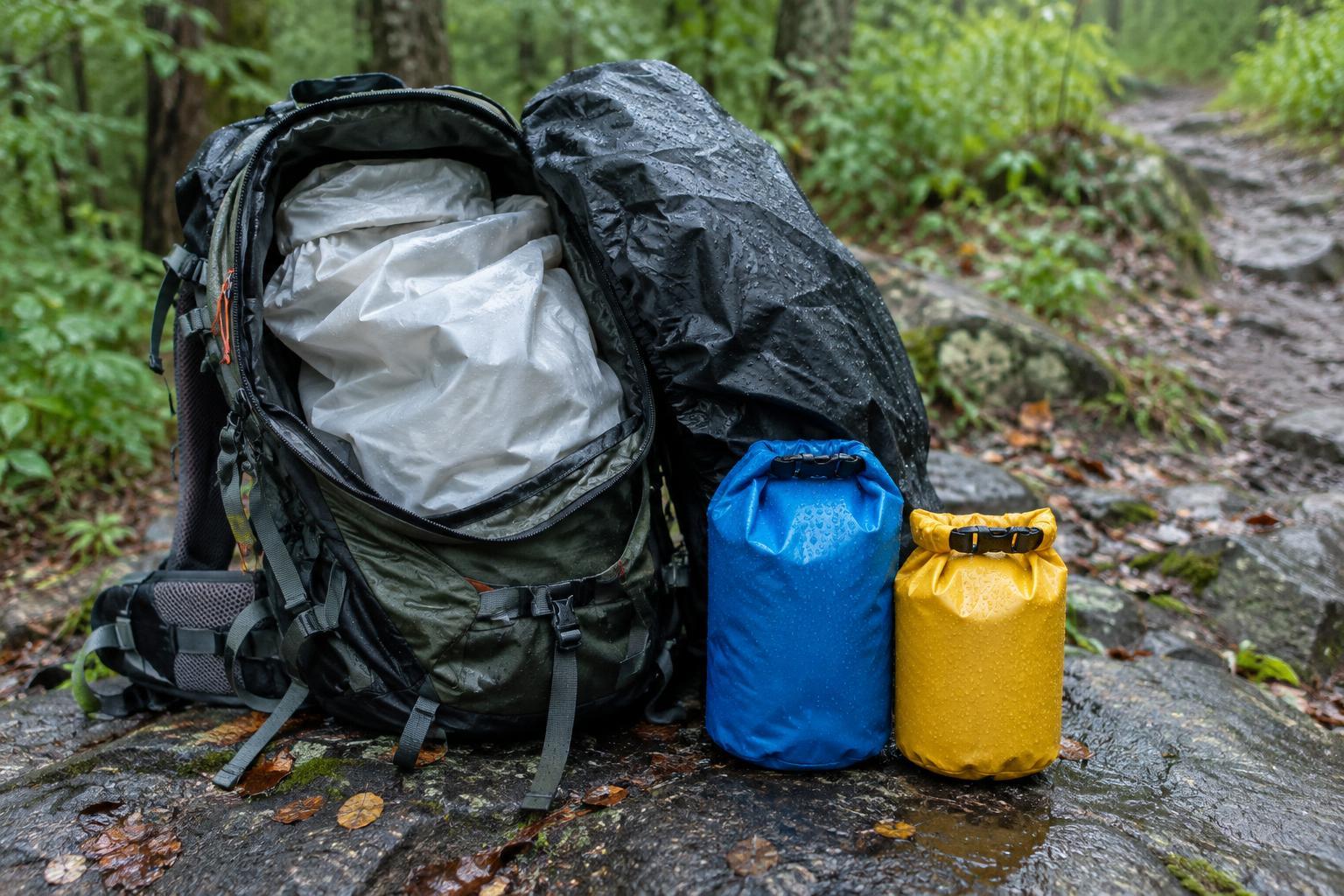
A rain jacket packed beneath every other item is inconvenient just when you want to put it on quickly. The same problem occurs with a warm layer when you stop walking and begin to cool down. Compressing a layer into the smallest possible space may save room, but it can make the pack harder to use throughout the day.
Give the layer most likely to come out next a predictable place near the top or in a suitable outer compartment. If you use an external pocket, check that it closes securely and that its contents will stay reasonably protected. When the weather or your activity changes, swap the layer’s position rather than treating your initial arrangement as fixed.
Turning every small item into a search
Keys, lip balm, a transit card and a small snack can disappear into the corners of a spacious main compartment. Dropping them all into one crowded front pocket is not much better: you may need to empty it to find the right thing. Loose items also have a way of moving each time you take out a larger piece of gear.
Assign small essentials a few consistent homes. A zippered pocket might hold keys and a wallet, while another holds items you use during the walk. A small pouch can contain related items that do not need instant access, such as spare batteries and a charging cable. Avoid adding so many pouches that finding the right pouch becomes its own task. After packing, try locating a few essentials without looking; if that takes too long, simplify the layout.
Overloading convenient pockets
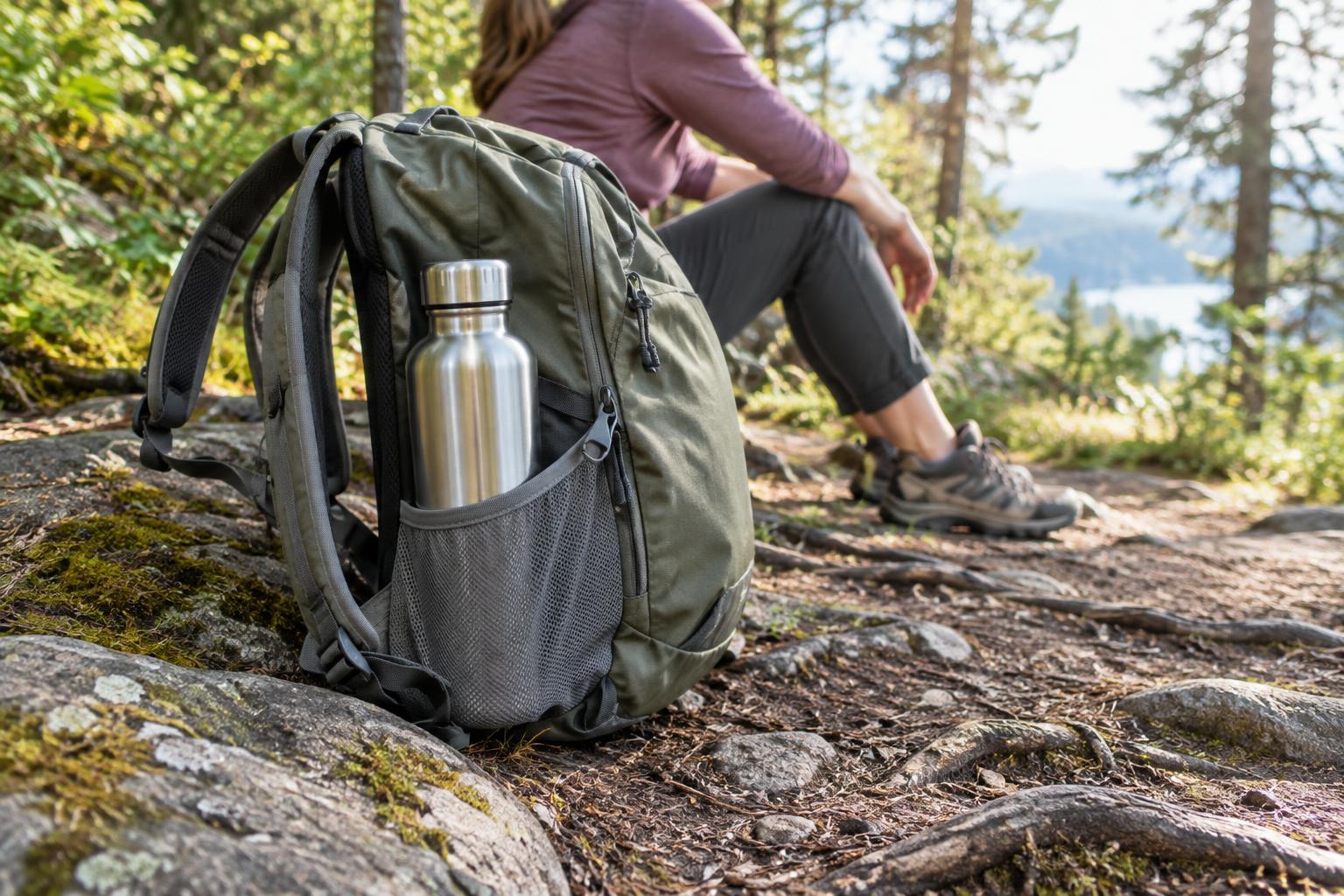
Side and front pockets seem like natural places for everything you want close at hand. When they are stuffed full, though, a water bottle may be hard to put back, zippers may be awkward to close and smaller objects may fall out while you retrieve something else. An overfilled pocket can also press against the main compartment, making its contents harder to reach.
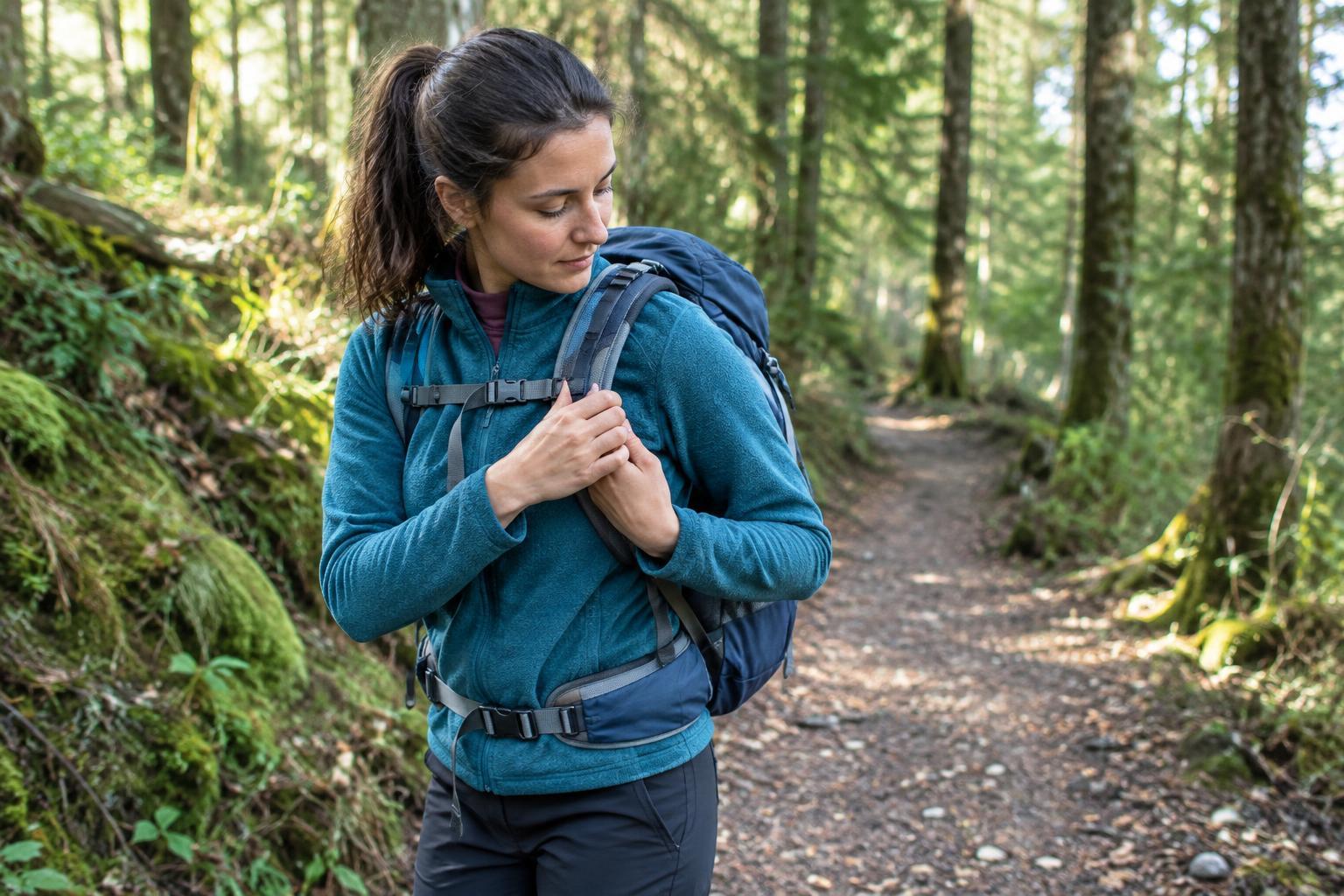
Choose what each easy-access pocket is for, and leave enough room to use it comfortably. For example, reserve one side pocket for a bottle if it fits securely, and keep the front pocket for a few lightweight items. Before leaving, put on the pack and check whether you can reach the items you expect to use while walking. If not, plan to stop and take the pack off rather than twisting to reach them.
Forgetting the repacking test
A pack can seem perfectly organized on the floor and become messy after the first stop. A jacket goes back in damp, a snack wrapper needs a place and an item taken from the bottom gets dropped on top. Packing without room for these ordinary changes can make the rest of the outing feel like a series of small searches.
Leave a little usable space and decide where temporary items will go. A separate bag or suitable pocket for damp or dirty items helps keep them away from clean layers; carry out any litter rather than tucking it among your food. Before heading out, close the pack, put it on and practice retrieving your water, rain layer and keys. If each item has a clear route out and back in, the setup is likely to be easier to manage when you are away from home.