Decide what the stop is for
A worthwhile road-trip walk is not necessarily the longest route you can squeeze between destinations. It might be a short loop that lets you stretch your legs, a path to a viewpoint, or a quiet stroll that makes the drive feel less continuous. Decide what you want from the break before looking for a route. That helps you avoid committing to a demanding trail when what you really need is fresh air and a chance to move.
Give the stop a realistic place in your travel day. Allow time to leave the main road, park, use facilities if available, walk, and settle back into the car. If you are traveling with others, agree on the aim together. A relaxed walk is less enjoyable when one person expects a quick break and another expects a hike.
Choose a route that is easy to enter and leave
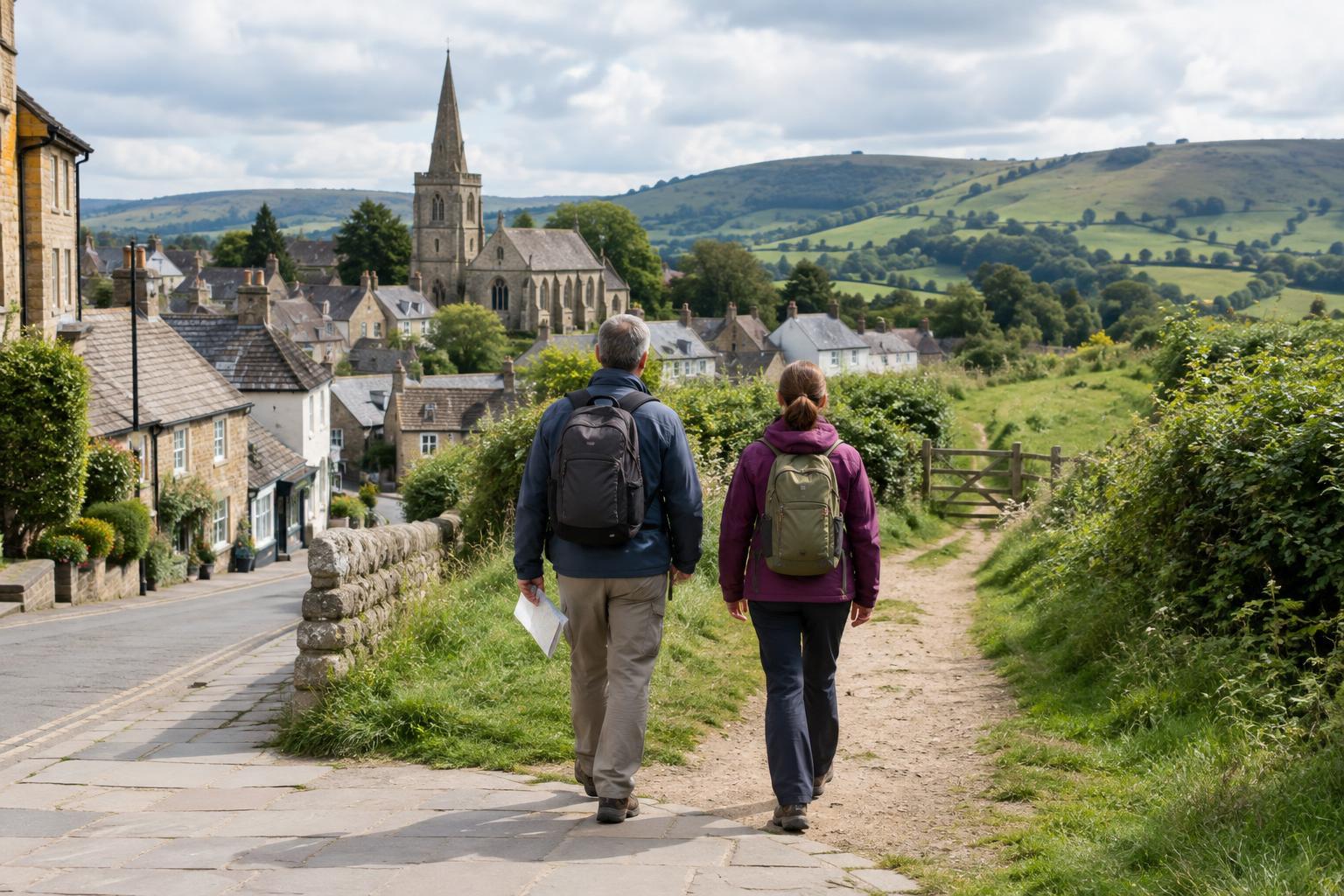
Look for a walk with a clear starting point and a straightforward return. A loop can offer variety without requiring a pickup at the far end. An out-and-back path is equally useful: you can turn around when your allotted time is nearly half gone. A riverside path, woodland track, park trail, or signed path near a town may fit more comfortably into a travel day than a remote route with a long approach.
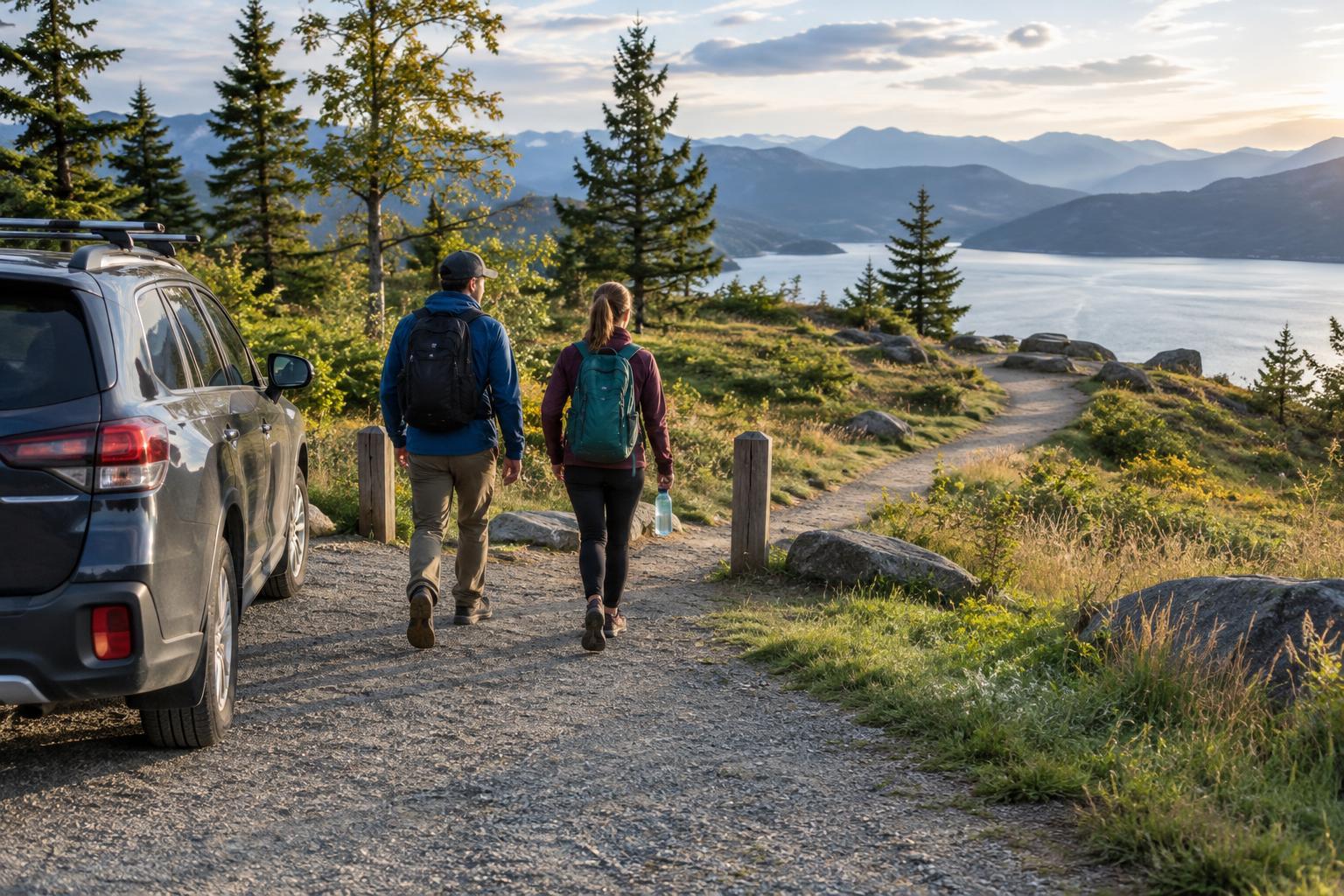
Consider the whole stop, not just the walking distance. Check where you can park and whether the trail entrance is reachable from that parking area without crossing an unsafe road. Look for information on opening hours, access rules, fees, and route conditions when it is available. If those details are unclear, keep an alternative stop in mind rather than relying on access you have not confirmed.
Set a turnaround point before you start
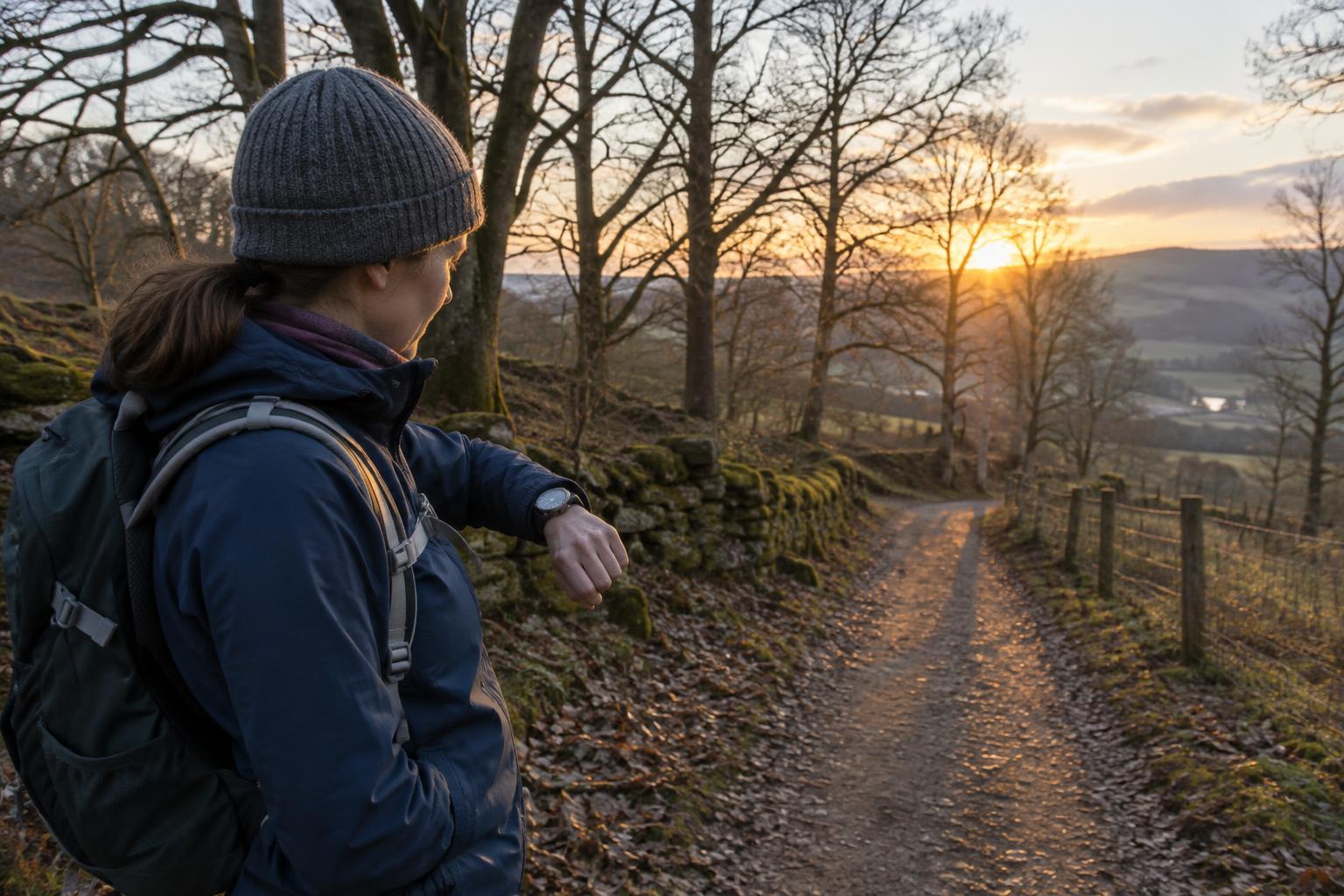
The easiest way to keep a short walk enjoyable is to decide when you need to head back. Set a turnaround time based on your travel plans, then leave a margin for a slower return, a wrong turn, or a stop to admire the view. On an out-and-back route, reaching a promising bend is not a reason to keep going if you have used the time you set aside.
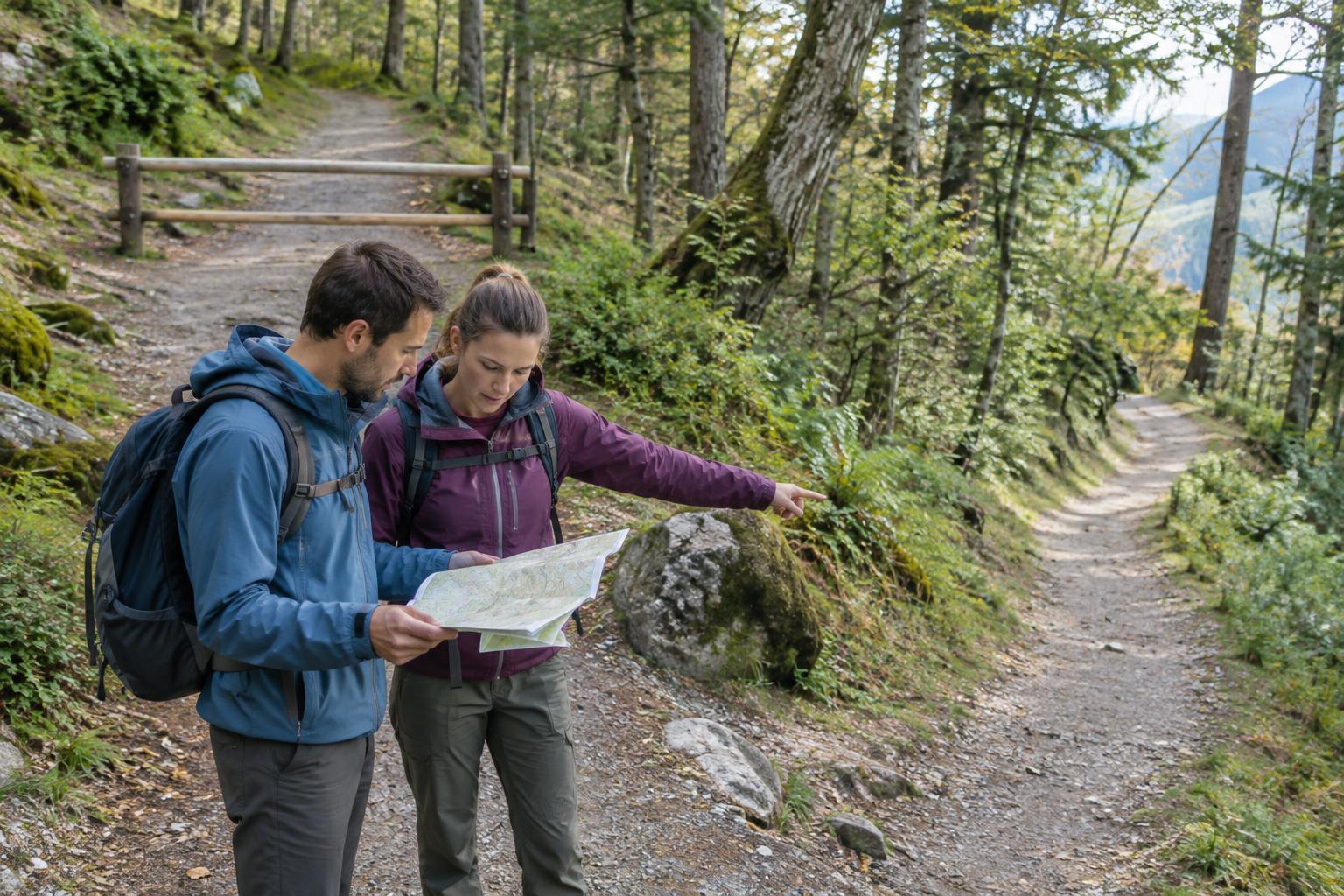
A map can help you judge whether a route suits the stop, but distance alone does not tell the whole story. Hills, uneven ground, mud, heat, and the pace of your group can all change how long a walk feels. Pay attention to daylight and weather, and shorten the plan if conditions are less comfortable than expected. Turning back early still leaves you with a useful break from the car.
Keep a small walking kit within reach
Packing for the walk should not mean unpacking the entire vehicle. Keep comfortable walking shoes, water, a weather-appropriate layer, and any personal essentials somewhere you can reach without rearranging luggage. A small bag makes it easier to carry what you need while leaving valuables out of sight in the parked car. Bring a charged phone, but do not assume you will have a signal throughout the route.
Before setting off, note where you parked and take a moment to orient yourself at the trail entrance. If you use a digital map, make sure the route information you need is accessible without a connection. For a longer or less obvious path, a simple backup such as a saved map can make the return less stressful. Choose footwear for the ground you expect, not just for sitting comfortably during the drive.
Make the return part of the plan
A good stop ends comfortably. Follow any posted guidance, stay on established paths where appropriate, and take your litter back to the car. If you are traveling with a dog, check local access rules and bring what you need to manage and clean up after it. Near the end of the walk, resist the temptation to add another spur trail unless it clearly fits the time and energy you have left.
Back at the car, drink some water, deal with muddy shoes or wet layers, and give everyone a moment before driving again. Notice what made the stop work: perhaps easy parking, a clear route, or a view close to the trailhead. Those details are more useful for planning the next break than the number of miles walked. A worthwhile road-trip walk is one that refreshes you without making the rest of the journey harder.