Start with the route, not the rating
A label such as “easy” or “moderate” is a useful first impression, but it is not a shared standard. One writer may be thinking about steepness, while another has the surface underfoot in mind. Read the whole description before deciding. Look for the route’s distance, total ascent, terrain, estimated time and any notes about navigation or exposed sections.
Check the route shape, too. A circular walk returns to its starting point, while an out-and-back retraces the same path. A point-to-point walk ends elsewhere and may require transport. If a description says “five miles to the viewpoint,” find out whether that is the full walk or just the outward leg. A short-looking route can become a much bigger outing when the return journey is easy to overlook.
Read distance and climbing together
Distance tells you how far you will travel, but not how the effort is spread out. A mostly level path and a route that climbs steadily for its first half can feel very different at the same length. Total ascent describes the accumulated uphill travel; it may include several smaller climbs rather than one obvious hill. Read the written route notes alongside the numbers to see where those climbs occur.
Consider the descent as well. Long or steep downhill stretches can be tiring, particularly on loose or uneven ground. If you know you prefer gradual climbs, look for phrases such as “steady ascent” rather than assuming a low difficulty rating guarantees one. Comparing a proposed walk with a route you have already enjoyed is often more helpful than comparing labels alone.
Notice what the ground and surroundings demand
Terrain words carry practical meaning. “Paved” or “firm track” suggests a different experience from “rocky path,” “muddy field” or “uneven steps.” A narrow trail may require more attention than a wide track, even when both cover the same distance. Look for mentions of stream crossings, gates, stiles and obstacles if accessibility or ease of movement matters to your group.
Descriptions may also flag steep edges, exposed ridges or sections where the path is hard to follow. Think about how comfortable you would feel there, rather than treating those details as part of the scenery. Conditions can change with weather and maintenance, so a description cannot promise exactly what you will find. If a particular feature would make the walk unsuitable, choose a route that does not depend on that feature being manageable.
Treat the time estimate as a planning tool
An estimated duration may or may not include breaks. It also may not match your pace on hills, rough ground or a day when you want to stop for photographs. Build in time for rests, navigation and unexpected slow sections. Check when you need to finish and leave enough daylight rather than planning around the fastest possible completion.
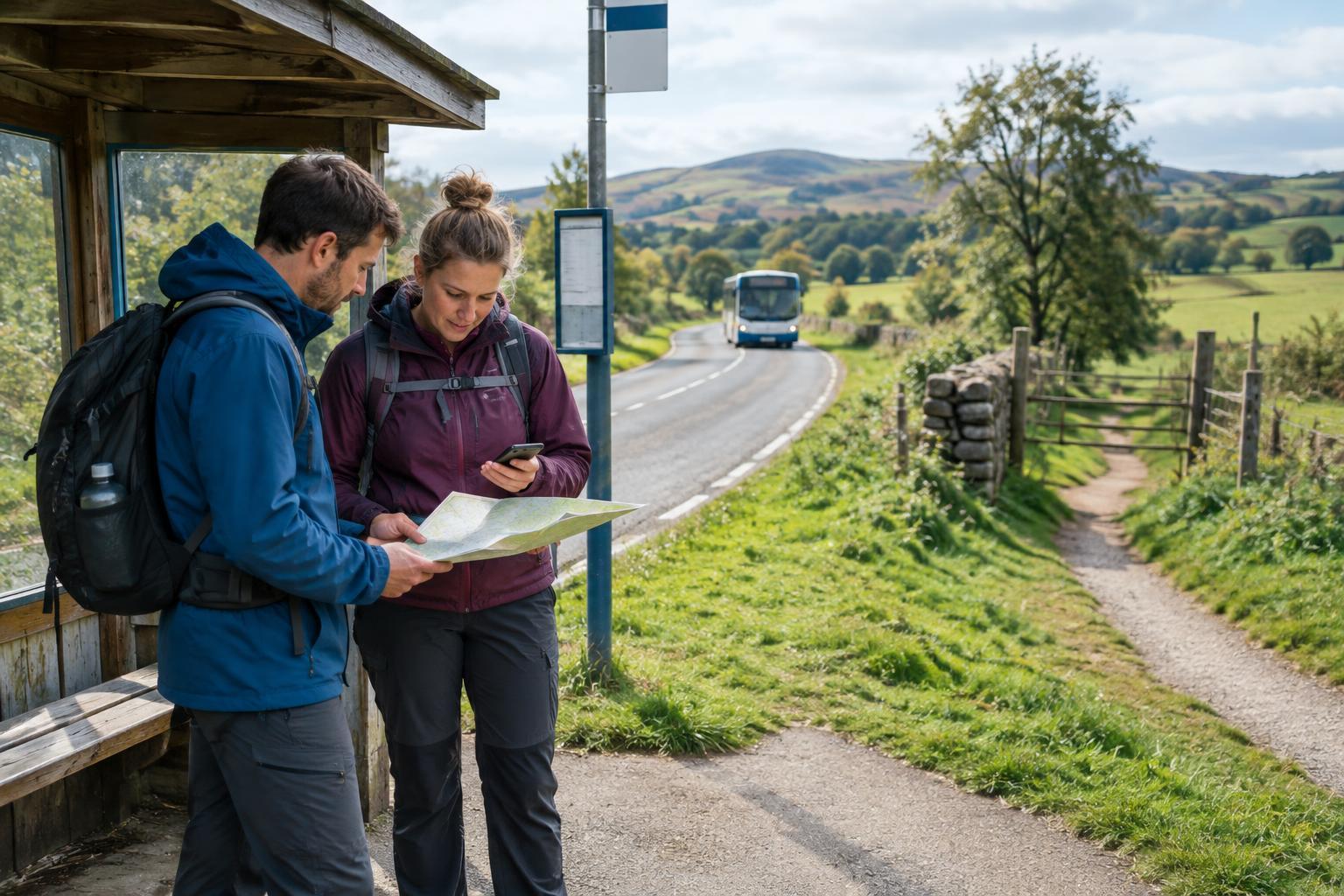
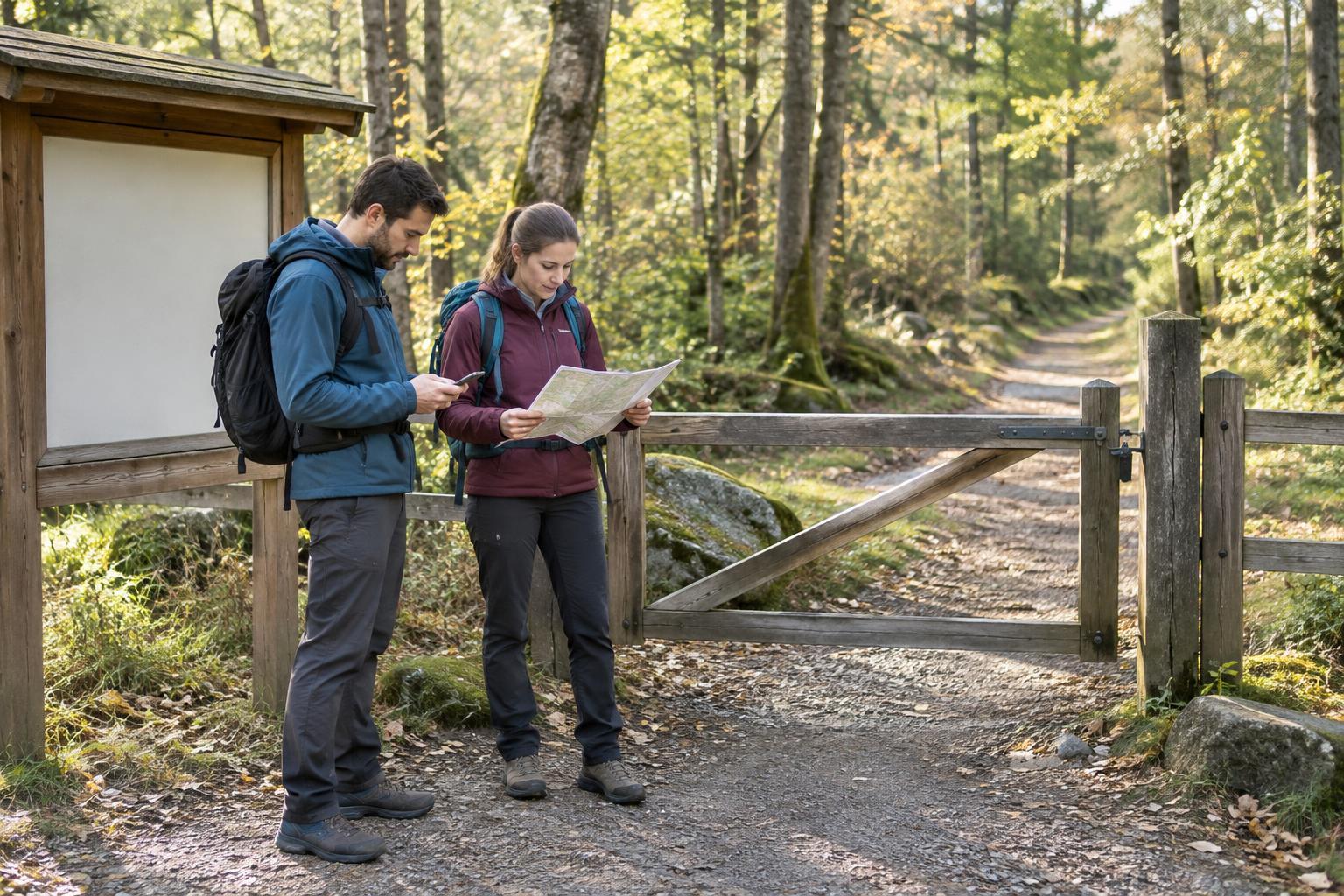
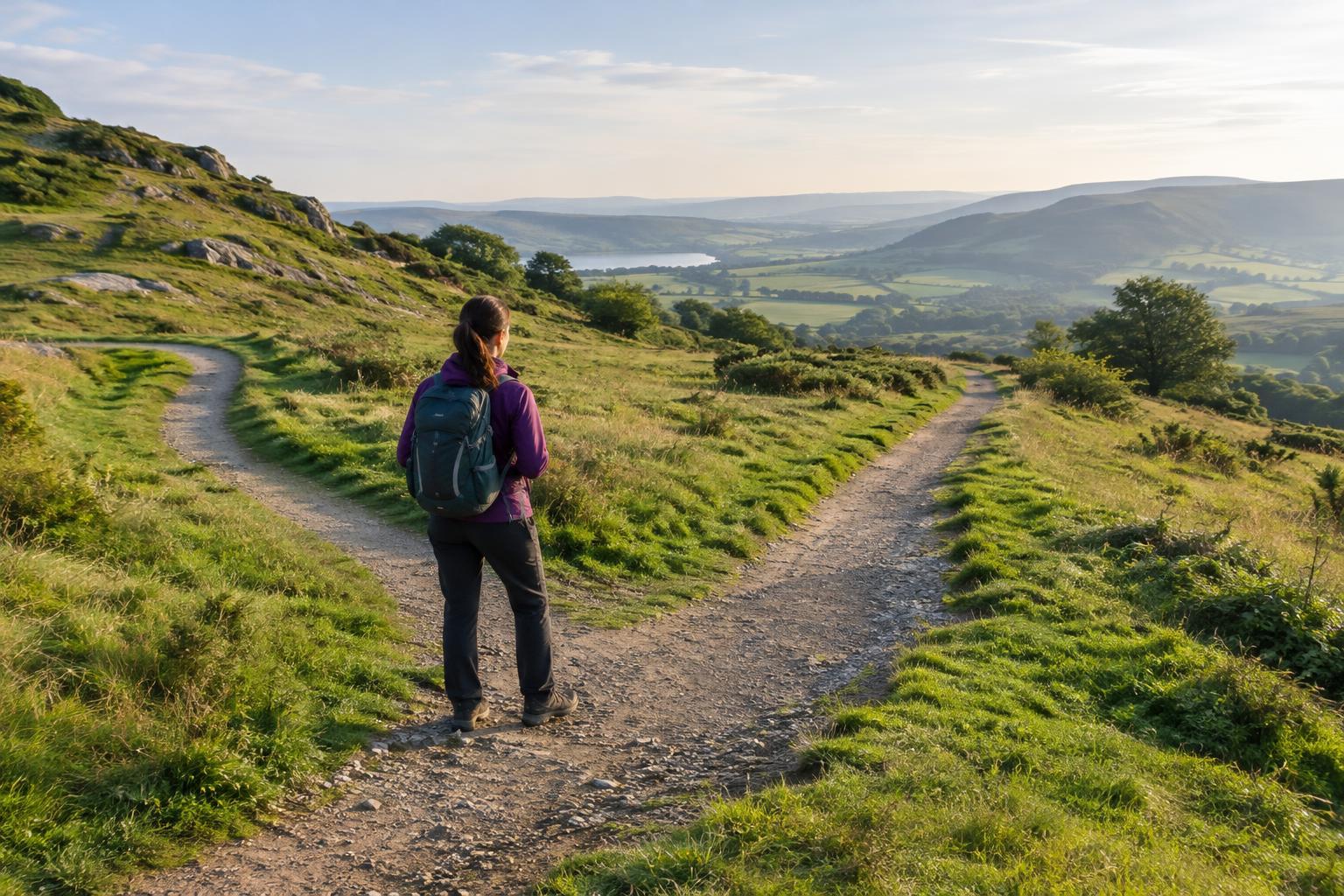
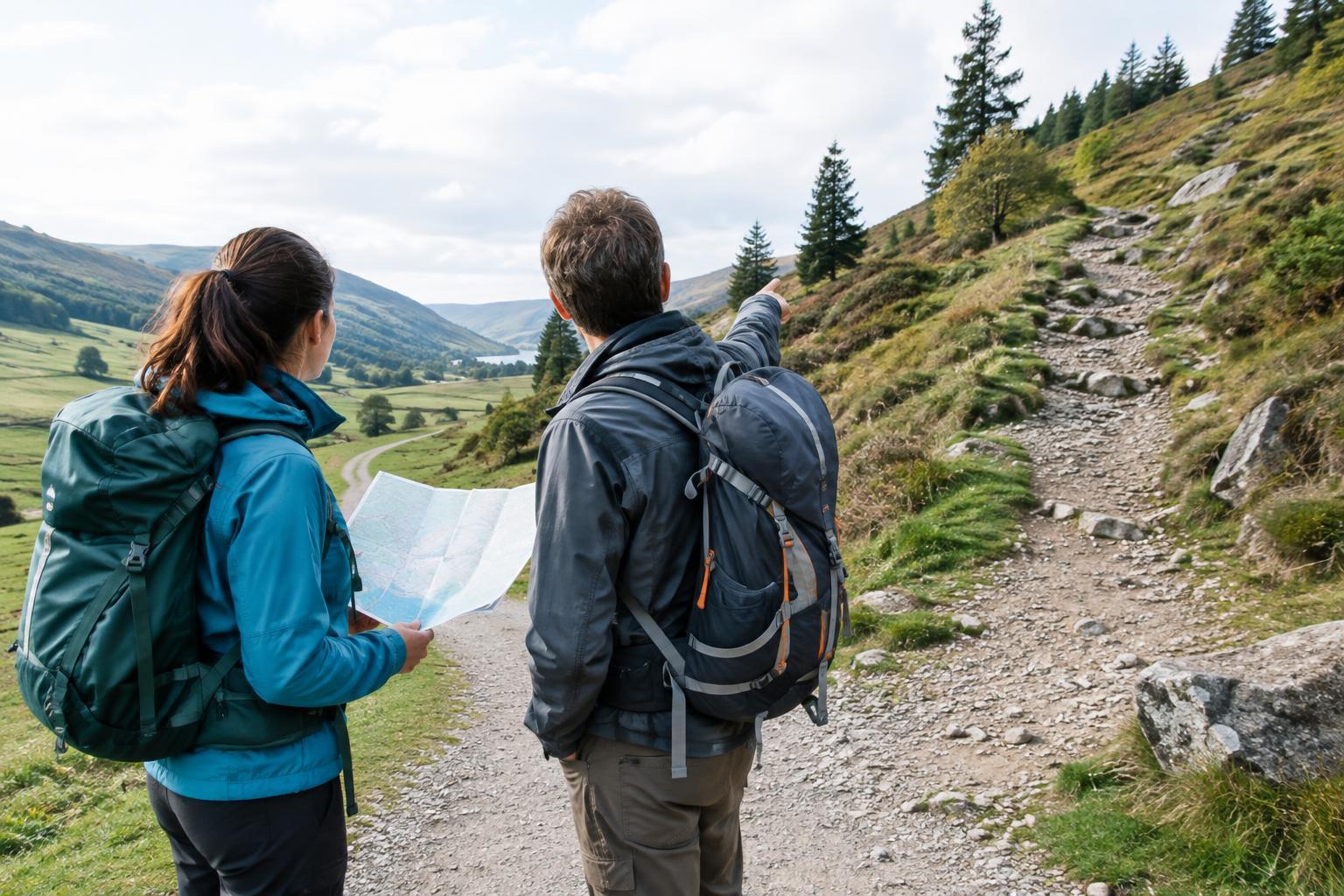
Practical details matter just as much as pace. Find the stated start and finish points, and check whether parking, public transport, toilets or water are mentioned. If they are not, do not assume they are available. Note any route junctions and consider whether there is a straightforward way to shorten the walk. For a remote or unfamiliar route, bring a map you can use without a mobile signal and make sure you know how to follow it.
Make the final choice personal
Before setting out, ask whether the whole walk suits the people going with you. The best choice accounts for the least comfortable walker, not just the keenest. Think about recent walking experience, how much time everyone has, and whether the route leaves room to enjoy the day. A familiar distance may call for a more generous schedule if the surface is rough or the ascent is greater than usual.
Finally, separate what the description tells you from what you still need to check. Forecast conditions, access information and any route notices can affect your plan. If key details remain unclear, a simpler or better-described walk is a sensible choice. A good trail description helps you make a decision; it does not have to persuade you to take on every route it describes.