Start with the walk, not a giant checklist
A useful first aid kit is one you will actually bring. For a short day walk, aim for a compact pouch that can handle minor cuts, scrapes and blisters while helping you manage a problem until you can get appropriate help. It does not need to resemble a full expedition kit.
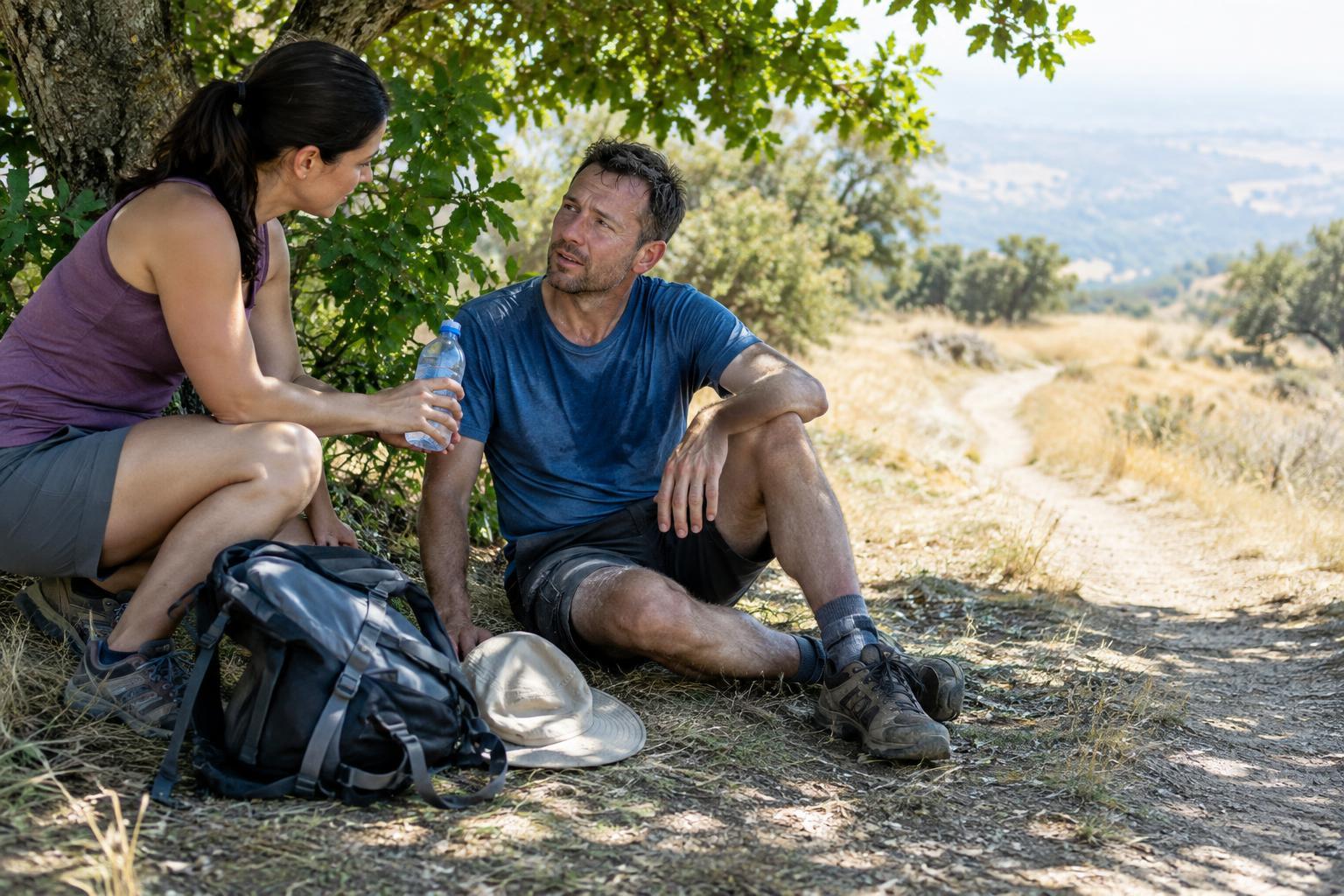
Think about your route before packing. A paved walk close to town calls for a different level of preparation than a quiet trail with limited phone signal. Consider the distance, weather, walking surface, size of your group and how long it might take to return to a road. The farther you are from help, the more important it is to carry enough supplies to cover a delay.
Cover the common small problems
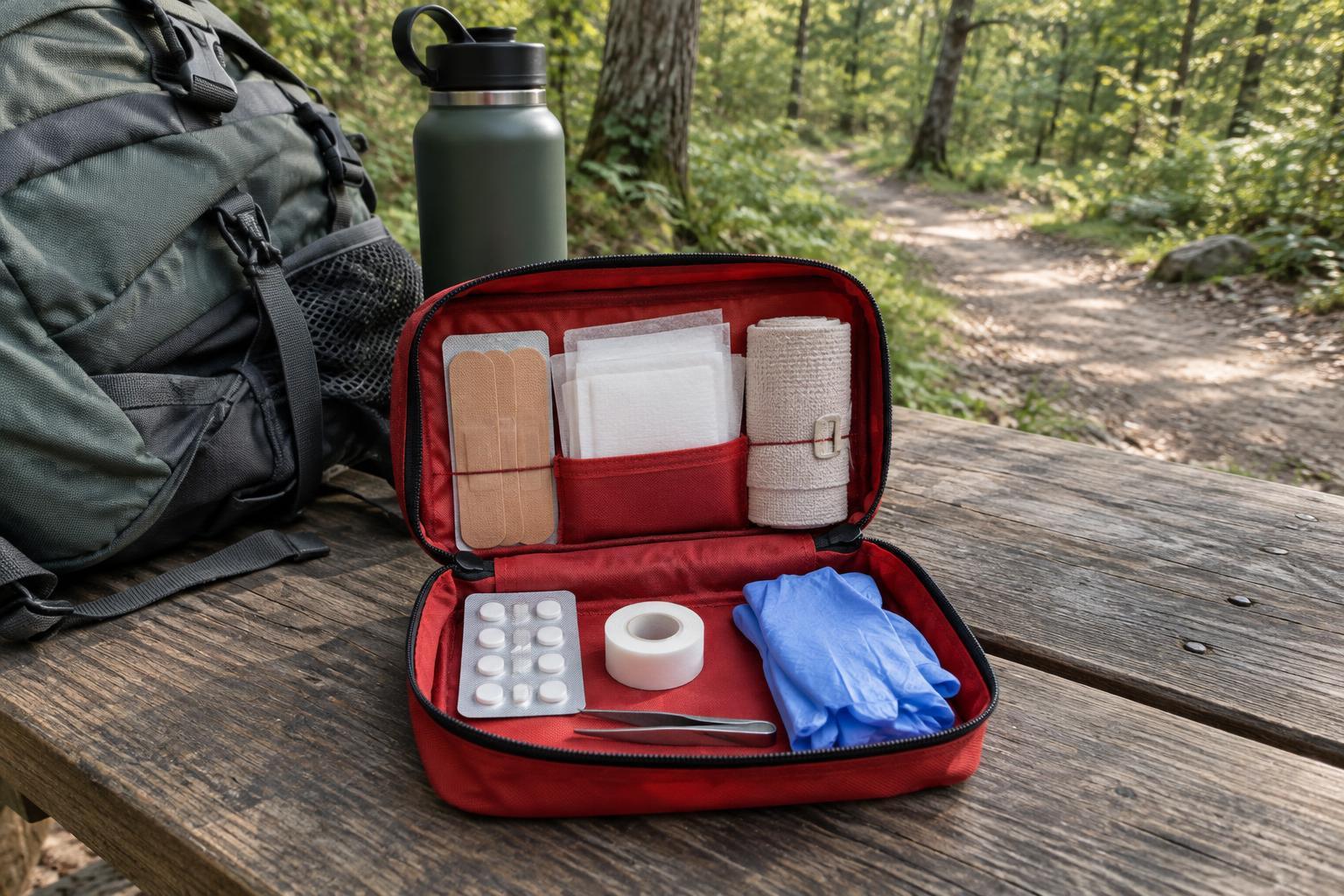
Begin with a few adhesive bandages in different sizes for small cuts and abrasions. Add sterile gauze pads, a roll of gauze or a conforming bandage, and medical tape so you can cover an area that a standard bandage will not fit. A small non-stick dressing can be helpful for a scrape that you do not want to attach to ordinary gauze. Keep these items sealed until needed.
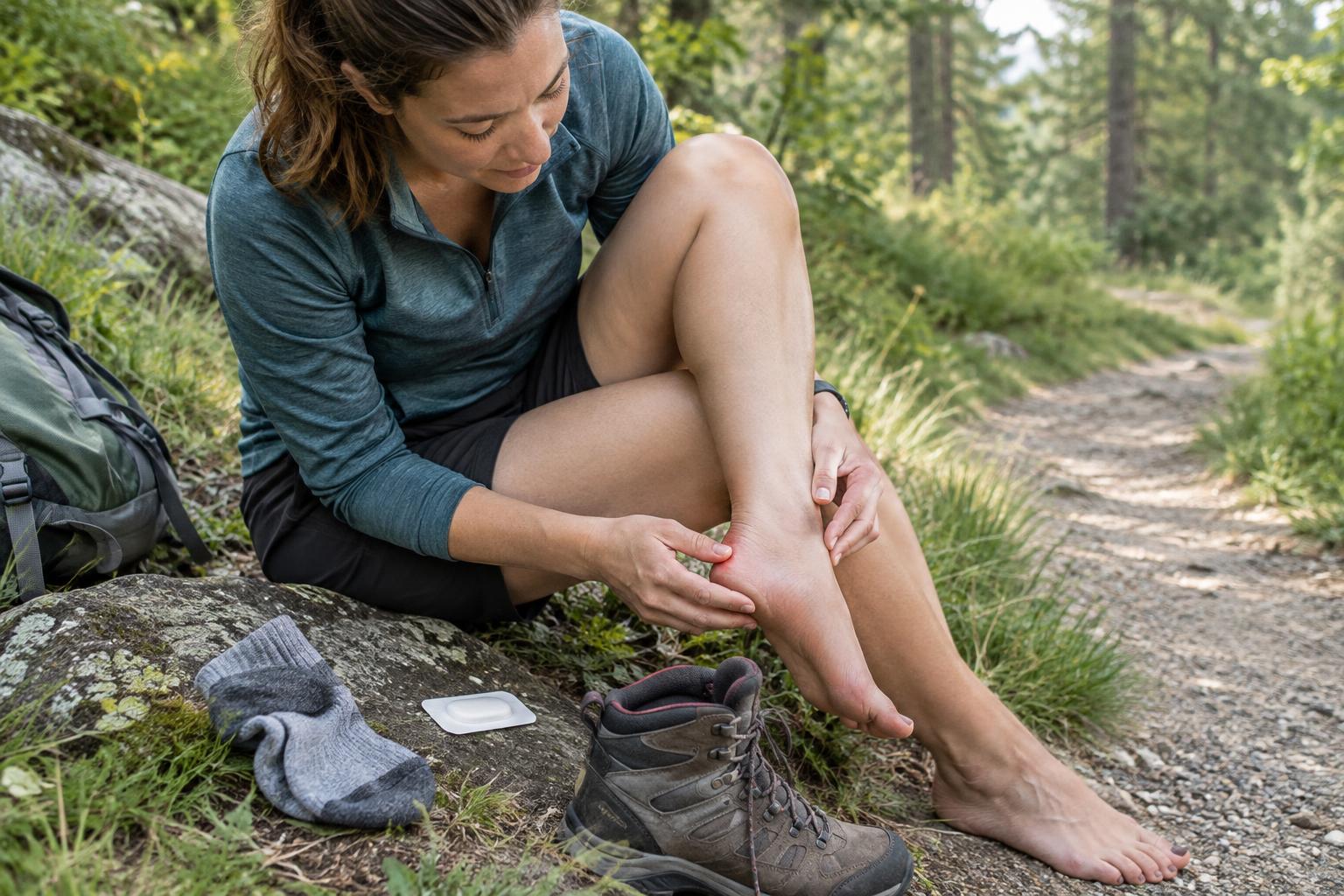
Blisters can turn an enjoyable walk into a difficult one, so include your preferred blister dressings or pads and a small amount of tape suitable for skin. Clean, dry skin generally helps dressings stay in place. If you already know where your footwear tends to rub, addressing that friction early may be easier than dealing with a developed blister later.
Pack a few disposable gloves to reduce contact with blood or other body fluids. A small pair of blunt-tip scissors can cut tape or dressings, while tweezers can help with a visible, easily reached splinter. These tools are useful only if they are clean and you know how to use them; do not dig into skin to remove something embedded.
Add personal essentials and a few practical extras
The most important additions are individual. Bring any medication you personally need for the length of the walk, allowing for a reasonable delay, and keep it in appropriate, clearly identified packaging. If you have been prescribed emergency medication, carry it as directed and make sure you know how to use it. Check storage instructions, especially when temperatures may be high or low.
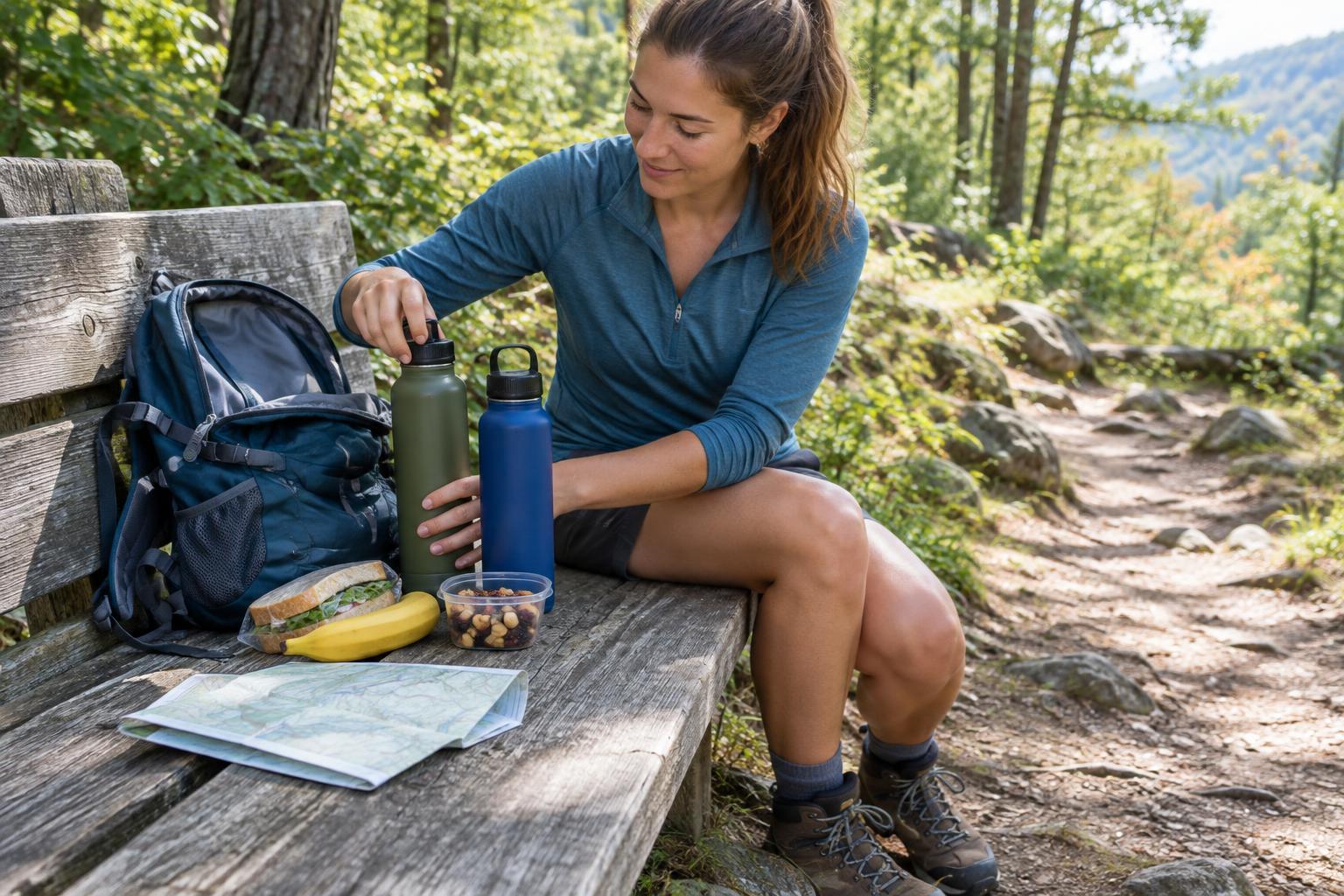
A small sachet or bottle of sterile saline can be convenient for rinsing minor dirt from a scrape, although clean drinking water may also be useful for basic rinsing. Hand sanitizer is helpful when you cannot wash your hands, but let it dry before handling dressings. A compact emergency blanket can add protection from wind and cooling while you wait for assistance; it is not a substitute for suitable clothing.
Keep a written card with essential personal information if it would be helpful to someone assisting you, such as relevant allergies and an emergency contact. Store it where it can be found without emptying the entire bag. Carry your phone separately from the kit and start with enough battery for the walk; a small power bank may be worthwhile on longer outings.
Pack it so you can find and maintain it
Use a lightweight, water-resistant pouch or place the contents inside a sealable bag. Group items by purpose rather than packing everything loosely: dressings together, blister supplies together, and personal items in a clearly marked pocket. Put the kit somewhere accessible in your daypack, not beneath spare clothes and lunch. If several people are walking together, let someone else know where it is.
Check the kit after each trip. Replace anything used, damaged, wet or past its expiry date, and make sure tape still sticks and packaging remains intact. Review personal medication separately according to its storage and replacement instructions. As the seasons or your routes change, adjust the contents rather than continuing to carry items you never use or leaving out supplies you regularly need.
Know what the kit cannot do
Supplies are most useful when paired with basic first aid knowledge. Consider taking a first aid course relevant to outdoor activities, and follow your training rather than relying on a packing list during an emergency. Before setting out, tell a trusted person your route and expected return time, and learn how to contact local emergency services where you are walking.
Seek urgent help for serious bleeding, breathing difficulty, a severe allergic reaction, suspected fracture, significant head injury or any condition that seems to be worsening. If someone cannot walk out safely, focus on getting appropriate assistance rather than trying to solve the problem with a small kit. Its job is to support a sensible response—not to replace professional care.