Plan the backup before you leave
A closed trail can disrupt a carefully planned walk, especially when the closure sits between your starting point and your destination. The simplest preparation is to identify one alternative before setting out. Look at a map of the wider area, not just the trail you intend to follow. A nearby loop, a shorter out-and-back walk or a different trailhead may offer a better day than an improvised detour.
Check the information provided by the land manager or trail operator when it is available. A closure may cover a short segment, an entire area or the access road to a trailhead. Note where it begins, whether any official diversion is marked and whether there are restrictions on nearby paths. Conditions and access can change, so treat a route saved weeks ago as a starting point rather than confirmation that it is open.
Save the map and the backup route for offline use if your navigation method allows it, and carry a second way to orient yourself, such as a paper map. Share both your preferred walk and your alternative with someone who is not joining you, along with a reasonable time to expect you back.
Choose a route that actually fits the day
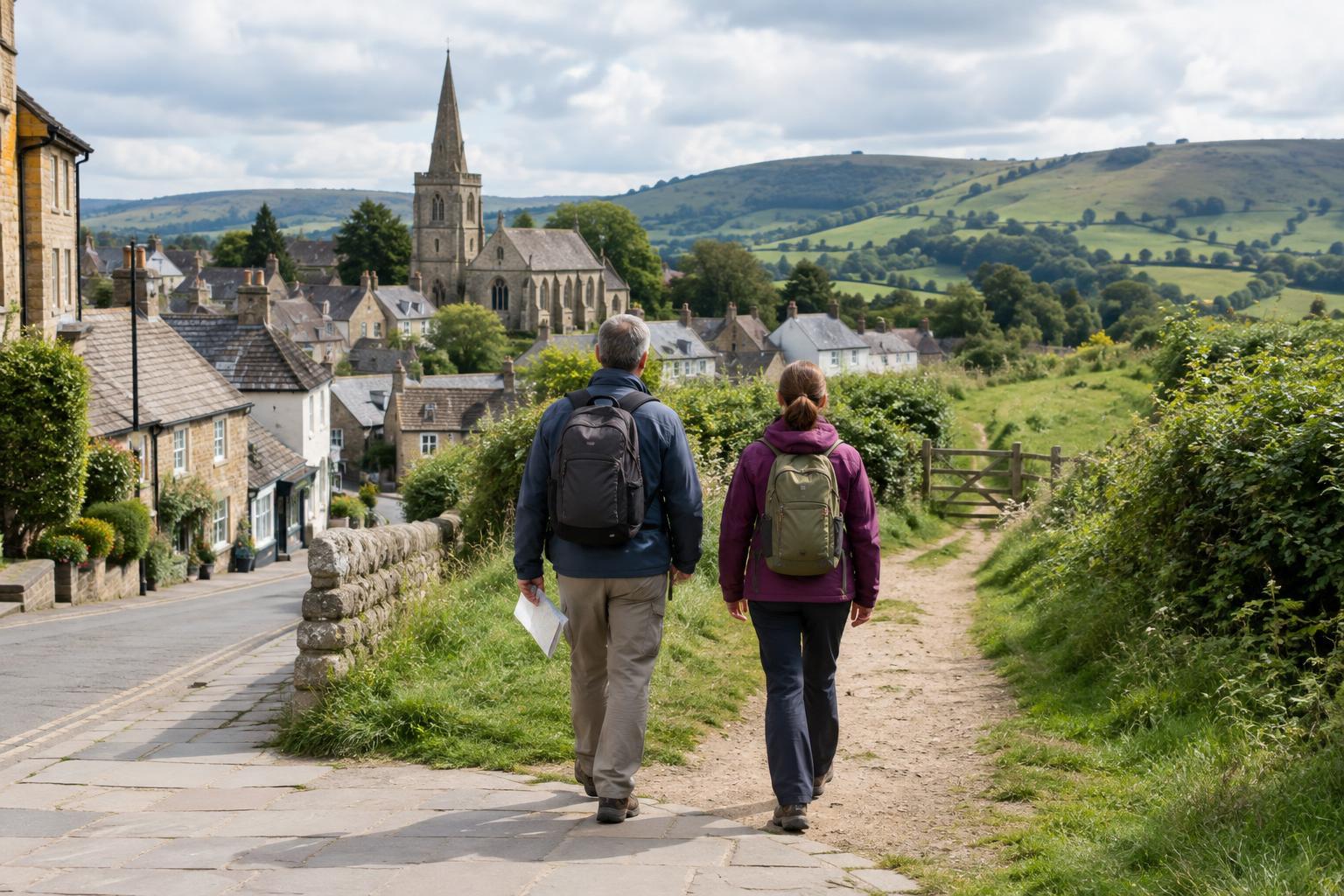
A useful backup has a clear start and finish, not just a path that appears to reconnect with the original trail. Confirm that you can reach its starting point, park or arrive by transport where permitted, and get home from its endpoint. If the backup is a loop, check that the whole loop is accessible. If it is an out-and-back walk, decide in advance where you will turn around.
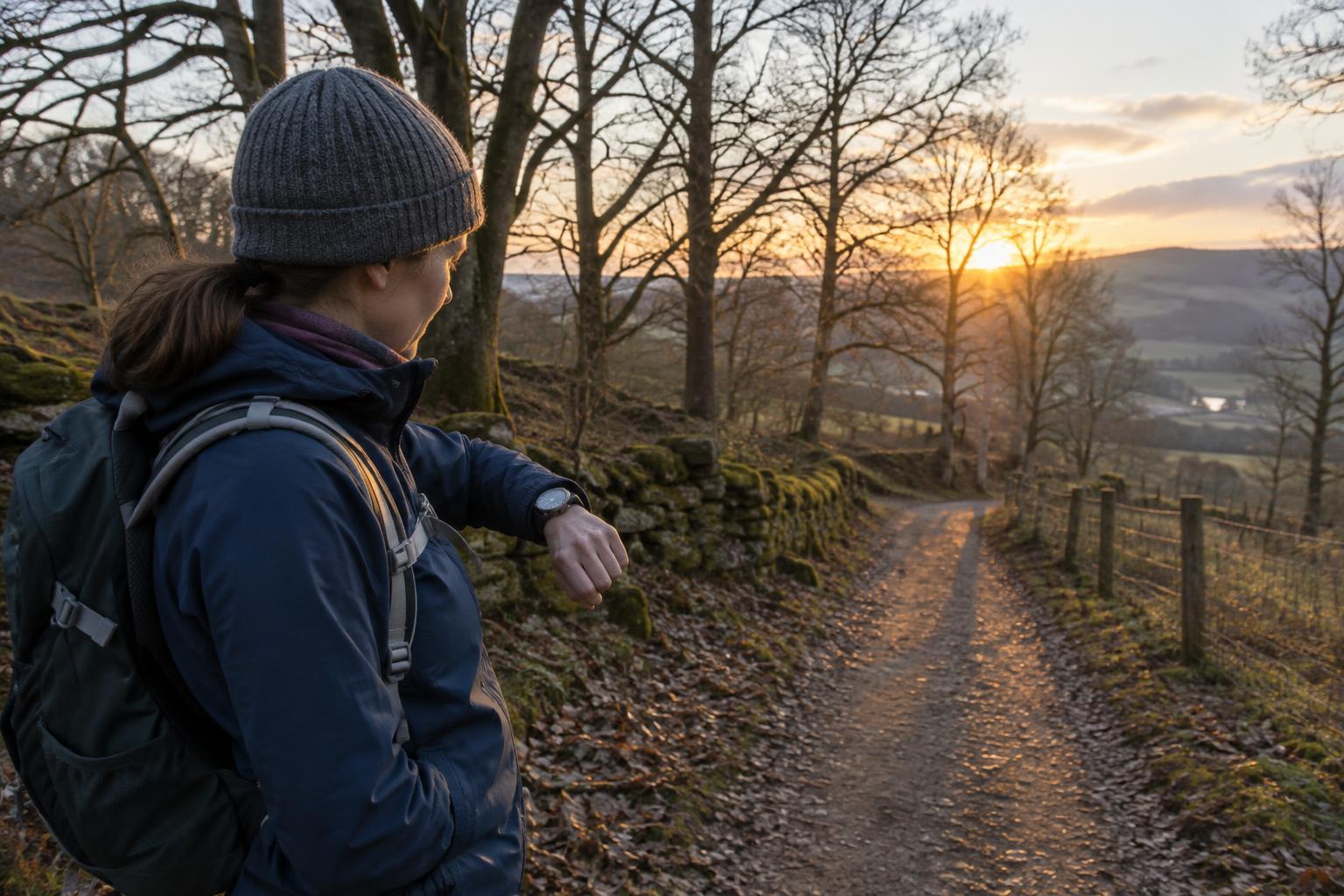
Compare the alternative with your original plan. Distance matters, but so do elevation gain, surface, exposed sections and the number of junctions. A shorter walk over steep or uneven ground may take longer than an easy trail. Allow time for breaks, navigation and the return journey, and keep a margin of daylight rather than planning to finish at the last possible moment.
Choose a route that suits everyone in your group. A closure is a poor reason to take on terrain that exceeds someone’s comfort, footwear or experience. A modest walk with an easy exit is often more enjoyable than a complicated diversion undertaken simply to reach the original destination.
Check that the alternative is legitimate and connected
On a map, paths and tracks can look inviting even when they are not public routes or do not connect on the ground. Check whether the alternative uses permitted trails and crossings. Do not assume that a road, fence line, stream bank or faint track provides a safe or lawful way around a closure. If the only connection depends on crossing restricted land or leaving the established route, choose a different walk.
Respect closure signs even when the blocked section looks passable. Closures can relate to work, damaged infrastructure or hazards that are not obvious from the trail entrance. An official diversion may also differ from the shortest line on a map. Follow posted directions, and do not move barriers or create a new path around them.
Pay particular attention to the points where routes join. Mark each junction you expect to use and identify a recognizable feature beyond it, such as a trailhead, signed crossing or named path. This makes it easier to notice a wrong turn early, before it adds significant distance.
Make the decision at a safe point
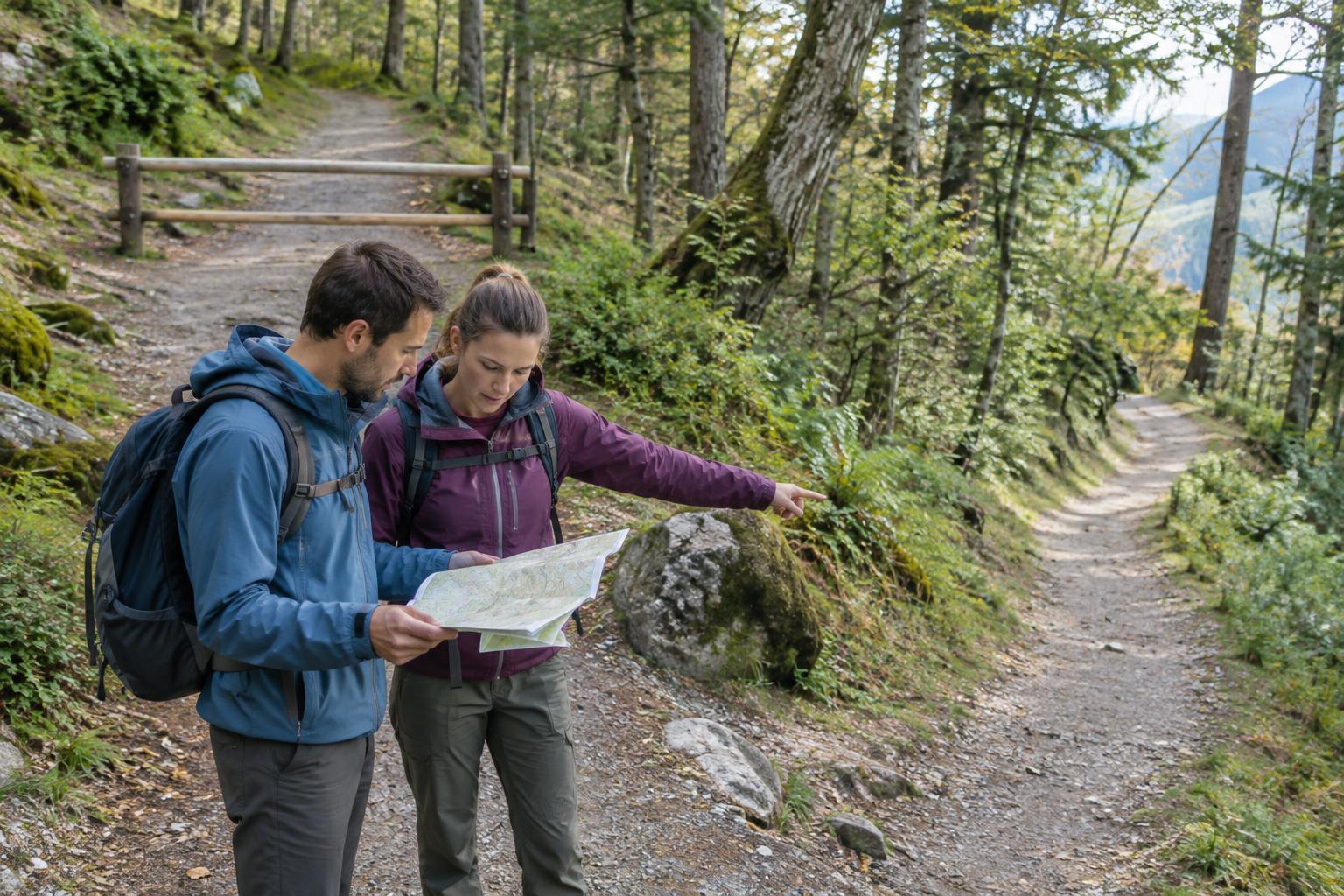
If you discover the closure during the walk, stop somewhere safe and take stock before continuing. Confirm your location, remaining daylight, water and energy. Compare the available options: follow a clearly marked diversion, switch to your prepared alternative or return the way you came. Avoid making the choice while walking or relying on a brief glance at a phone screen.
Set a decision point rather than drifting onward in search of a way through. For example, agree that if the diversion is not clearly signed at the next junction, the group will turn back. If signs and maps disagree, do not guess your way around the closure. Returning to a known route is a sound choice, not a failed trip.
Keep the day flexible
A backup route works best when it is treated as a different walk, not a substitute that must deliver the same distance or view. Carry the essentials you would need for either plan, including suitable layers, water and a charged phone, while recognizing that phone reception and battery life can be limited. If the new route changes your expected return time, update the person you told about your plans when you are able to do so.
After the trip, note which parts of the backup plan were easy to follow and which required guesswork. That small review can make the next day trip simpler. The aim is not to anticipate every closure; it is to have a permitted, manageable choice ready when the original trail is no longer an option.