Dress for airflow, not just the temperature
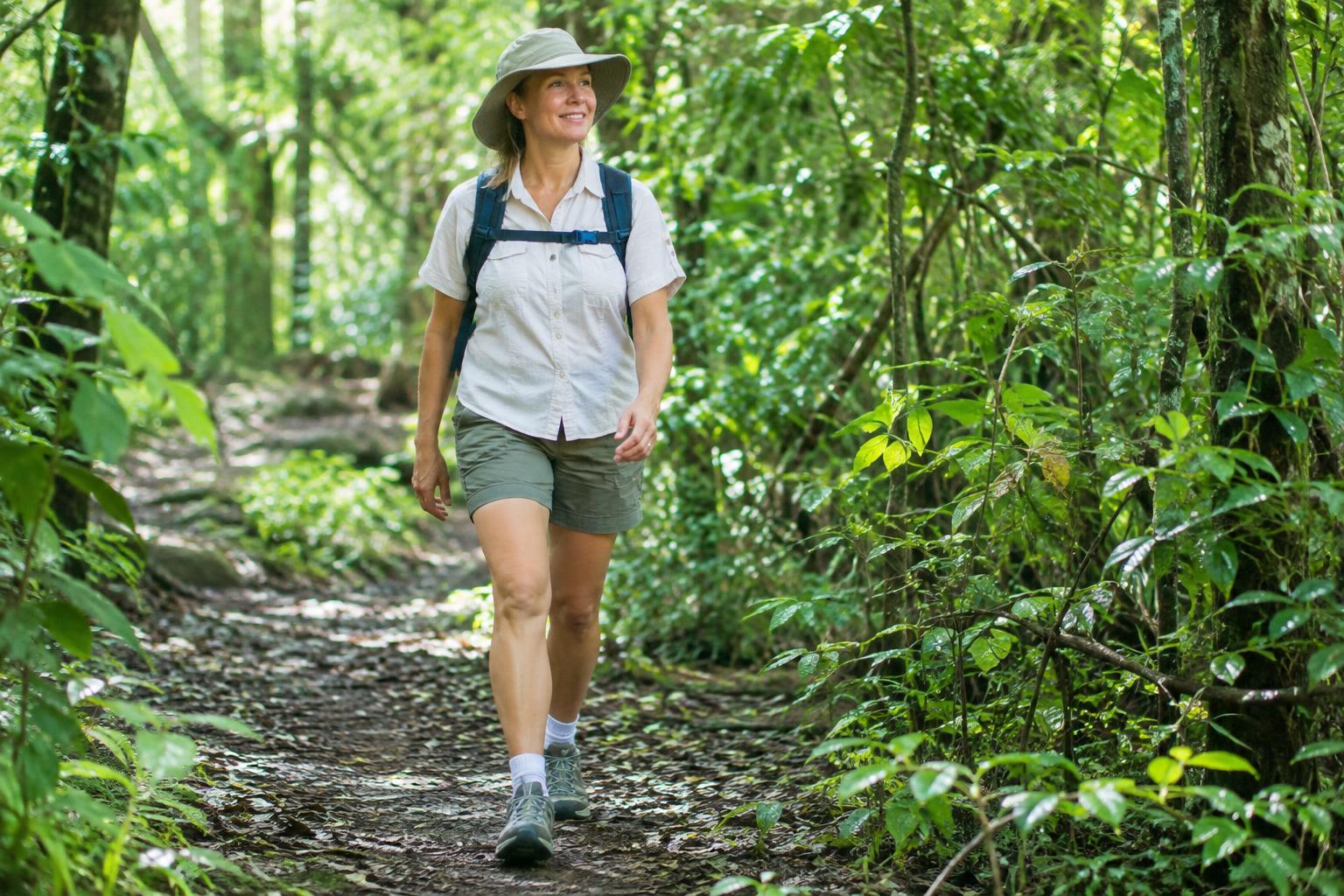
Humidity changes how a warm day feels. When the air is already damp, sweat may evaporate slowly, leaving clothing wet and skin sticky. For a recreational walk, start with lightweight pieces that allow air to circulate and give you room to move. A loose fit can feel cooler than a tight one, especially around the torso and underarms, although fabric and personal preference matter too.
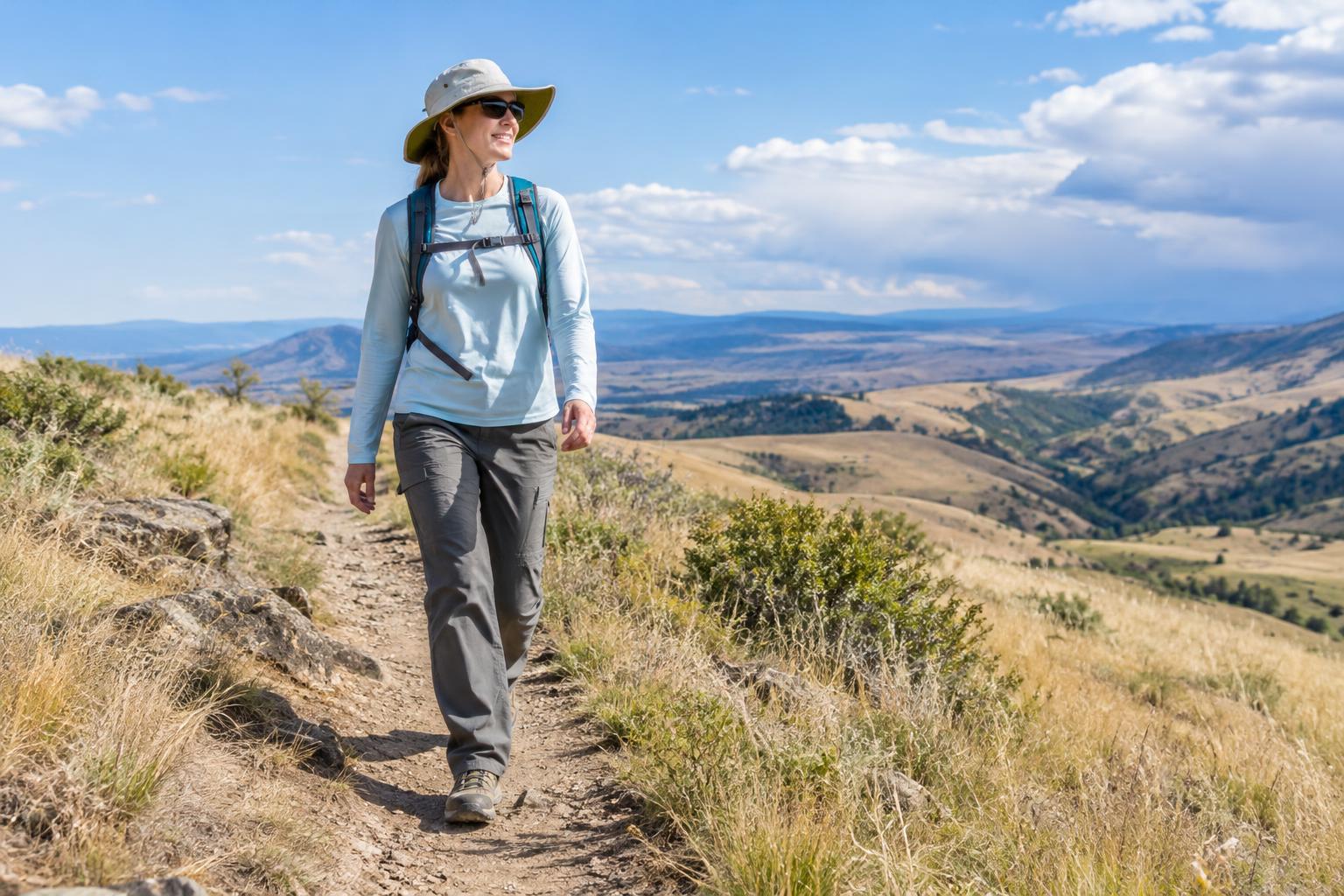
Choose a top with a soft feel, minimal bulky seams, and a shape that does not cling when damp. Short sleeves offer ventilation; a light, loose long-sleeved shirt can provide more coverage from direct sun and brush. If your route moves between open paths and shade, consider which choice you will be comfortable wearing for the entire walk rather than relying on a layer you are unlikely to keep on.
Pick fabrics that suit the walk
Lightweight synthetic fabrics often dry faster than ordinary cotton, making them useful when you expect to sweat or encounter a brief shower. Thin merino or a merino blend may also feel comfortable, though drying time varies by garment. Fabric labels can help, but the weave and weight are just as noticeable in use: hold a garment up to the light, feel its thickness, and check whether it moves freely against your skin.
Cotton can feel pleasant at the start of a walk, but a soaked cotton shirt may stay damp for a while in humid air. That is less appealing if you later step into an air-conditioned café or travel home in wet clothes. You do not need a specialist wardrobe for every outing. If an item you already own is comfortable, dries reasonably well, and does not rub, it may be the right choice for a short, familiar route.
Keep bottoms and waistbands comfortable
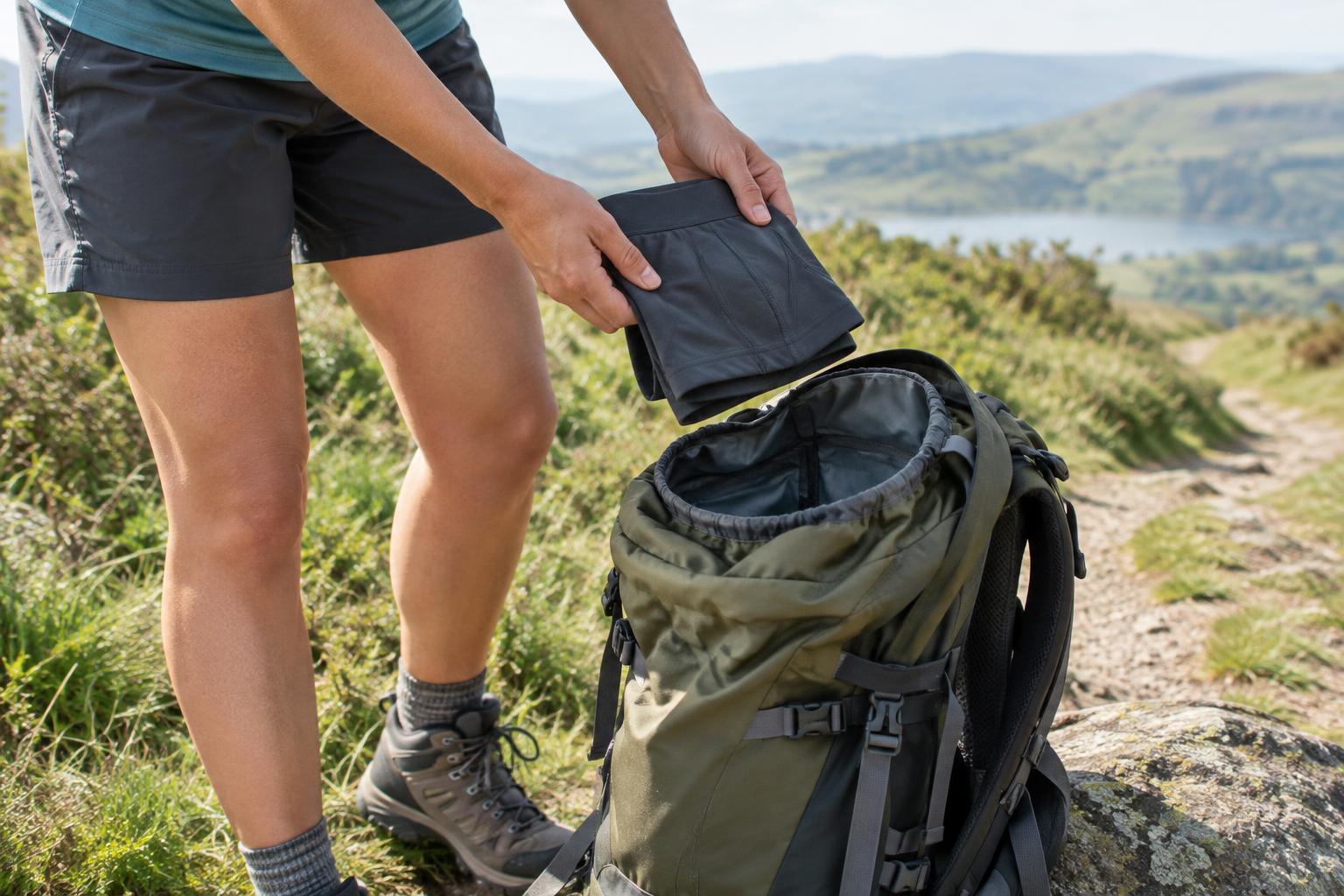
For shorts or trousers, focus on freedom of movement and how the fabric feels after an hour of walking. Lightweight, quick-drying shorts can help keep you cool, while loose trousers provide coverage from sun, plants, and insects. Neither is automatically better: a narrow trail with overgrown edges may call for a different choice from a clear paved path.
Pay attention to contact points. A stiff waistband, thick pocket seam, or damp fabric between the thighs can become irritating over repeated steps. Try walking and climbing a few stairs in your chosen bottoms before a longer outing. If you carry a small pack, check whether its hip belt presses on your waistband or pockets. Emptying bulky pockets can also make clothing feel less restrictive.
Give socks and shoes equal attention
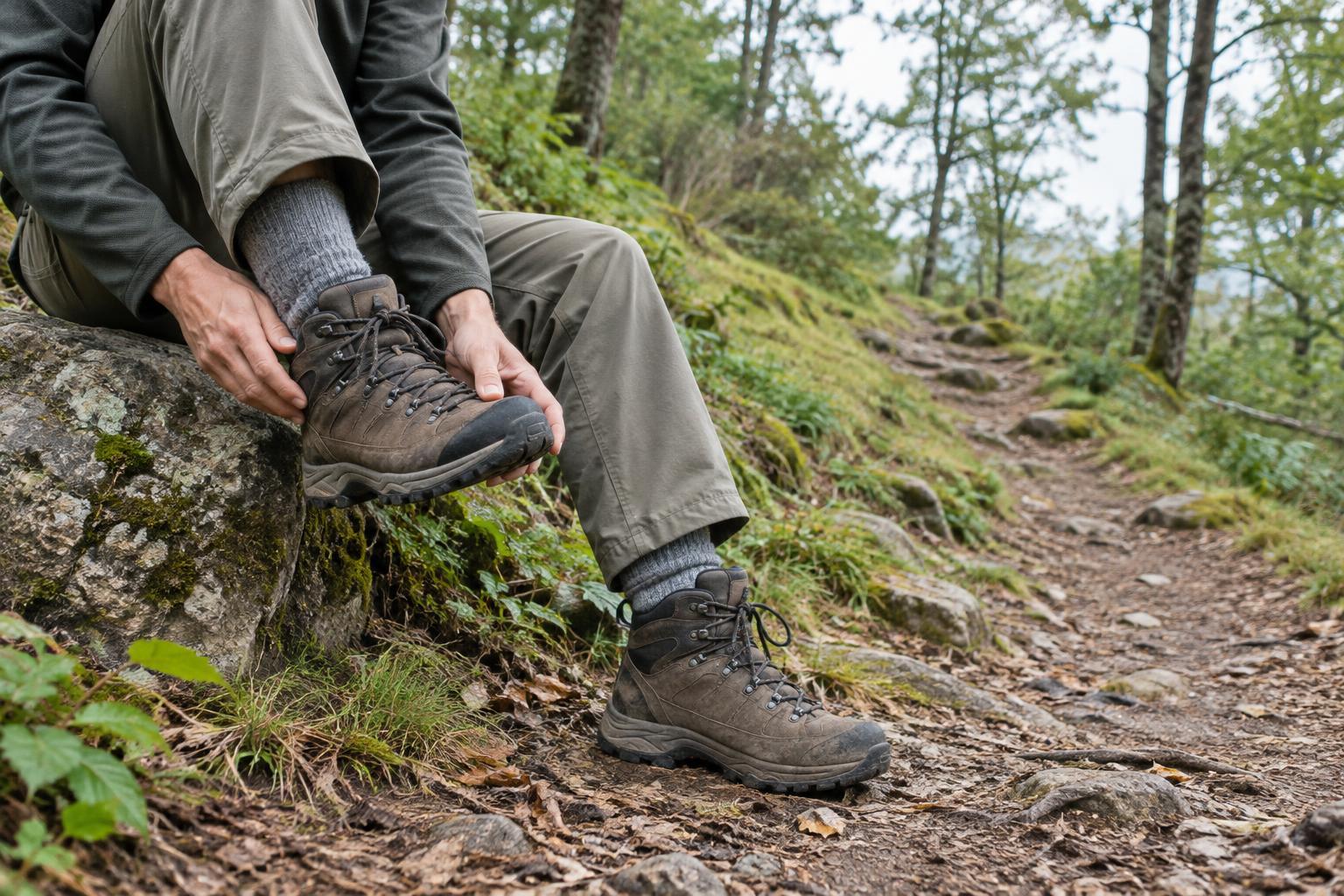
Feet can become hot and damp even when the rest of your outfit feels airy. Choose socks that fit smoothly, without loose fabric bunching at the toes or a cuff that slips into your shoe. Lightweight walking socks made from synthetic fibers or wool blends are common options; the best pair is one that stays comfortable in your footwear. Bringing a dry spare pair can be worthwhile for a longer day out.
Wear shoes suited to the surface and already comfortable on your feet. Very open footwear may feel breezy, but it can expose feet to grit or rubbing on rough paths. Waterproof shoes can be useful in wet ground, yet some walkers find them warmer in humid conditions. Match the shoe to the route rather than assuming that maximum coverage or ventilation is always the answer.
Add sun and rain protection without overheating
A brimmed hat or cap keeps direct sun off your face, while a light-colored, breathable hat may feel more comfortable during an exposed walk. Sunglasses can help with glare. If you choose clothing for sun coverage, consider areas that are easy to miss, such as the back of the neck and the tops of the shoulders. A thin neck covering is versatile, but take it off if it makes you feel too warm.
Check the forecast before leaving and keep any extra layer proportionate to the outing. A compact rain shell is useful when showers are possible, but it may feel stuffy during a humid climb; use its vents if it has them, and remove it when the rain passes. For an easy route, a dry top waiting at the end can be more welcome than another layer carried throughout. The goal is a simple outfit you can adjust as conditions and effort change.