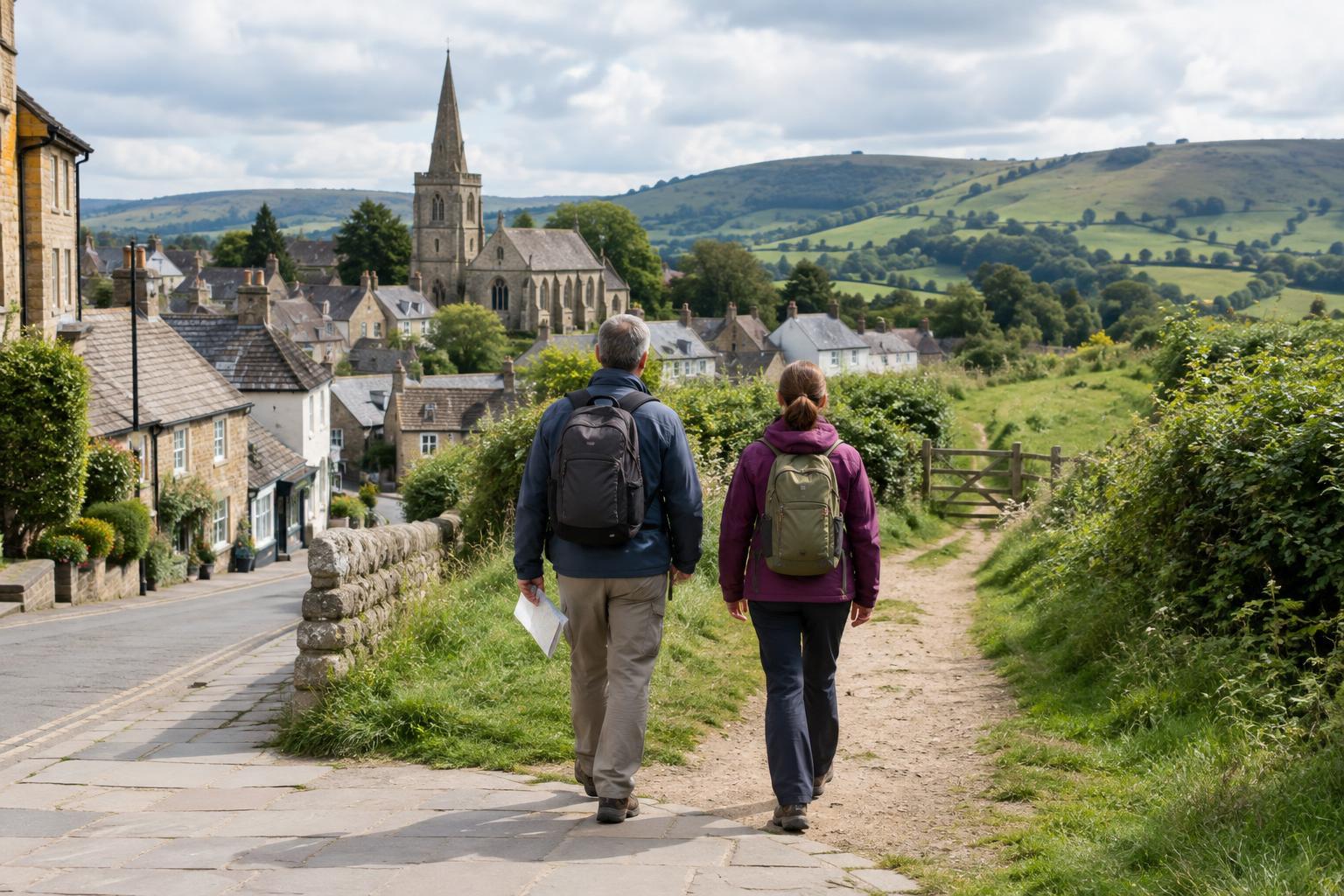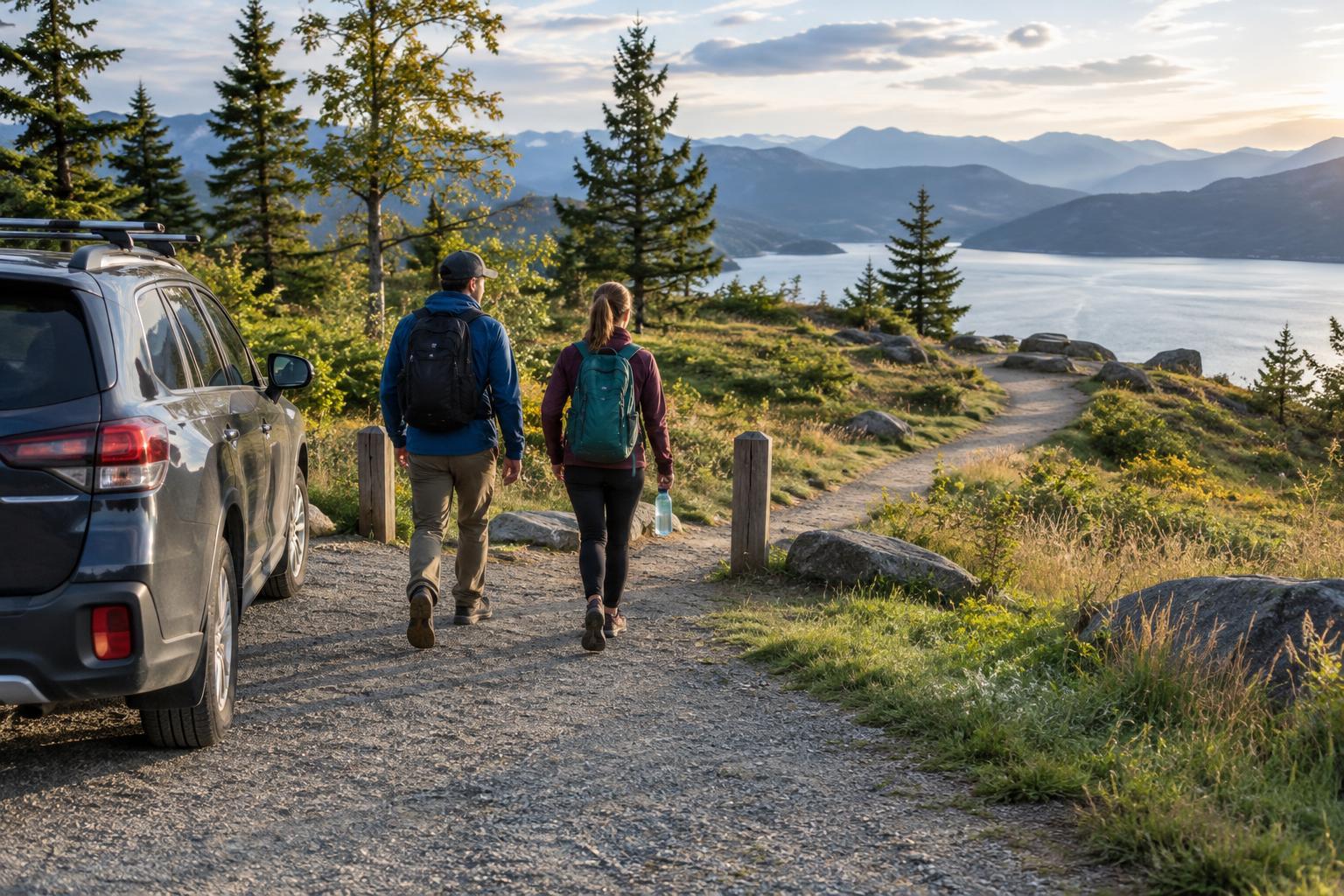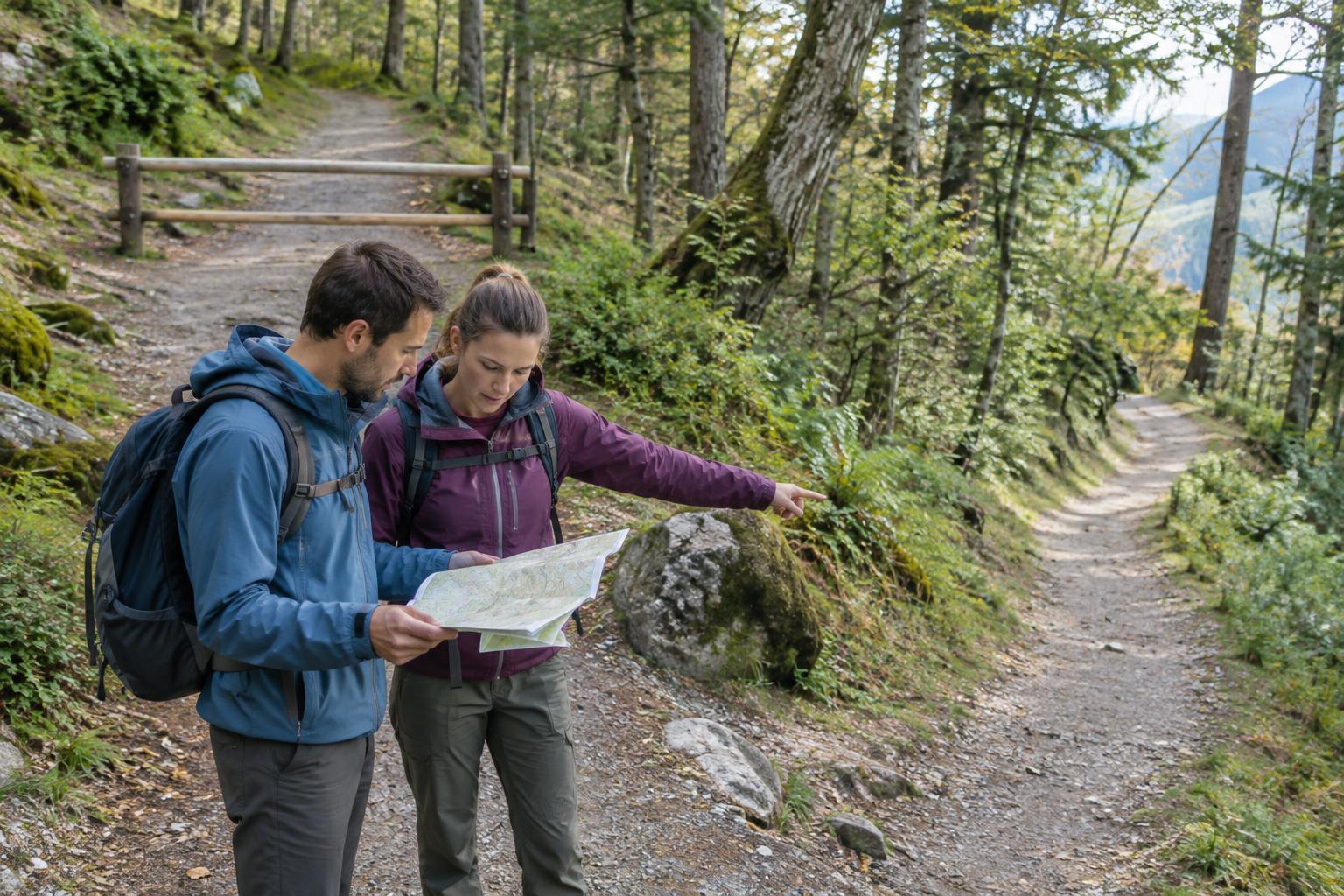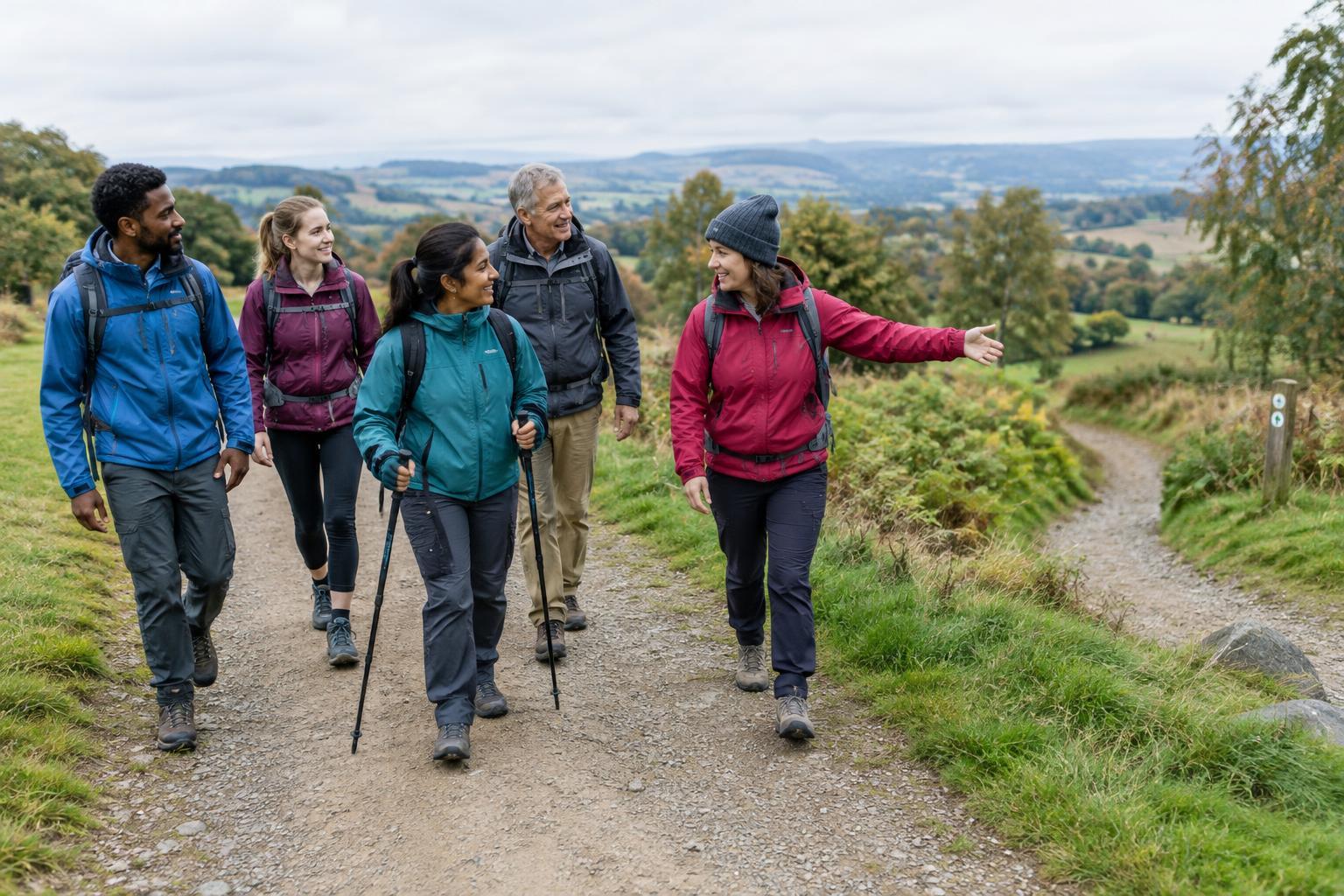
Start with the people, not the route
Before choosing a destination, ask what kind of walk everyone wants. One person may enjoy a steady climb, while another would rather have time to talk, take photographs or stop for a view. Ask about comfortable walking distance, preferred terrain and how long people want to be out, including breaks. Give people an easy way to share concerns privately; nobody should have to explain their fitness level to the whole group.
Agree on the purpose of the outing. Is it a relaxed social walk, a day trip with a viewpoint, or a longer walk that requires sustained effort? A shared expectation prevents the faster walkers from treating a casual outing as a workout and helps quieter members say what they need. If the group has a wide range of preferences, choose a shorter core walk and make any extra distance an optional addition.
Choose a route with room to adjust
Distance alone does not tell you how demanding a walk will feel. Look at climbs, uneven ground, exposed sections and the time needed to get back. A short route with steep steps may be less comfortable for some walkers than a longer, mostly level path. For a mixed group, favor a route that is easy to follow and has natural places to pause without blocking the path.
A loop with a clear shortcut or an out-and-back route can make adjustments simpler. Identify a sensible turnaround point and, where possible, a place to finish early. Check how the group will reach the start and get home, particularly if public transport or shared cars are involved. Let everyone know the planned route, the likely duration and the alternatives before the day, so a shorter walk feels like part of the plan rather than a failure.
Set a pace that keeps the group together
A group pace is not the speed of its quickest member. Begin gently and allow time for people to settle into a rhythm. Brief pauses at junctions, viewpoints or the top of a climb work better than waiting until people are already tired. When the path narrows, let walkers spread out safely, then regroup at an agreed spot rather than asking everyone to walk in a tight cluster.
Make the pace a shared responsibility. Faster walkers can enjoy the surroundings, take photographs or help watch for turns without repeatedly pushing ahead. Check in with the group using open questions such as whether the pace and next section still feel comfortable. If people give different answers, use a planned shortcut or break rather than hoping the gap will resolve itself.
Prepare for comfort and small delays
Send a simple note ahead of time with the meeting point, route surface, expected conditions and what to bring. Comfortable footwear suited to the ground, a layer for changing weather, water and a snack are useful starting points. A longer or more remote walk may call for more preparation. Encourage each person to carry what they need rather than relying on one group bag that could end up far ahead.
Build a little spare time into the schedule. Stops for a drink, clothing adjustments or a wrong turn are easier to handle when nobody is racing a deadline. If the forecast or route conditions make the original plan less appealing, choose a simpler alternative or postpone. A successful group walk is one that people can enjoy, not one that must be completed exactly as imagined.
Make changes easy to discuss
Before setting off, agree on where to regroup and what to do if someone wants to turn back. On the walk, pay attention to the group as well as the map: conversation may fade on a climb, or a previously comfortable pace may start to feel rushed. Offer choices without singling anyone out. “Shall we take the shorter loop?” is easier to answer than asking one person whether they can continue.
At the finish, allow time for everyone to arrive before the group disperses. A quick conversation about what worked can make the next outing easier to plan. The aim is not to find one route that challenges everyone equally; it is to create a walk with enough flexibility that different people can share the day.