Know what a marker can—and cannot—tell you
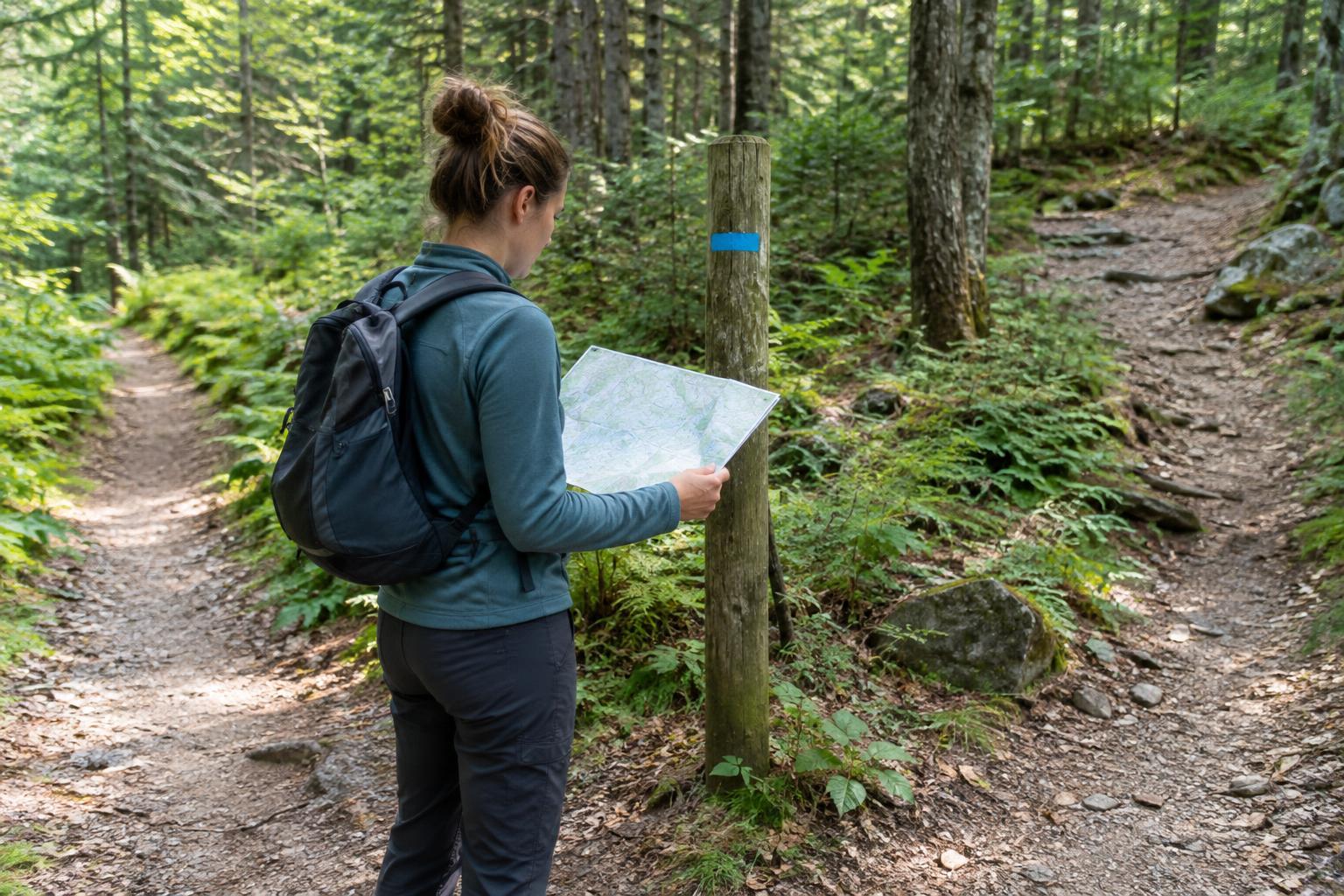
Trail markers may appear as painted blazes, colored symbols, numbered posts, arrows, or signs naming a destination. Their design varies by place and by the organization maintaining the route. Before setting out, check any available trail information for the marking system used on your walk. Note your route name, intended direction, major junctions, and the place where you plan to finish.
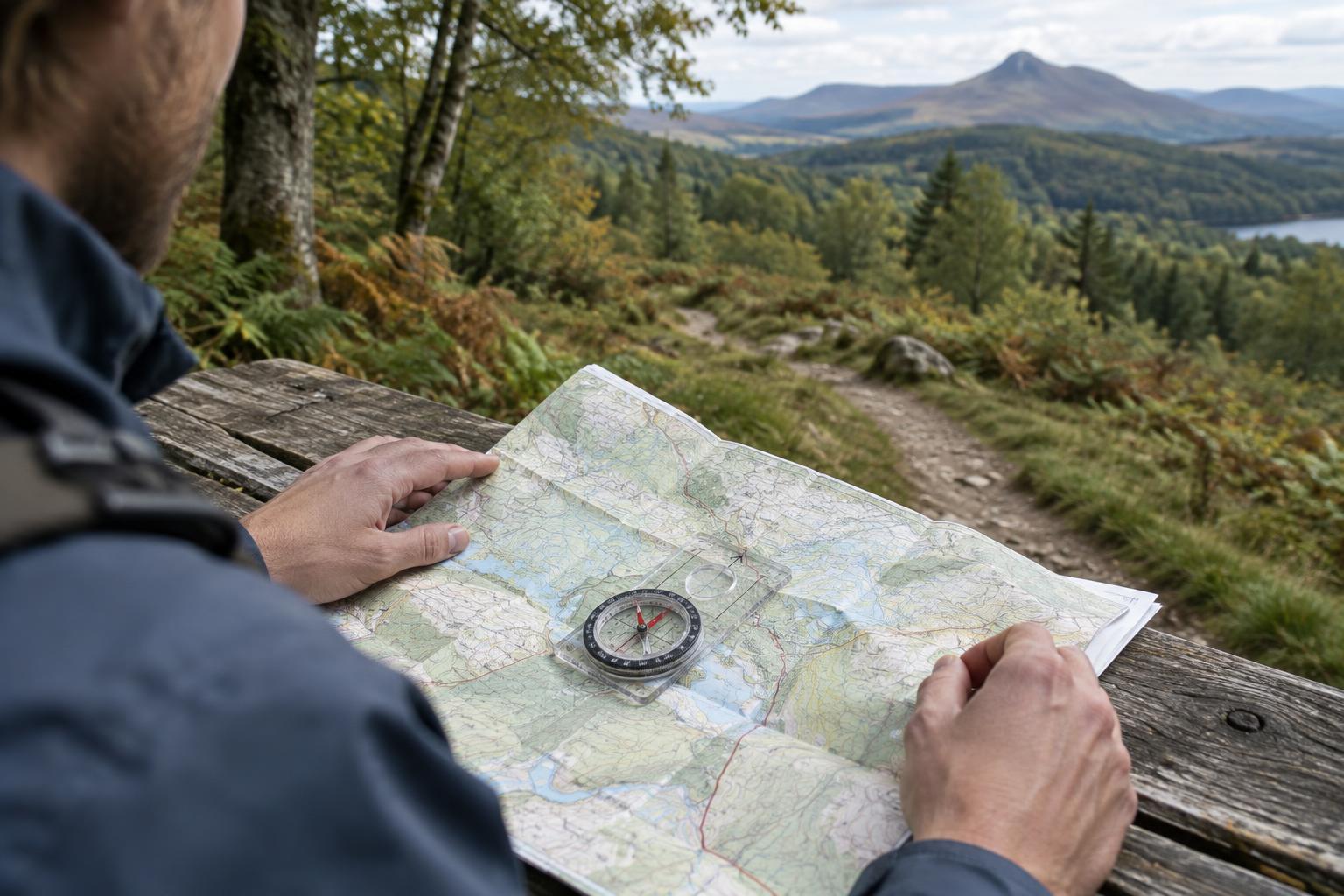
A marker is a clue that you are on or near a route, not a substitute for knowing where it goes. Several trails can share a path before separating, and a visible marker may belong to a different trail. Signs can also be damaged, hidden by vegetation, or difficult to see from one direction. Carry a suitable map, whether on paper or saved for offline use, and compare markers with the path and landscape as you travel.
Slow down before you reach a junction
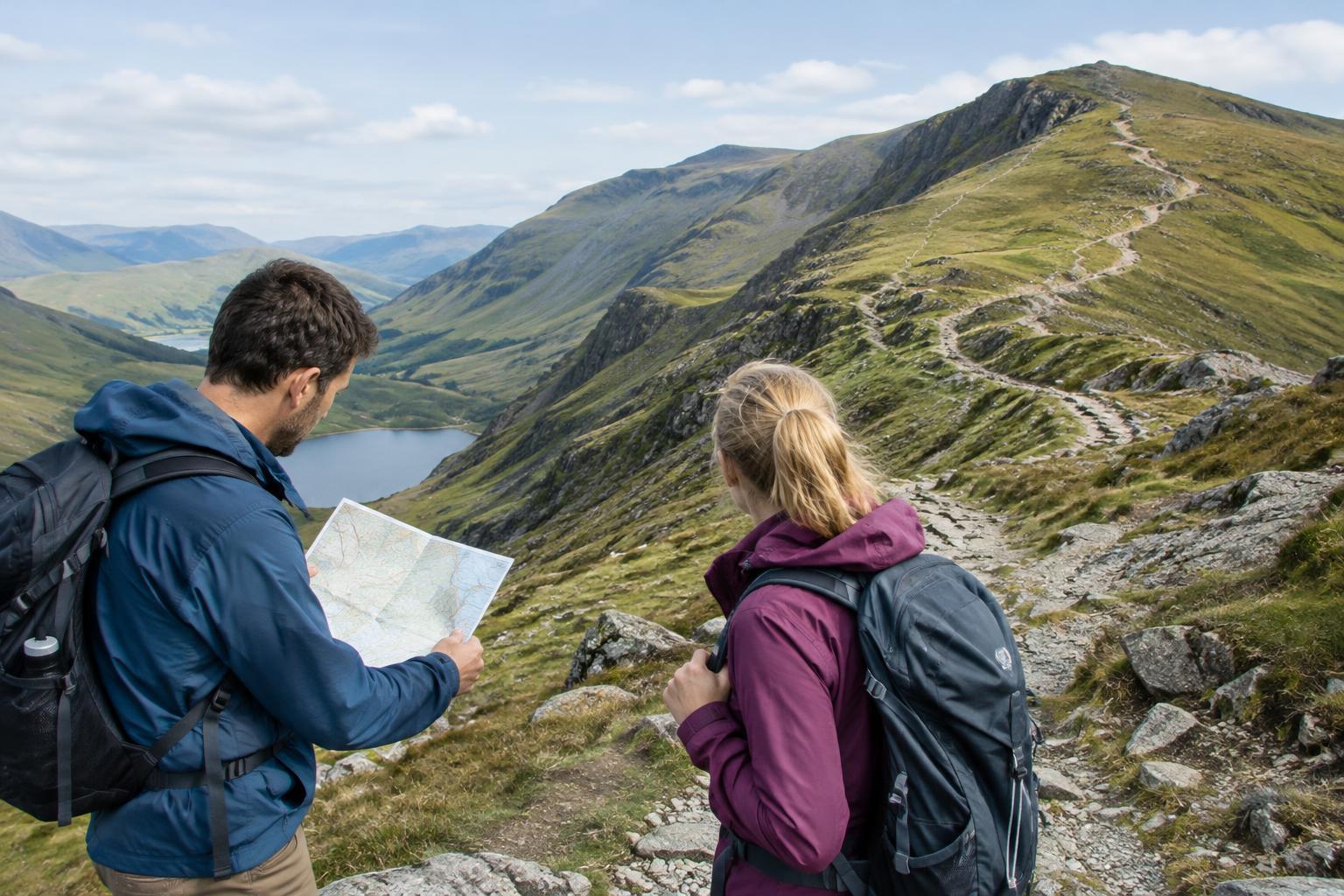
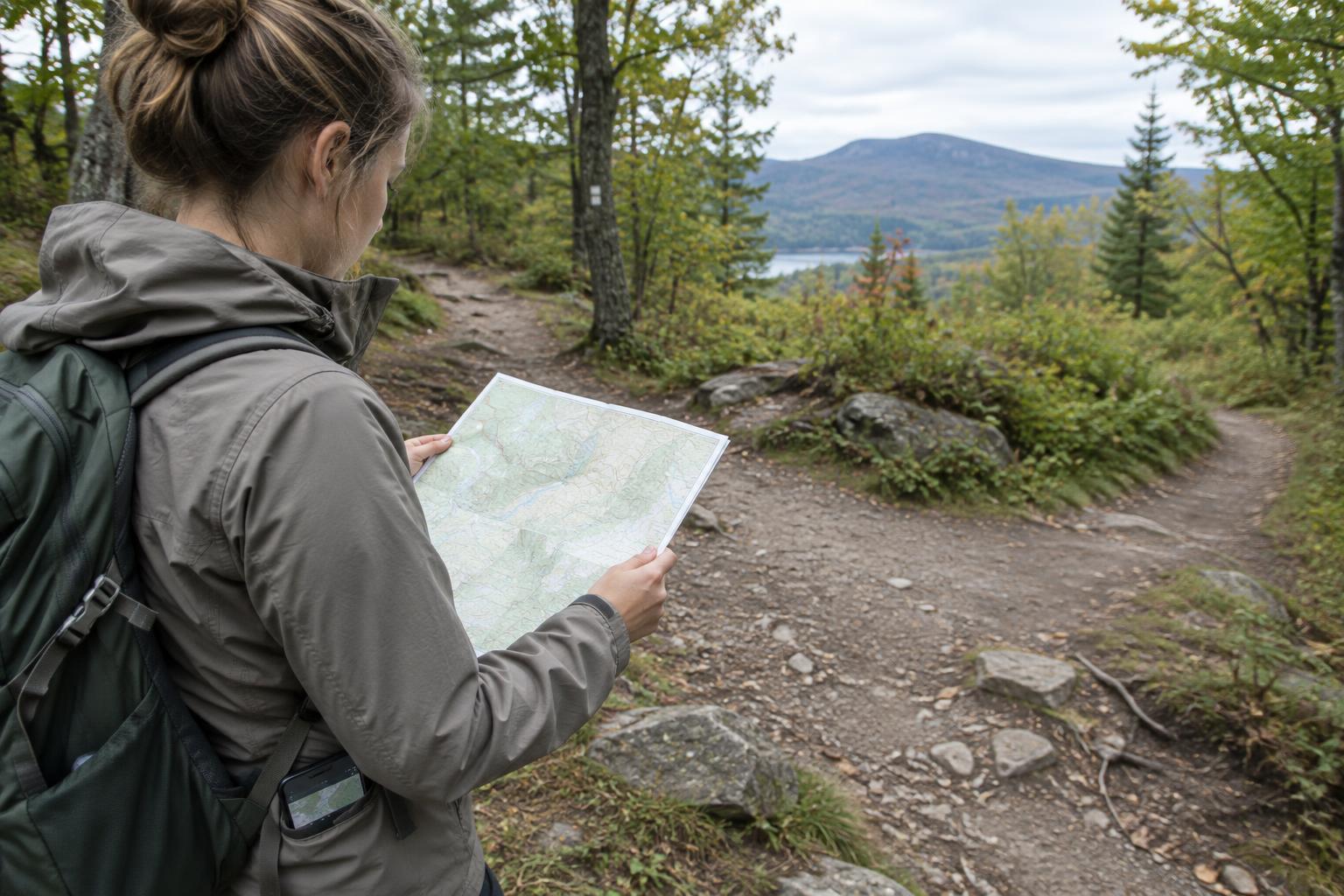
When you see paths meeting ahead, pause before walking through the junction. Locate yourself on your map using the trail you have just traveled, any nearby features, and the approximate distance since your last confirmed point. Then look at the shape of the junction: is it a fork, a crossroads, or a side path leaving a wider track? Check whether the paths and their directions match what the map shows.
Read every sign or marker you can safely see from the junction rather than choosing the most obvious-looking path. An arrow may point toward a destination you recognize, while another sign may identify a longer or different route to the same place. If your planned trail has a name or color, follow that identifier where possible. Do not assume the broadest or most worn path is correct; its popularity may have little to do with your itinerary.
Confirm the turn after you make it
Once you choose a path, look for a confirming marker a short way beyond the junction. Some marking systems place a turn indicator before a change in direction and a regular marker afterward. Others use signs only at intersections. Whatever the local convention, the useful question is the same: does the path you have taken continue in the direction your map predicts?
Check more than one clue. The trail may begin to climb, follow a stream, cross a bridge, or run along a ridge; these features can help confirm your position when they appear on the map. Keep in mind that small bends and minor unmarked paths may not be shown. If the next clear feature or expected marker never appears, stop and reassess rather than continuing in the hope that the route will become obvious.
Use a repeatable route-checking habit
A brief check at each significant junction is easier than solving a navigation puzzle after several uncertain turns. Before leaving a confirmed point, note the next feature you expect to encounter and roughly how far away it is. As you walk, compare that expectation with what you see. At the next junction, repeat the process: locate yourself, identify the intended path, take it, and confirm it beyond the turn.
Also glance back after a turn. A junction can look surprisingly different on the return journey, especially where a narrow trail joins a track at an angle. Notice a distinctive tree, signpost, bridge, or other durable feature without relying on it alone. If you are walking with others, make sure everyone understands the chosen direction before moving on; a quick shared check helps prevent the group from following different paths.
Respond early when the route is unclear
If the markers disappear or the terrain no longer matches your plan, stop at a safe spot. Check your map and any location tools you brought, remembering that a phone may have limited battery or an imprecise position. Consider your last place of certainty: a signed junction, bridge, or other clear feature. If you cannot confidently identify a way forward, retracing your steps to that point is often simpler than exploring unfamiliar side paths.
Avoid cutting across vegetation to reach a trail you think is nearby; the ground between paths may be difficult to cross, and shortcuts can cause damage. If conditions, daylight, or your energy level make the planned walk doubtful, choose a safer option while you still have a clear route back. Following markers well is less about spotting every symbol than about making small, regular checks and being willing to change your plan when the evidence does not fit.