Plan for the places ticks may be
Ticks can be present along grassy paths, in brush and leaf litter, and where vegetation brushes against walkers. You do not need to avoid every green space to take sensible precautions. Before setting out, think about whether your route includes overgrown sections and choose clothing that gives you some coverage.
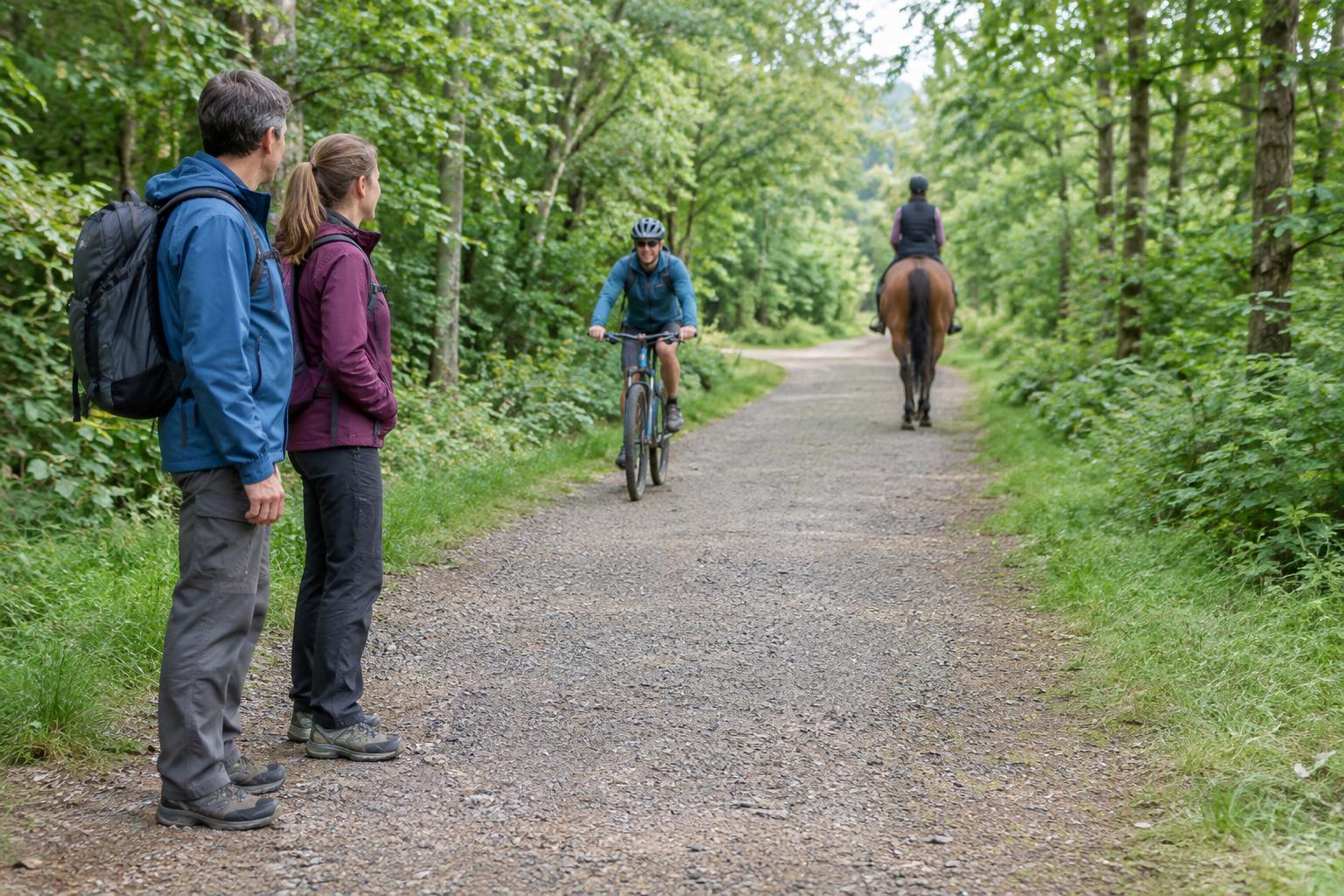
Where a path is clear, walk near its center rather than pushing through plants at the edges. If you stop for a break, choose a clear spot instead of sitting directly in tall grass or leaf litter. These choices will not eliminate the possibility of a tick encounter, but they can reduce contact with the places ticks may be waiting.
Dress and use repellent with care
Long trousers, a long-sleeved top, socks and closed shoes create a useful barrier, especially on brushy routes. Tucking trousers into socks can help keep ticks on the outside of your clothing, where they are easier to spot. Light-colored fabric may also make a crawling tick more visible. Choose comfortable layers so you are less tempted to remove them halfway through the walk.
An appropriate insect repellent can add protection. Follow the product label for where and how to apply it, when to reapply it, and any precautions for children. Some clothing and gear can be treated with permethrin, but products intended for fabric must not be applied to skin. Follow the treatment instructions and let items dry as directed before wearing them. Clothing and repellent work best as parts of a routine, not as substitutes for a check afterward.
Make the return home part of the walk
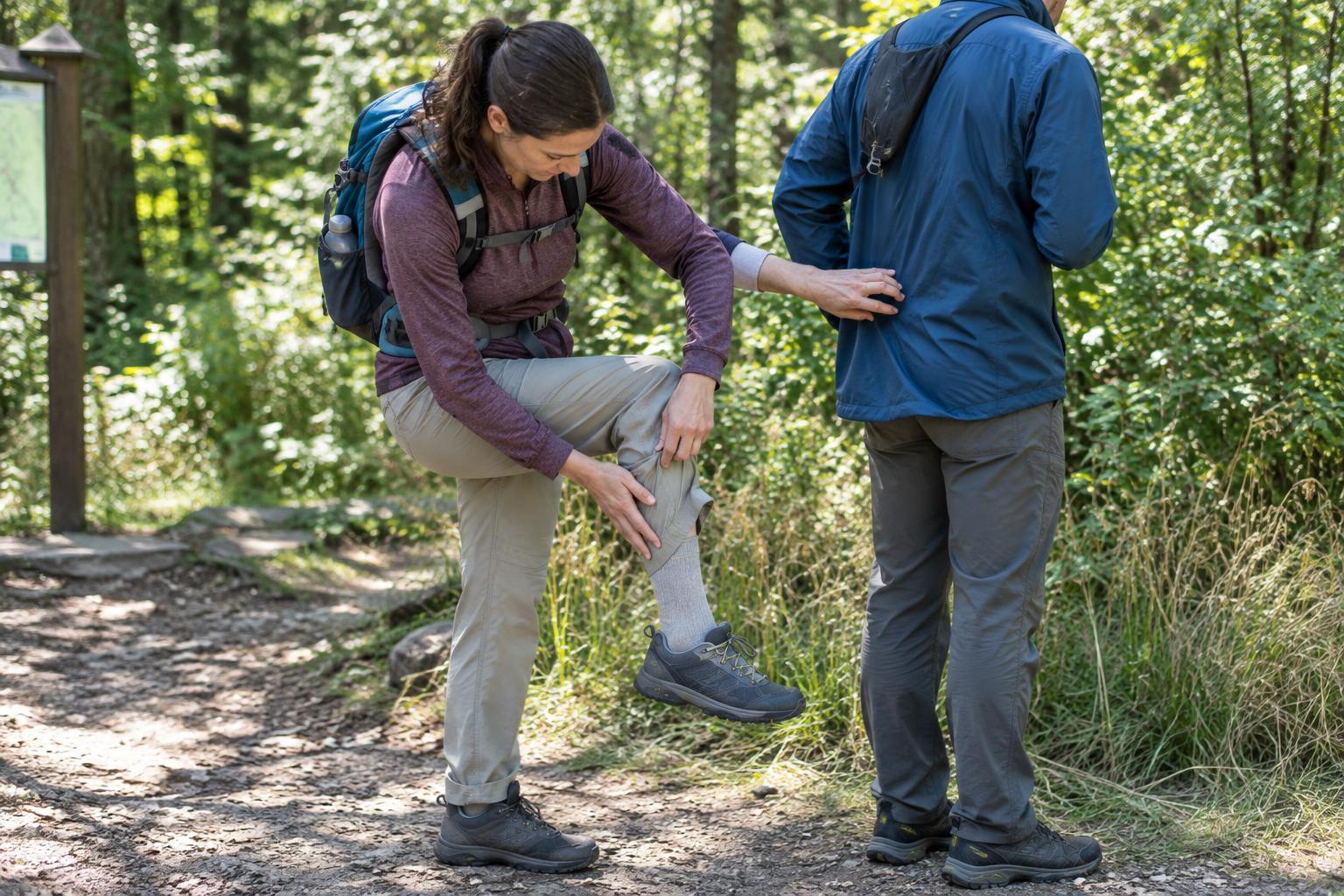
Before getting into a car or entering your home, take a moment to look over your trousers, socks, shoes and pack. Ticks can travel on clothing or gear before reaching skin. Check any walking companions, and check pets that accompanied you, using a method appropriate for them. Put used walking clothes aside rather than leaving them on a bed or sofa.
Once home, change clothes and inspect what you wore, including seams and cuffs. Follow garment care labels when laundering or drying outdoor clothes. A shower soon after a walk offers a convenient opportunity to wash off and do a careful skin check, though showering alone does not replace looking. Keep a mirror handy, or ask someone you trust to help with areas you cannot see.
Check your skin from head to toe
Work in a consistent order so you are less likely to miss a spot. Start at your feet and legs, including behind your knees, then check your waistline, belly button, groin and underarms. Look around your ears, along your hairline and through your scalp. Check beneath clothing edges and anywhere skin folds or hair make a small tick difficult to notice.
Ticks may be very small, and an attached tick may not be painful. Look closely at unfamiliar specks rather than assuming they are dirt. If you walk in tick habitat regularly, making this check a normal part of getting home is easier than trying to remember it only after a particularly overgrown route.
If you find an attached tick
Remove it promptly with fine-tipped tweezers. Grasp the tick as close to the skin as you can and pull upward with steady, even pressure. Avoid squeezing its body or using heat, oils or other substances to make it detach. After removal, clean the bite area and your hands, and note when and where you may have picked up the tick.
Finding a tick does not mean you will become ill. Risk varies by location and circumstances, so contact a healthcare professional if you have concerns about a bite or develop symptoms such as a rash or fever afterward. They can advise you on whether any further steps are appropriate. For most walkers, the useful habit is straightforward: limit contact with brush, check thoroughly when you get home, and act promptly if you find a tick.