Notice the warning signs
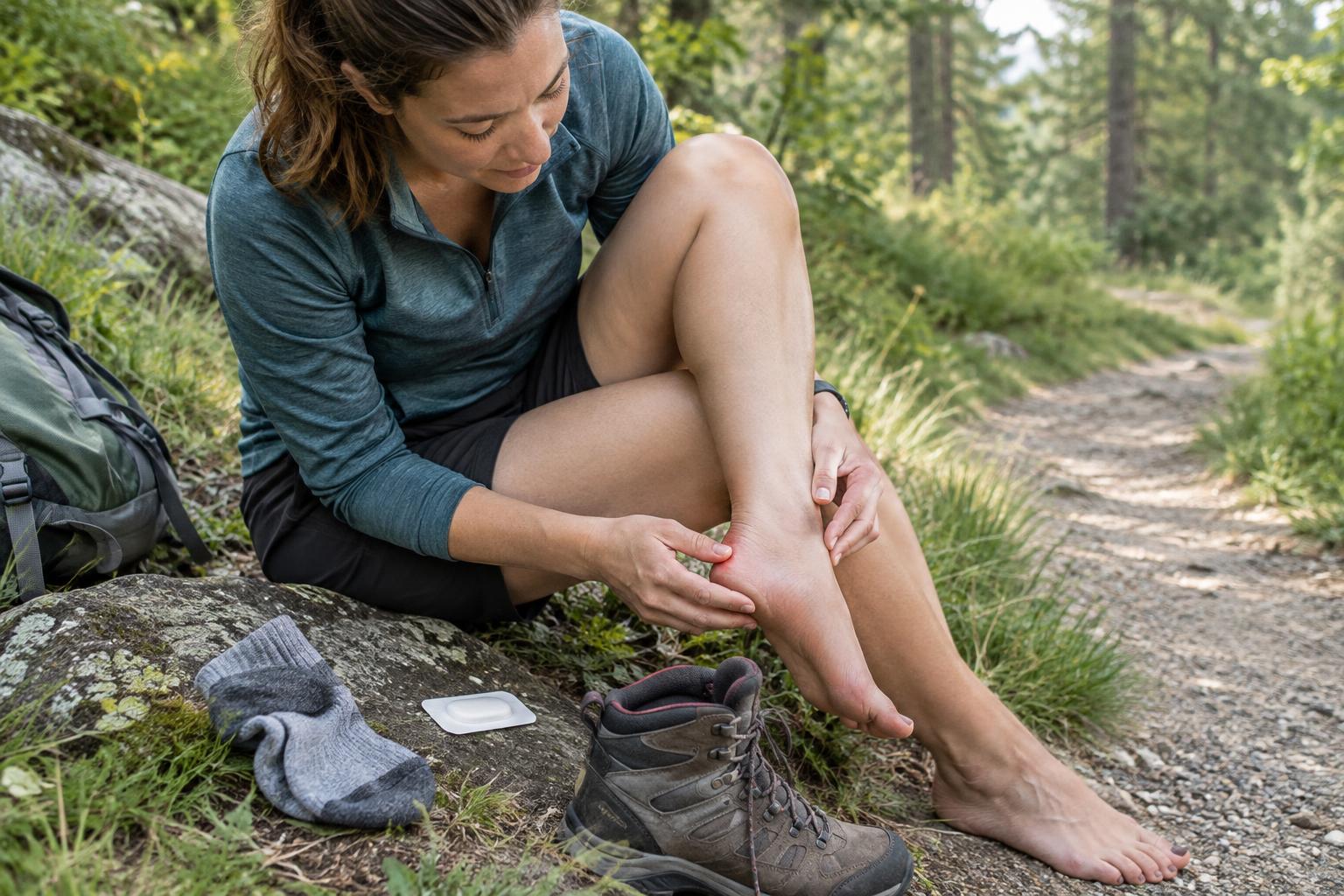
A blister often starts as a “hot spot”: one small area that feels warm, tender or as though your sock is rubbing the same place with every step. The skin may look red before a fluid-filled pocket appears. Common trouble spots include the heels, toes and sides of the feet, particularly where a shoe presses or the foot slides inside it.
Stop as soon as you notice persistent rubbing. Waiting until the next planned break can turn a manageable hot spot into a painful blister. Take off the shoe and sock, then check both the sore area and the footwear. A sock seam, grit in the shoe, a damp sock or a fold in the insole may point to a simple fix.
Reduce friction before the skin breaks
If the skin is still intact, gently dry the area and remove anything causing the rub. Smooth or change your sock, shake debris from your shoe and adjust the laces so your foot feels secure without being squeezed. If your feet are wet, changing into dry socks may help. Give the skin a few minutes to air out while you make these adjustments.
Cover the hot spot with a blister plaster or suitable protective tape, following the product directions. Apply it to clean, dry skin so it stays in place, and smooth the edges to avoid creating a new point of friction. If the area already protrudes, padding around it rather than directly on top may help take pressure off. Walk a short distance, then stop to check whether the change has actually made the spot more comfortable.
Protect an intact blister
A raised blister has a thin layer of skin over the fluid beneath it. If that covering is intact, try to leave it intact. Clean and dry the surrounding skin, then use a blister dressing or cushioning pad that fits without pulling tightly. Follow the dressing’s instructions, especially for when to replace it. Avoid placing a bulky pad where it makes your shoe fit more tightly.
Do not deliberately burst a small blister simply to keep walking. Opening it exposes tender skin and makes cleanliness more important. If a blister is large, very painful or in a place you cannot protect from pressure, consider ending the walk and seeking advice from a healthcare professional rather than trying to manage it on the move.
Care for a blister that has opened
If the blister opens on its own, wash your hands before touching it. Gently rinse the area with clean water and mild soap, then pat it dry. Do not pull away the loose skin covering the blister; if it remains attached, it can help protect the tender area underneath. Cover the spot with a clean, nonstick dressing and change it if it becomes wet or dirty.
Keeping the area clean and reducing pressure matter more than pushing on at your usual pace. Adjust your footwear so the dressing is not being rubbed off, and reassess after a few minutes of walking. If you cannot keep the area protected, shortening the route may be the more comfortable choice. Avoid harsh cleaning products on the open skin, as they may irritate it.
Know when to get help and prepare for next time
Seek medical advice if redness spreads, the area becomes increasingly warm or swollen, pain worsens, pus appears, or you feel unwell. Get advice sooner if you have diabetes, poor circulation or a condition that affects healing. These signs and circumstances deserve more attention than a routine friction blister.
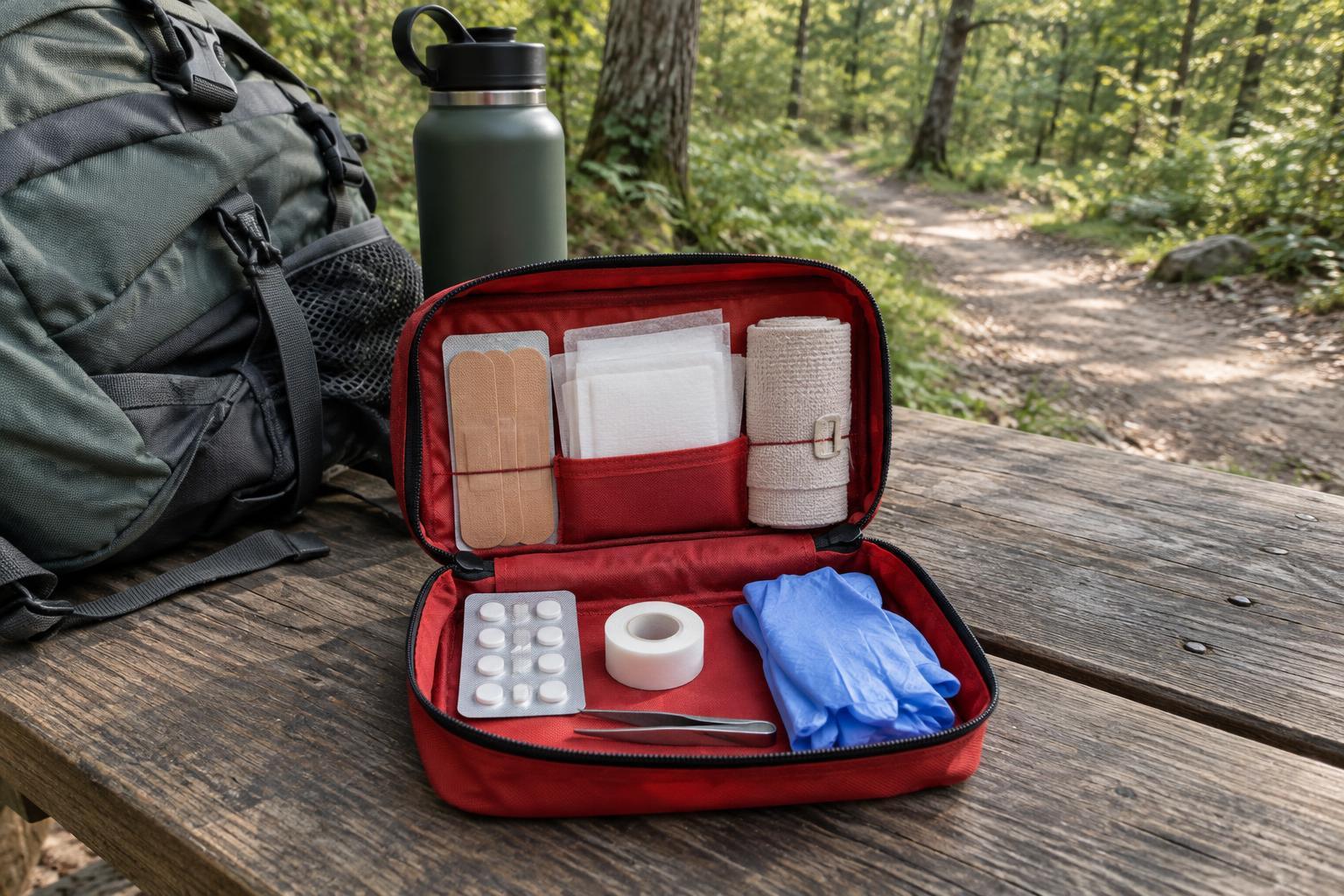
For future walks, pack a few blister dressings, a nonstick dressing and spare socks where you can reach them without unpacking everything. Before a longer outing, check that your shoes leave room for your toes while holding your heel comfortably, and wear socks that sit smoothly without bunching. The most useful habit is simple: treat a hot spot as a reason to stop and adjust, not as discomfort you have to walk through.