Why an ordinary walk can become too hot
A day trip does not have to feel strenuous for heat to become a problem. Warm air, direct sun, humidity, steep ground and a brisk pace can make it harder for the body to shed heat. Carrying a pack or wearing clothing that traps warmth adds to the effort. Heat can also build gradually, so a walker may feel fine at the trailhead and unwell later.
Heat exhaustion is a warning that the body is struggling with heat. It deserves a prompt response, even if the person hopes to finish the route. The safest decision is to stop, cool down and reassess rather than push toward the next viewpoint or the car. This guide offers general first-aid information, not a way to diagnose an illness.
Recognize the warning signs
Possible signs of heat exhaustion include heavy sweating, unusual tiredness or weakness, dizziness, headache, nausea and muscle cramps. A person may look pale or feel clammy, complain that the heat is overwhelming, or find their usual walking pace suddenly difficult. Thirst is common, but its absence does not rule out a heat-related problem.
Pay attention to changes in behavior as well as physical complaints. Someone who repeatedly needs to stop, struggles with simple decisions or cannot keep up may need help before they can clearly explain what is wrong. Other conditions can cause similar symptoms, so do not assume heat is the only possible explanation. If you are unsure how serious the situation is, seek medical help.
Stop, cool down and help them drink safely
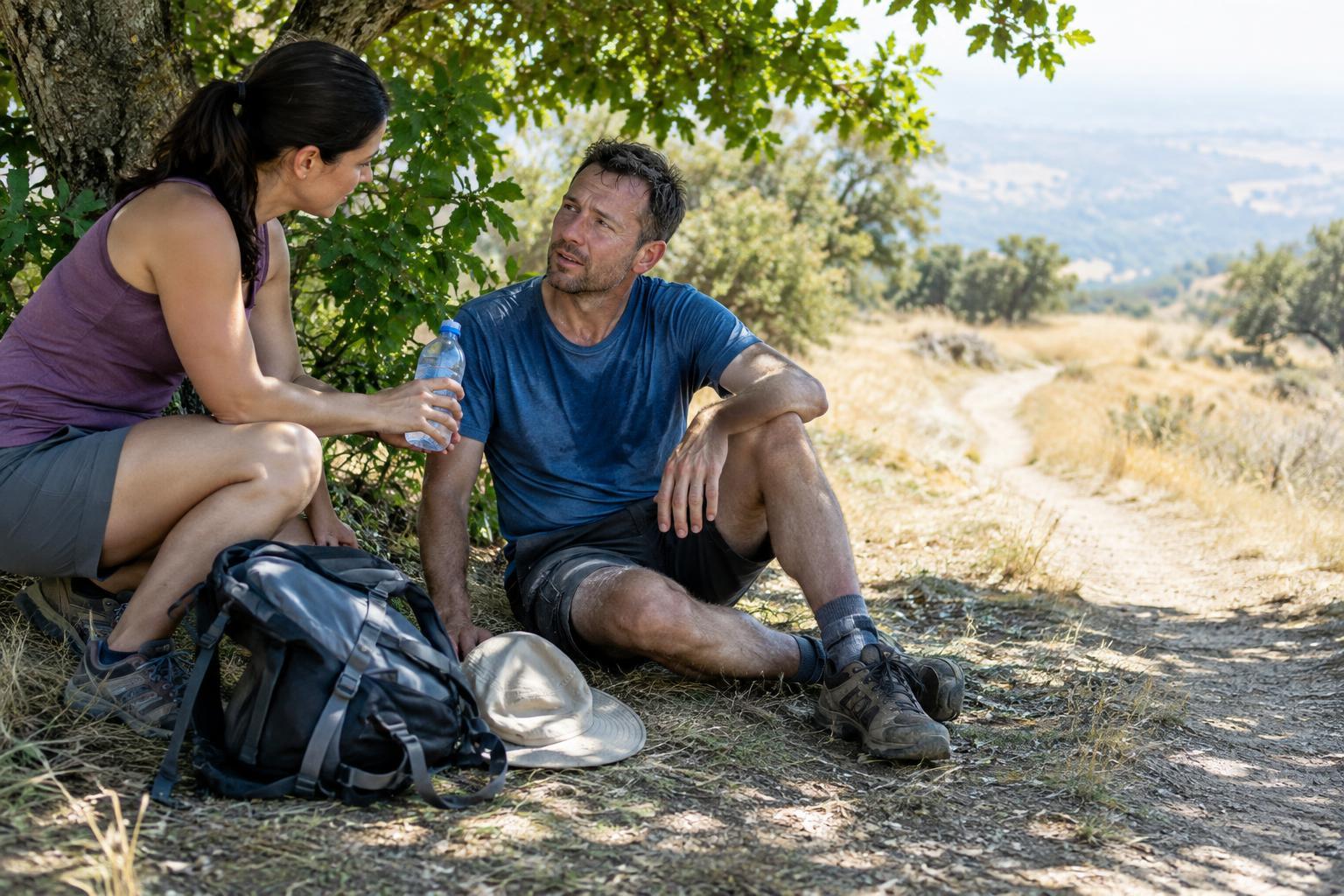
Stop walking and move the person to shade or a cooler indoor place if one is nearby. Have them rest, loosen or remove unnecessary outer layers, and help them get comfortable. Use cool water on their skin and fan them if possible. Cool, wet cloths can help, particularly around the neck and under the arms. Stay with the person and watch whether they become more alert and comfortable.
If they are fully awake, able to swallow normally and not vomiting, offer small, frequent sips of cool water or a suitable rehydration drink. Do not force fluids or give anything by mouth to someone who is confused, very drowsy or unable to swallow safely. Avoid restarting the walk simply because they feel a little better; continued exertion could make them worse.
If symptoms are worsening, are not improving with cooling and rest, or you cannot get the person somewhere safe, get medical help promptly. On a remote route, consider your location and the safest way to reach help rather than asking an unwell person to walk a long distance.
Know when it is an emergency
Heat stroke is a medical emergency. Call your local emergency number immediately if a person becomes confused, collapses, has a seizure, is difficult to wake, or shows other severe changes in awareness. Do not wait to see whether they are sweating: a person with a dangerous heat illness may have wet or dry skin. A very high body temperature is another warning sign, but you do not need a thermometer reading to act on serious symptoms.
While waiting for help, move them away from the heat if you can do so safely and begin cooling them. Wet their skin or clothing with cool water and fan them; use cool packs or wet cloths if available. Follow the emergency dispatcher’s instructions. If the person is unconscious, do not give them anything to drink. Check that they are breathing and follow the dispatcher’s guidance on further first aid.
Make the next outing easier on your body
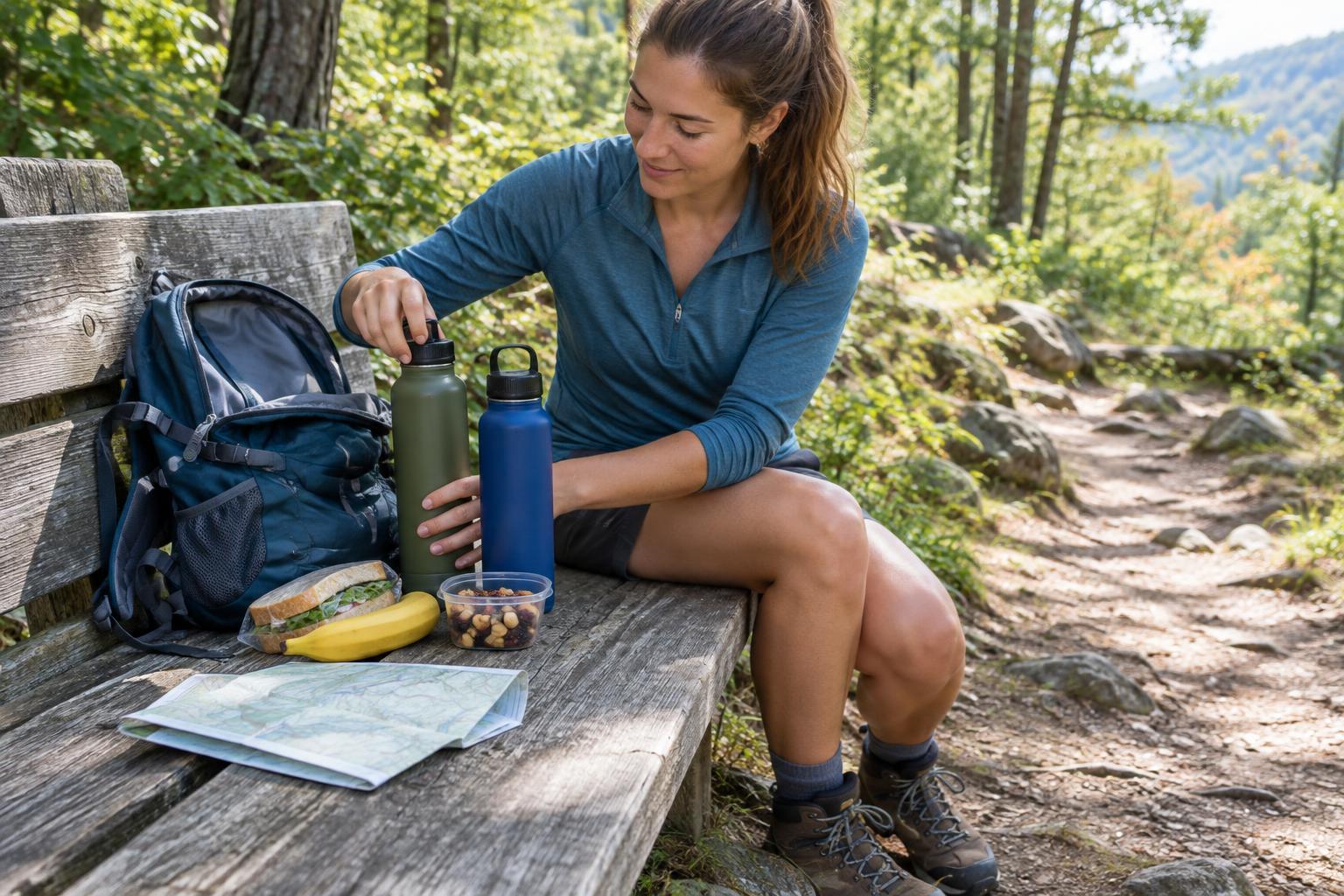
Before a warm-weather walk, choose a route with a manageable distance and places to pause or turn back. Check the forecast as part of trip planning, carry enough drinking water for your plans, and consider a cooler start time when practical. Lightweight, breathable layers and a hat can make it easier to adjust as conditions change. Take breaks in shade and slow down if the group is working harder than expected.
After an episode of possible heat exhaustion, prioritize rest and recovery over completing the itinerary. Seek medical advice if symptoms persist, return or cause concern. For future trips, remember what made cooling difficult—perhaps a long exposed stretch, too little water or a pace that left no room for breaks—and change the plan accordingly. Turning back early is a useful outdoor skill, not a failed walk.