Start before you reach the trail
Leave No Trace is a way to make outdoor visits less disruptive to the places and people around you. For a day walker, it rarely requires specialist equipment. It begins with knowing where you are going, what the route permits, and what you will need to bring home.
Check the route description and local guidance before leaving. Look for marked paths, access restrictions, places where dogs must be controlled, and any rules about fires or waste. Pack enough water and suitable layers so that a change in weather does not force an avoidable shortcut or an improvised shelter. A small bag for wrappers, tissues, and other rubbish makes it easier to keep track of what you carry.
Choose a walk that fits the group’s pace and experience. Turning back is often a better choice than pushing across fragile ground to meet an ambitious plan. If a path is closed or a sign asks visitors to keep out of an area, treat that as part of the route rather than an obstacle to get around.
Keep your footsteps on durable ground
On established routes, use the marked trail even when another line looks shorter. Repeated shortcuts can widen a path, damage plants, and create channels for rainwater. Walk through ordinary mud when it is safe to do so rather than stepping around it and gradually expanding the trail. If the mud is too deep to cross safely, turn back or follow an officially marked alternative.
At viewpoints and rest stops, choose rock, gravel, or another sturdy surface where possible. Avoid settling on delicate vegetation just to find a quieter spot. In a group, give other walkers room to pass without spreading out across the edges of the path. If you leave an established route where access is allowed, move carefully and follow local guidance; some habitats are far more sensitive to trampling than they first appear.
Bring back more than your food container
Pack out everything you bring in, including fruit peels, snack crumbs that can be collected, and items labeled biodegradable. Food scraps may attract animals or linger longer than expected. Keep lunch and snacks contained while you walk, and check the ground before leaving a break spot. A reusable pouch or spare bag can separate messy rubbish from the rest of your kit.
Use a toilet before setting out when one is available. On the route, follow the site’s instructions for human waste; acceptable methods vary by location, terrain, and managing authority. Carry out used toilet paper, wipes, and hygiene products in a secure bag unless local rules explicitly provide another method. Never leave wipes beside a path or in a toilet that is not designed for them.
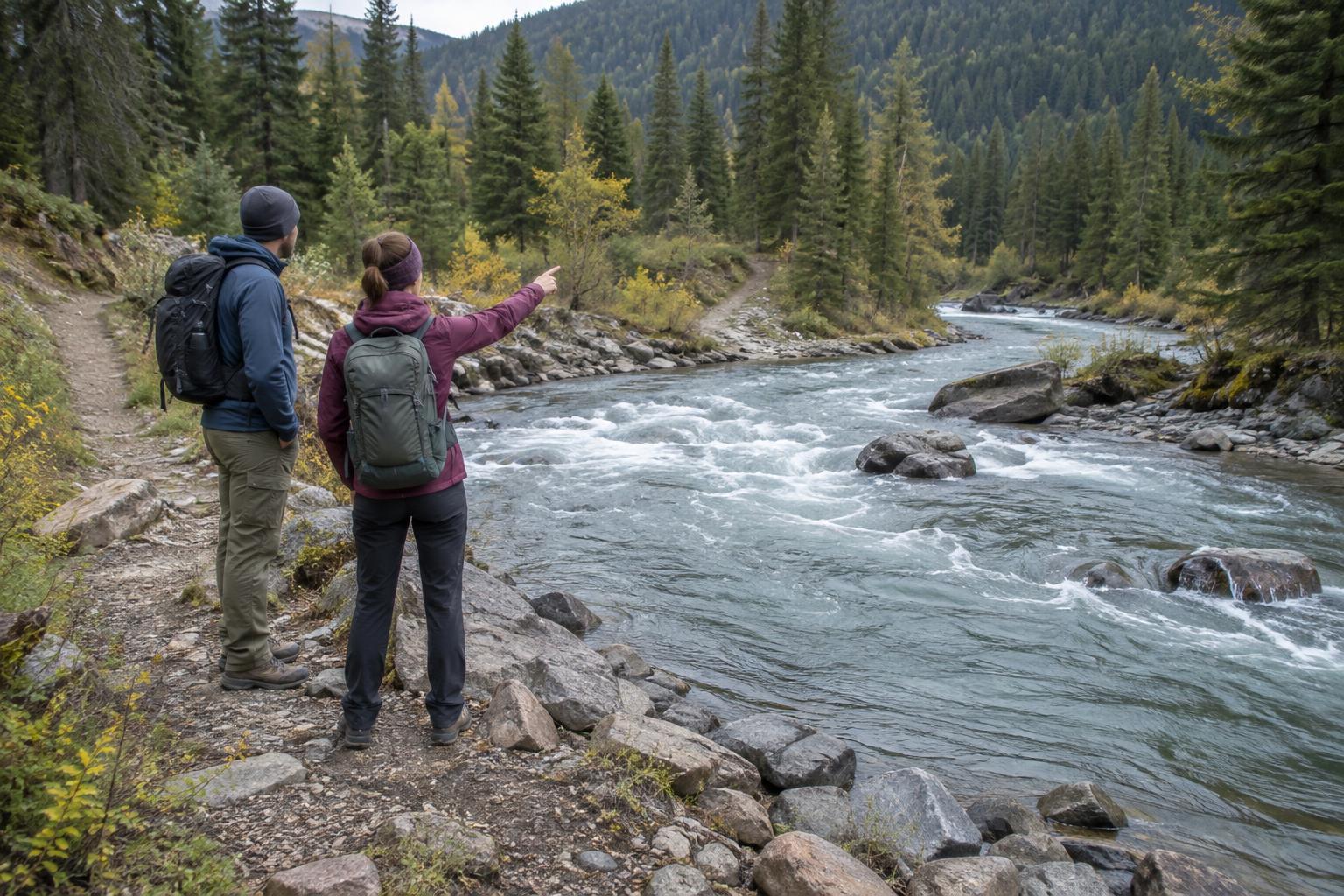
If you wash your hands or clean a container, keep soap and food residue out of streams and lakes. For a short outing, a little planning usually means dishes can wait until you return home.
Give wildlife and other visitors space
Watch animals from a distance and let them continue feeding, resting, or moving without interference. Do not offer food, even if an animal approaches. Feeding can change its behavior and may put both the animal and later visitors at risk. Keep dogs under the control required locally, and give livestock and nesting areas a wide berth.
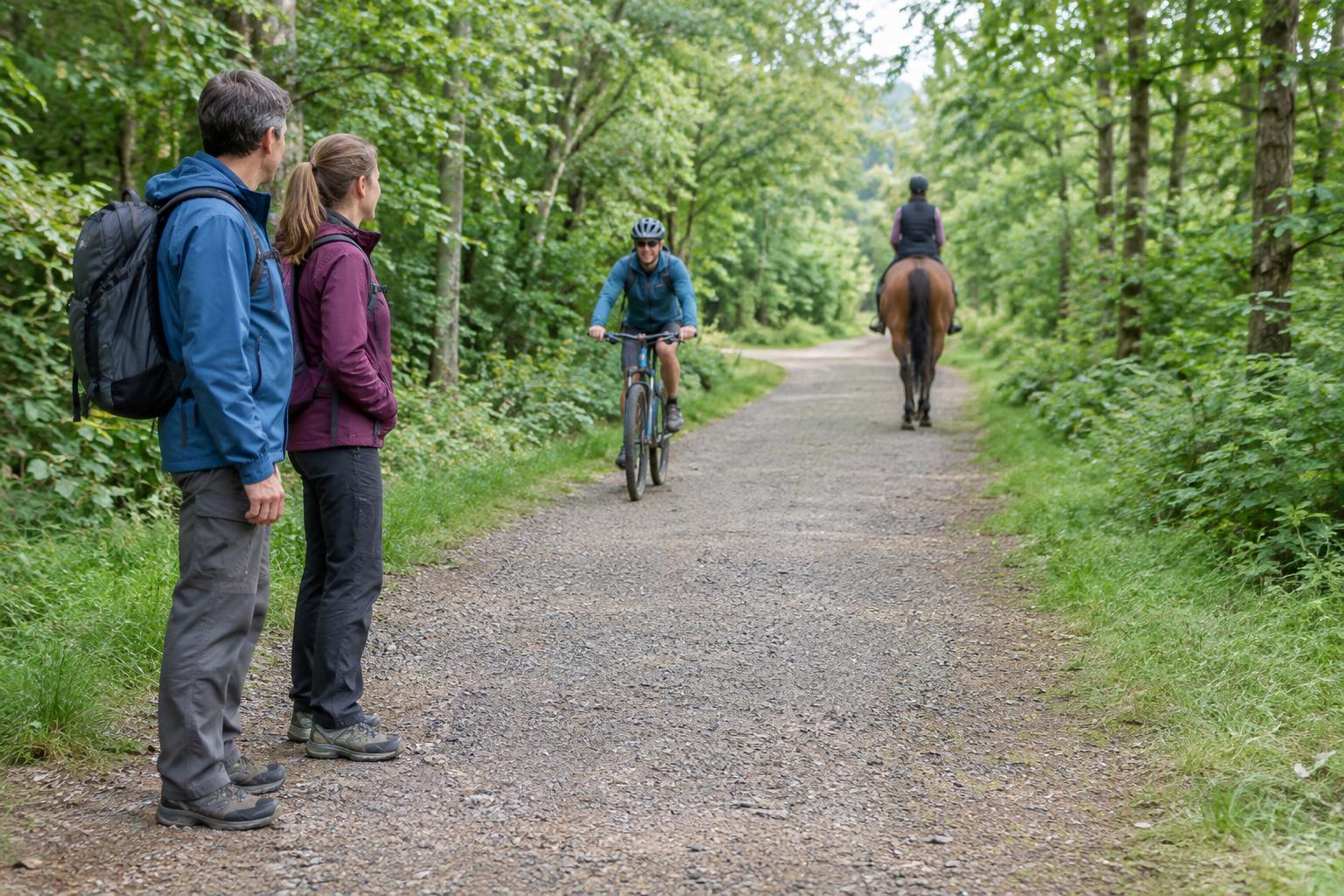
The outdoors is a shared space. Keep voices and devices at a level that does not dominate a quiet trail, and step aside on a sturdy part of the path when someone needs to pass. Leave stones, plants, and natural objects where you find them. A photograph lets you remember an interesting detail without removing it for the next walker.
Make a final check before heading home
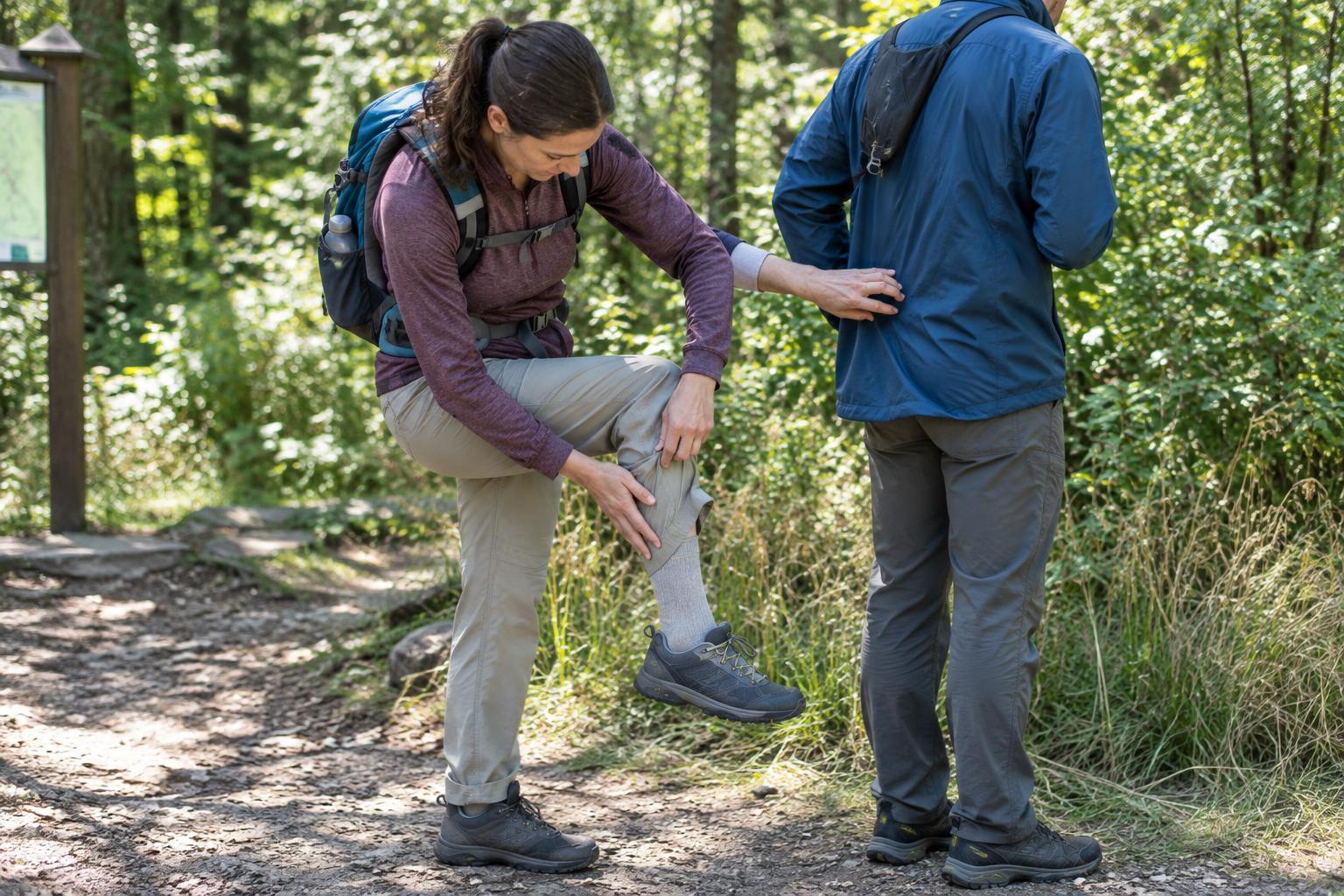
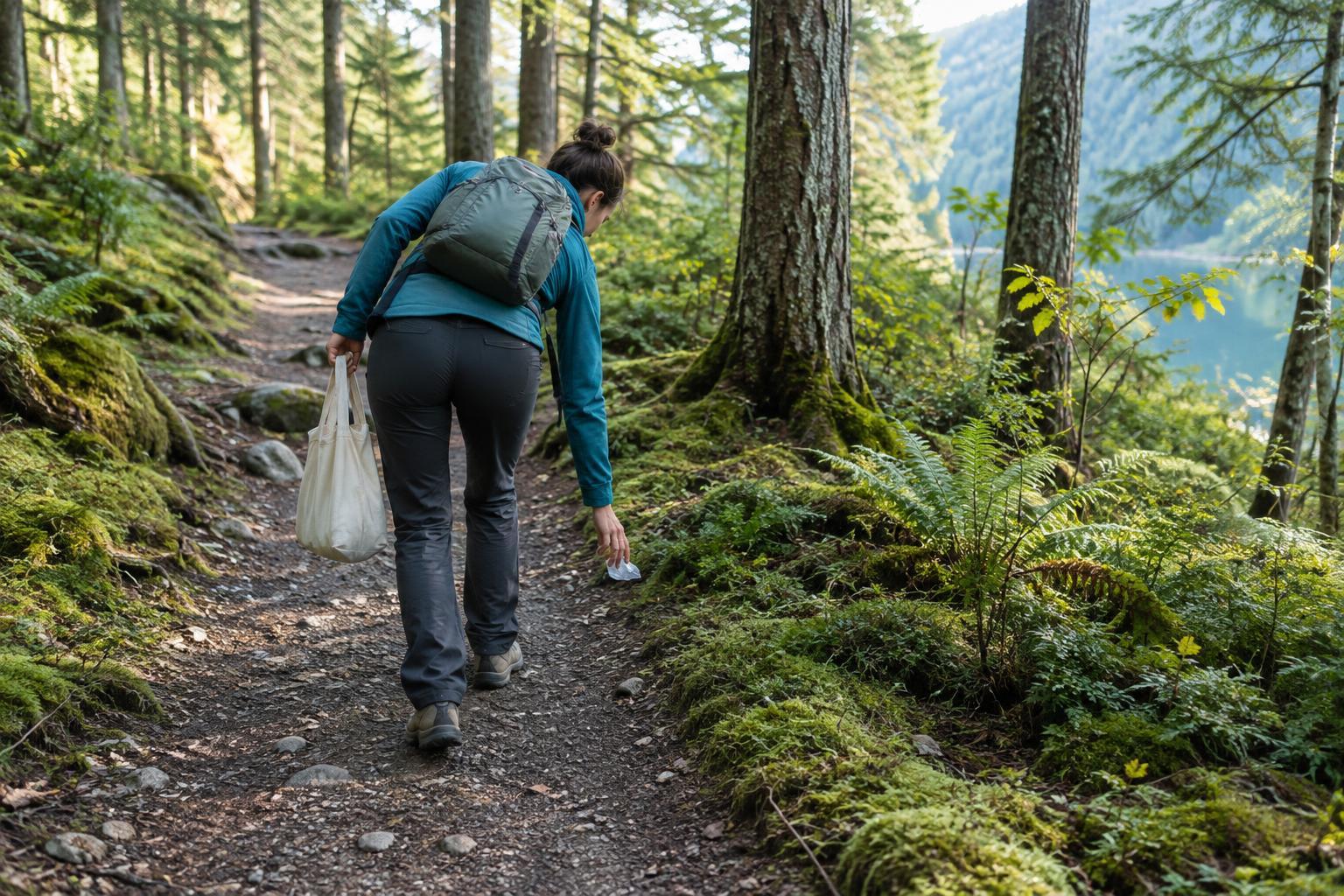
Before leaving a rest spot, look for small things that are easy to miss: a bottle cap, a corner of packaging, a dropped glove, or crumbs around a bench. Check that your belongings are secure so they do not fall from a pocket on the return walk. You can pick up stray litter if it is safe to handle, but you are not expected to touch sharp or hazardous items.
Good outdoor habits are easier to keep when they are simple and repeatable. Stay on the appropriate route, take your waste home, respect local guidance, and leave wildlife undisturbed. Those small decisions matter on an ordinary afternoon walk just as much as they do on a longer trip.