Start with what you actually carry
A daypack should fit the walk you take most often, not the longest trip you can imagine. Before comparing capacity labels, set out what you normally bring: water, a snack, a spare layer, a rain shell, personal items and any gear specific to your route or companions. The space these items occupy is a better starting point than the pack size alone.
Think about the conditions that change your load. A cool morning may call for a warm layer that needs somewhere to go by midday. A walk with children might add food or spare clothing. A camera or binoculars may need protection and easy access. If you regularly carry bulky items, leave room for them without relying on overstuffed exterior pockets.
Try not to choose a much larger pack solely for occasional trips. Extra room can be useful, but it can also encourage unnecessary packing. If your walks vary widely, a moderately sized pack with compression straps may be more versatile than one that is always either full or nearly empty.
Choose a capacity that matches the day
Pack volumes are helpful guides, not exact promises of usable space. A compact pack of roughly 10 to 15 liters may suit a short walk when you carry a few essentials and a light layer. Around 18 to 25 liters often gives recreational walkers more flexibility for food, weather changes and a spare layer. Packs around 25 to 30 liters can make sense for bulkier clothing or shared supplies, though they may feel excessive for a simple local loop.
How a pack is shaped matters as much as its stated volume. A tall, narrow bag may hold a jacket easily but make a wide lunch container awkward. Multiple small compartments can help organize little items while reducing the uninterrupted space available for larger ones. If possible, bring your usual walking kit when you shop, or check the pack’s interior dimensions and opening style before buying.
Plan for a little free space after packing. It gives you room to stow a layer you take off and makes it easier to find things without emptying the bag. If you have to force the zipper closed, a different layout or a slightly larger pack is likely to serve you better.
Pay attention to fit, not just features
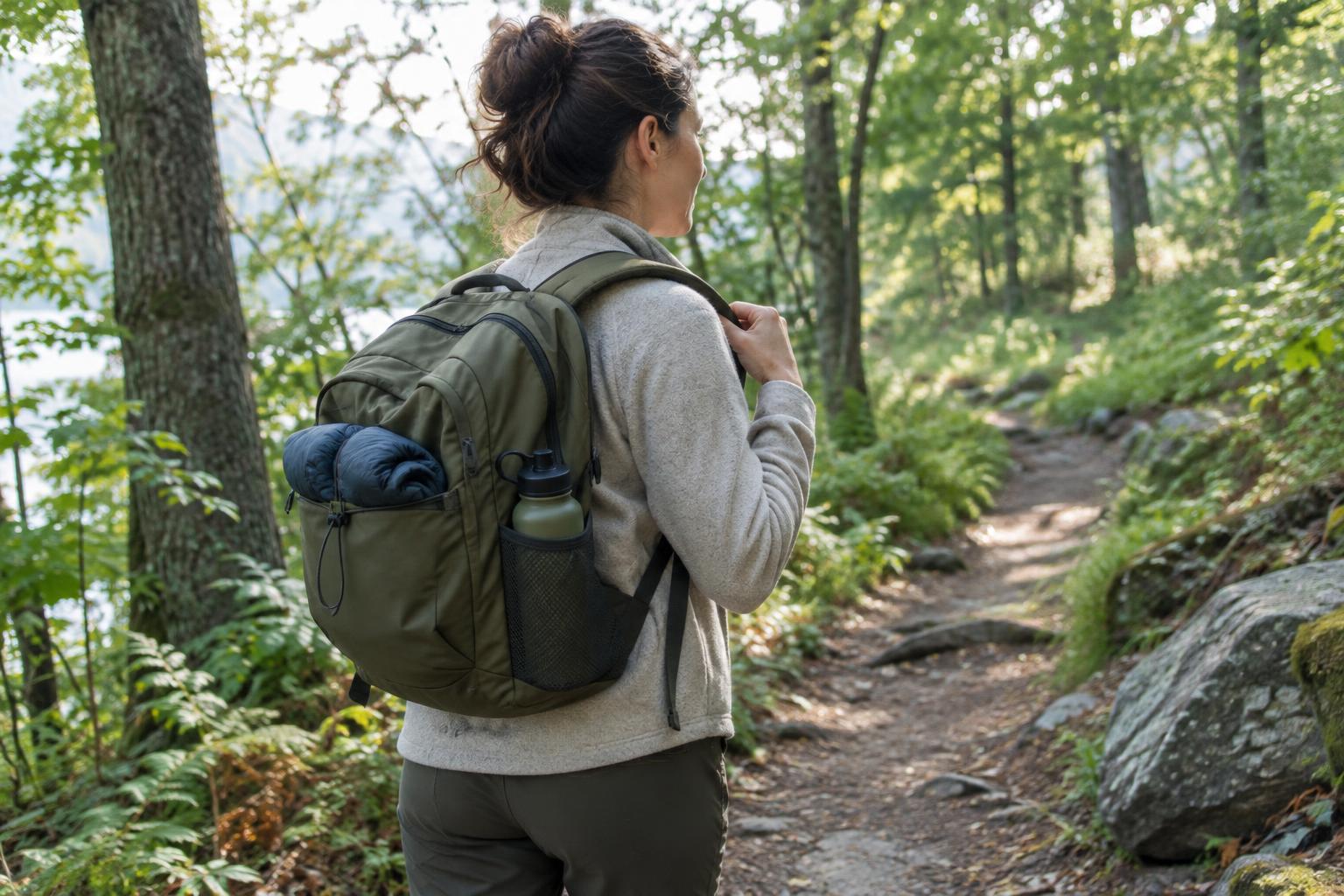
A comfortable pack rests close to your back without pulling sharply on your shoulders. Adjustable shoulder straps help you position it, while a sternum strap can keep the straps from shifting during movement. On a heavier daypack, a supportive waist belt may help distribute some weight; a thin webbing belt is more useful for stability than load transfer. These features are most valuable when they fit your body well.
Try a pack with weight inside rather than judging it empty. Walk around, turn and reach for a pocket. Check whether the straps rub, the pack bounces or a firm edge presses into your back. A ventilated back panel may feel pleasant, but comfort depends on the whole fit, and no panel will keep your back completely dry during an active walk.
Consider how the pack works with the clothing you usually wear. Broad straps may sit differently over a thick jacket than over a T-shirt. If several people will share one pack, prioritize easy adjustments and test it on each person rather than assuming one fit setting will work for everyone.
Pick a layout that makes essentials easy to reach
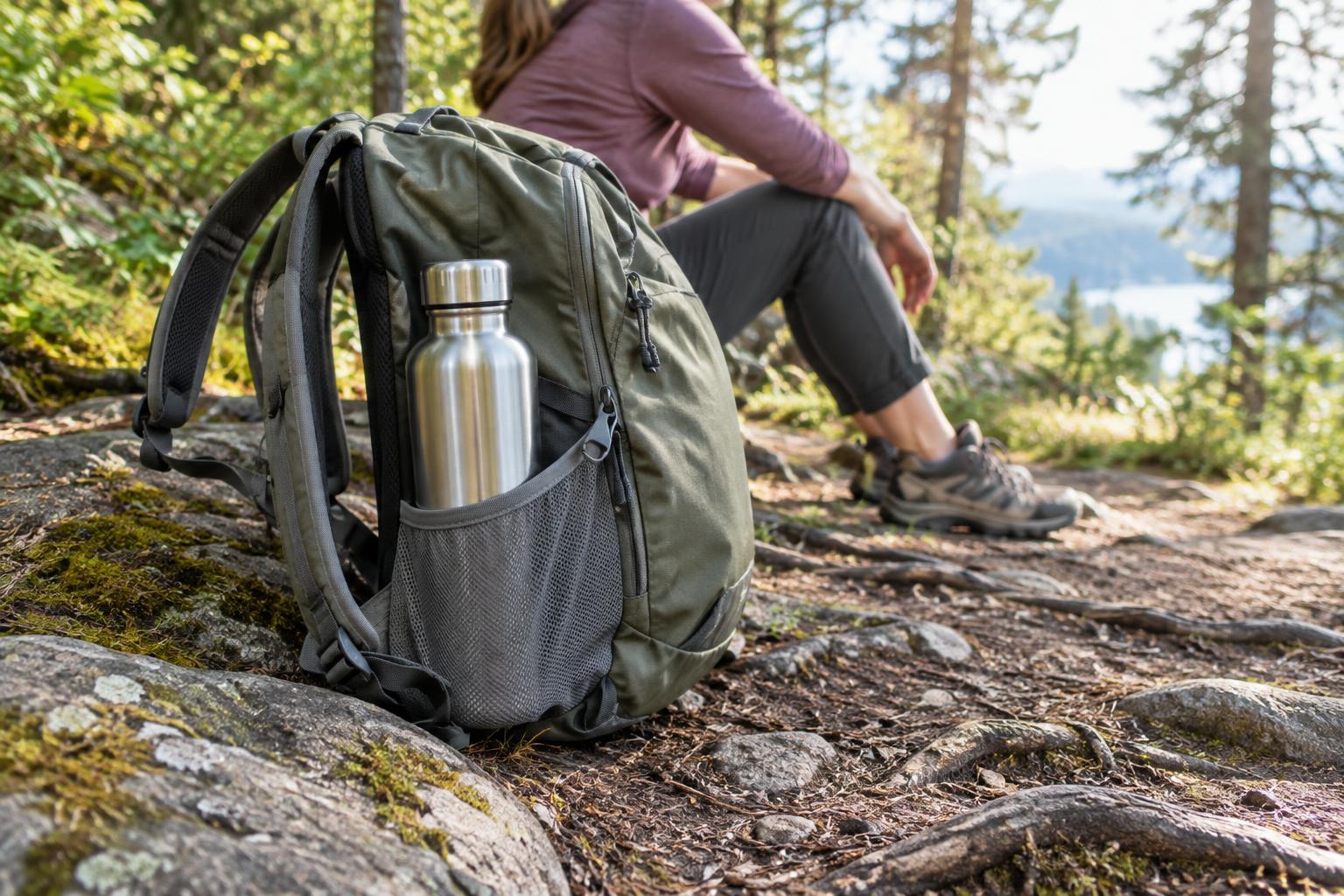
A simple main compartment is useful for larger items such as extra clothing. Smaller pockets are best reserved for things you want to find quickly: keys, sunscreen, tissues or a snack. Stretch side pockets can make a water bottle accessible, but check that your bottle stays secure when the pack tilts. A hydration sleeve is worth considering if you already prefer using a reservoir; it is not a requirement for a good walking pack.
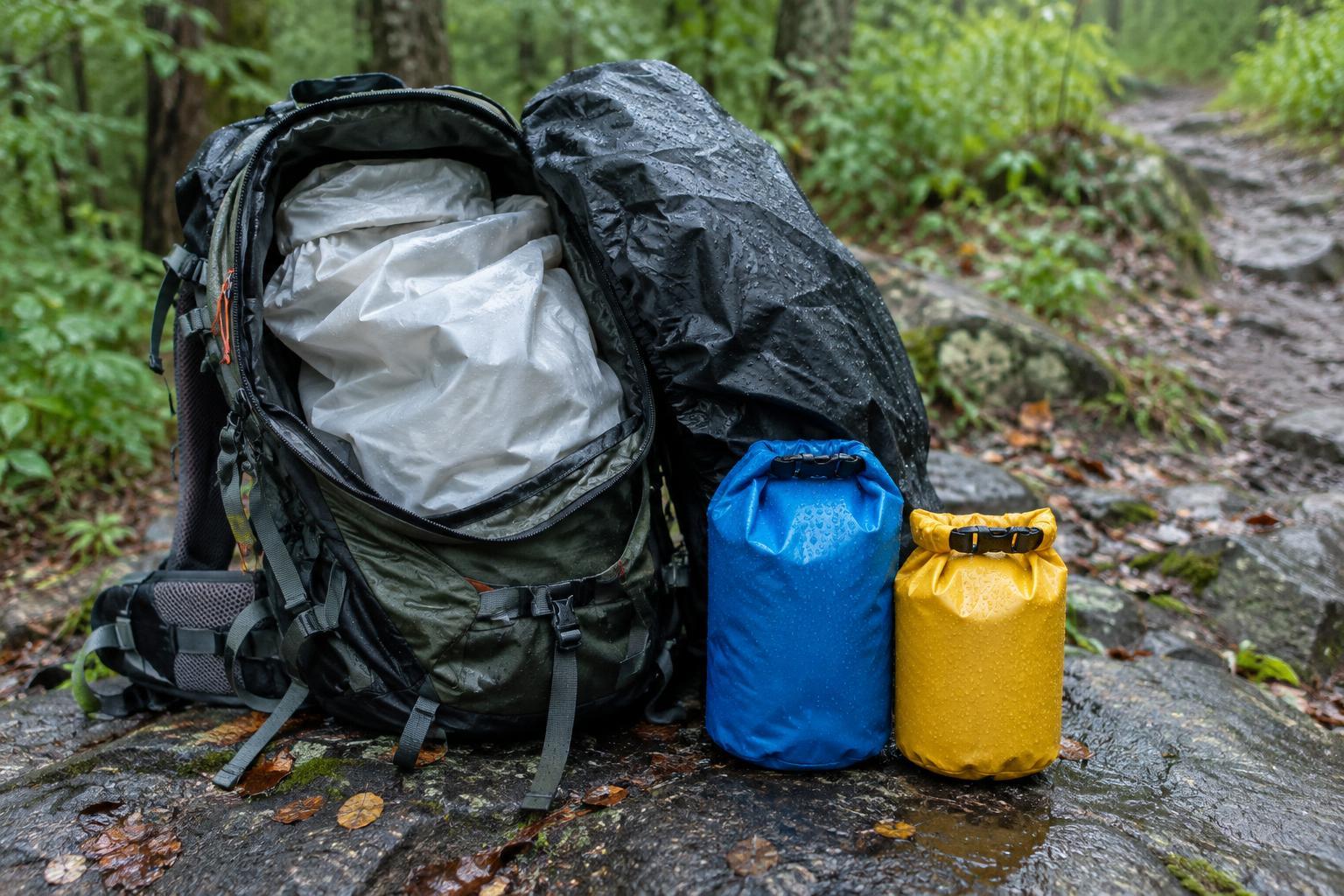
Think through access while wearing or carrying the bag. Can you reach your water without unpacking? Is there a safe place for a phone or wallet? Can a damp rain shell be kept apart from dry items, perhaps in an exterior pocket or a separate bag? More pockets are not automatically better. A layout you remember is more useful than one with many places to lose small belongings.
Do a packed trial before committing
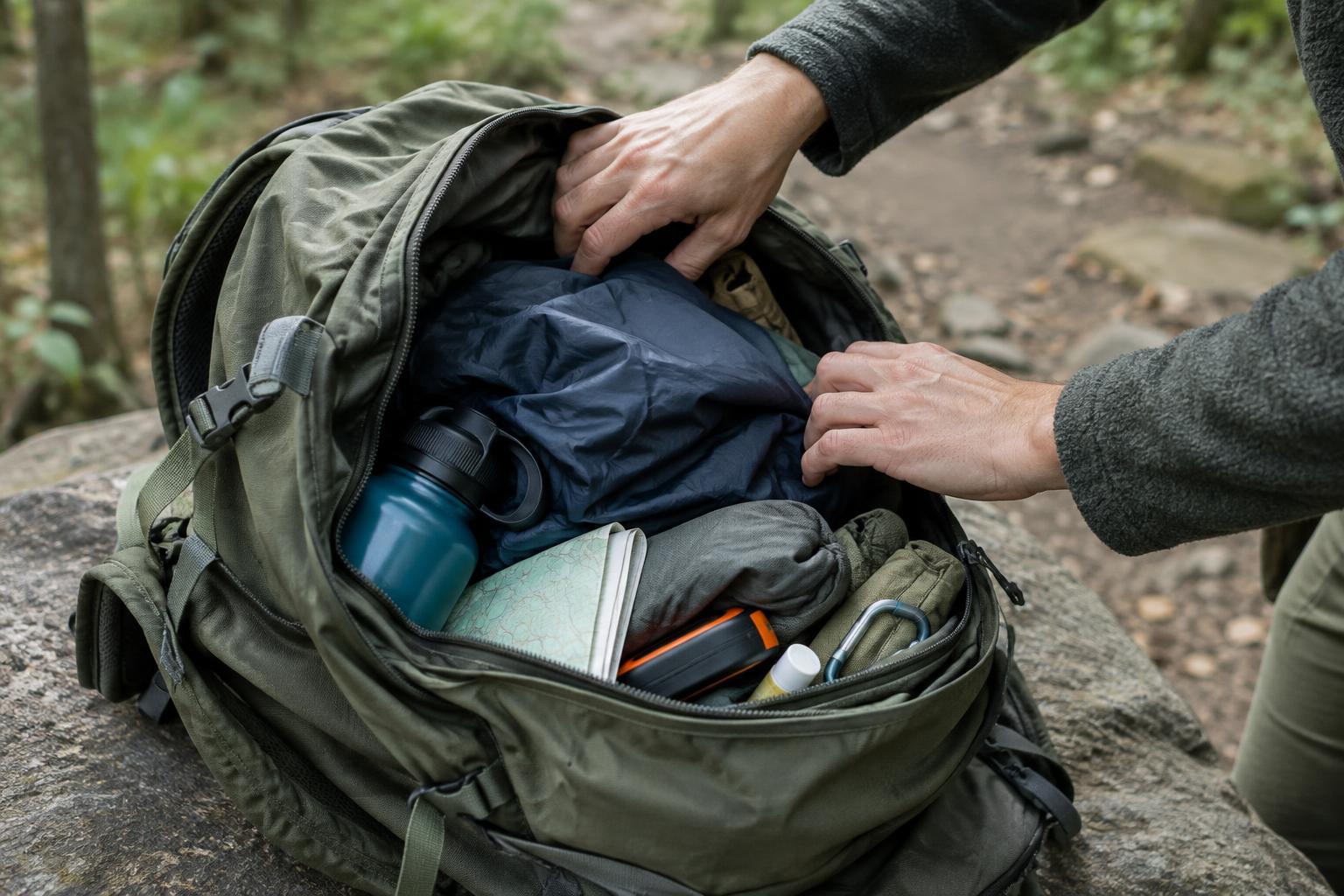
Load the pack as you would for an ordinary outing. Put dense items close to your back, place frequently used items where you can reach them and tighten any compression straps enough to limit shifting. Then walk for a few minutes, including stairs if available. Notice whether the bag stays balanced and whether you can open and close it without a struggle.
Finally, inspect the details you will handle repeatedly: zippers, buckles, bottle pockets and the carry handle. Check the care guidance for the fabric and consider how you would protect the contents in rain; a water-resistant material or rain cover may help, but sensitive items can still benefit from a separate waterproof pouch. The best daypack is the one that fits your usual load, feels comfortable when packed and makes the things you need easy to find.