Plan pauses around the route, not just the clock
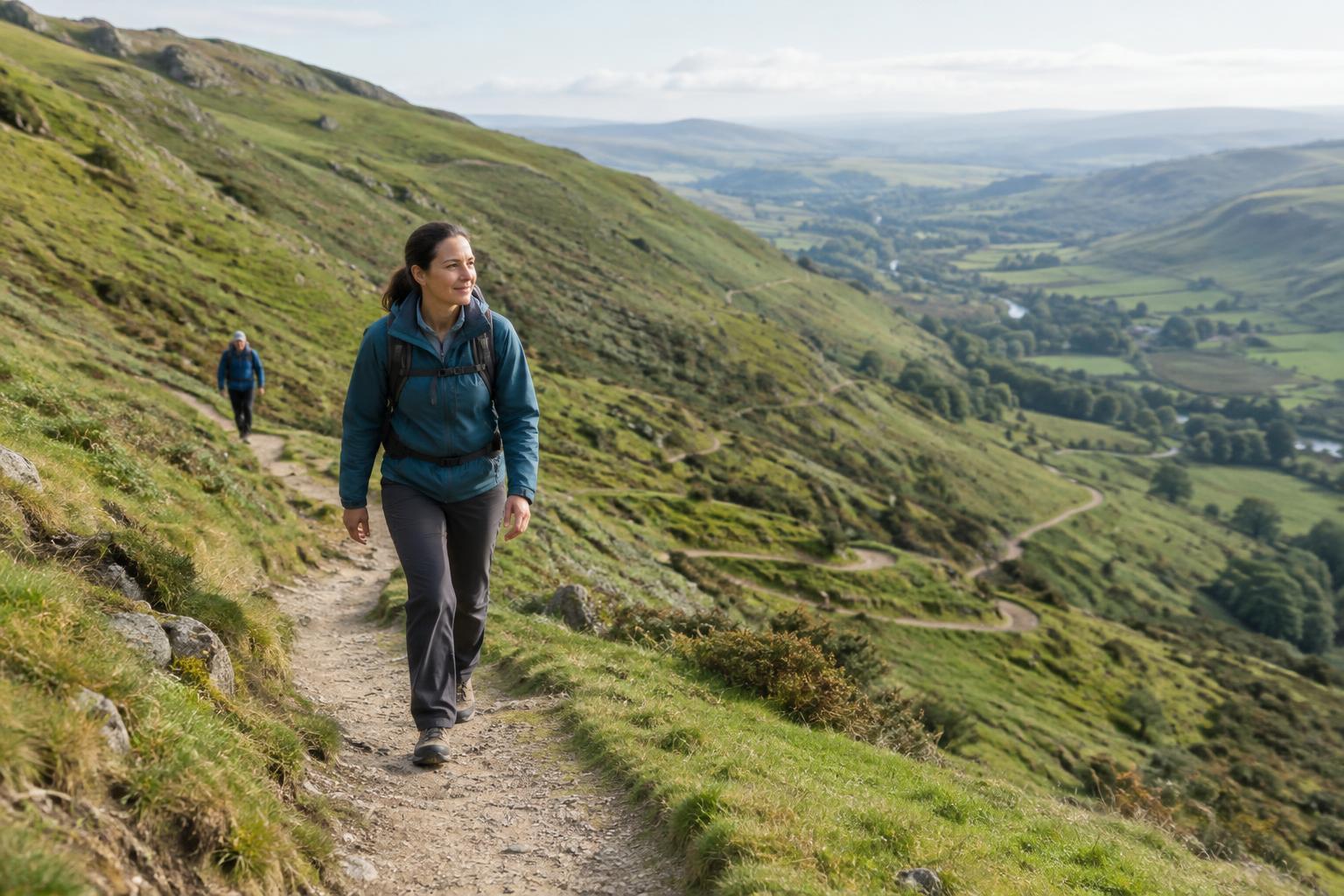
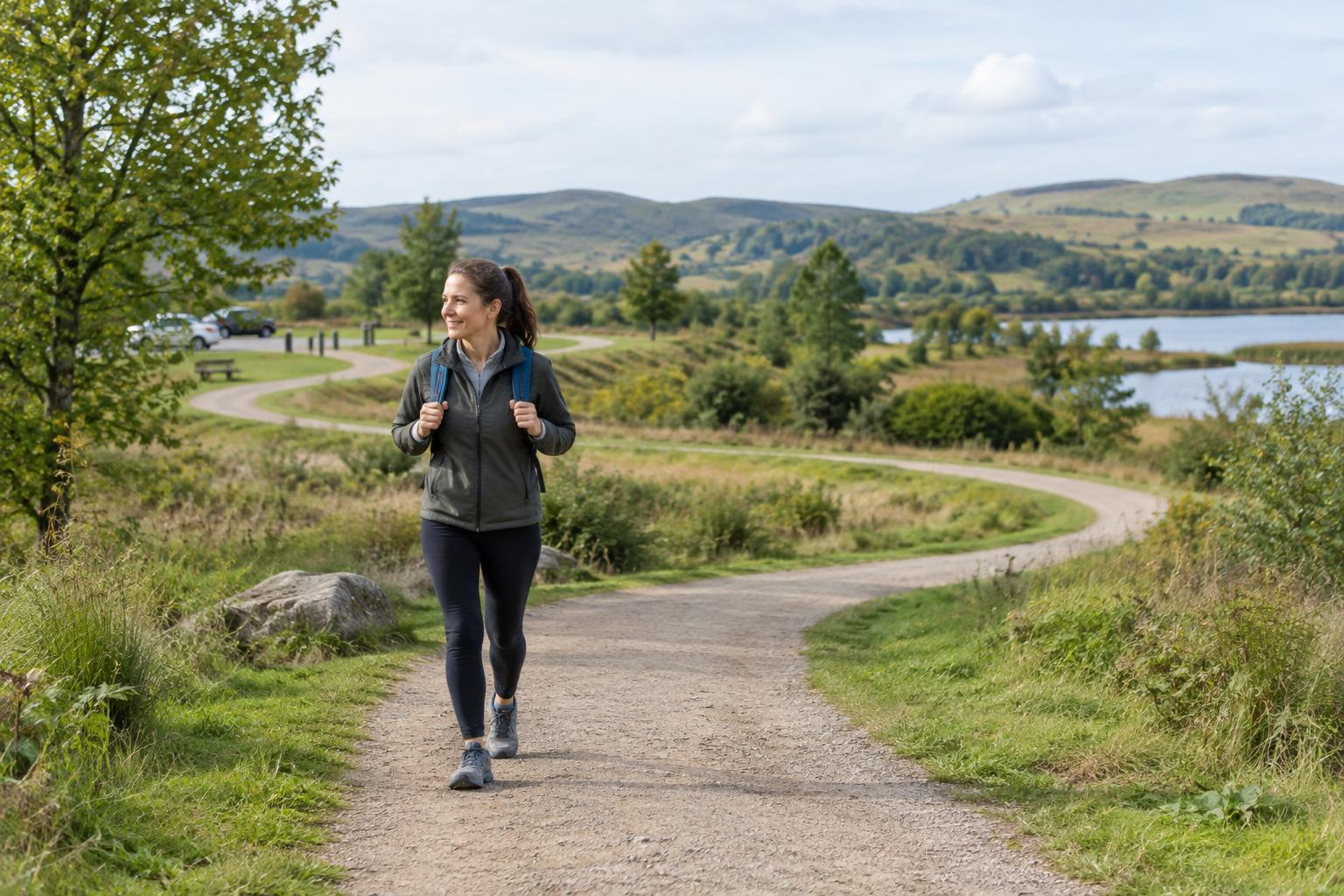
Before setting out, look over the route for places where stopping will be easy: a viewpoint, a sheltered bench, a trail junction or a quiet spot beyond a steep climb. Think about where you may need to make a decision, refill water if a reliable option is available, or put on another layer. Mark a few possibilities rather than committing to one rigid schedule. If a planned spot is crowded, exposed or farther away than expected, you can choose another.
Match the plan to the people walking. Someone new to longer outings may appreciate more frequent pauses, while another walker might prefer to continue gently and take a longer break later. Agree in advance that anyone can ask to stop. That keeps the group from treating an ambitious plan as a test of endurance.
Use different kinds of stops
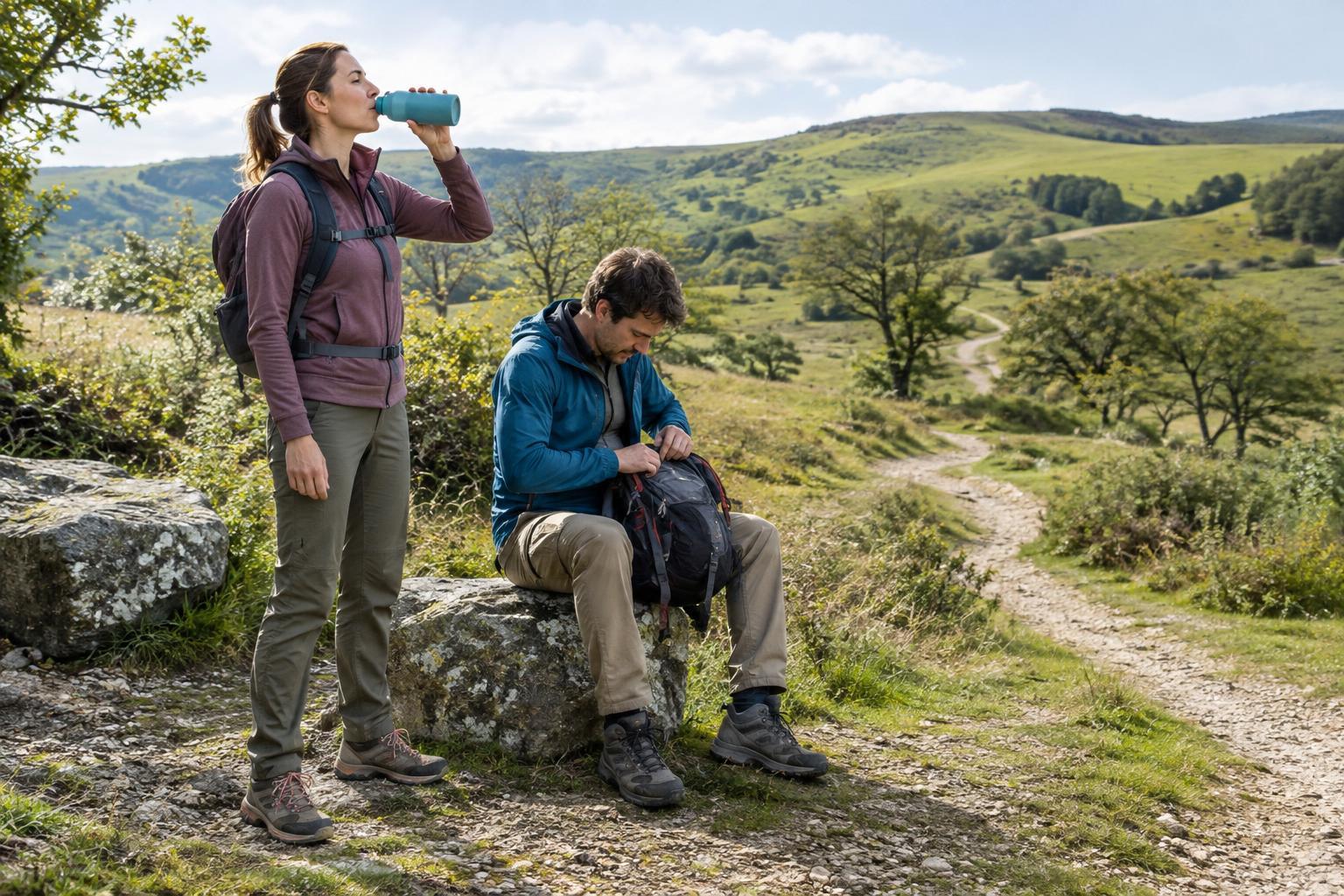
Not every pause needs to be a sit-down break. A brief standing stop can be enough to take a drink, check the route or adjust a rubbing strap. A longer stop gives you time for food, a clothing change or a proper look at the view. Distinguishing between the two helps you deal with small needs promptly without repeatedly unpacking your bag.
Try to pause before a minor problem becomes the main event. If you notice a hot spot on your foot, stop somewhere safe and check your sock or footwear rather than waiting for the next scenic landmark. If you are getting chilled, add a layer while you still feel comfortable. These practical stops may interrupt your stride for a moment, but they can make the rest of the walk easier.
Choose a place that makes restarting easy
The best-looking place is not always the best place to rest. A windy ridge can feel cold once you stop, and a narrow path may leave little room for other walkers to pass. Look for stable ground with space to step clear of the route. Avoid blocking gates, trail junctions or access points. If conditions are wet, consider whether sitting down will leave you damp for the next stretch.
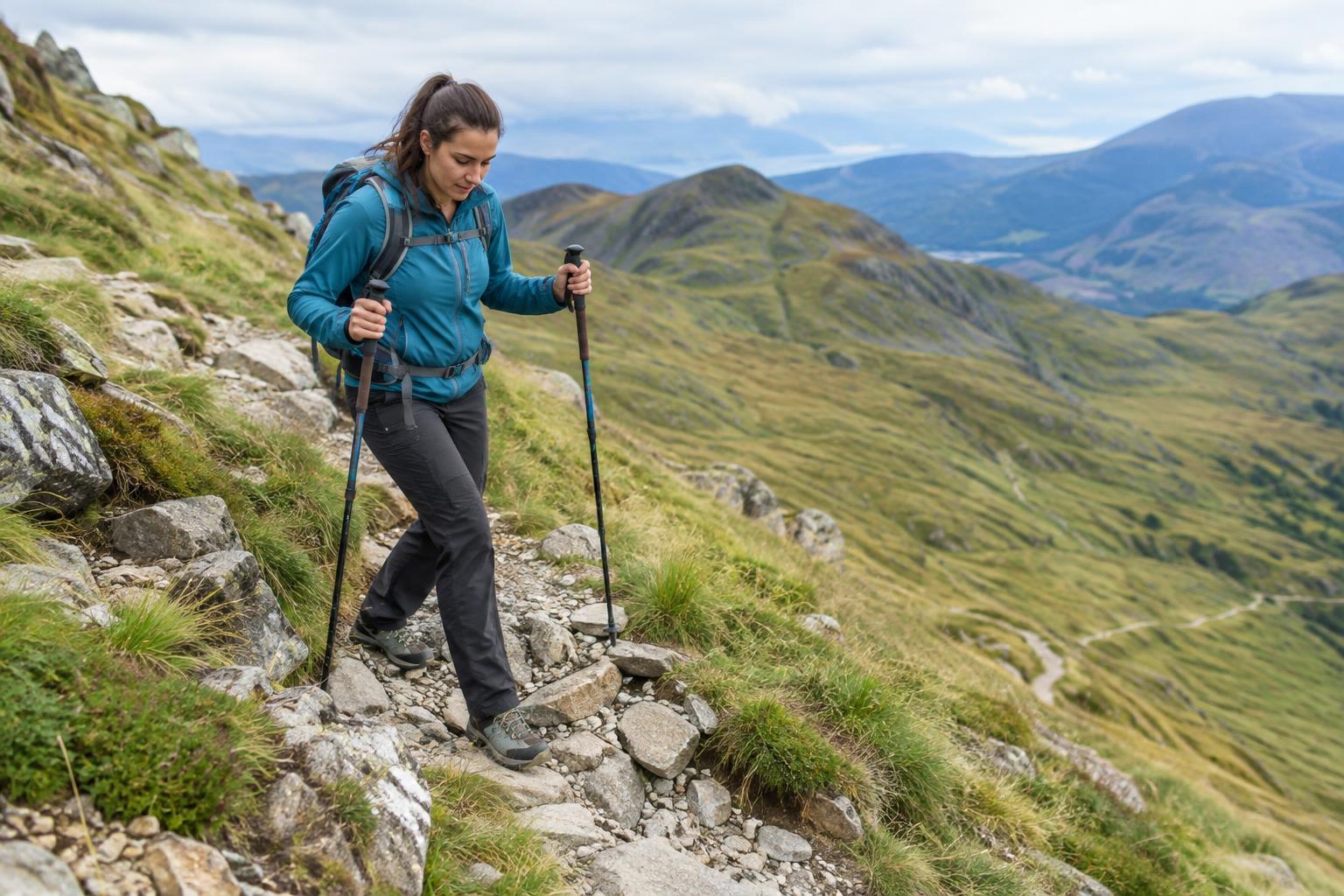
Think about what comes immediately after the break. Stopping just before a steep climb can be useful if you need food or a breather, but a long pause may make the climb feel harder to begin. Sometimes it feels better to take a short drink stop at the bottom, climb at a comfortable pace, then enjoy a longer rest at the top. Let the terrain guide the choice.
Give each break a simple purpose
When you stop, do the things that will help you walk comfortably again. Drink, eat if you are hungry, check the next part of the route and adjust layers before you settle in. Keep the items you use often in an accessible pocket so a quick stop does not become a full bag search. If you are walking with others, say whether this is a short pause or a longer one so nobody has to guess.
For longer breaks, set an easy departure cue rather than watching the time anxiously. You might agree to move on once everyone has finished their snack and packed away their things. Before leaving, look around for anything dropped or left behind. A clear end to the break makes restarting feel like the next natural part of the walk, not an abrupt interruption.
Stay flexible as the walk changes
Your route plan is a guide, not a promise. Heat, rain, uneven ground or an unexpectedly slow section can change how often you want to stop. Check in with your energy and with your companions as the day progresses. If someone is struggling, a steadier pace, an extra rest or a shorter route may be more useful than trying to recover with one very long break.
It can help to keep one appealing stop in mind as you walk: a sheltered lunch spot or a place with a good view. Between those points, allow smaller pauses when they are needed. The aim is not to minimize stopping. It is to make each stop useful, comfortable and easy to leave, so the whole walk remains enjoyable.