Choose a route with a clear beginning and end
Start by choosing the countryside destination you want to reach: a riverside path, woodland edge, viewpoint or nearby village. Then work backward toward a convenient starting point in town. This gives the walk a purpose without requiring every step to be scenic. A station, bus stop or familiar square can make a straightforward meeting point, while a second transport option near the finish gives you flexibility.
Look for a continuous route rather than joining attractive spots with long stretches of unpleasant road. Check where pavements end, how roads are crossed and whether the route uses public paths or places where walking is permitted. On a map, note gates, bridges and junctions that could be easy to miss. If you are walking with children, a group or anyone who needs a more accessible route, pay particular attention to surface, steps, gradients and places to rest. A shorter route that everyone can enjoy is usually better than an ambitious one with awkward sections.
Build sightseeing stops into the route
Choose a few stops that suit the direction of travel, such as a historic street, a market area, a public garden or a viewpoint. Treat them as anchors, not a checklist. Leaving room to look around makes the walk feel like an outing rather than a race between landmarks. If a stop involves an indoor attraction, check its access details and opening information before you rely on it; a building that is closed can still be passed, but it may not provide the break you expected.
Think about where you will pause as well as what you will see. A café in town might be a useful early stop, but it may be easier to carry water and a snack for the quieter half of the route. Place your main rest before or after a demanding section, not only where a photograph looks appealing. Give the group an approximate turnaround point or a time by which to leave the last town stop, so sightseeing does not use up the daylight or energy needed for the return.
Allow for the change from streets to paths
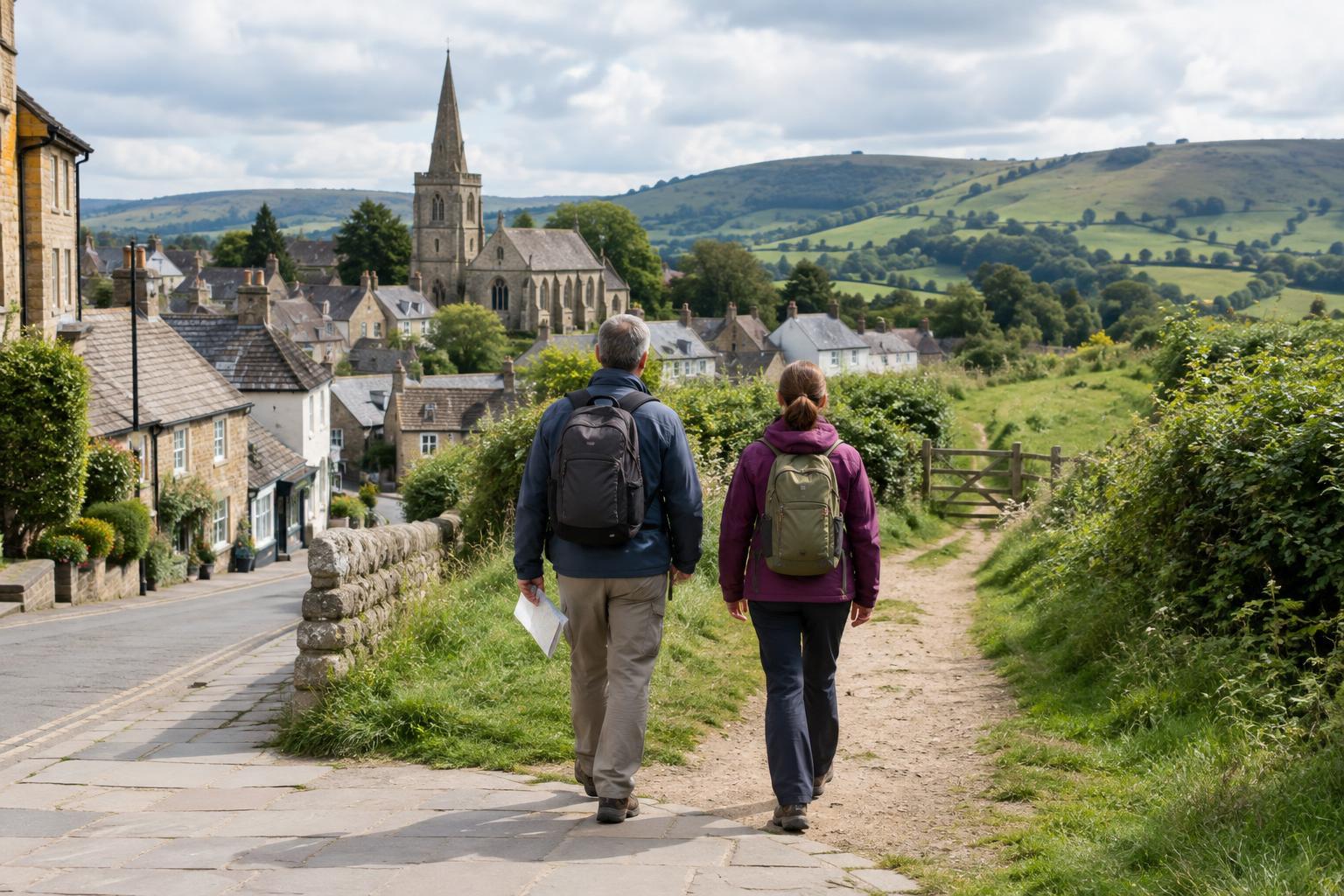
Town walking and countryside walking can feel different even when the distance is similar. Traffic lights, crowds and shopfronts slow progress in town; uneven ground, mud and hills can slow it outside town. Estimate your day using the route’s terrain and planned stops, then add spare time. Avoid treating an app’s walking estimate as a promise, especially if your group prefers a relaxed pace.
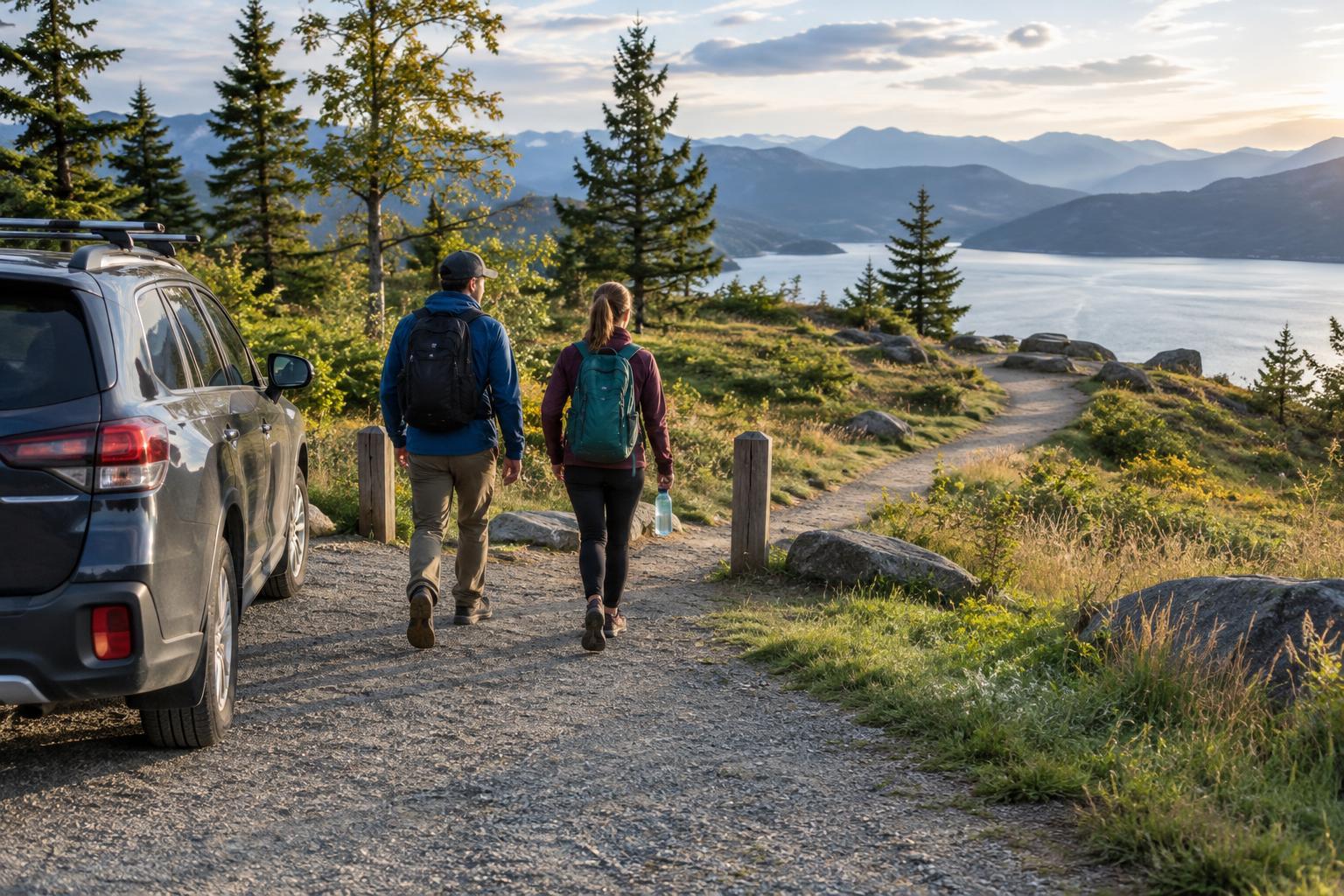
Dress for both parts of the trip. Comfortable footwear with enough grip for the expected surface matters more than a particular outdoor look. Light layers are easier to adjust when you move between sheltered streets and exposed paths, and a compact waterproof layer can be useful if conditions change. Pack only what you are willing to carry all day: water, a snack, a charged phone and a small bag for litter are a practical starting point. In sunnier conditions, consider shade and sun protection; in cooler conditions, remember that stops can feel colder than walking.
Check the details before setting out
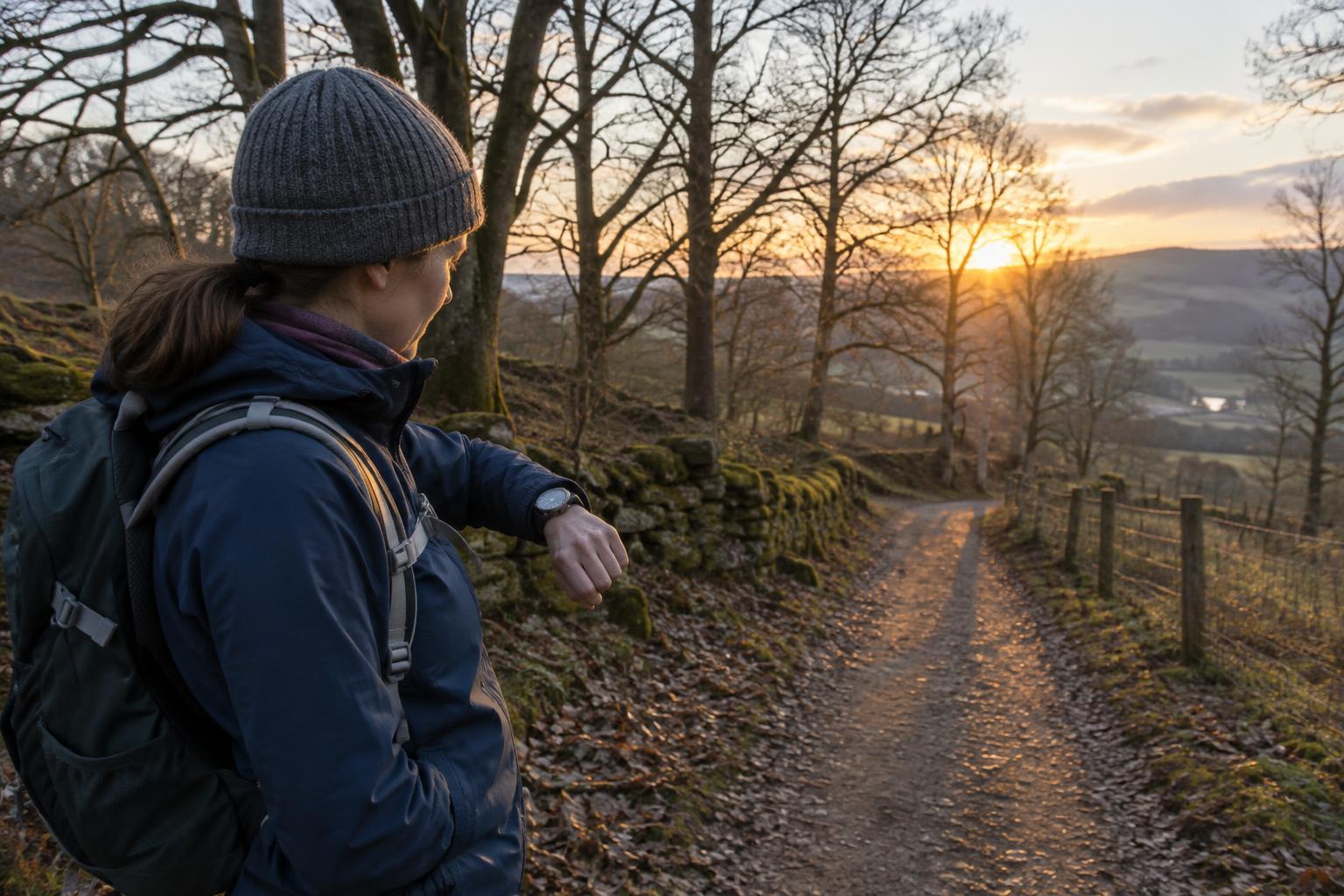
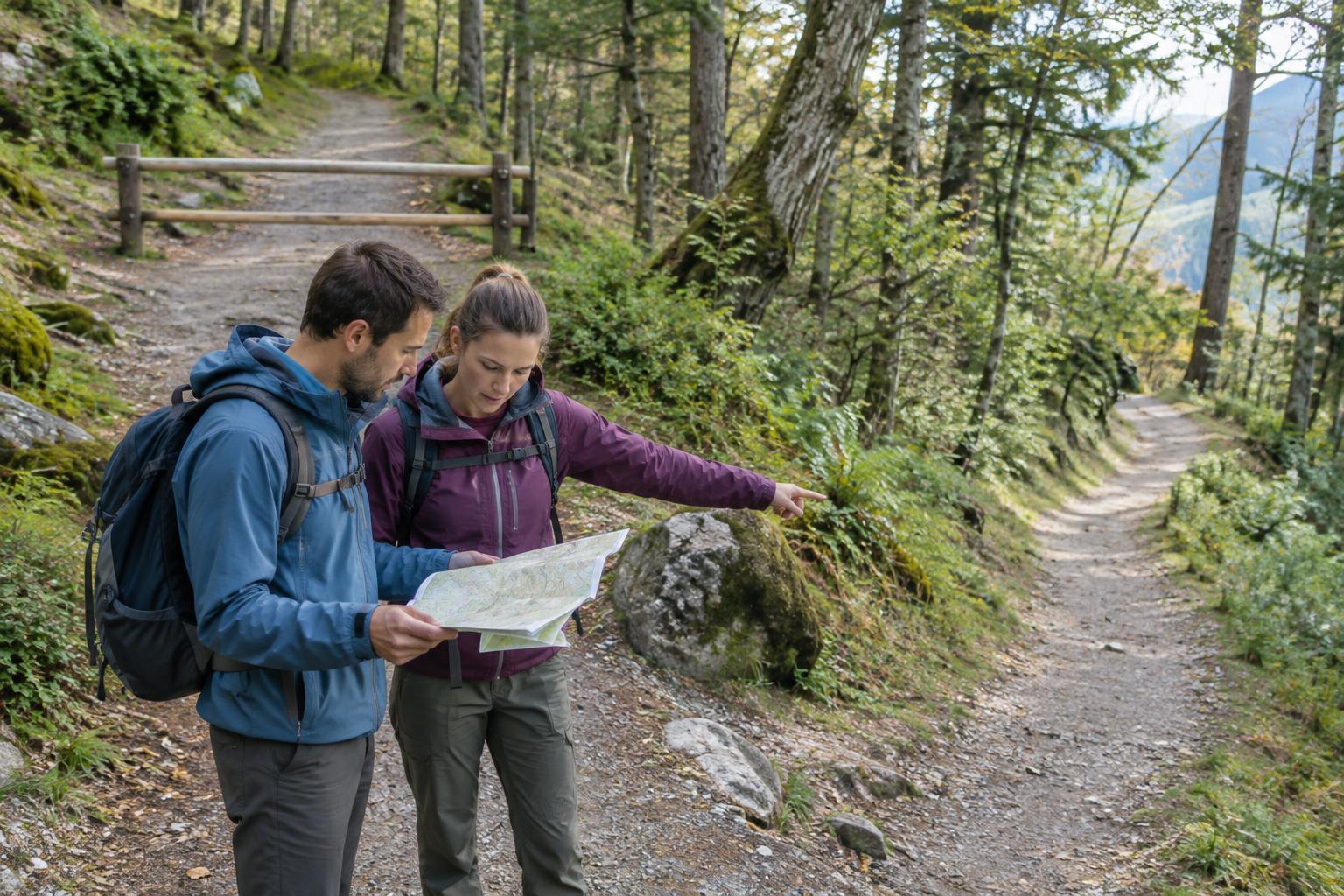
The day before your walk, review the weather, daylight, route access and transport you expect to use. Services, path conditions and opening arrangements can change, so check the details that would affect your particular plan. Save a map that you can use without a signal, or carry a simple printed route if navigation is unfamiliar. Identify a few reliable landmarks at turning points instead of depending on a single line on a screen.
Share the intended route and likely finish time with someone if you are heading somewhere quiet, and let your walking companions know the plan. Agree on a simple alternative: a shorter loop, an earlier bus stop or a town-only version if the path is unsuitable. Be ready to turn back at a blocked crossing, an unexpectedly muddy section or a pace that is no longer comfortable. A backup plan is not a failed walk; it is what lets the day stay enjoyable.
Keep the day pleasant for everyone
Set off at a pace that leaves space for conversation and spontaneous discoveries. Pause safely away from traffic and narrow paths when checking directions or taking photographs. Outside town, stay on permitted routes, close gates as you find them and give other path users room. If you are walking near farmland or wildlife, keep your distance and follow local signs.
At the finish, allow time to reach your transport rather than planning to arrive at the last possible moment. If you have energy left, choose an optional final stop; if not, head home. The best town-to-countryside walk is not necessarily the longest one. It is a route with interesting transitions, enough breathing room to enjoy the sights and a finish that feels comfortably within reach.