Start with movement, not the size label
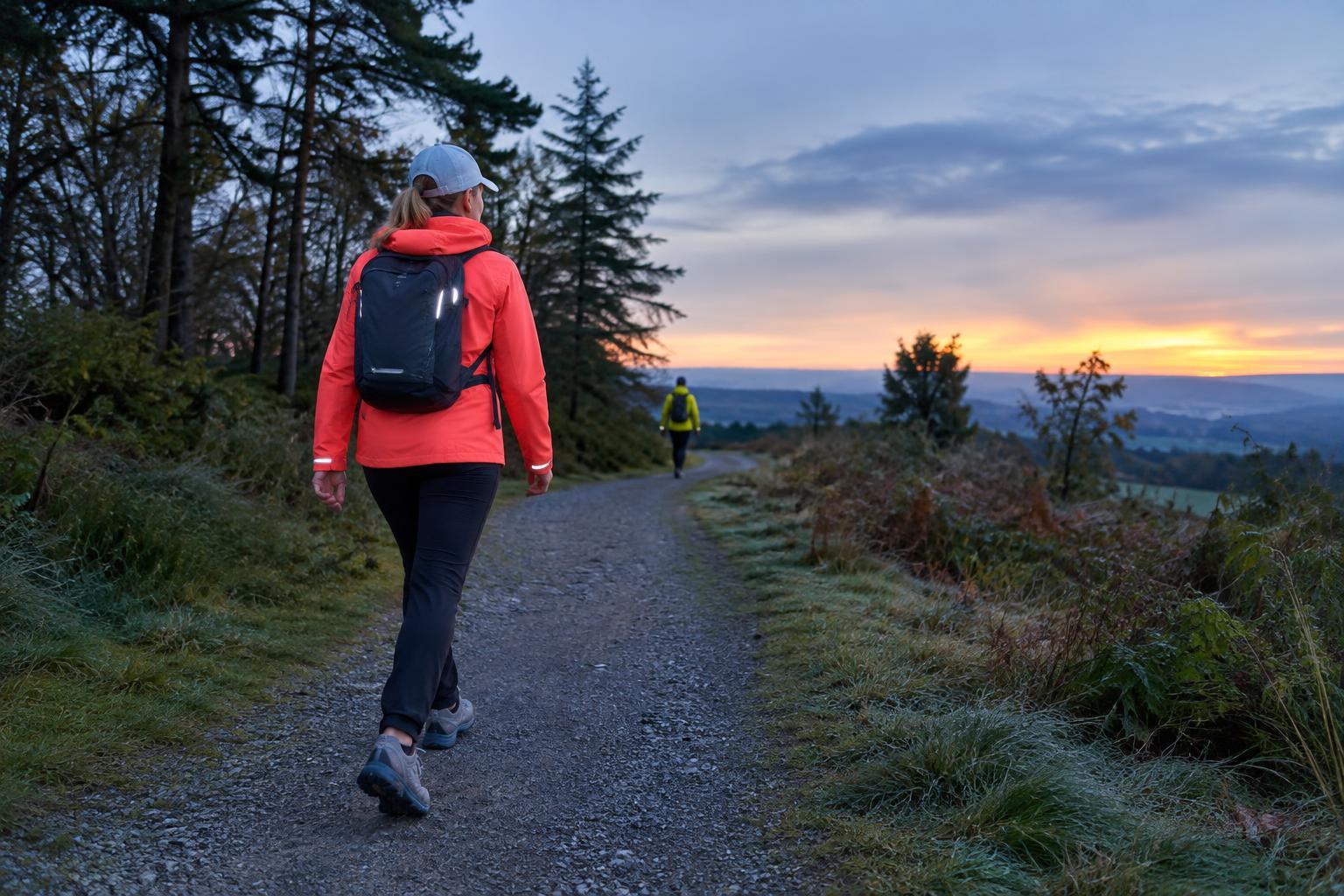
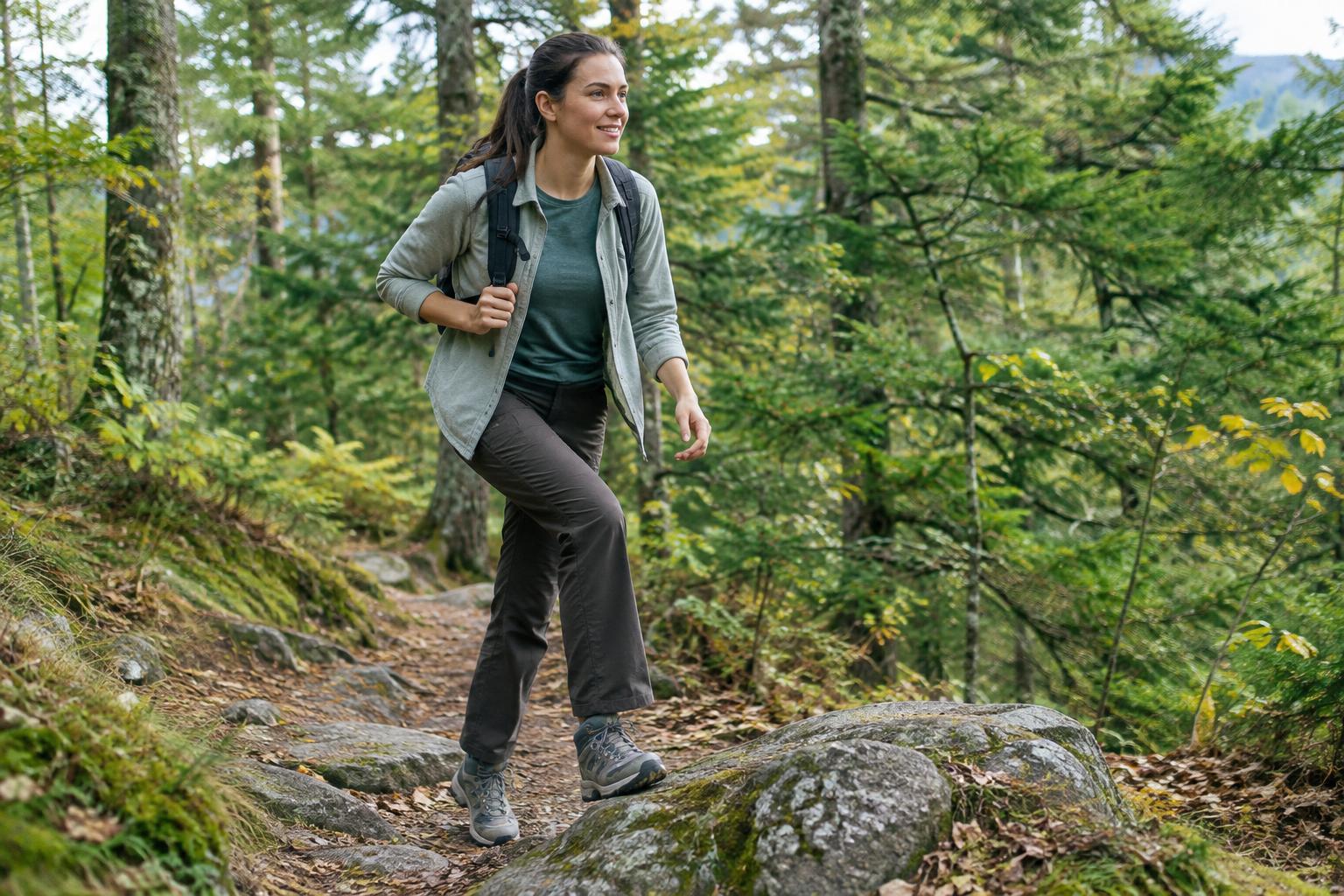
A walking outfit should feel comfortable in motion, not just in front of a mirror. When trying on clothes, take a few long strides, step onto a low platform, bend to adjust a shoe and reach both arms overhead. Notice whether the fabric pulls across your shoulders, hips or knees. A garment that feels only slightly restrictive indoors may become distracting after repeated steps on a route.
Look for enough room to move without so much excess fabric that it bunches beneath a pack or catches around your legs. Trousers should let you climb a step without pulling sharply at the waist. A top should stay comfortably in place when you raise your arms. If you are between sizes, compare how each feels during these movements rather than choosing by the number on the tag.
Pay attention to where clothing bends and rubs
Small design details can make a noticeable difference over a long walk. Articulated knees or a little stretch may help trousers follow your stride. A gusset, which is an extra panel of fabric at a seam, can give the legs more room to move. These features are useful only if the garment fits your body, so treat them as things to try rather than guarantees of comfort.
Check where waistbands, cuffs and seams sit. A firm waistband may feel fine until you bend or fasten a hip belt over it. Thick seams under pack straps can create pressure, while trouser hems that drag under your shoes can interrupt your stride. Walk around in the clothes with the accessories you expect to carry. If something twists, rides up or needs constant adjustment, another cut may serve you better.
Choose fabric for the conditions and the pace
Movement comfort also depends on how fabric feels as your temperature changes. Lightweight materials can feel less cumbersome on a warm walk, while a denser fabric may provide more protection from wind or rough vegetation. Many walkers prefer a base layer that handles perspiration without feeling heavy against the skin. Cotton can be pleasant in mild, dry conditions, but it tends to stay damp longer than many synthetic or wool options, which may be less comfortable when you stop or the air cools.
Stretch is helpful, but it is not the only measure of a good walking fabric. A non-stretch garment with a generous cut may move better than a stretchy one that is too tight. Feel the material, check whether it becomes transparent or restrictive when bent, and consider how it will behave after a wash. The best choice is one you can wear and care for comfortably on the kinds of walks you actually take.
Build layers that work together
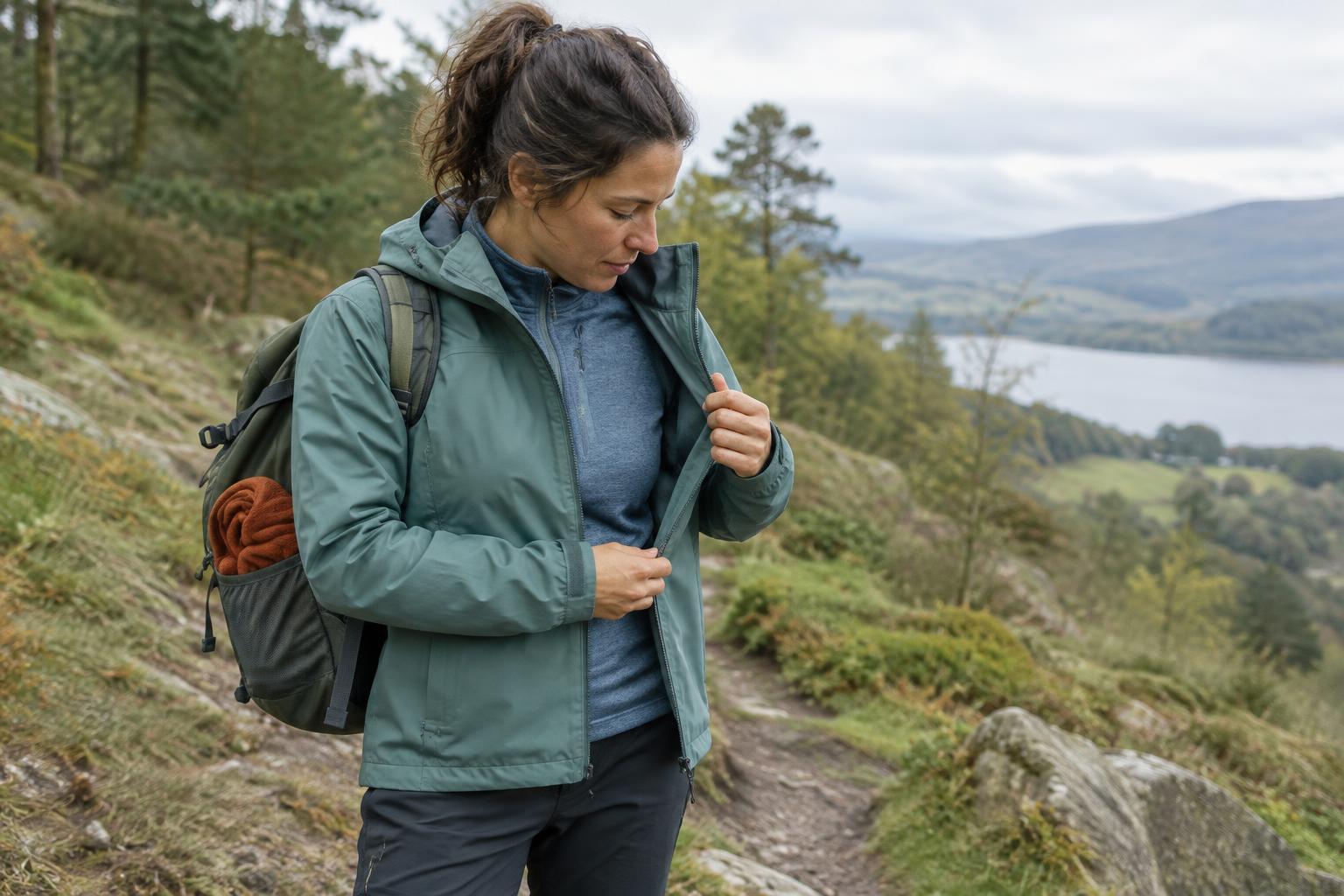
Layers let you adjust your clothing as effort and weather change. Begin with a comfortable layer next to your skin, then add warmth or weather protection as needed. Each piece should fit over the one beneath it without squeezing your arms or limiting your reach. Try the whole combination together: a jacket that moves well over a T-shirt might feel tight over a warmer midlayer.
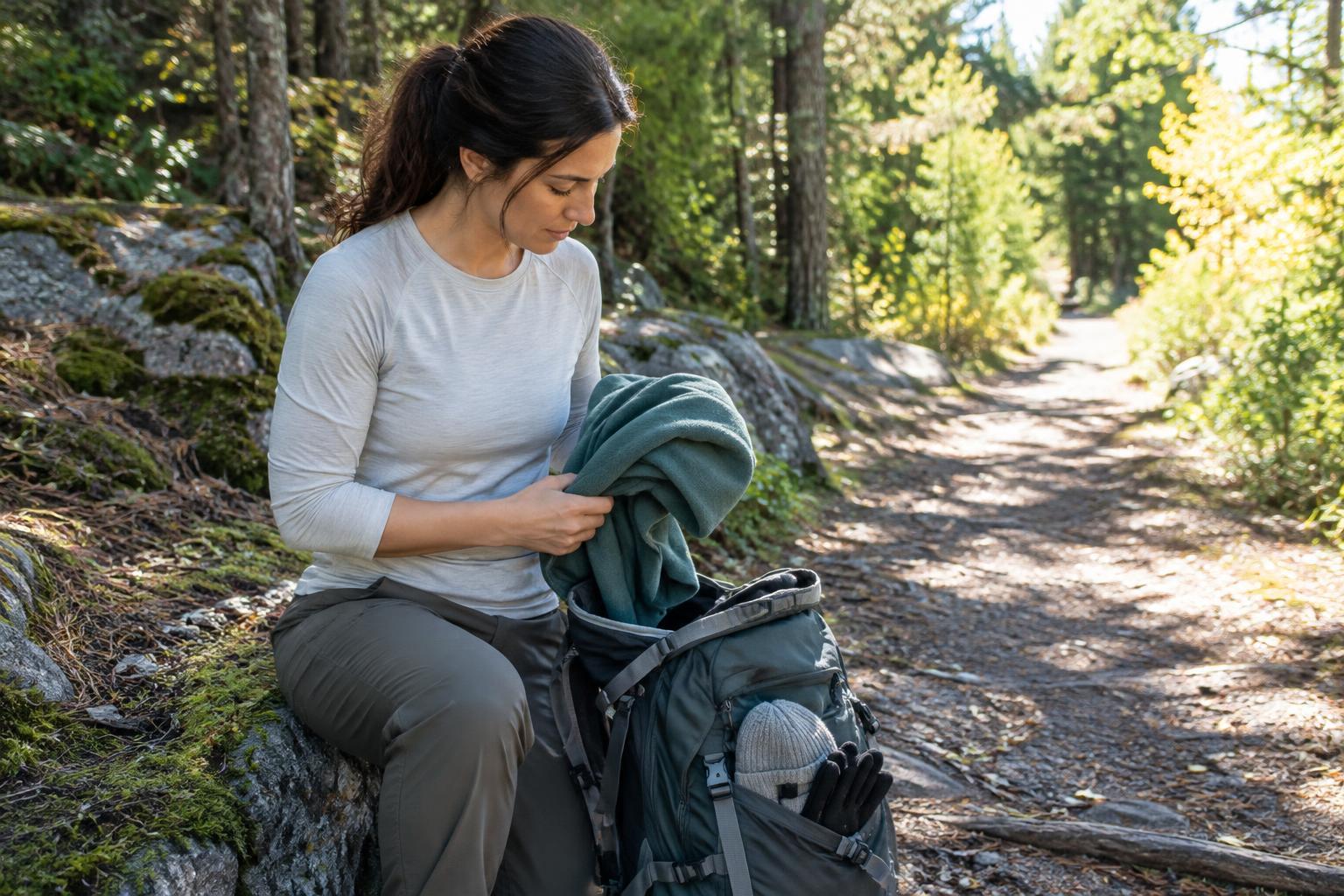
Think about how you will remove and carry layers, too. A bulky jacket may be useful at a rest stop but awkward to pack for the rest of a mild day. Zips, cuffs and hems should be easy to adjust without stopping for long. If you expect rain, test your outer layer with your walking pack on; shoulder straps and a hip belt can change how its sleeves and hem sit.
Give the outfit a short trial walk
Before relying on new clothing for a longer outing, wear the full outfit on a short walk. Include the shoes, socks and pack you plan to use. Walk at your usual pace, climb a few steps if possible, and pause long enough to notice whether you cool down quickly. This simple trial can reveal a slipping waistband, chafing seam or sleeve that pulls when you reach for a strap.
Make one change at a time if something feels wrong. Adjusting a pack strap might solve a rubbing point; a different trouser cut may be needed if the fabric restricts your stride. Keep the pieces that let you move naturally, regulate your comfort and focus on the walk rather than your clothes. That is a more useful standard than any single label, fabric or outdoor style.