Start with a walk you can repeat
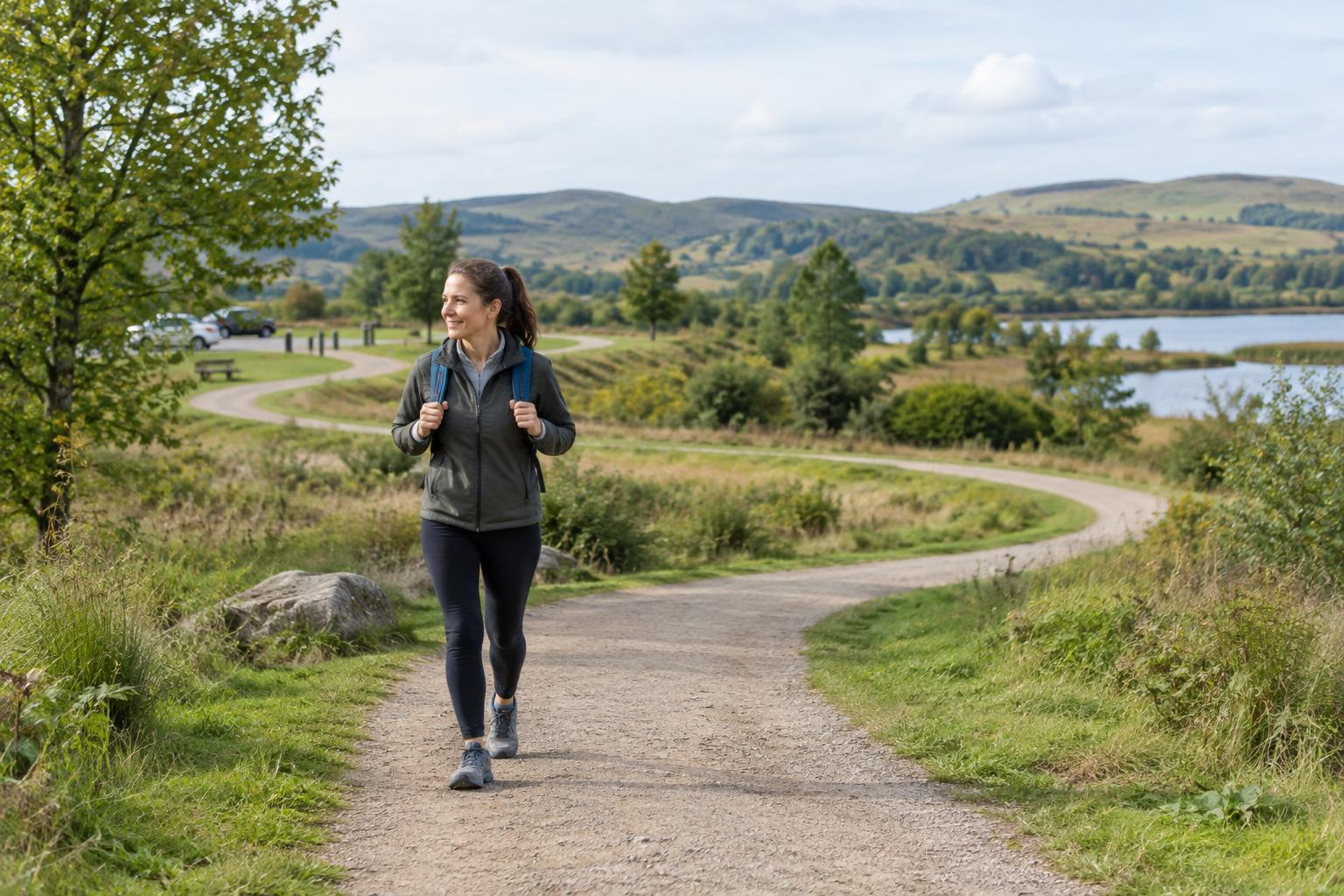
The best starting distance is not the farthest you can manage once. It is a walk you can complete comfortably enough to do again. Choose a familiar route at an easy pace and note how long it takes, where you slow down and how you feel afterward. A loop close to home or a short out-and-back path makes it easy to adjust the walk without being stranded far from your starting point.
If you are new to regular walking, begin with short, frequent outings rather than a single ambitious day trip. If you already walk often, use your usual distance as a baseline. Either way, allow for the parts of the outing that a distance figure misses: getting to the trail, stopping for a view and walking back when you are less fresh. Aim to finish feeling that you could have gone a little farther.
Change one thing at a time
To walk farther, extend one outing slightly while keeping your other walks familiar. You might add an extra loop through a park or continue to the next clear turnaround point. Repeat the new distance until it feels routine before extending it again. There is no need to increase the length of every walk each week; staying at the same distance for a while is still useful practice.
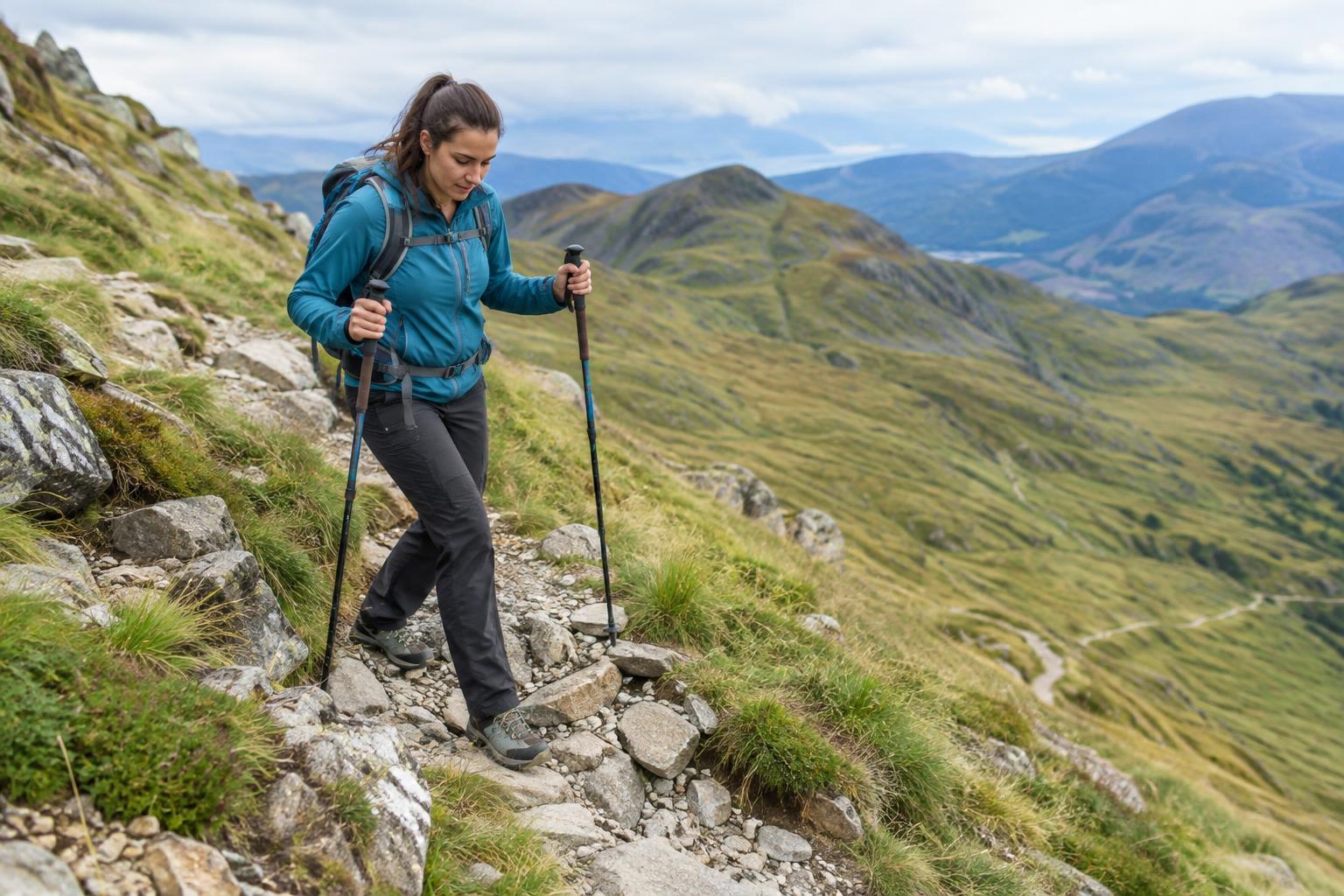
Pay attention to time as well as distance. A few extra miles on smooth, level ground can feel very different from the same distance on a rocky path. If you are trying a hillier route, a heavier daypack or a less even surface, let that be the challenge for the day rather than also setting a new distance goal. Smaller changes make it easier to tell what suits you.
Keep the pace comfortable and leave room to recover
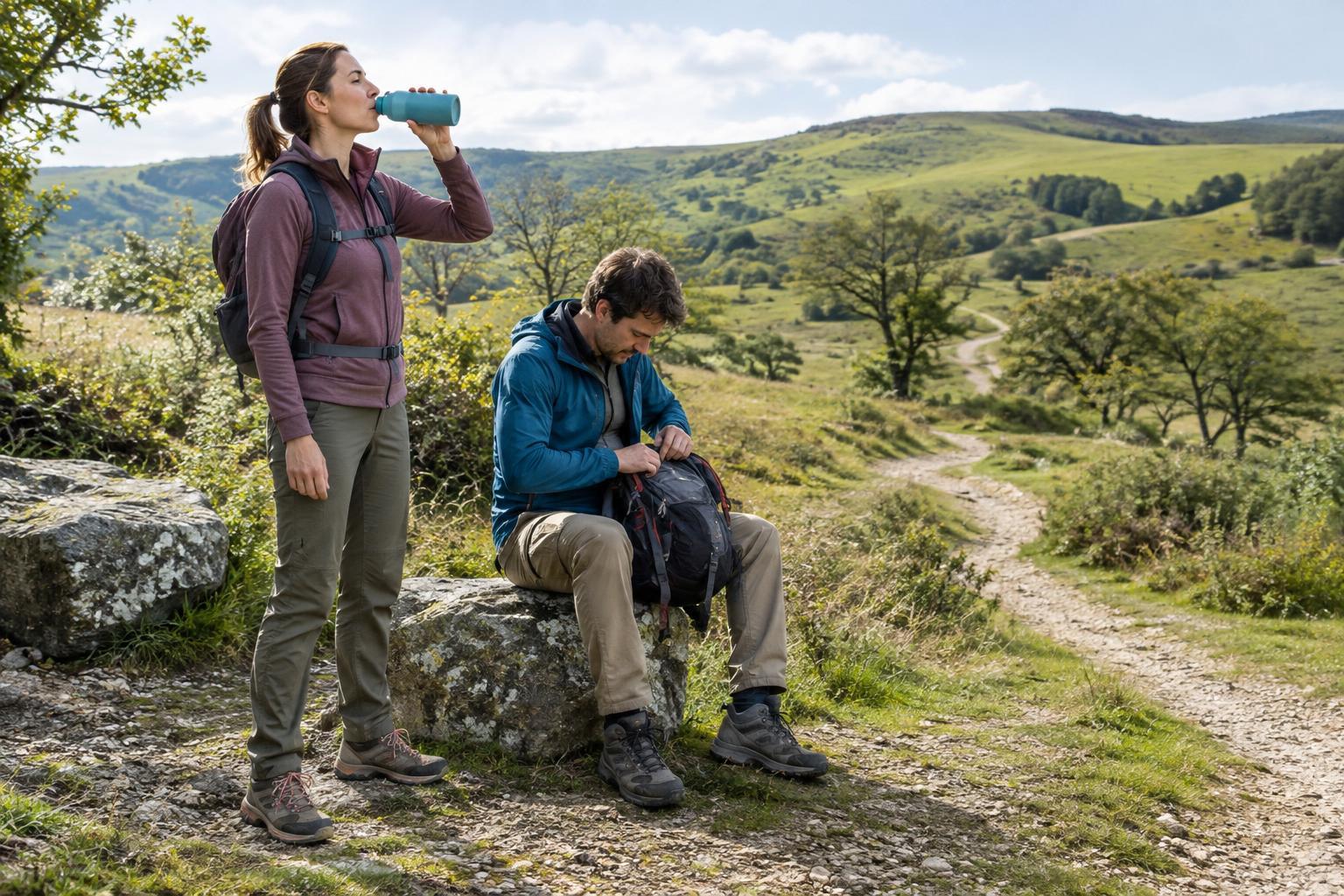
For most distance-building walks, choose a pace you can maintain without constantly pushing to catch your breath. Starting slowly is particularly helpful on an out-and-back route: the return still counts. Take short breaks when you need them, and use them to drink water, adjust a layer or check the route rather than waiting until you feel worn out.
Give yourself easier days between longer outings. That may mean a short stroll, a familiar route or a day without a planned walk. Normal day-to-day variation is expected, so judge progress over several outings instead of treating one difficult walk as a setback. If discomfort changes how you walk or does not settle with rest, pause the distance-building plan rather than trying to push through it.
Plan routes that make turning back easy
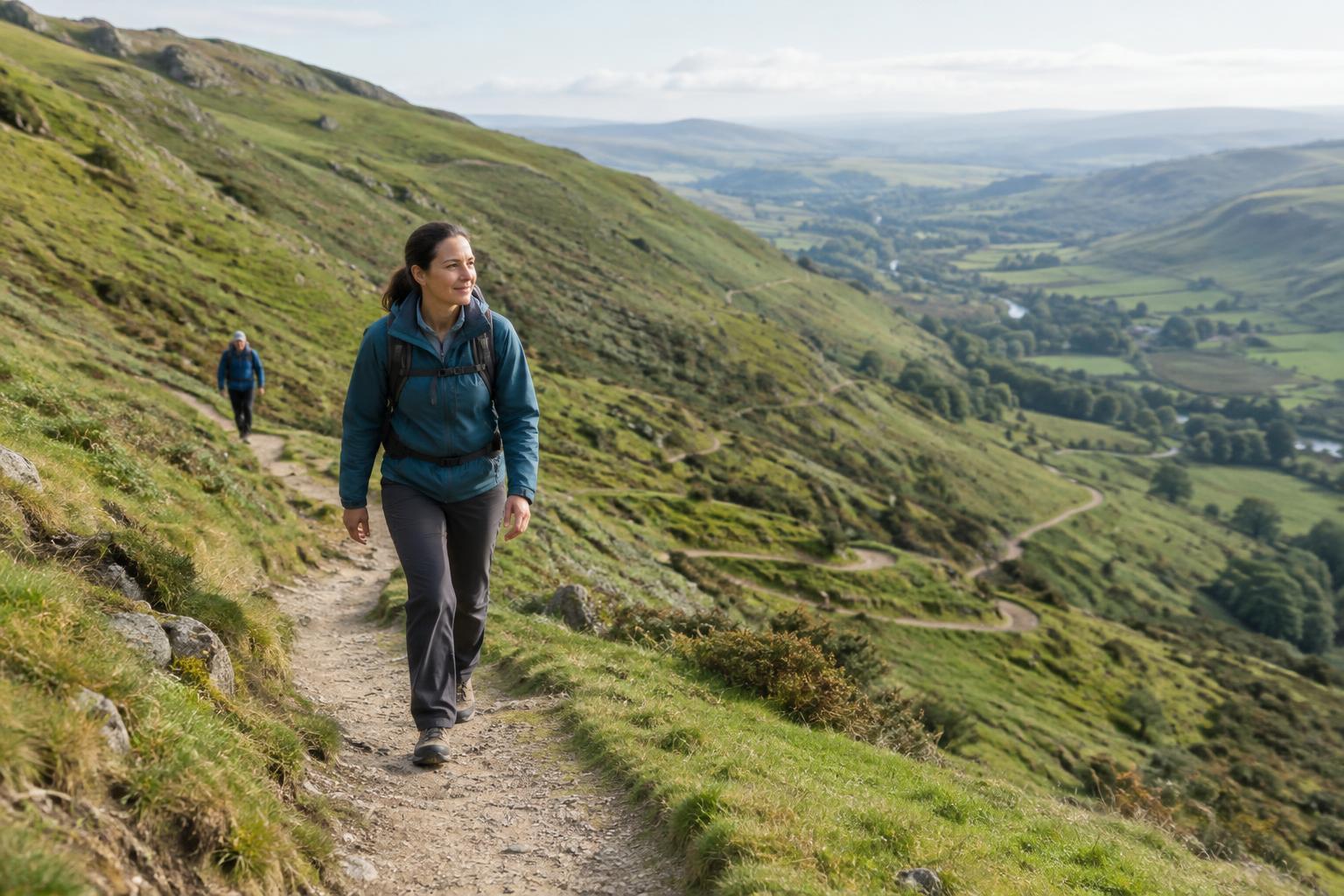
A gradual plan works best when your route offers choices. Linked park loops, paths with clear junctions and out-and-back trails let you decide how far to go as the day unfolds. Before leaving, look at the whole route, including the return, and choose a turnaround point you can recognize. If you are exploring somewhere new, allow extra time for navigation, uneven ground and stops.
Check the practical details before a longer day walk: access points, expected conditions, daylight, water and any facilities you hope to use. Carry what you need for the route rather than assuming there will be a shop or tap along the way. Tell someone your general plan when walking in a less familiar area. Turning around earlier than planned is a sound choice if the weather, route or your energy calls for it.
Use a simple record to guide the next outing
A few notes after each walk can be more helpful than a strict training schedule. Record the route, approximate distance or walking time, terrain, what you carried and how the final stretch felt. You may notice that hills tire you more than extra distance, or that a comfortable pair of shoes makes familiar routes easier. Use those observations to choose the next manageable step.
Keep the reason for walking in view. Building distance can open up new day trips, but it does not require turning every outing into a test. Some days are for a longer trail; others are for an unhurried walk with plenty of stops. When your usual route begins to feel comfortable, extend it a little or try a new route of similar length. Gradual progress leaves space to enjoy the walk itself.