Check the route before you leave
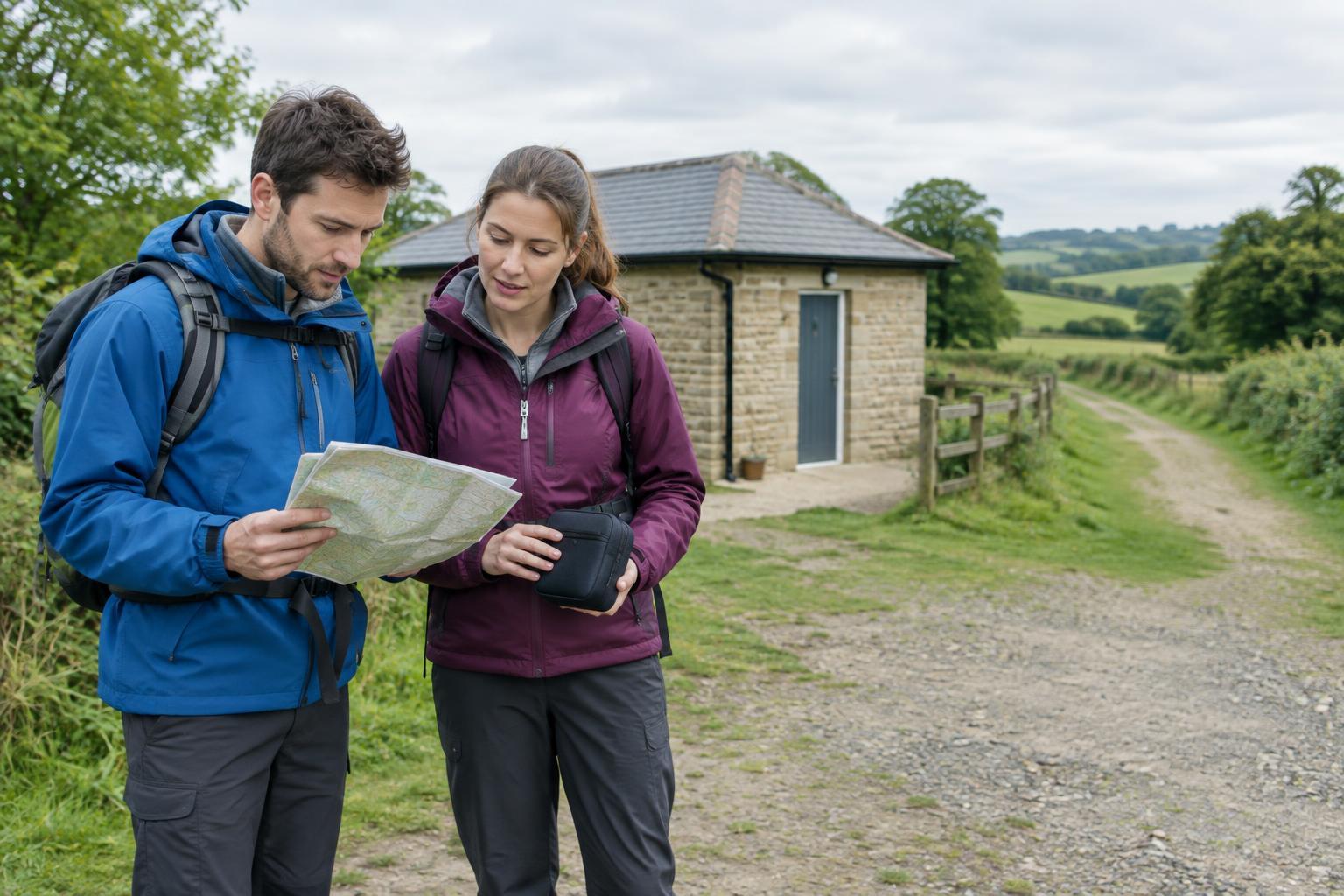
On a rural day walk, toilets may be concentrated at the start and finish, with none along the path. Look at your route before setting off and mark possible facilities at trailheads, visitor centres, villages or staffed attractions. A toilet symbol on a map is a useful lead, not a guarantee: facilities can be seasonal, locked or reserved for customers. Check any available opening information, and avoid making your only planned stop one you cannot confirm.
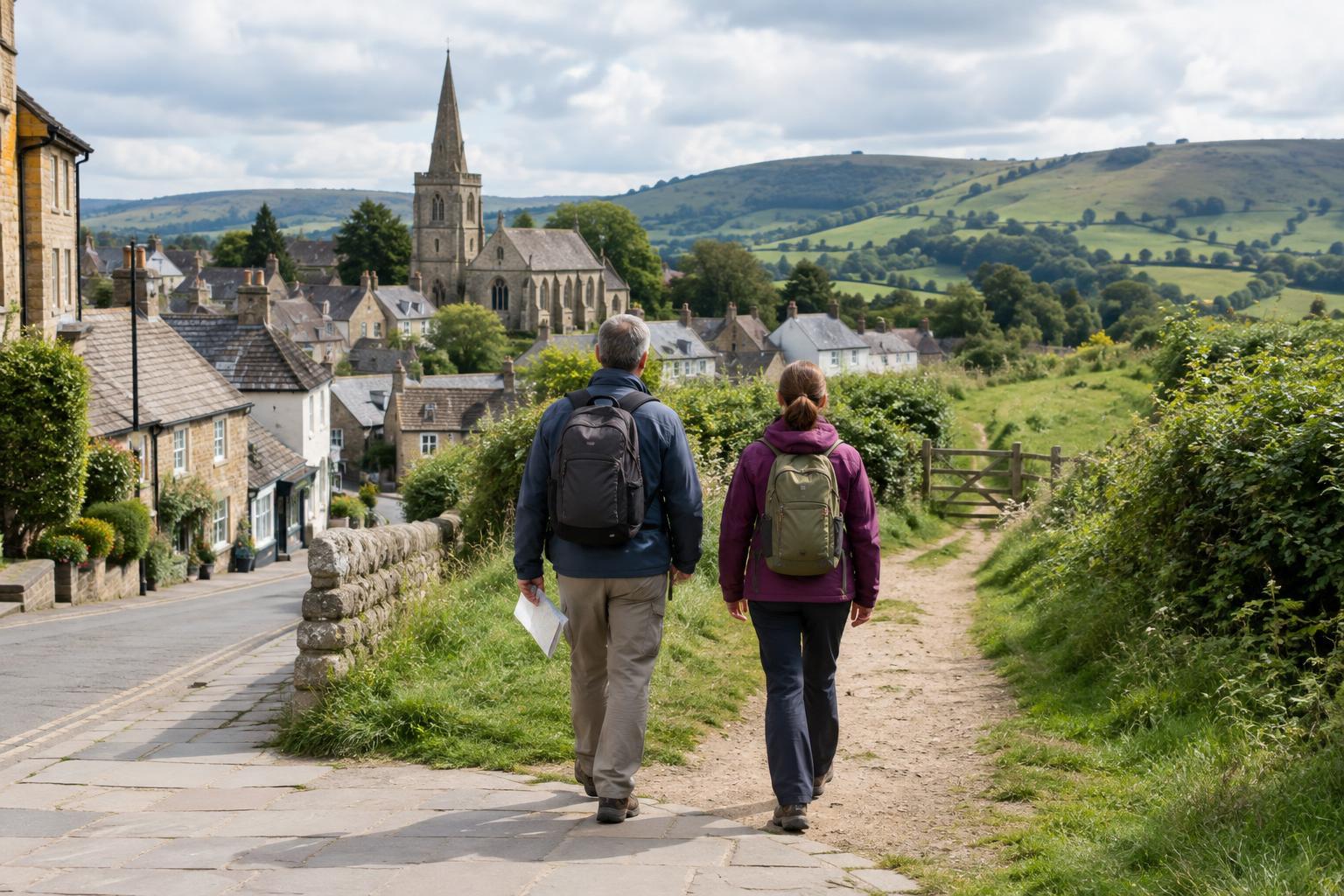
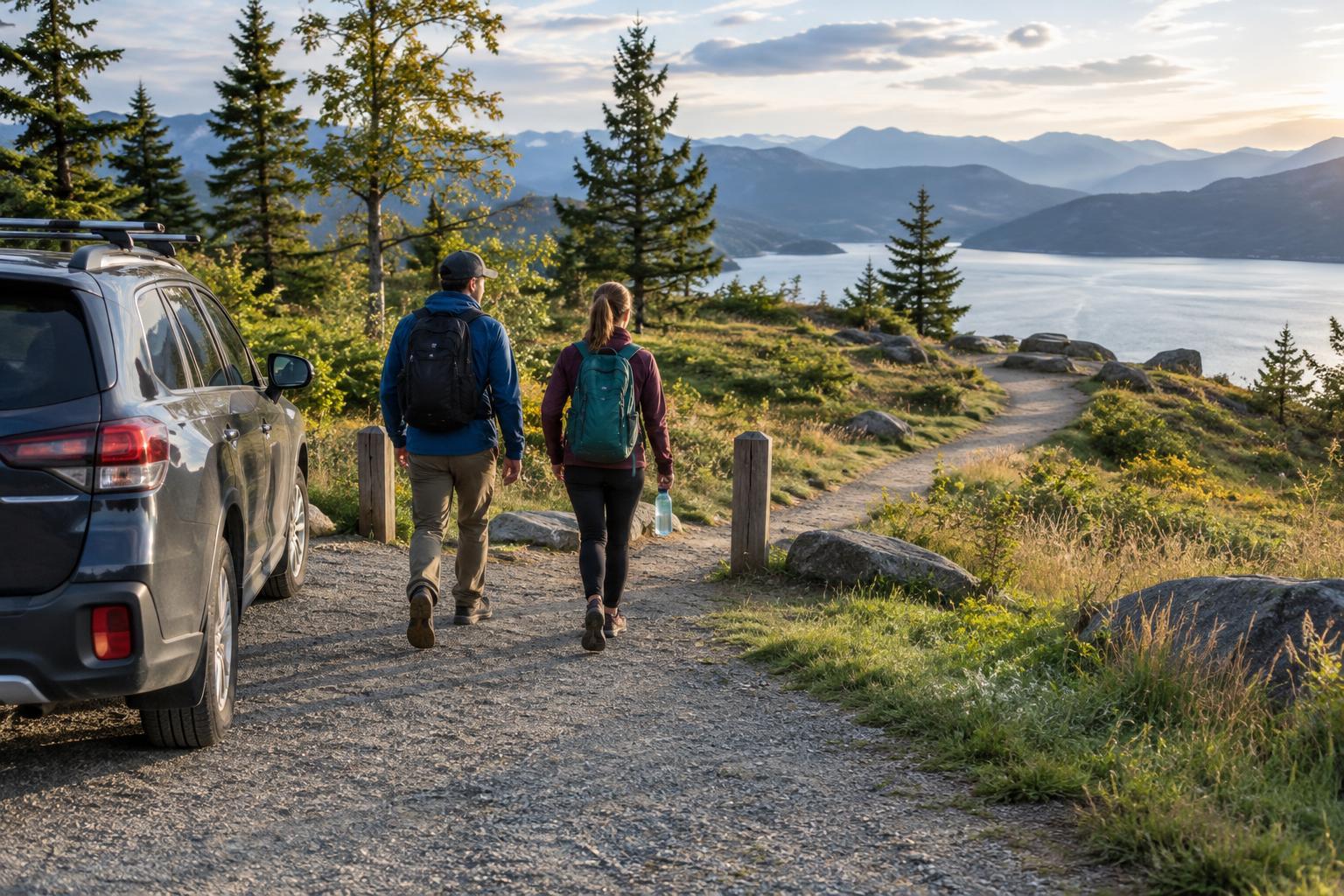
Think about timing as well as distance. A short walk with a long drive to the trailhead may need a stop before you start. A longer route may pass a village just once, so note where it falls in the day. If the route has no dependable facilities and that is likely to be difficult for someone in your group, choose another walk or adjust the starting point. Planning for comfort is a sound reason to change a route.
Make a simple stop plan for the whole group
Use a toilet when one is available rather than assuming there will be another around the next bend. At the start, let everyone know where the known stops are and which stretches have no facilities. This gives people a chance to speak up before the group moves on. Build enough time into the walk for breaks; a rushed schedule can make a straightforward need stressful.
Ask about practical requirements without asking anyone to explain private details. Children may need more frequent opportunities, while some walkers need an accessible toilet, a place to change a product or extra time. Check whether a proposed facility actually meets those needs instead of treating every toilet marked on a map as interchangeable. It also helps to identify a shorter return option if the day does not go as planned.
Pack a small, self-contained hygiene kit
Keep a few supplies together in a waterproof pouch: toilet paper or tissues, hand sanitiser, and a sealable bag for used paper and other waste. A second bag can keep clean items separate. Add any personal supplies you may need, such as period products, spare underwear or a small trowel if digging is permitted on your route. Keep the kit somewhere you can reach without emptying your whole pack.
Take used tissues, wipes and hygiene products home for disposal unless a suitable bin is provided. Even products labelled biodegradable can remain visible or cause problems when left outdoors. Do not put wipes or other bulky items into a toilet unless its instructions say they can be flushed. Sanitiser is useful when there is no sink, but wash with soap and water when facilities are available, especially before eating.
If there is no toilet, follow local guidance
First, check whether you can reasonably reach a proper facility. If you cannot, look for any posted rules or land-manager guidance on outdoor toileting. Requirements differ between places: some allow burial of human waste in appropriate ground, while others require it to be packed out. Do not dig where it is prohibited, where the soil is too shallow, or in sensitive ground. If you expect to walk somewhere with few facilities, find out what the area requires before you go.
Where an outdoor stop is allowed, choose a discreet spot away from paths, water, drainage channels, buildings and places where people rest. Avoid trampling vegetation to reach it. If burial is permitted, use suitable soil and cover the waste completely; carry out toilet paper rather than leaving it on the ground. Never use a stream or other water source as a toilet. Privacy matters, but so does leaving the place clean for the next walker.
Review the plan after the walk
A useful toilet plan does not have to be complicated: know the likely facilities, allow time to use them, carry a small kit and have a fallback if a stop is closed. After the walk, note which facilities were actually available and whether the gaps between them felt manageable. Those observations can help you choose future routes, particularly when walking with the same group.
Rural facilities and access rules can change, so treat your notes as a starting point rather than a promise. Checking again before the next trip is a small task that can make the whole day easier.