Start with layers you can change easily
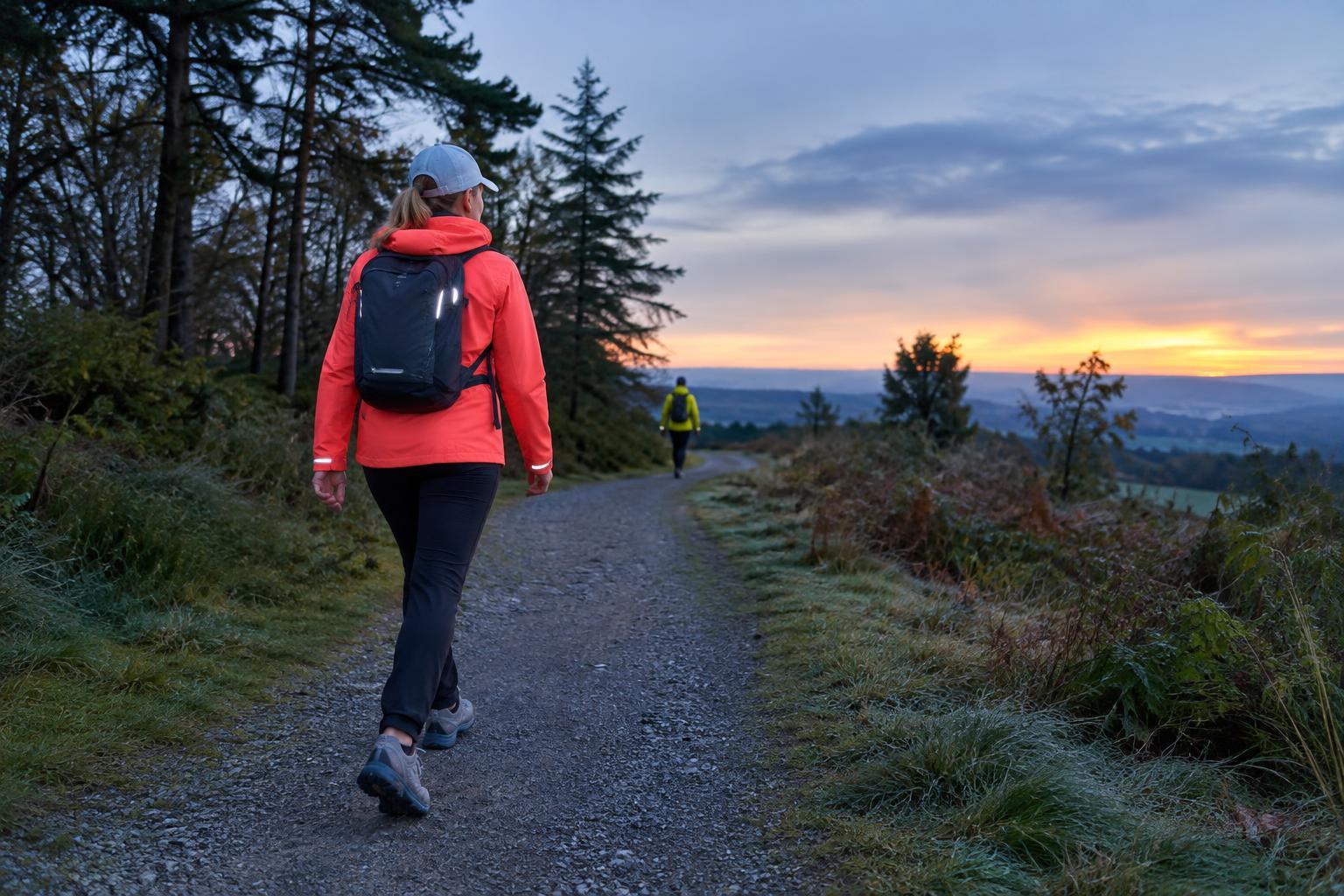
The most useful outdoor outfit is not necessarily the warmest one at the trailhead. It is one you can adjust without a lengthy stop. For a typical day walk, think in three parts: a base layer against your skin, an insulating layer for warmth, and an outer layer for wind or rain. You may not need to wear all three at once, but carrying the layers you expect to use gives you options when conditions shift.
Choose pieces that work together without feeling tight or restricting your arms. A lightweight top that handles moisture comfortably is often easier to manage than a thick garment worn against the skin. An insulating layer should be simple to pull on during a break, while a shell should fit over it if the weather turns. Keep frequently used items near the top of your pack rather than buried under lunch and spare gear.
Adjust early when your pace picks up
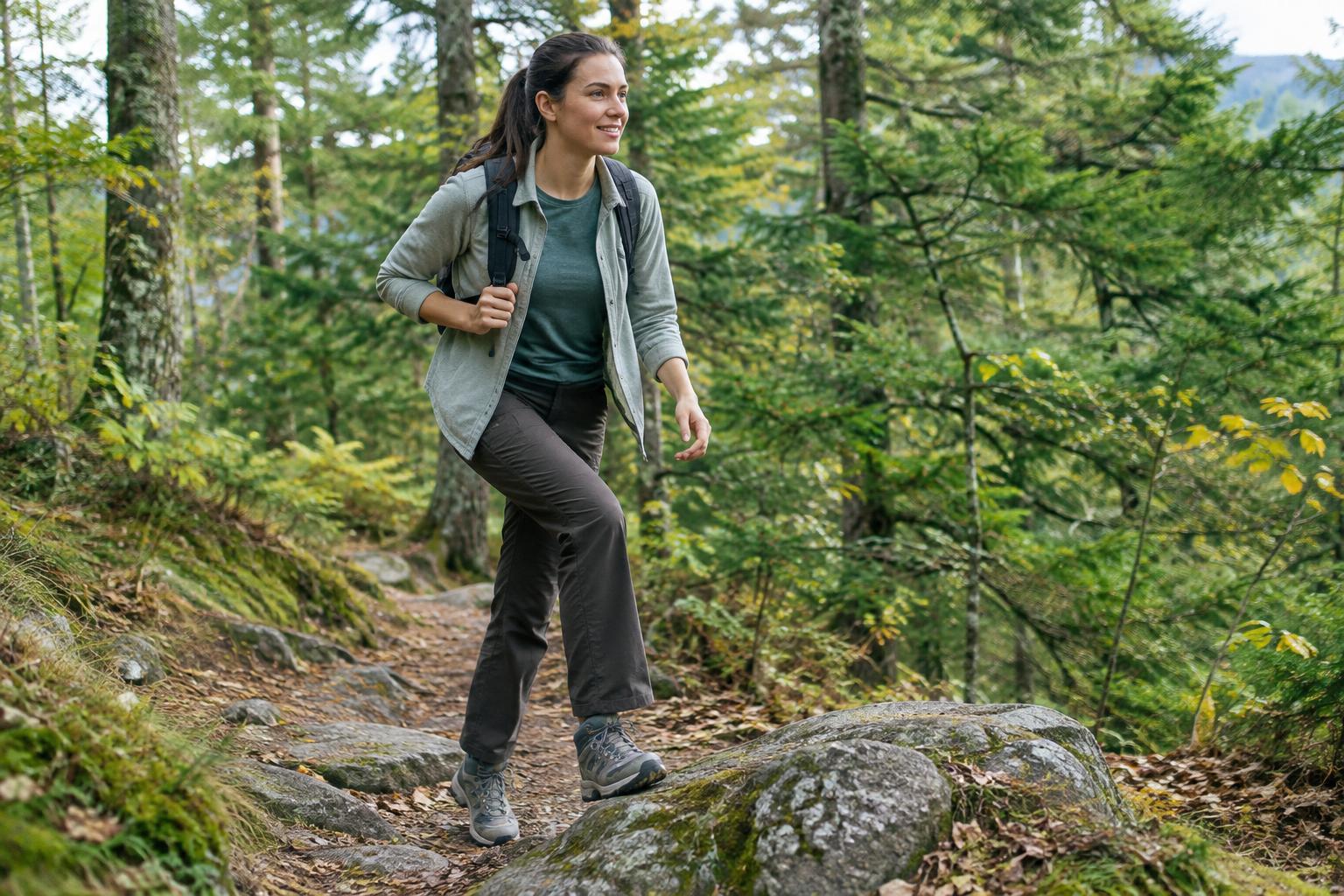
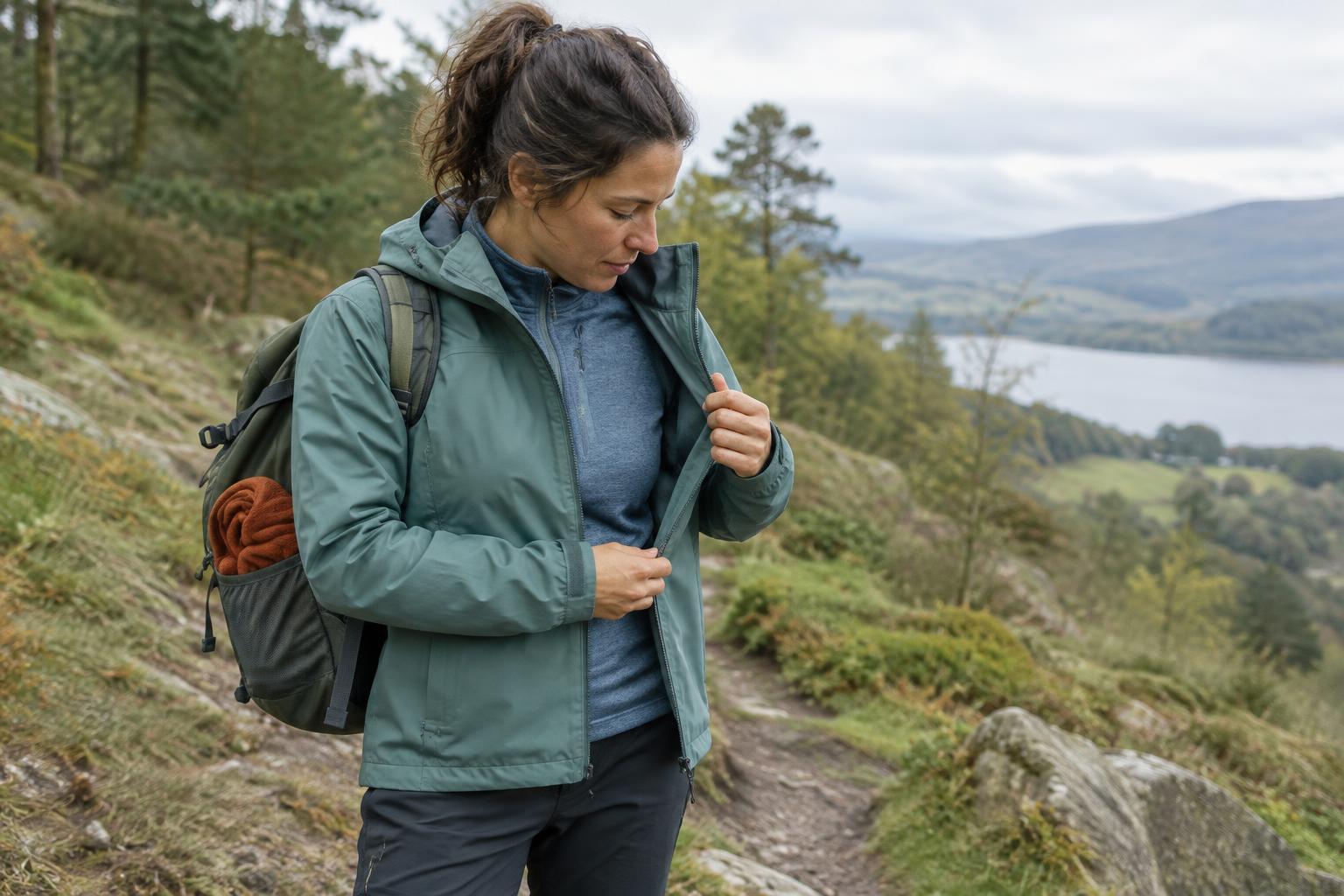
Walking uphill, moving briskly or carrying a pack can make you feel much warmer than the air temperature suggests. If you wait until your clothing is damp with sweat, you may feel chilled when you slow down. At the first sign of overheating, try a small adjustment: open your front zip, loosen your cuffs, remove a hat or use the vents on your shell. If you are still too warm, stop somewhere safe and take off a layer.
A slight cool feeling as you begin moving can be comfortable once your body warms up. That does not mean you should ignore persistent cold or shivering. The aim is to respond to how you feel during the activity, not to follow a rigid rule about what to wear at a particular temperature. Check in with yourself after climbs, changes in wind exposure and any noticeable shift in pace.
Put warmth back on before you cool down
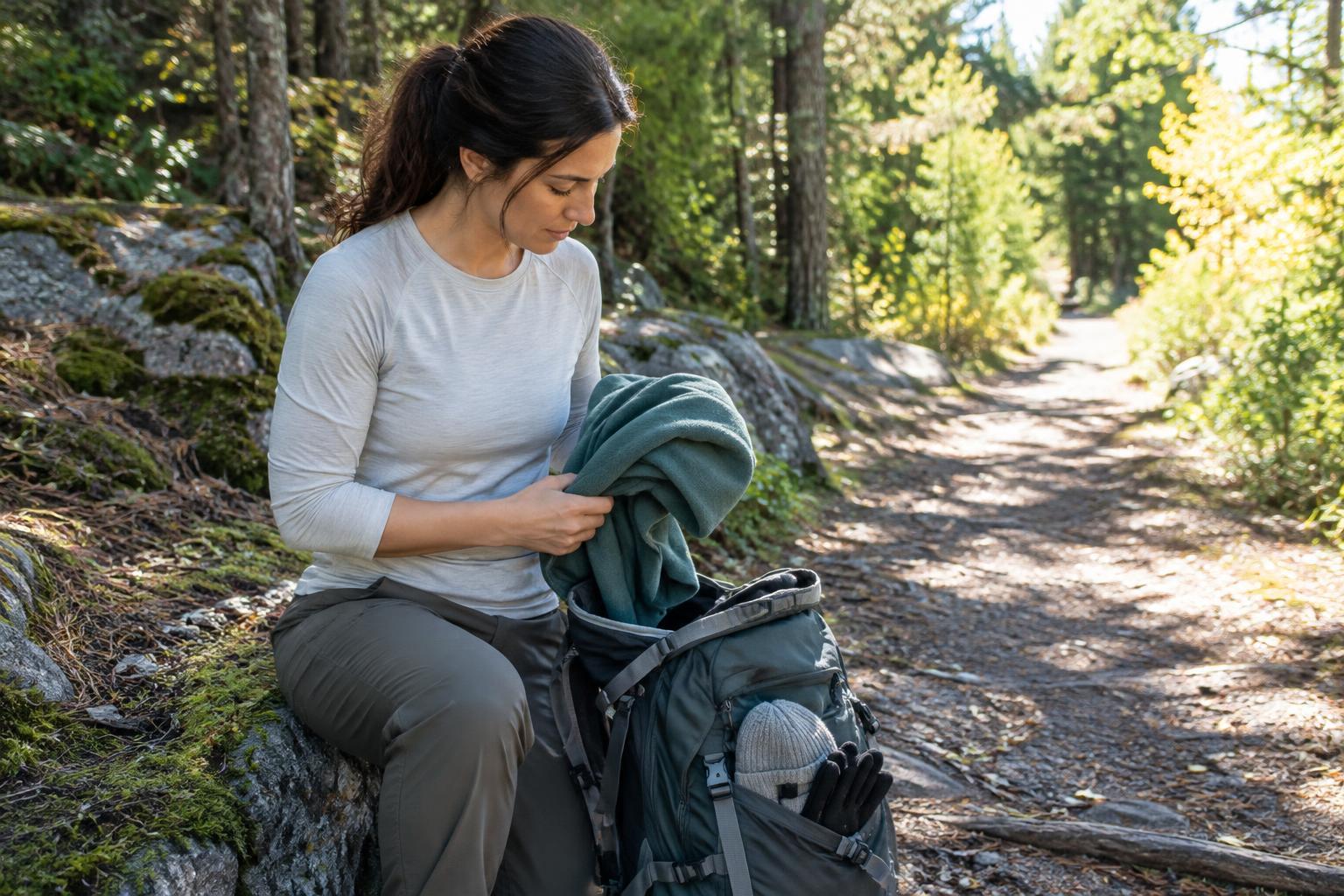
The same clothing that felt right during a climb may feel too light when you stop to look at a view or eat lunch. As your effort drops, consider putting on your insulating layer before you become uncomfortably cold. If the wind is strong, an outer layer can also help retain warmth, even when it is not raining. Small additions, such as a hat or gloves, are quick ways to make a short pause more comfortable.
For a longer break, choose a sheltered spot when possible and avoid sitting in wet clothing if you have a practical alternative. If a base layer has become noticeably damp, a dry spare top can be useful on trips where you expect extended stops. Pack the layer you remove so it stays dry and easy to find later; a warm garment is less helpful if it ends up soaked in an open bag.
Use the outer layer for weather, not just warmth
A shell changes how air and moisture move around your clothing. It can block a chilly breeze, but it may also trap heat during hard walking. When conditions allow, unzip it or use its vents before removing insulation underneath. If rain or wind picks up, close it again and adjust the hood and cuffs so the coverage feels secure without obscuring your view or limiting movement.
Pay attention to where dampness is coming from. Moisture inside a shell can be perspiration rather than rain getting through. If you feel clammy while working hard, reducing your pace or opening a vent may help. If rain is reaching your inner layers, check that openings are closed and that your pack straps have not shifted the jacket out of place. In either case, assess your comfort again when the terrain levels out.
Make adjustments part of your walking rhythm
You do not need to rebuild your outfit at every bend in the path. Use natural pauses, such as a junction or a water stop, to ask three questions: Am I getting too warm, am I getting damp, and will I be moving or resting next? Vent first for a minor change; add or remove a garment when the change is likely to last. This keeps adjustments simple while preventing a small discomfort from becoming a persistent one.
Before setting out, check the likely conditions and pack for the range you might reasonably encounter, including a cooler return walk. During the trip, keep watching both the weather and your own response to it. With practice, layering becomes less about finding one perfect outfit and more about making timely, manageable changes that help you enjoy the walk.