Stop before a small mistake becomes a bigger one
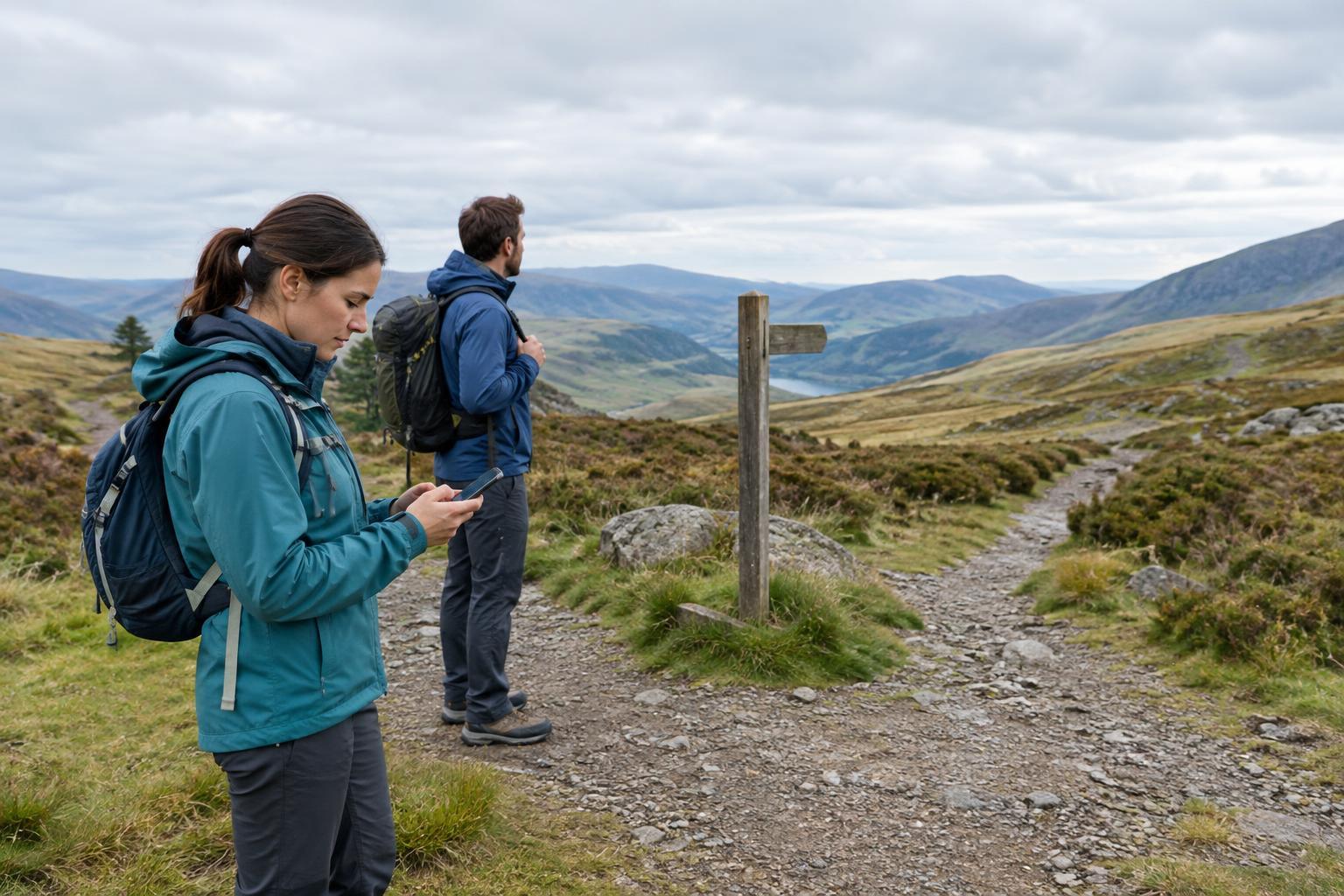
If the path seems to disappear, stop walking. It is tempting to keep going in the hope that the next bend will reveal a sign or a familiar view. But each extra turn can make your last known position harder to identify. Step to a safe spot away from steep edges, traffic or unstable ground, take a breath, and bring your group together.
Think back to the last place you were certain you were on the intended route. Was it a junction, bridge, gate or trail marker? Note the time and your current surroundings, including any signs, path surfaces or distinctive features. If you are walking with others, agree to stay together rather than sending someone ahead to scout. A lost trail is easier to handle when everyone works from the same information.
Check your position without guessing
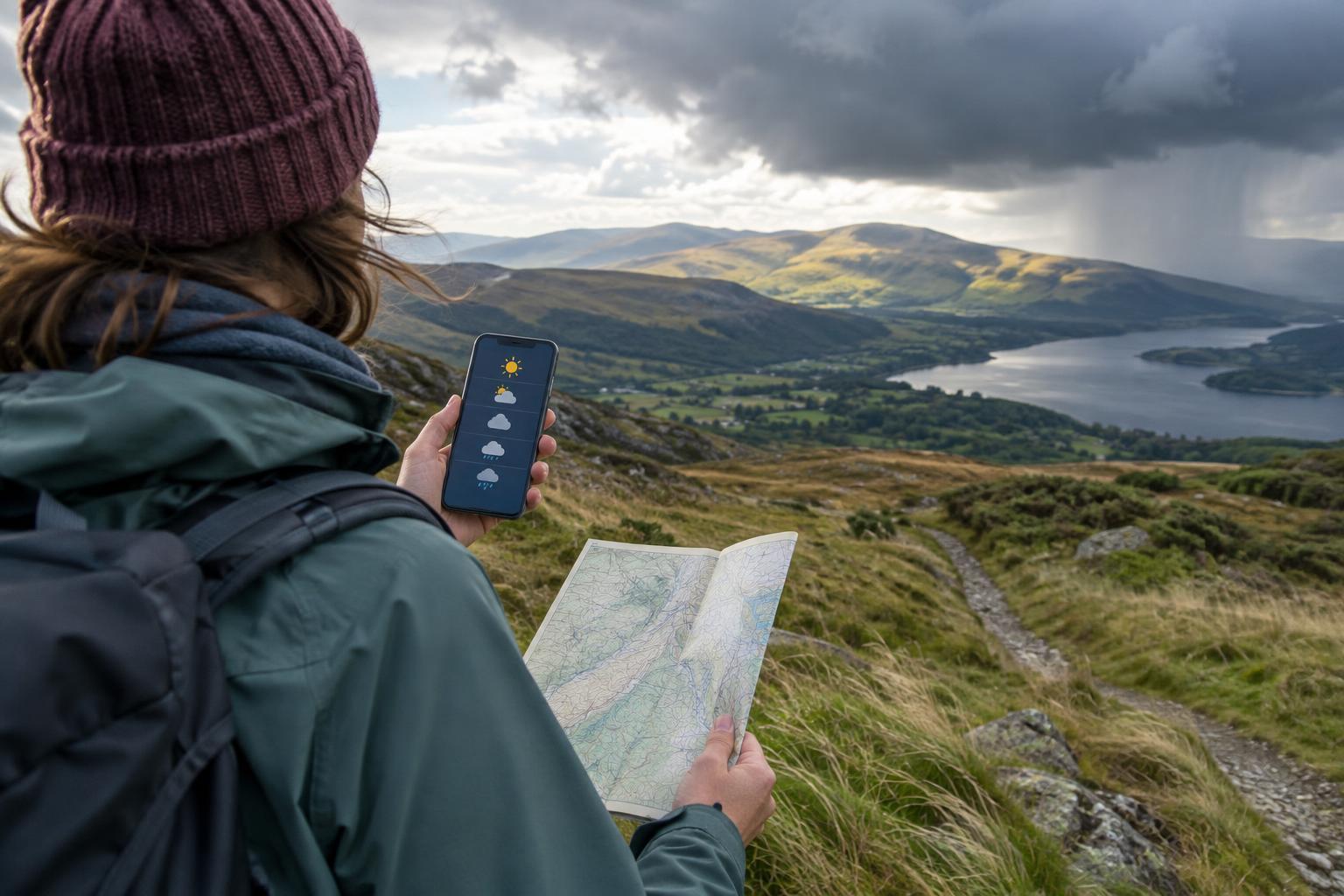
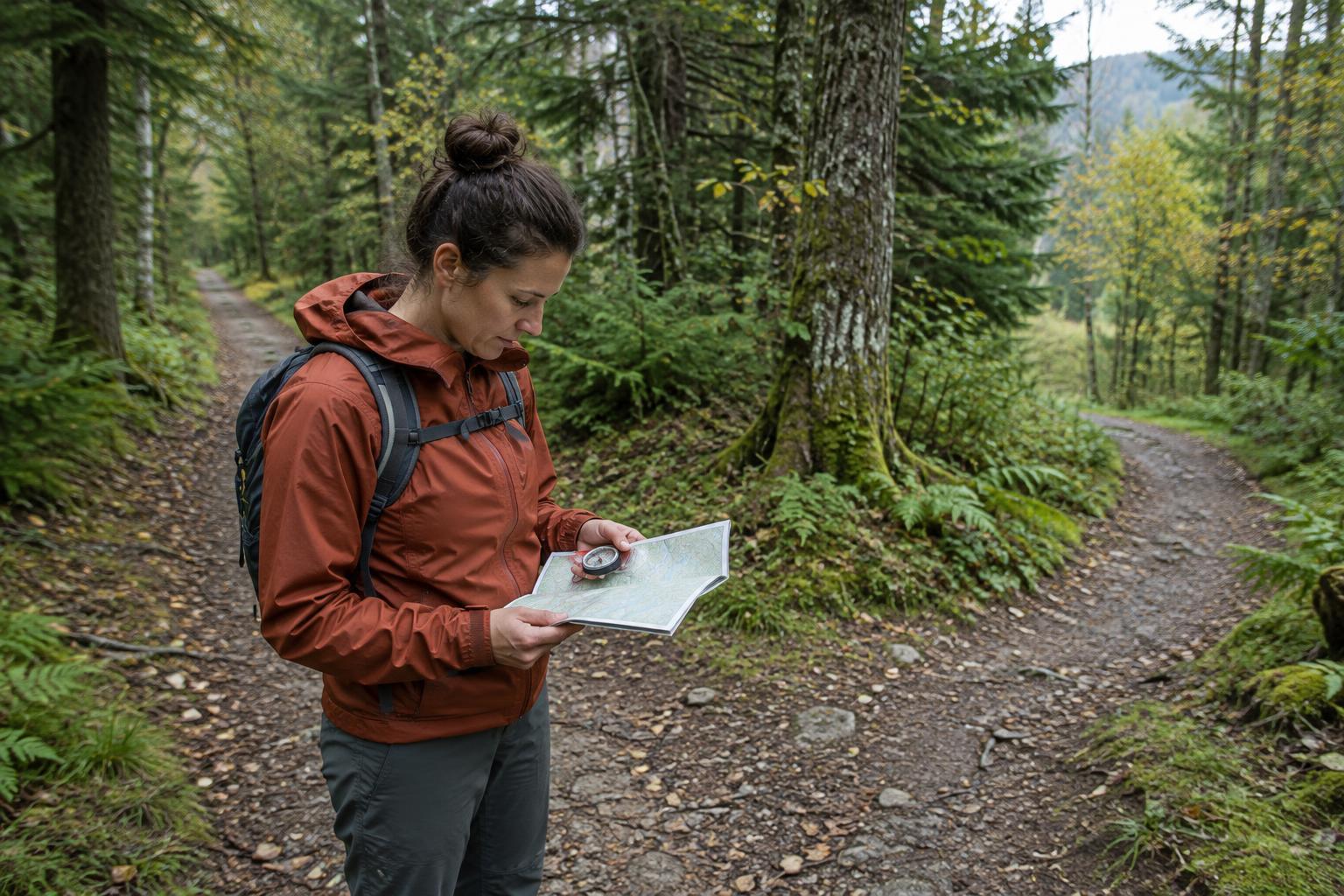
Compare what you can see with the map or route description you brought. Look for features that are unlikely to be confused, such as a stream crossing, a sharp bend in a road or a clearly marked junction. A phone map can help, but a location dot is not a substitute for checking the terrain around you. It may be imprecise, and a downloaded route may not reflect every path or closure.
If you have a compass and know how to use it, it can help you orient your map. If you do not, avoid setting off on a guessed bearing through open country or woodland. Do not assume that following a stream downhill or taking the widest-looking track will lead to your starting point. The useful question is not simply “Which way feels right?” but “What evidence connects this place to a safe, known route?”
Retrace only when the way back is clear
If you can confidently identify the path you just walked, retracing it to your last certain point is often the simplest option. Go slowly and check for the feature you expect to find. Set a limit before you move: if the path becomes unclear, the terrain worsens or you do not reach that feature, stop and reassess rather than pressing on.
Do not scramble down a slope, cross deep or fast-moving water, or push through dense vegetation to regain a trail you can see in the distance. A visible path is not necessarily an accessible one. If daylight is fading, someone is injured, or your group is cold or exhausted, a cautious decision to remain in a safe place and seek help may be better than a difficult return attempt.
Ask for help early when you need it
If you cannot establish where you are, cannot safely retrace your steps, or face worsening weather or darkness, contact the appropriate local emergency or rescue service. Do not wait until your phone is nearly flat or your group is in serious distress. Tell them where you started, your intended route, your last known point, any coordinates or map reference you can provide, the number of people with you, and any injuries or immediate hazards. Follow the instructions you receive.
If you have a signal, you may be able to share your phone’s location as well as describe nearby features. Keep enough battery for further contact: reduce screen use, close unnecessary apps and keep the phone warm and dry. If a call does not connect, try again from a nearby safe spot with a clearer view, but do not climb or wander into hazardous ground in search of reception. If you told someone your route and return time, contact them too when possible so they have accurate information.
Stay safe and make the next walk easier
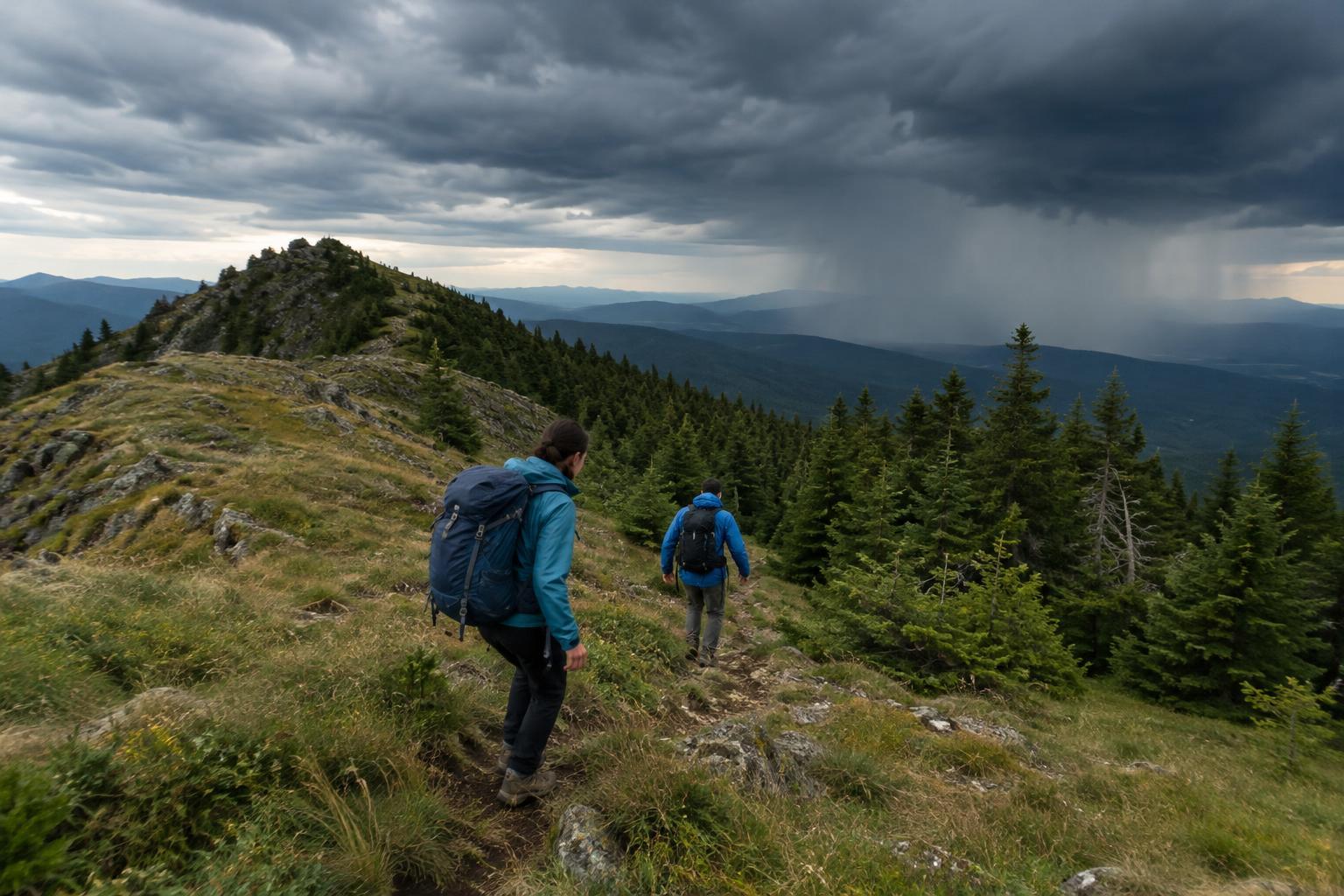
While you wait or reassess, put on an extra layer before you become chilled. Use a waterproof layer if rain or wind picks up, and take stock of your water, food and daylight. Choose a spot away from falling branches, watercourses and exposed edges. If rescuers are looking for you, staying in an agreed location can make you easier to find; move if your position becomes unsafe, and tell them if you can.
Before future walks, save an offline map, read the route at home and note a few unmistakable checkpoints. Carry a charged phone, a suitable layer and a small light even for a short outing. Let someone know your plan and when you expect to return. These habits will not prevent every wrong turn, but they give you better options when the trail is no longer obvious.