Start with the meals you actually pack
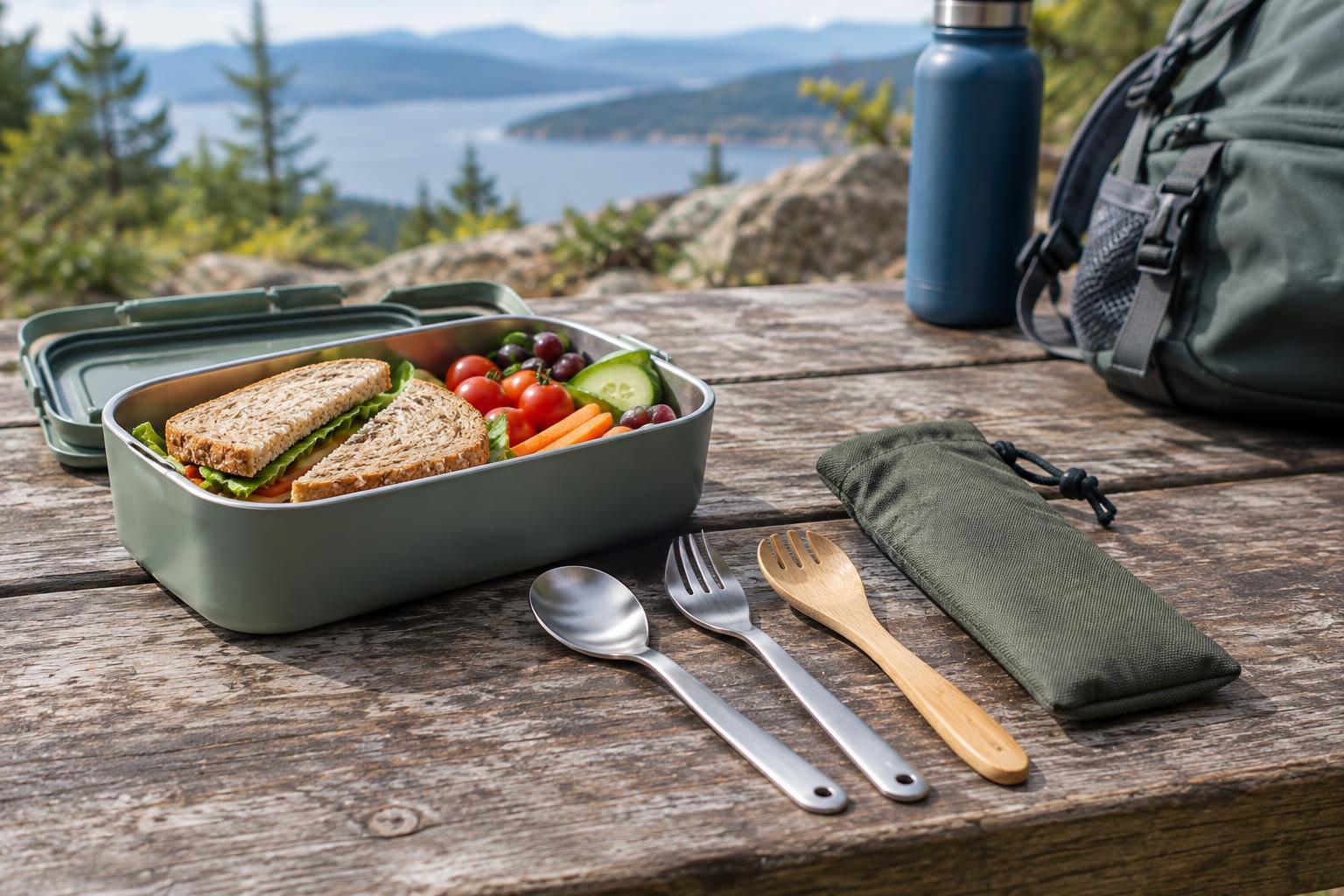
The most useful travel cutlery is the cutlery that works with your usual lunch. A spoon may be all you need for soup, porridge or yogurt, while a fork is easier for pasta, salads and foods you pick up in pieces. If your meals vary, a separate spoon and fork offer more flexibility than a single combination utensil. Before buying a set, think through a few lunches you regularly take and note which utensils you would reach for at home.
Combination utensils save space, but their shape matters. A shallow spoon bowl can make soup awkward, and short fork tines may struggle with noodles or firm vegetables. A utensil with a fork on one end and a spoon on the other can also be messy to handle once both ends have touched food. If possible, try holding the design as you would while eating, rather than judging it only by how compact it looks.
You may not need a knife. For sandwiches, fruit and other ready-to-eat lunches, a spoon and fork might be enough. If you often spread toppings or cut soft food, a blunt table-style knife may be useful. Check any transport or venue rules that apply to your trip before packing a cutting tool.
Choose a comfortable size and material
Very short utensils fit almost anywhere, but they can be frustrating with a deep food container. Look for a handle long enough to reach the bottom without forcing your fingers against the rim. A wider grip may feel steadier than a thin handle, especially when eating while seated on a bench or rock. Lightweight gear is convenient, but a utensil should still feel firm when you press it into food.
Stainless steel is sturdy and generally straightforward to wash, though it may weigh more than some alternatives. Plastic can be light and quiet in a container, but check that the particular utensil feels strong enough for the food you bring. Wood or bamboo may appeal if you prefer their feel in the hand; inspect their care instructions, as prolonged soaking or storage while damp may not suit every product. The best material is one you will use, clean and store consistently.
Pay attention to edges and joints as well as the main material. Rough fork tips, a sharp seam on a handle or a folding hinge that traps food can make a compact design less pleasant in practice. A folding utensil should lock or stay open reliably during ordinary use, then close without pinching your fingers.
Make it easy to pack and carry home
A simple sleeve or case keeps clean cutlery separate from loose items in your daypack. It also gives you a place to put the utensil after lunch, although a case is not a substitute for washing it. Choose one that is easy to open, fits the full length of the utensil and can be cleaned if food gets inside. An oversized case may take up more room than the cutlery itself.
Consider where the set will live between trips. Keeping it with your lunch container can make it easier to remember, provided both are clean and dry before storage. If you pack food in different bags, a spare utensil in a small pouch can be handy. Avoid leaving used cutlery loose beside clothing or electronics; wrap or contain it until you can wash it properly.
Plan for cleaning before you leave
Cutlery is easiest to manage when you decide in advance what will happen after the meal. On a short walk, you can usually bring used utensils home in a washable case or separate bag. Scraping off remaining food into an appropriate waste container before packing up helps keep the mess contained. Do not rinse food scraps into a stream or leave them at a picnic spot.
At home, wash the utensil and its case according to their care instructions, paying particular attention to folds, seams and narrow corners. Let both dry fully before putting them away. If a design is so fiddly that you dread cleaning it, a plain spoon and fork may be the more practical travel set. The right choice is not necessarily the smallest one: it is the one that makes outdoor lunch comfortable without creating extra work afterward.