What gaiters do—and when to bring them
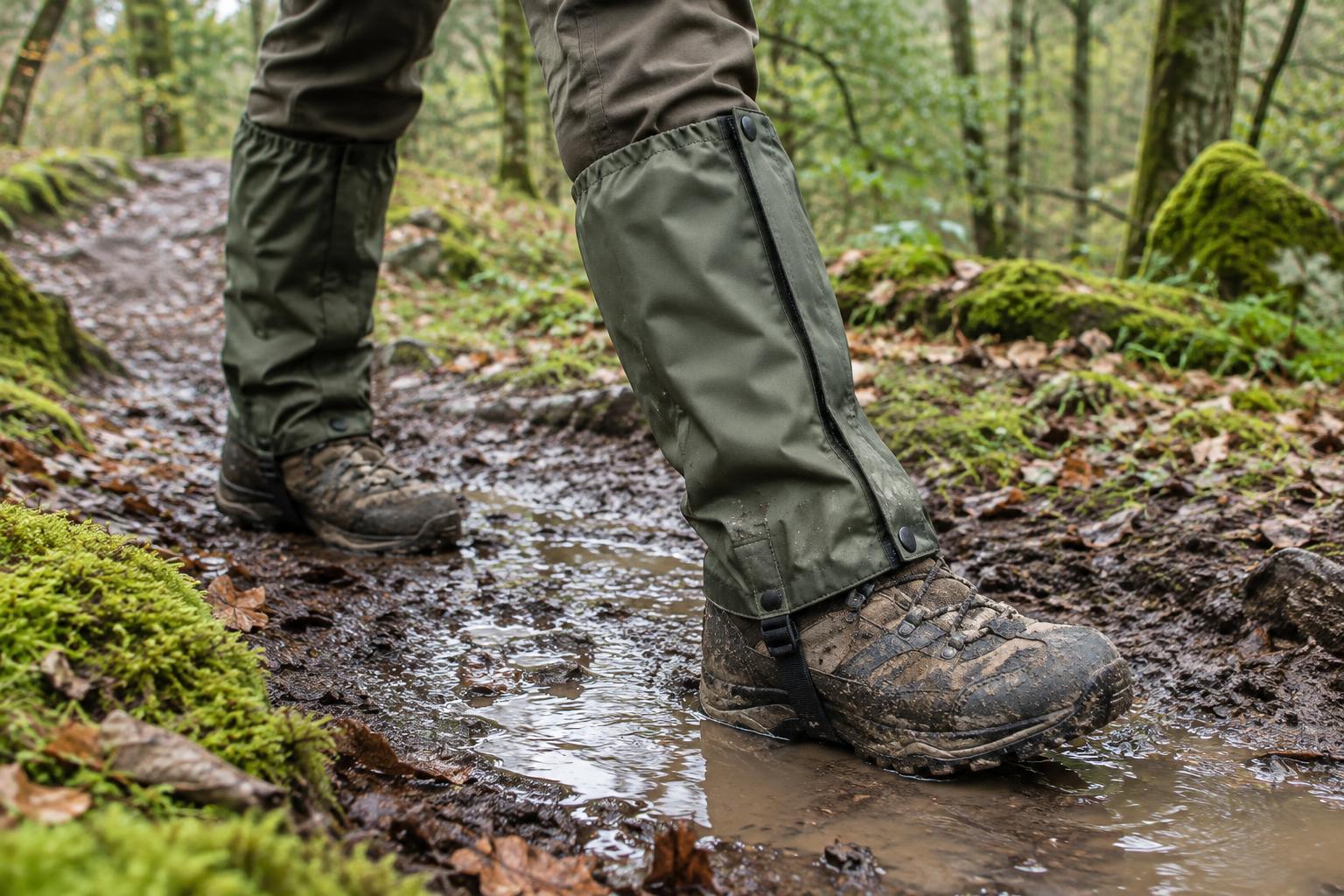
Gaiters are fabric covers that sit around your lower legs and overlap the tops of your footwear. Their main job is to reduce the amount of loose material that gets inside: grit on a dry track, seeds in long grass, or mud around puddles. They can also shield your trousers and laces from some splashes. They do not turn ordinary shoes into waterproof footwear, and water can still enter from below or through an opening at the top.
Think about the path rather than the forecast alone. A short walk on a paved route may not call for gaiters, even on a rainy day. A dry but sandy trail might make a low pair useful, while a path with deep mud or wet vegetation may justify taller coverage. If conditions are uncertain, a lightweight pair can be easier to carry than to wear for the whole walk.
Choose a height that matches the nuisance
Low gaiters cover the ankle area and the opening of a walking shoe or boot. They are a practical choice when your main concern is small stones, dust or loose dirt. They generally feel less bulky than taller versions and can suit walks where you expect to take them off as the surface changes. Check that their lower edge overlaps your footwear without leaving a gap when you stride.
Mid-height and knee-height gaiters offer more protection for trouser legs in mud, wet grass or brush. The extra coverage comes with more fabric around your calves, so fit and comfort matter. A taller gaiter should stay up without needing to be cinched tightly. If you usually walk in shorts, remember that the upper edge may rub bare skin; try it with the clothes you intend to wear.
Fabric choice is a trade-off. A lighter, more flexible gaiter may be pleasant on a warm walk and easy to pack, while a sturdier lower panel may tolerate repeated contact with rough ground better. A water-resistant surface can shed splashes, but seams, closures and prolonged wet contact still matter. Choose for the conditions you regularly meet rather than assuming the heaviest option is the most useful.
Check the fit with your own footwear
Bring your walking footwear when trying on gaiters. Fasten each one according to its design, then walk, climb a step and crouch. The top should stay in place without squeezing your calf, and the body should not pull tight across the ankle. Look for a secure overlap at the front closure and enough room to move naturally. Gaiters are often shaped for left and right feet, so check any markings before deciding the fit is wrong.
Many designs use an underfoot strap or cord to hold the lower edge down, plus a front hook that attaches to a lace. Position these parts so the gaiter covers the shoe opening without tugging at the laces. Check that the underfoot piece lies where the design intends and does not interfere with your sole or walking grip. If a gaiter depends on a specific shoe attachment point, confirm that your footwear has it.
Fit can change when you switch between low shoes and higher boots, or between thin and thick trousers. If you plan to use one pair in several outfits, test those combinations at home. A short trial walk is a useful way to catch a slipping top, a rubbing closure or a loose strap before setting out for a longer day.
Use them selectively and care for the moving parts
Put gaiters on before the muddy stretch if you can: fastening clean closures is simpler than working around packed dirt. Pull your trouser legs smooth underneath, close the gaiters fully and check both feet before walking on. During a break, look for straps that have shifted and clear away any collected grit near closures. If your legs feel uncomfortably warm once the path improves, take the gaiters off and let them dry.
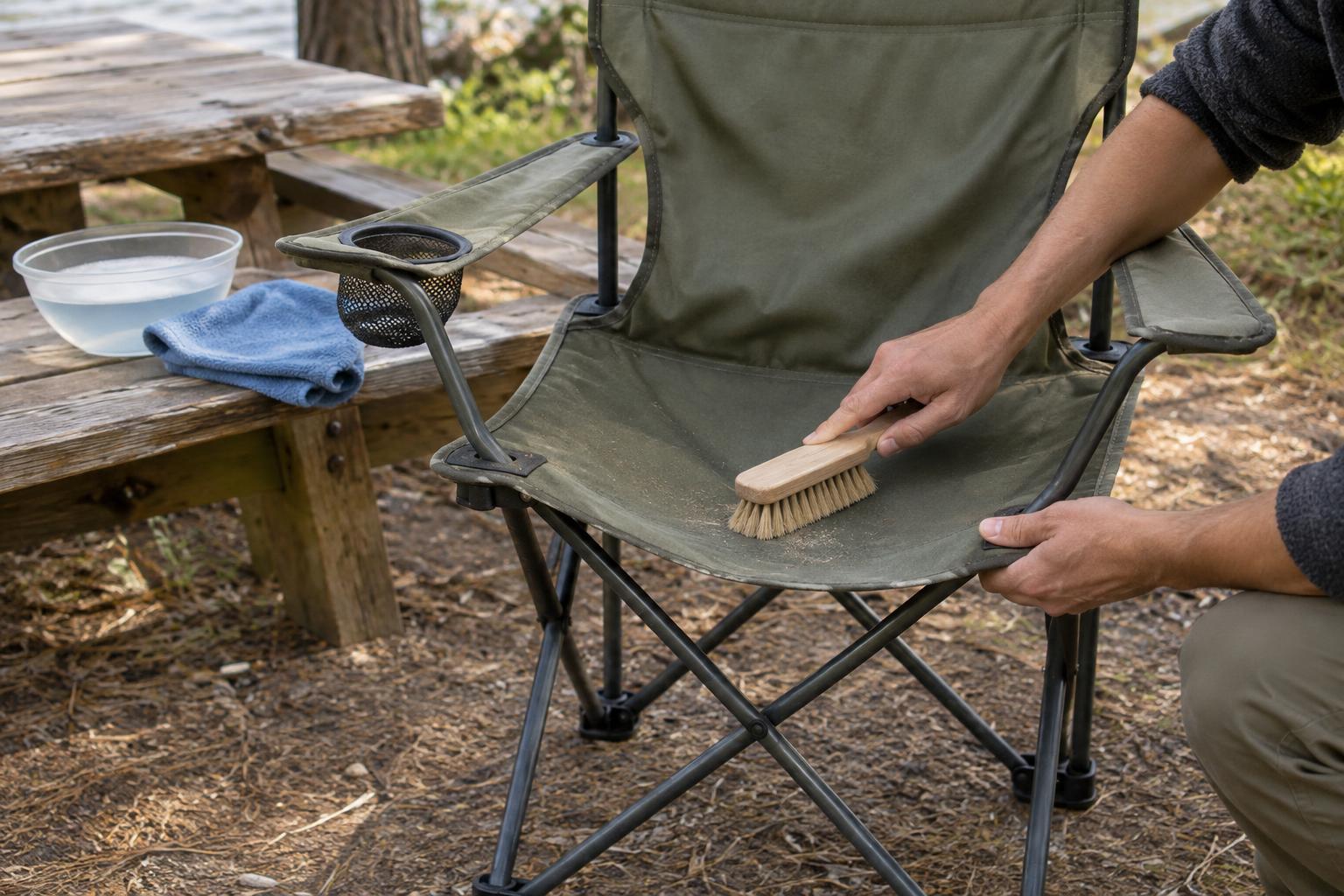
After a walk, brush off dried mud or rinse the gaiters as their care instructions allow. Pay particular attention to zips, hook-and-loop closures, lace hooks and underfoot straps; trapped grit and worn attachment points can make a pair less reliable. Let gaiters dry before storing them. With the right fit and a realistic expectation of what they cover, they can make messy day walks more comfortable without becoming another item you feel obliged to wear everywhere.