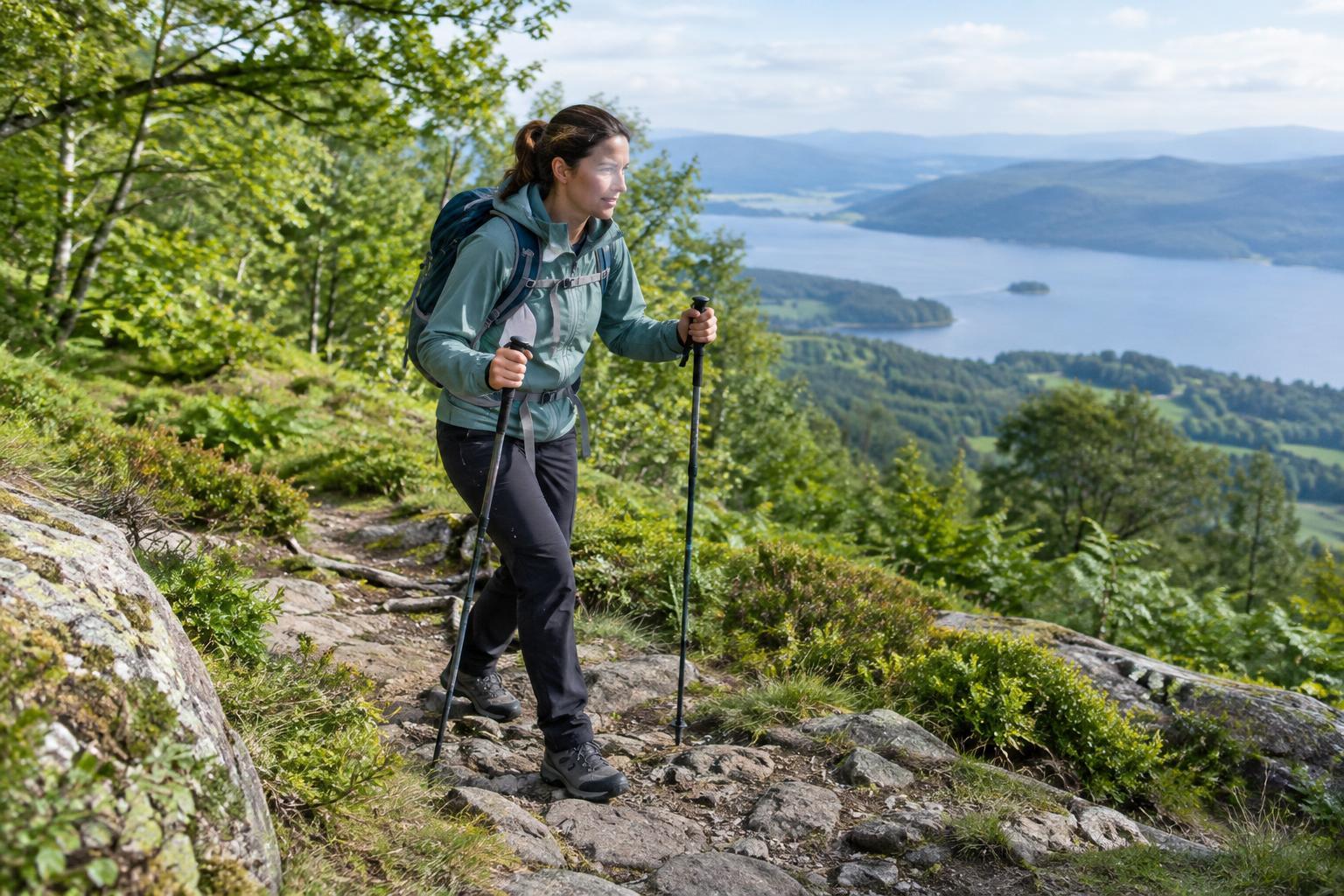
Outdoor SkillsTrekking poles can add balance on uneven ground, but they work best when you adjust them to the terrain and place them deliberately. Learn how to set them up, use them on climbs and descents, and carry them safely when they are not needed.
Read article · 4 min↗
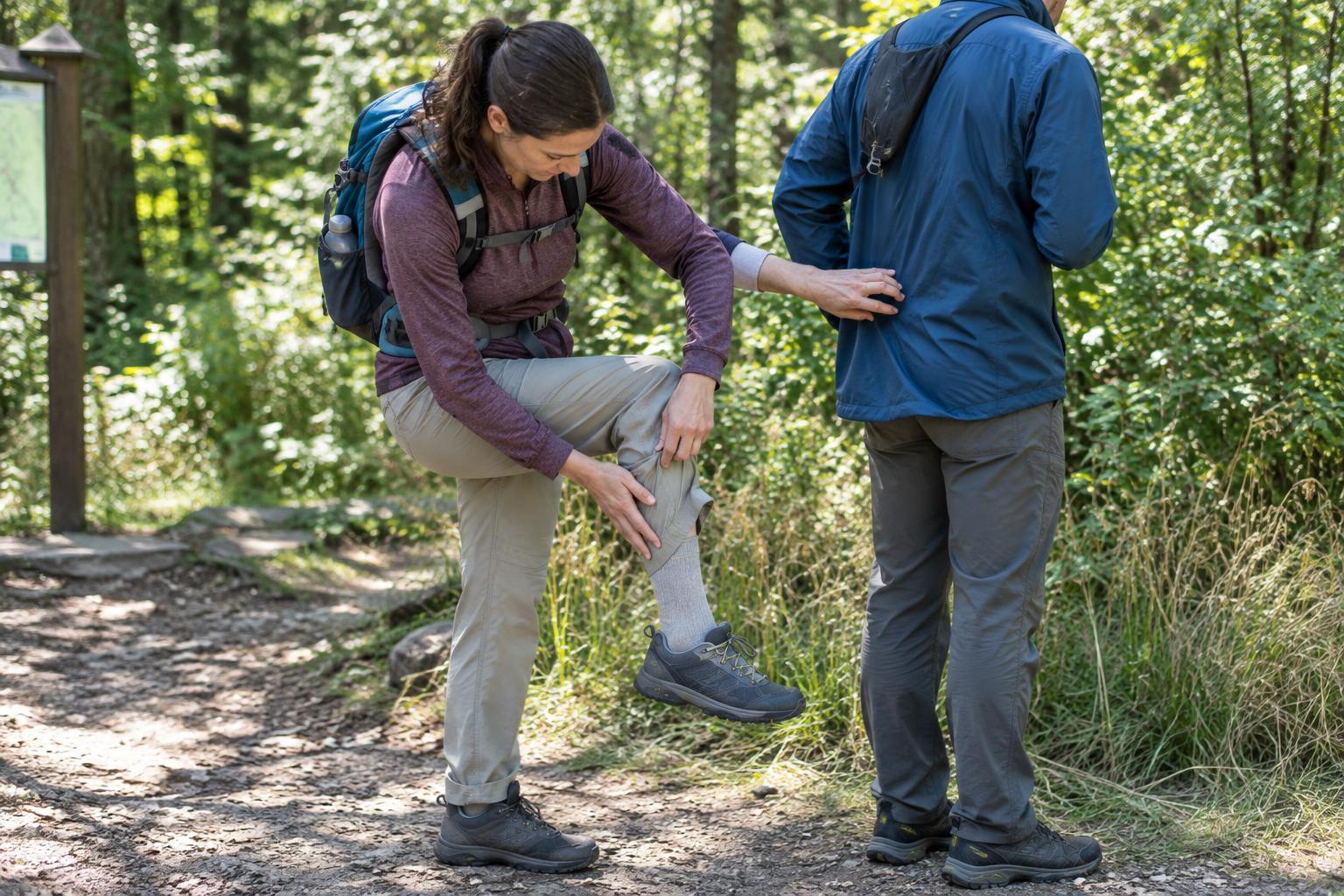
Outdoor SkillsA few simple habits can reduce your chances of bringing a tick home from a walk. Learn how to dress for brushy trails, check your clothing and skin afterward, and respond calmly if you find an attached tick.
Read article · 3 min↗
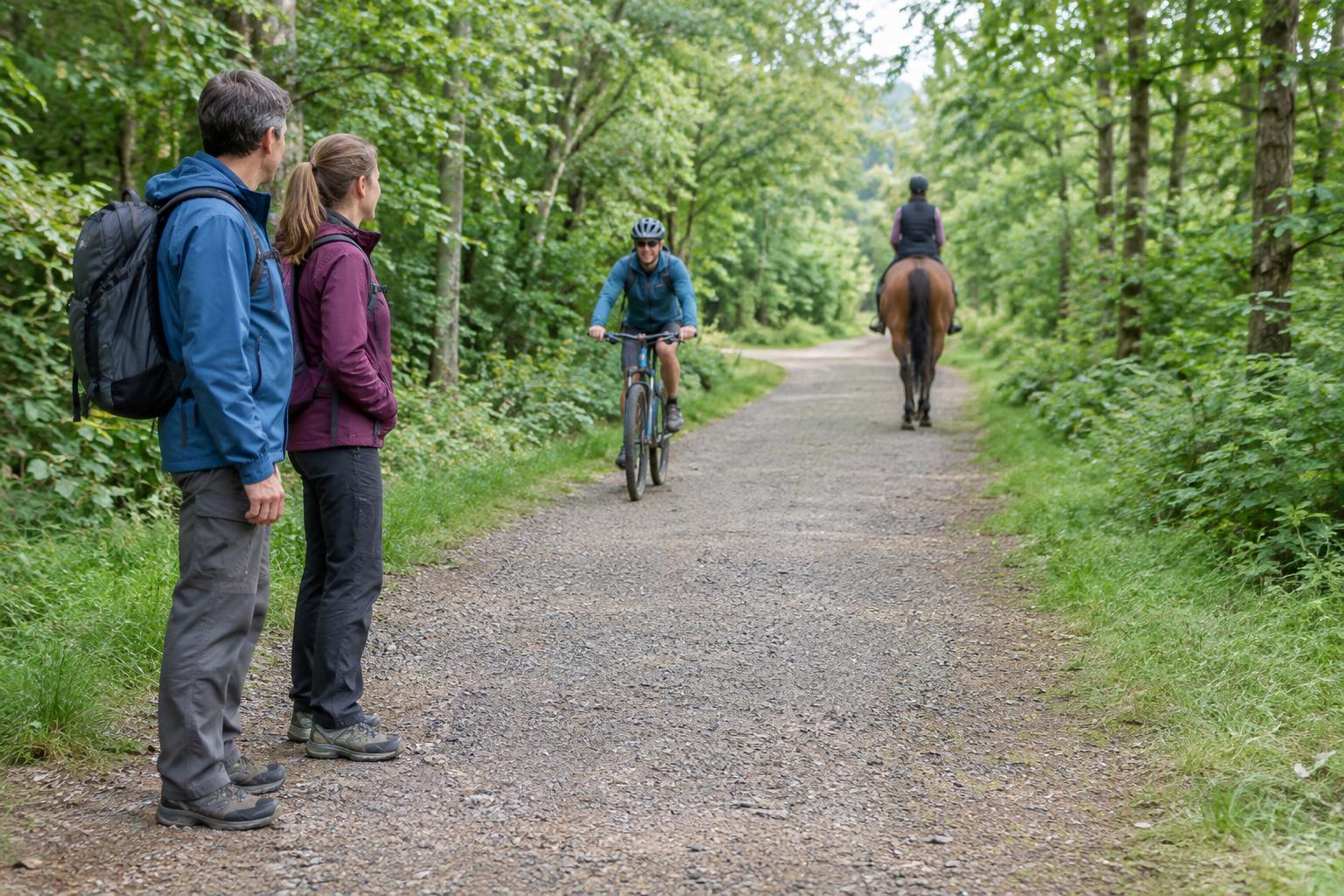
Outdoor SkillsShared trails work best when everyone has room to react. Learn how to approach other walkers, make space for cyclists, and pass horses calmly without assuming that one rule fits every route.
Read article · 4 min↗
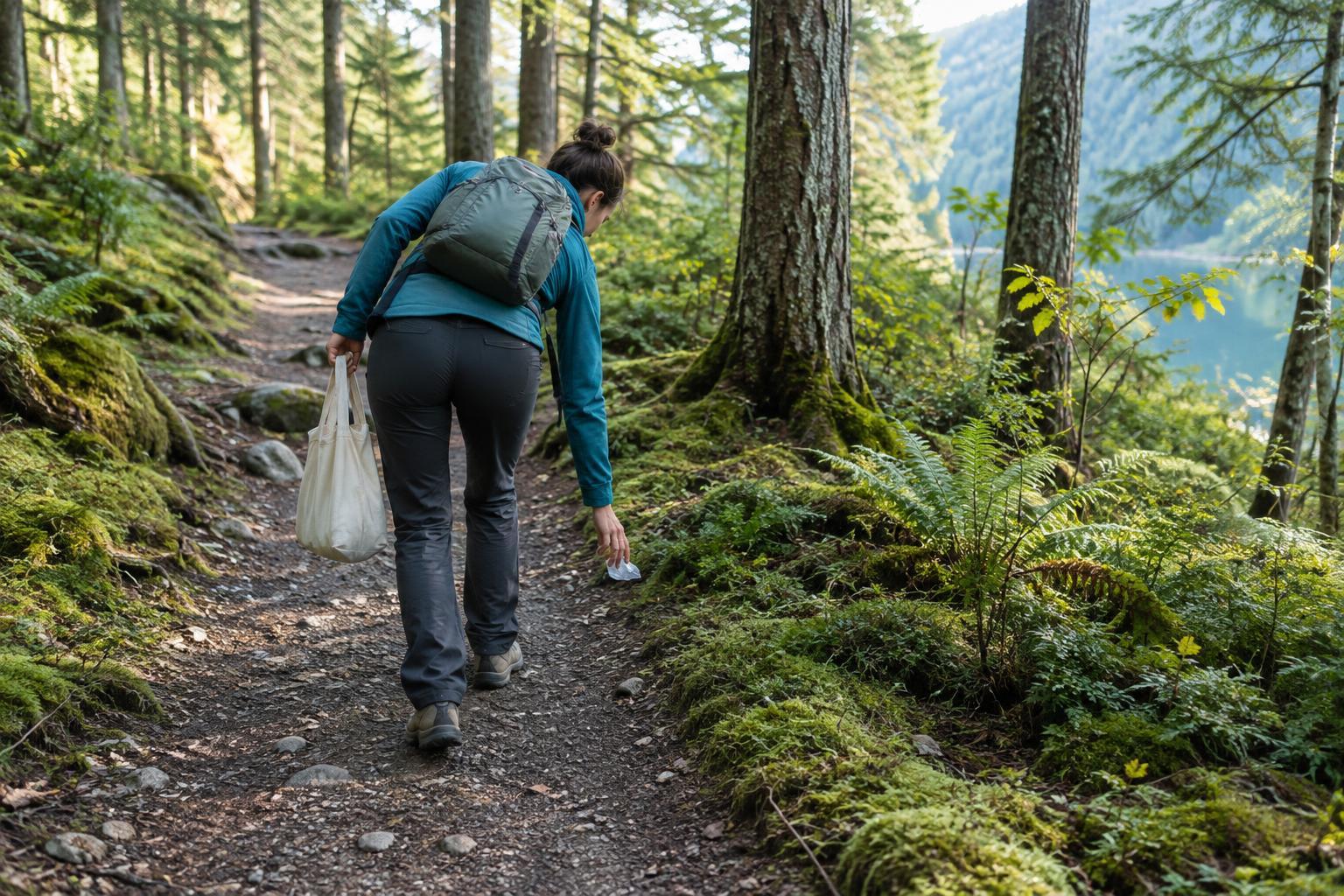
Outdoor SkillsA short walk can still affect a trail. Learn simple ways to plan ahead, stay on durable ground, handle food and waste, respect wildlife, and leave a place ready for the next visitor.
Read article · 4 min↗
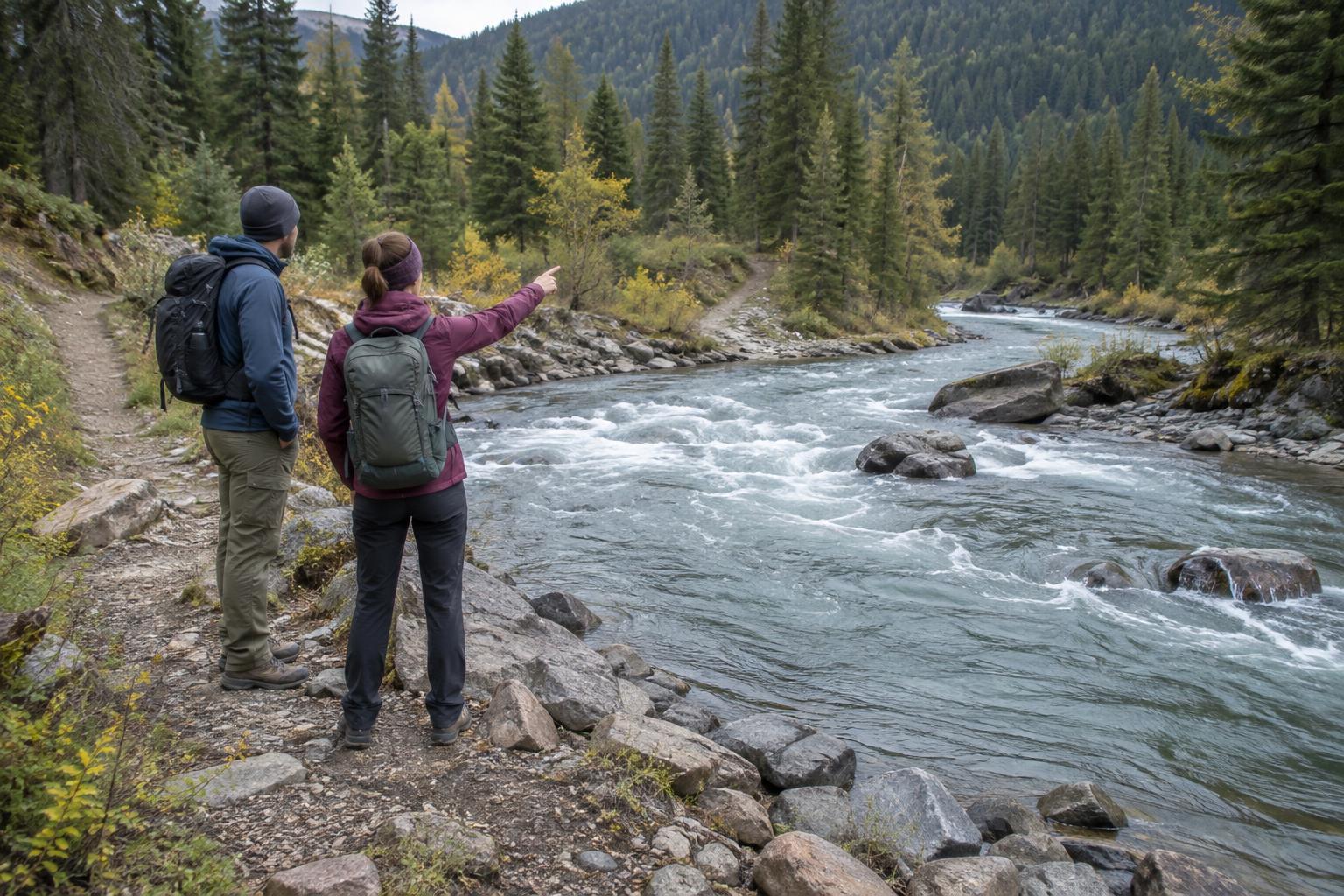
Outdoor SkillsA stream that looks minor on a map can be difficult to cross in person. Learn how to assess the water, the banks, the downstream hazards and your group’s readiness—and why turning back is often the soundest choice.
Read article · 3 min↗
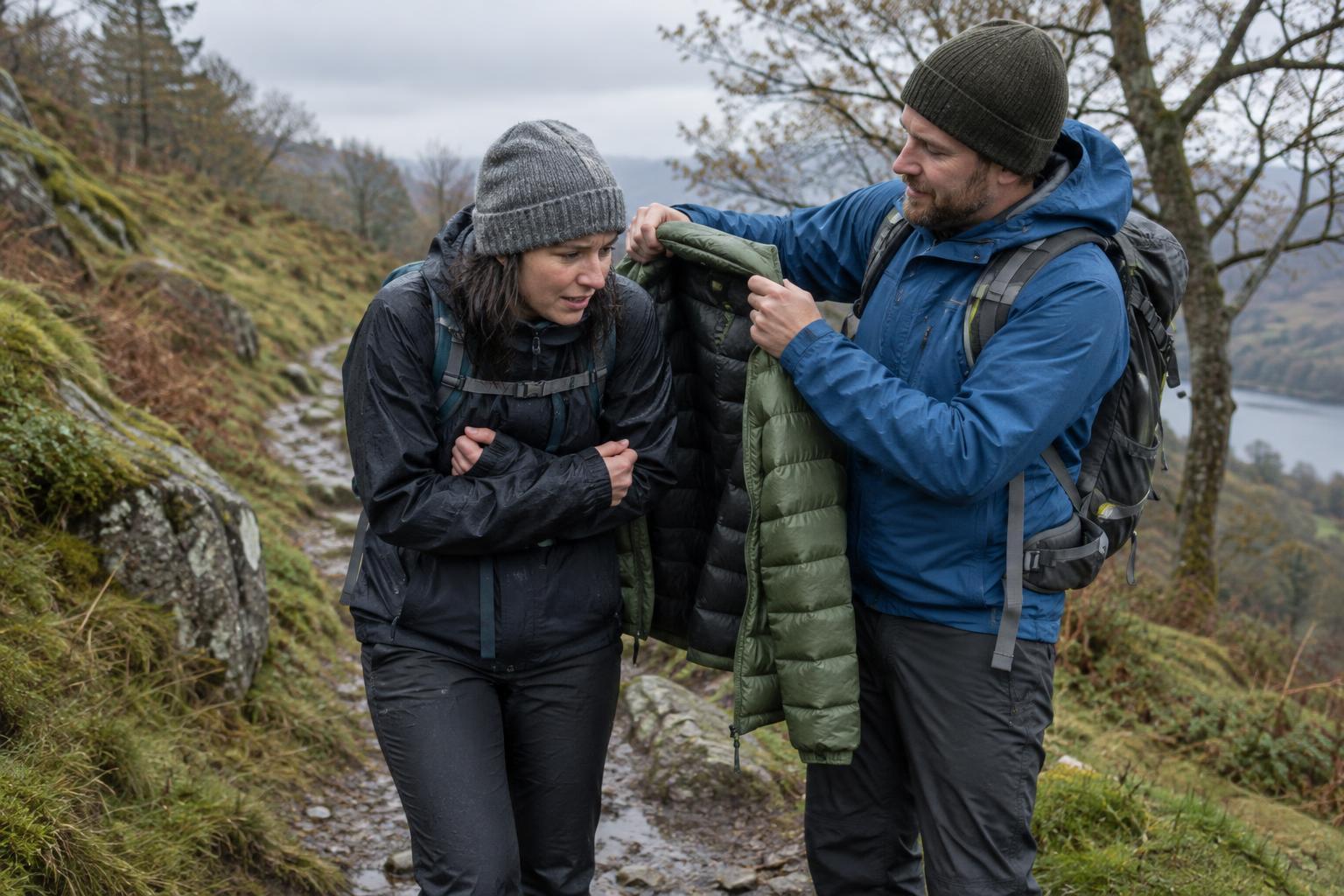
Outdoor SkillsHypothermia can develop when a walker loses heat faster than their body can replace it, especially in wind or rain. Learn what changes to notice, how to respond early and when to seek emergency help.
Read article · 4 min↗
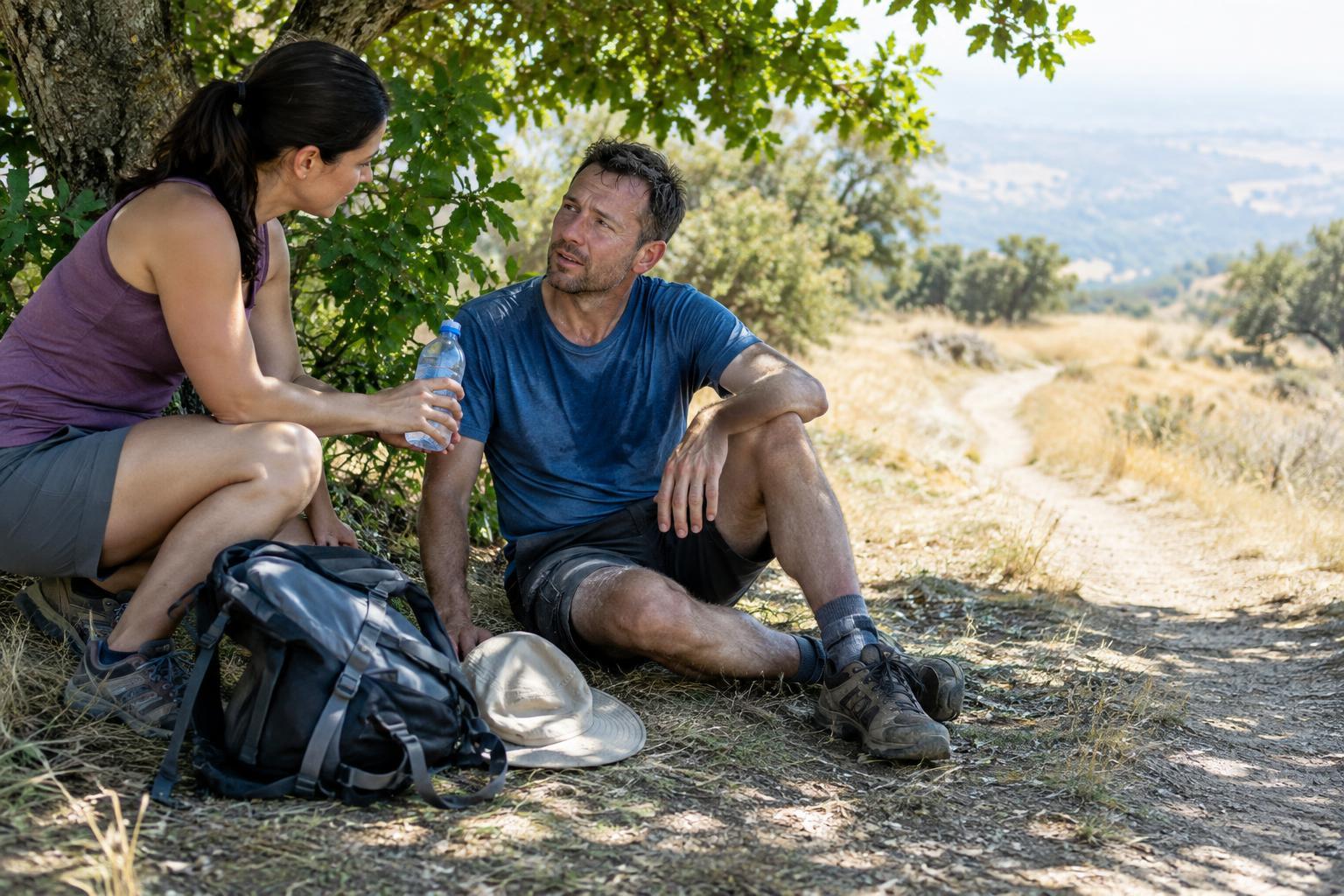
Outdoor SkillsHeat exhaustion can develop during an ordinary walk, especially when heat, humidity and exertion combine. Learn the warning signs, how to help someone cool down, and when symptoms call for emergency help.
Read article · 4 min↗
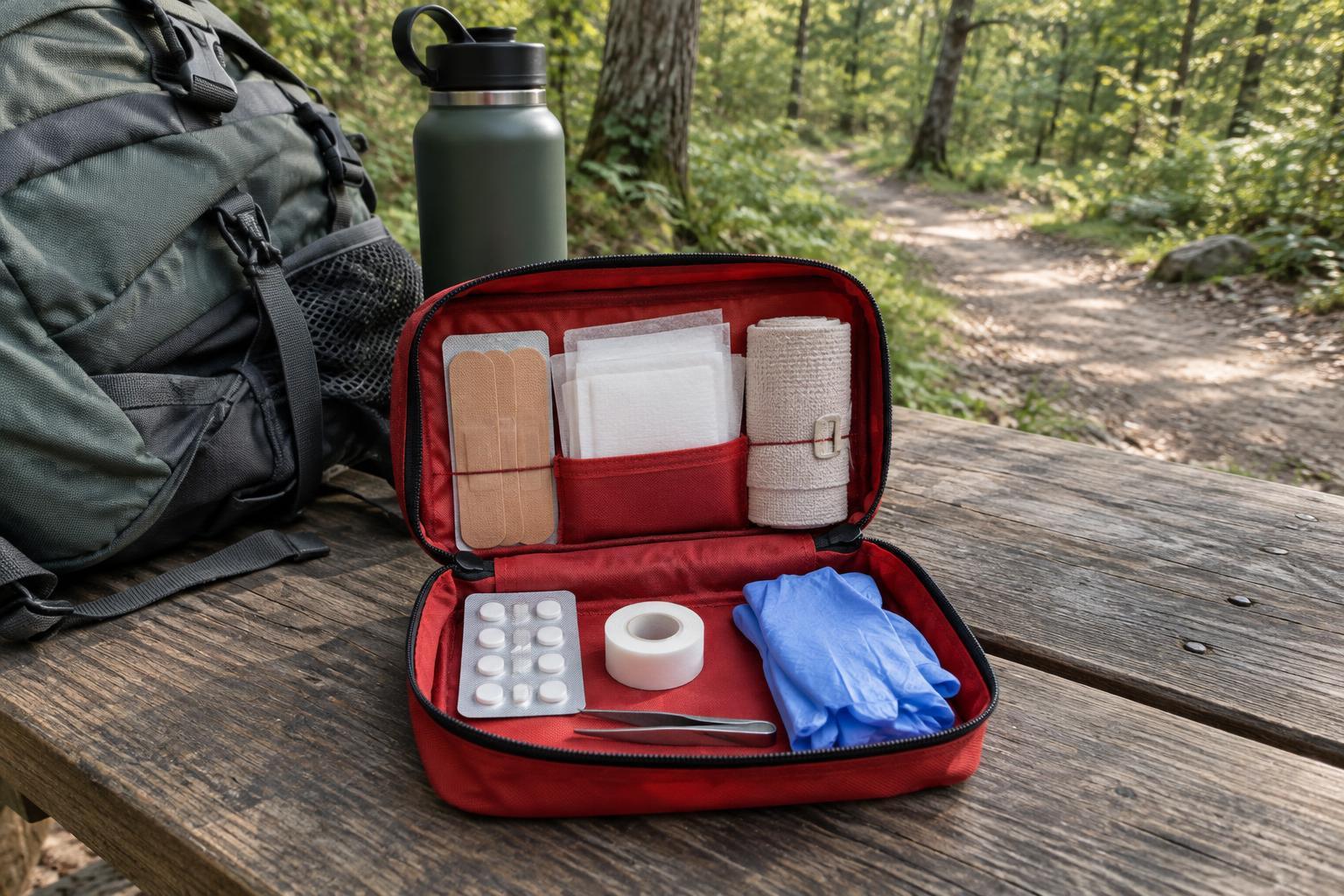
Outdoor SkillsA day-walk first aid kit should cover minor cuts, blisters and simple dressing needs without becoming too heavy to carry. Here is a practical packing list, plus tips for keeping the kit usable and knowing when to seek help.
Read article · 4 min↗
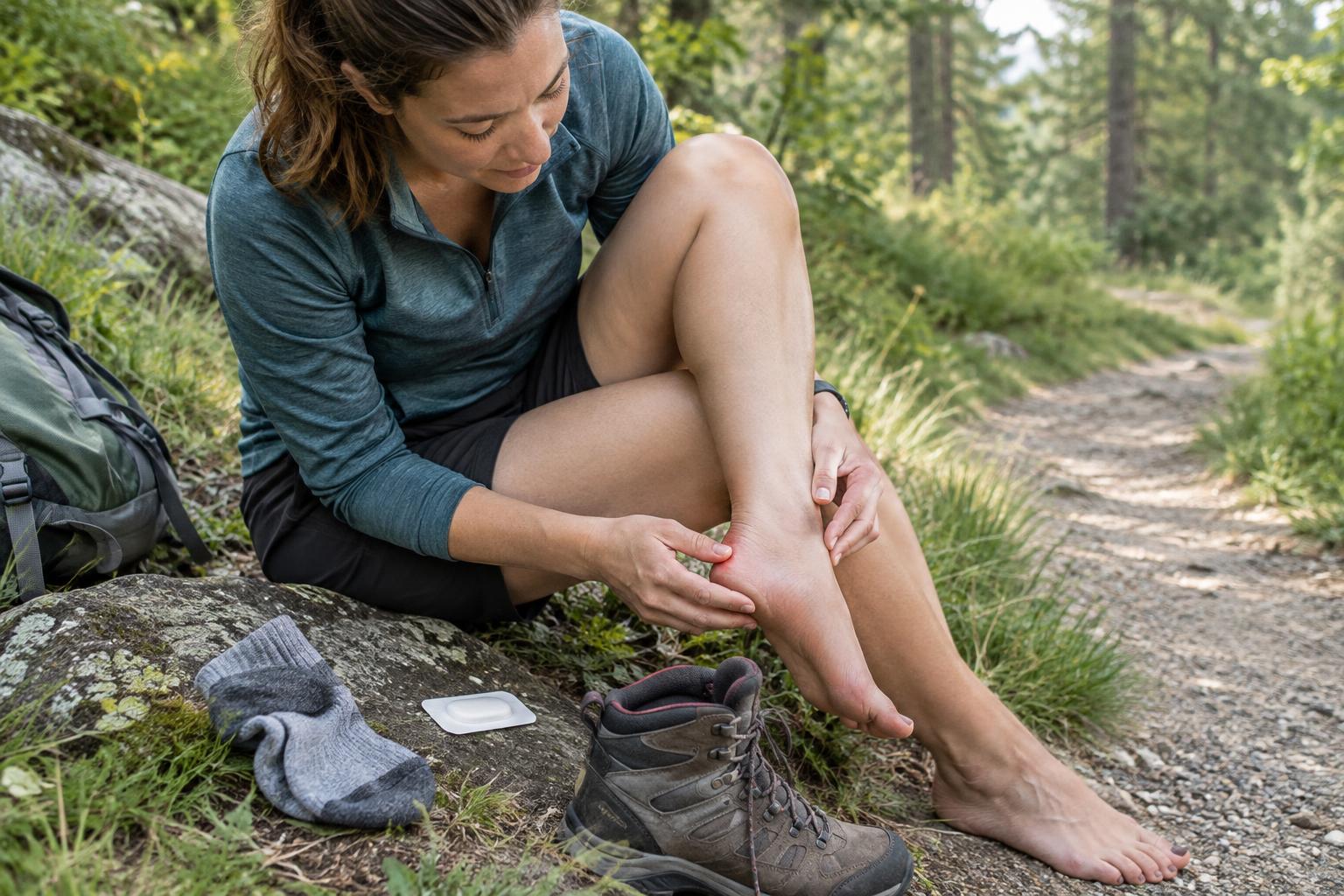
Outdoor SkillsA foot blister often gives you a warning before it forms. Learn how to recognize a hot spot, reduce friction on the trail, protect an intact blister and care for one that has opened.
Read article · 3 min↗
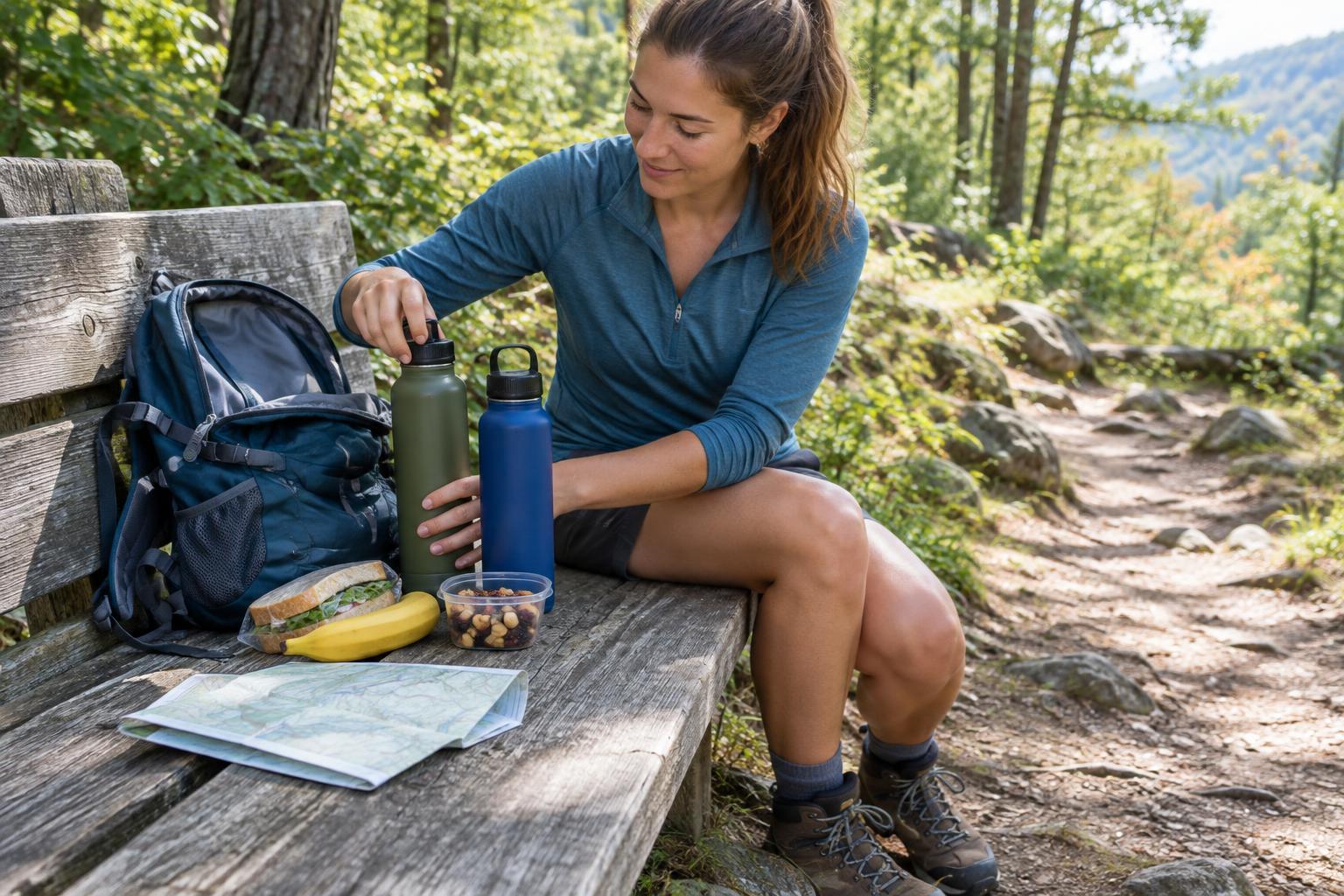
Outdoor SkillsA little planning can make a day walk more comfortable. Learn how to estimate what you need to drink and eat, check refill options, pack practical snacks and adjust your plan as conditions change.
Read article · 4 min↗
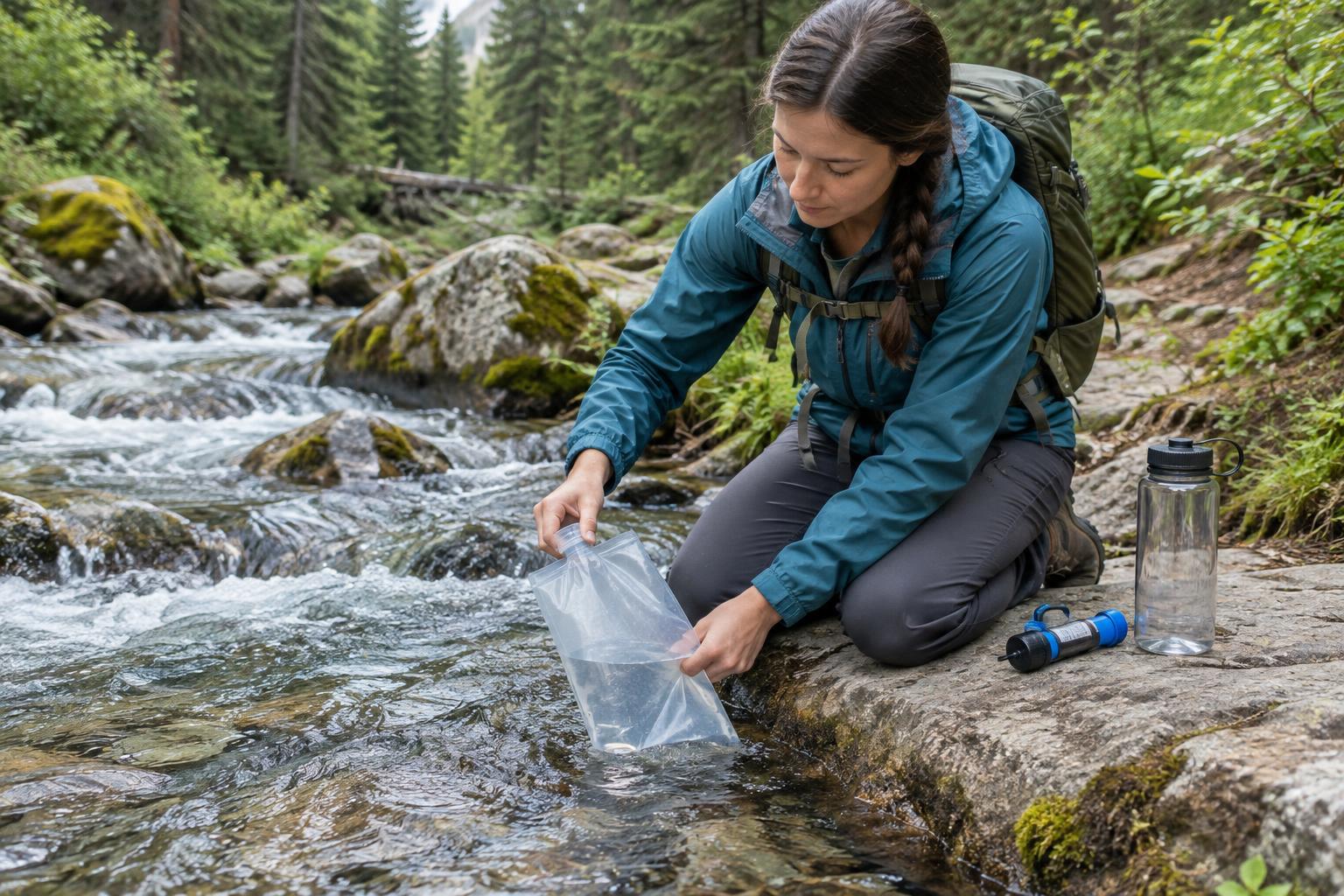
Outdoor SkillsClear water is not necessarily safe to drink. Learn how to choose a lower-risk water source, match a treatment method to the conditions, and keep treated water clean on a day walk or longer trip.
Read article · 4 min↗
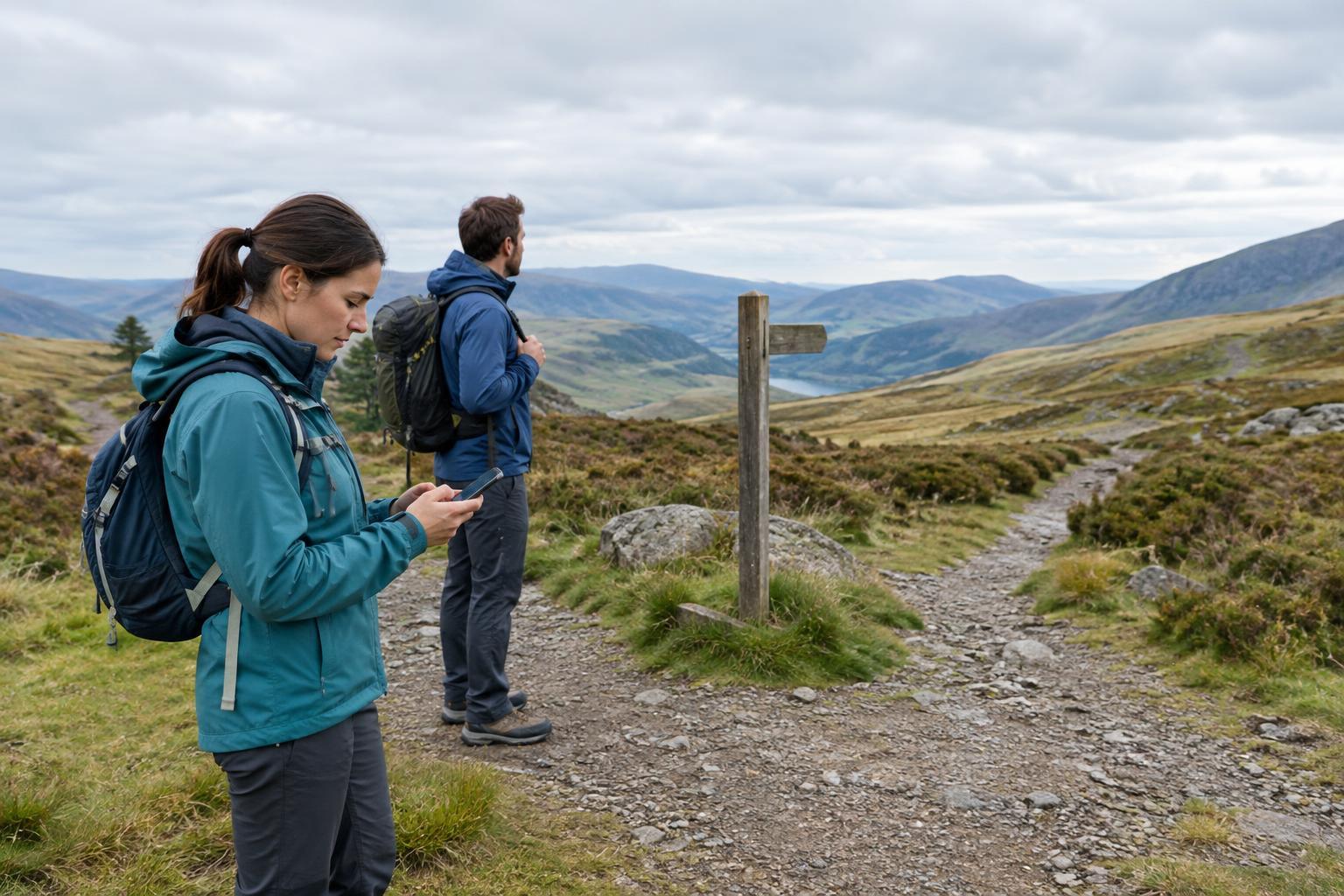
Outdoor SkillsA clear location can make it easier for others to find you when a walk does not go to plan. Learn how to prepare your phone, describe where you are, and communicate calmly when you need help.
Read article · 4 min↗
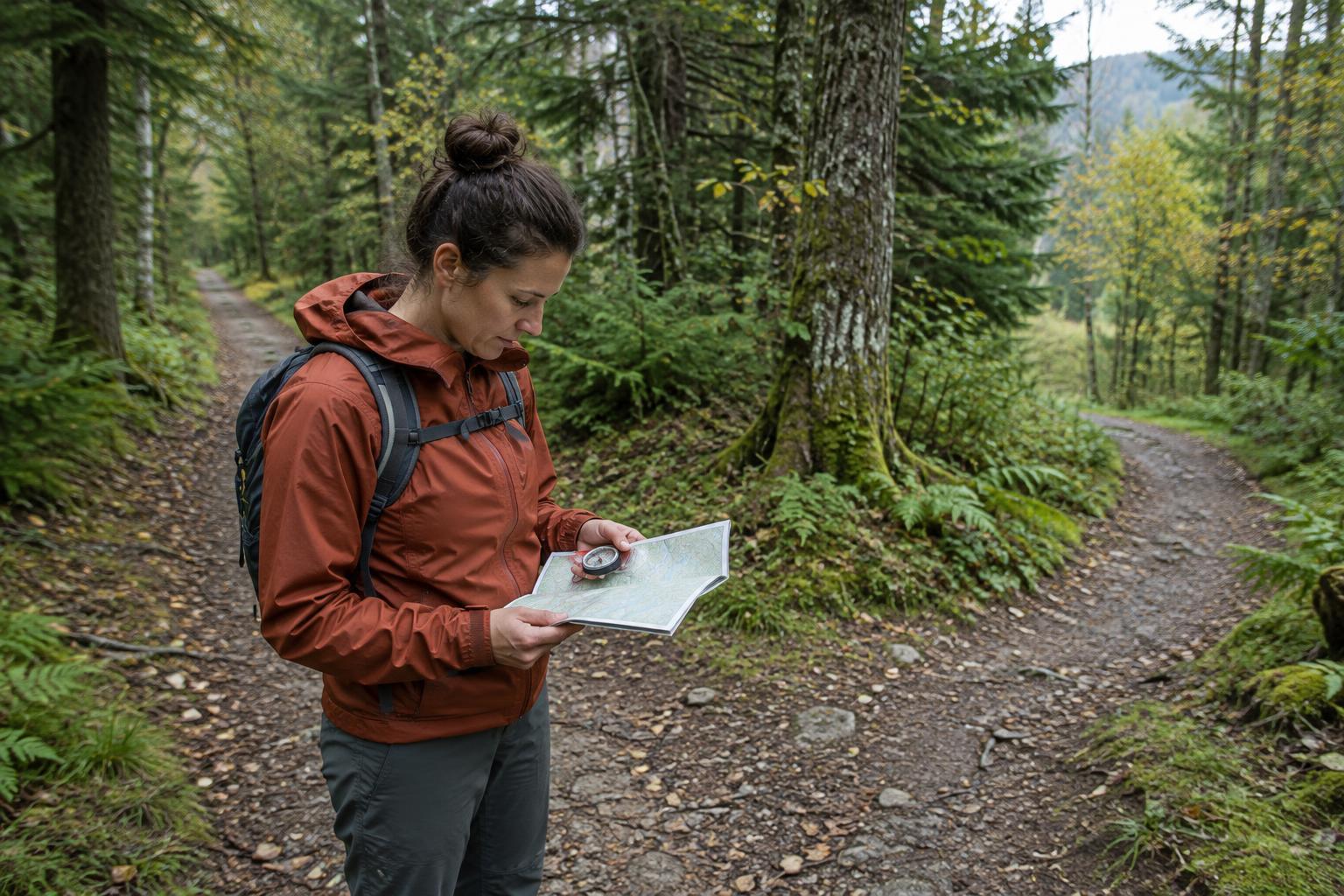
Outdoor SkillsA missed turn can happen on a familiar day walk. Learn how to pause, check your position, retrace your steps when safe, and decide when to ask for help.
Read article · 4 min↗
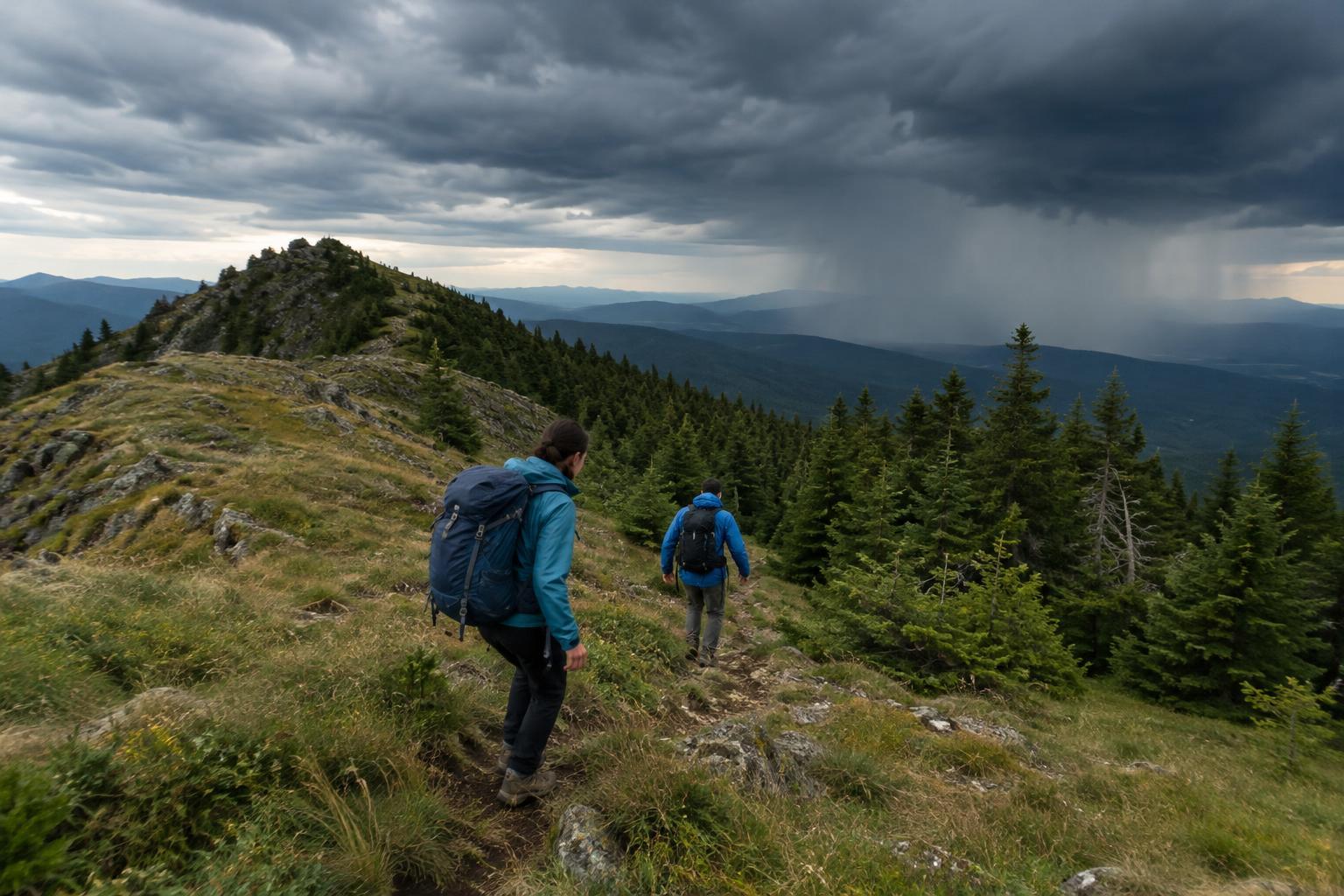
Outdoor SkillsA thunderstorm can change a relaxed walk into a time-sensitive decision. Learn when to turn back, where to seek shelter, what to avoid on exposed ground, and how to respond if someone is injured.
Read article · 3 min↗
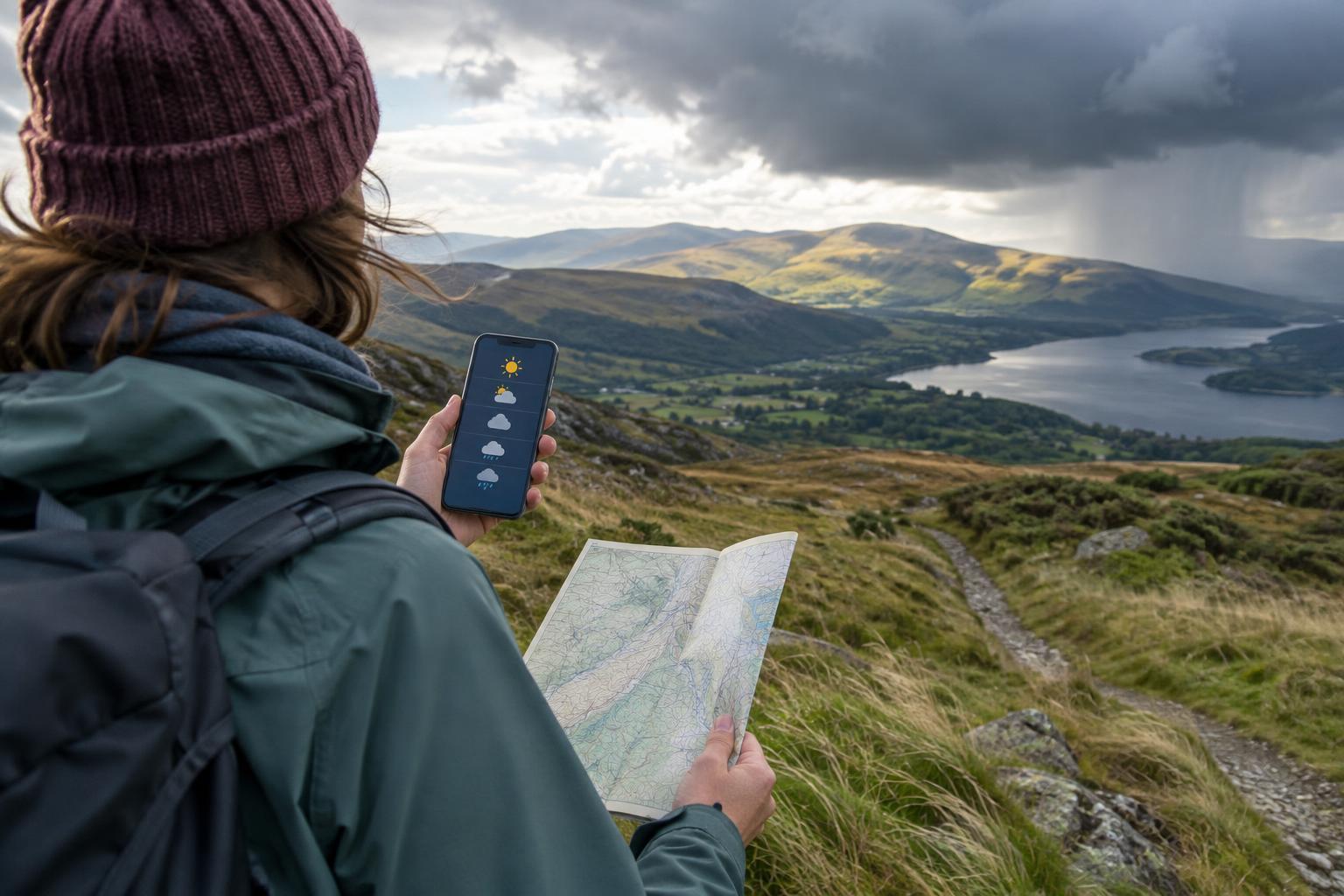
Outdoor SkillsA forecast is more useful when you read it as a set of conditions to plan around, not a single promise of sun or rain. Learn what to check, how terrain can change the picture, and when to adjust your route.
Read article · 3 min↗
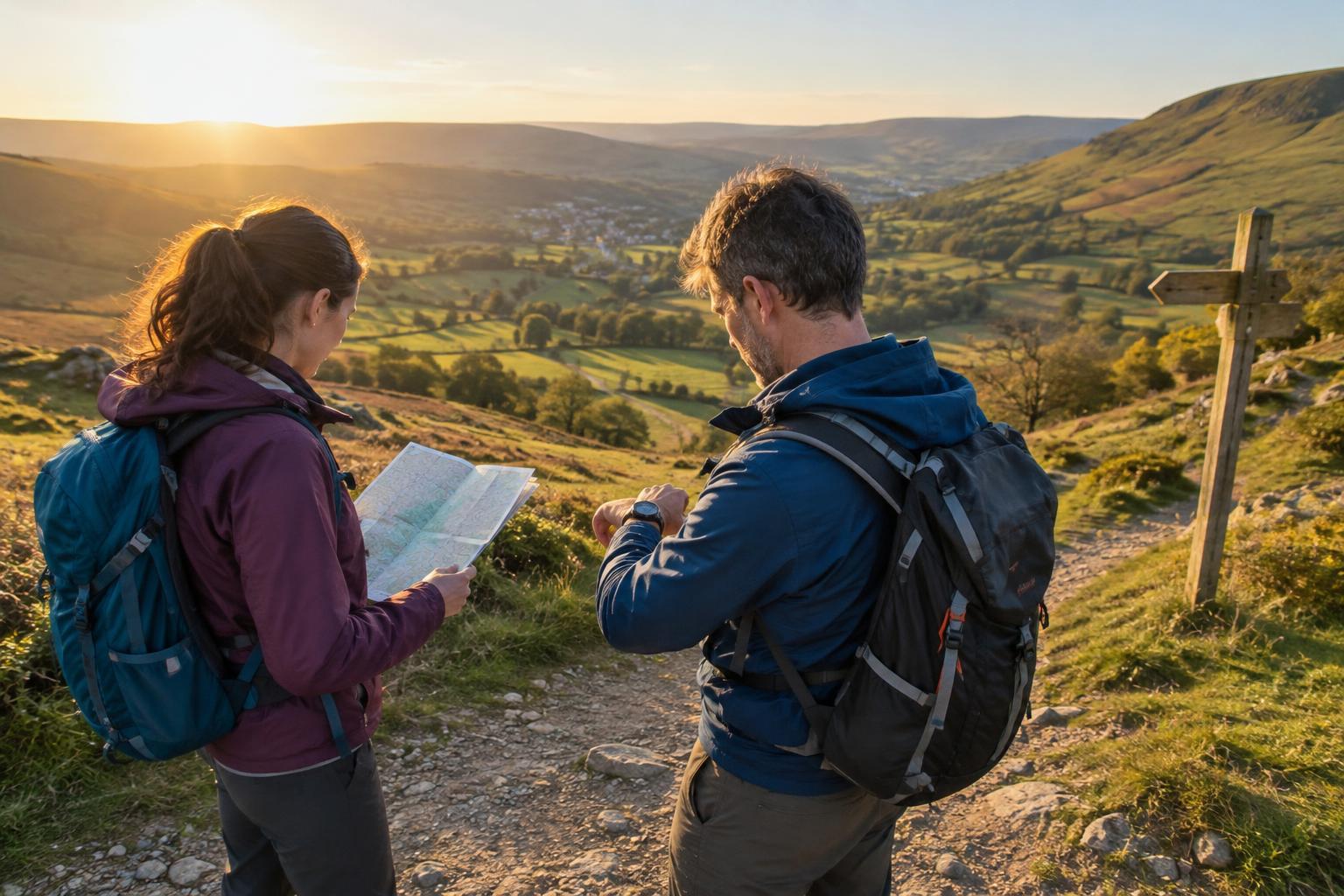
Outdoor SkillsA turnaround time gives a day walk a clear limit: the time you stop heading away from your start point and begin the return. Learn how to set one using daylight, route conditions and a realistic walking pace, then adjust it as the day unfolds.
Read article · 4 min↗
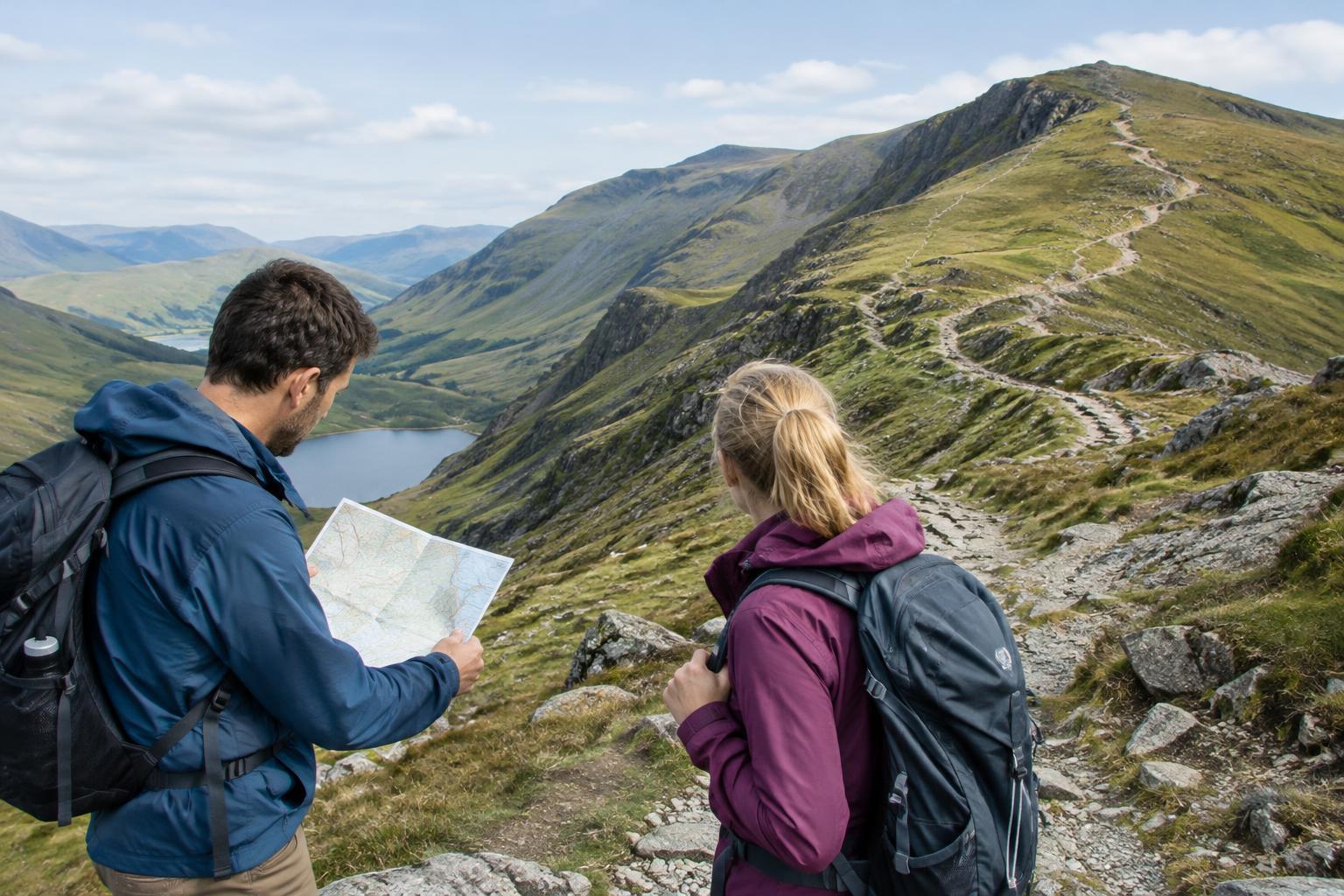
Outdoor SkillsA route’s distance is only the starting point for a useful walking-time estimate. Learn how to account for climbing, difficult ground, descents and breaks, then build a realistic time window for your next day trip.
Read article · 4 min↗
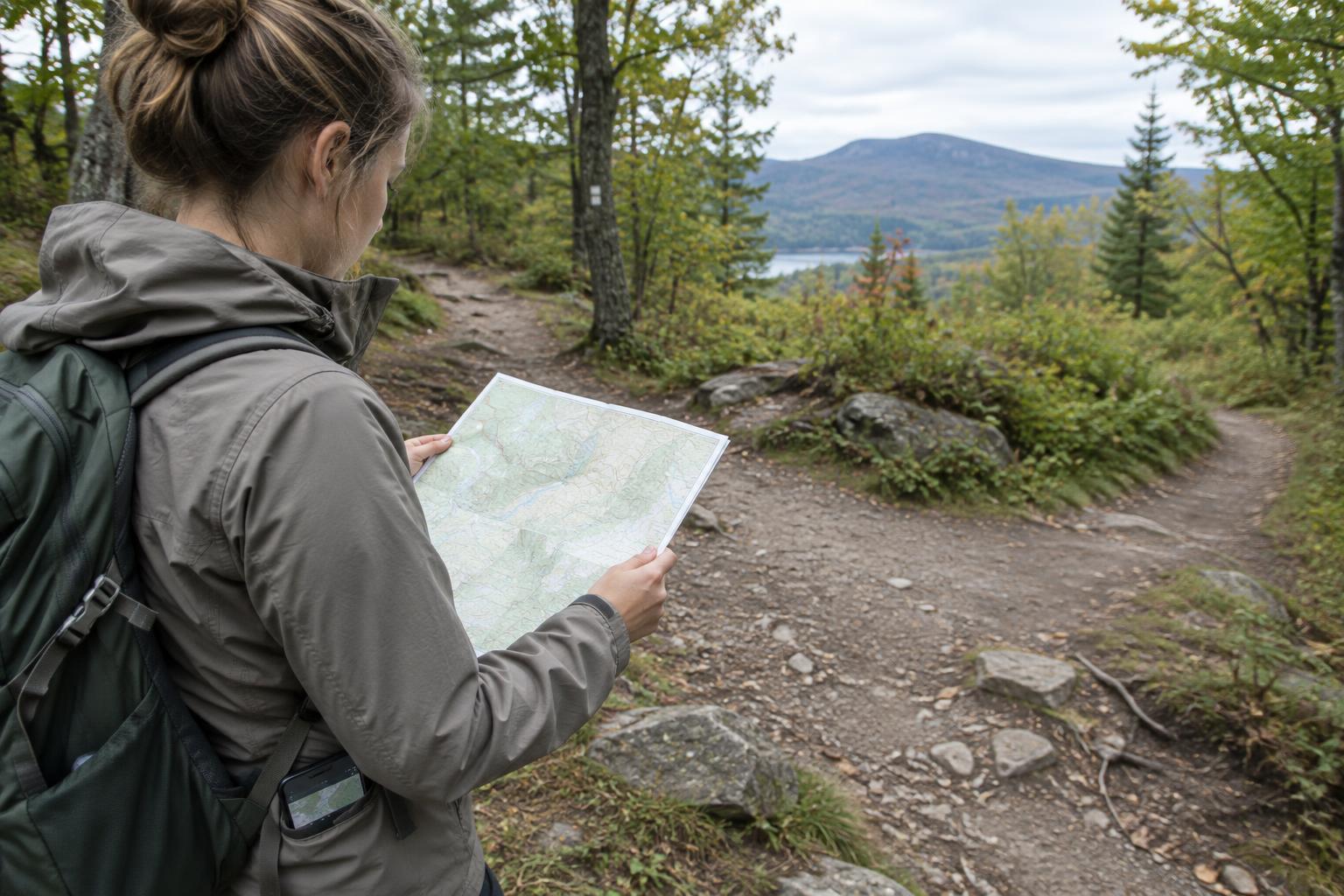
Outdoor SkillsOffline maps are useful when mobile service disappears, but a downloaded map is only one part of finding your way. Learn how to prepare a route, read the ground, carry a simple backup and make calm decisions when the path is unclear.
Read article · 4 min↗
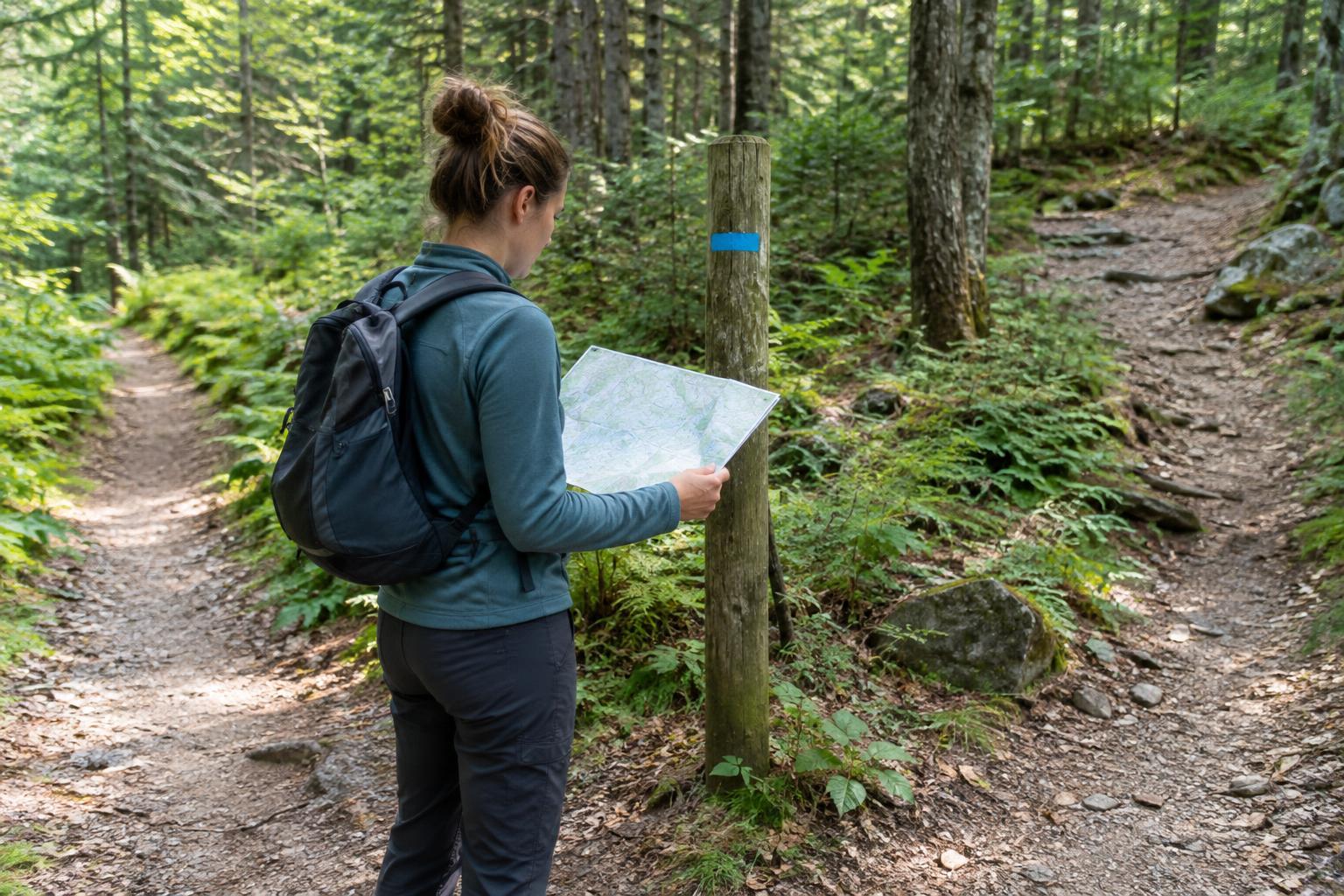
Outdoor SkillsTrail markers are useful guides, but they make the most sense when you read them alongside a map and the terrain around you. Learn a simple routine for approaching junctions, confirming the right path, and responding calmly when the signs are unclear.
Read article · 4 min↗
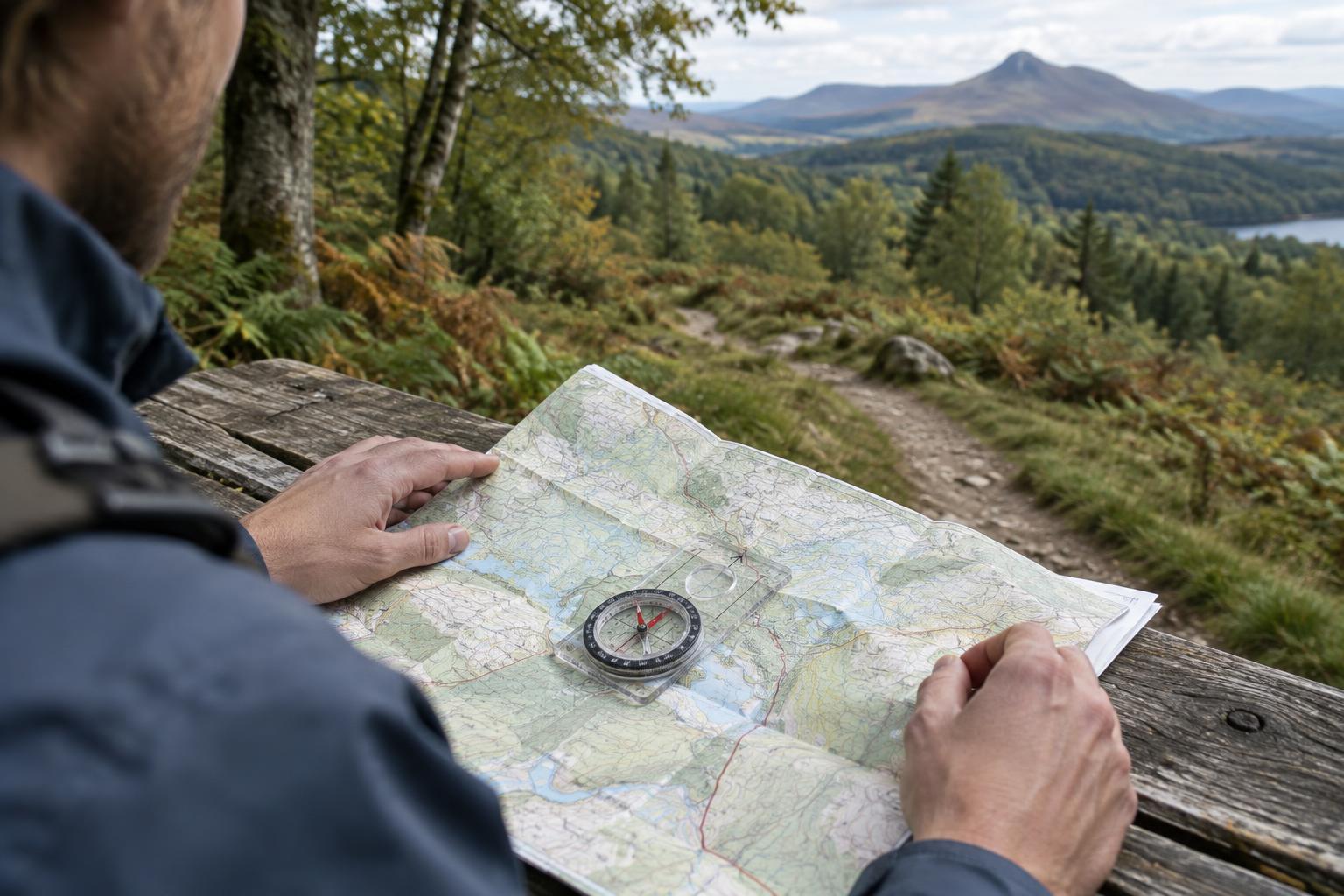
Outdoor SkillsOrienting a paper map means turning it until the directions on the page match the landscape around you. Learn a simple compass method, how to check the result against visible landmarks, and when the difference between magnetic and map north matters.
Read article · 4 min↗
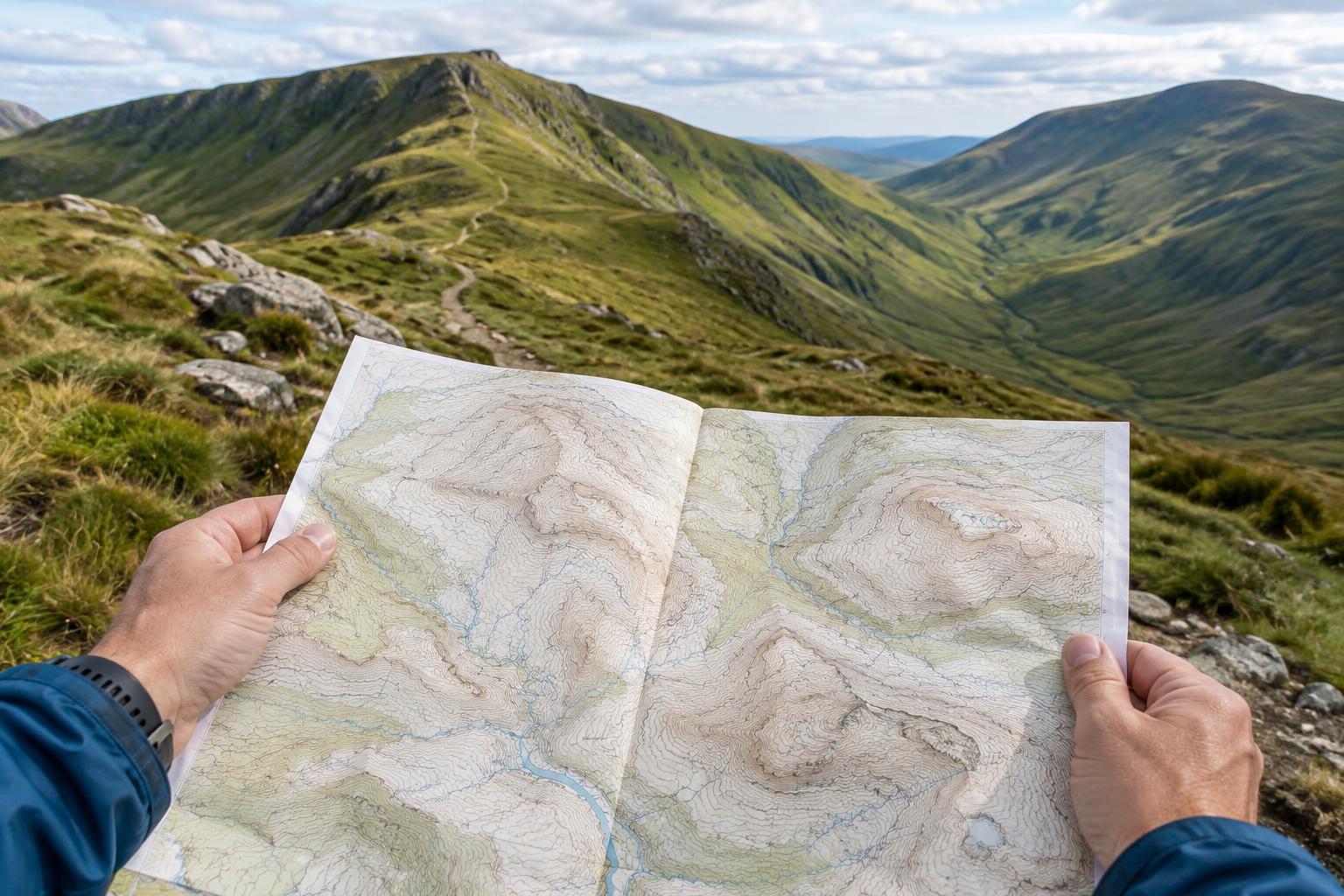
Outdoor SkillsContour lines turn a flat map into a picture of the ground. Learn to spot hills, valleys, ridges and saddles, judge how steep a route may feel, and use terrain clues to make better walking decisions.
Read article · 4 min↗