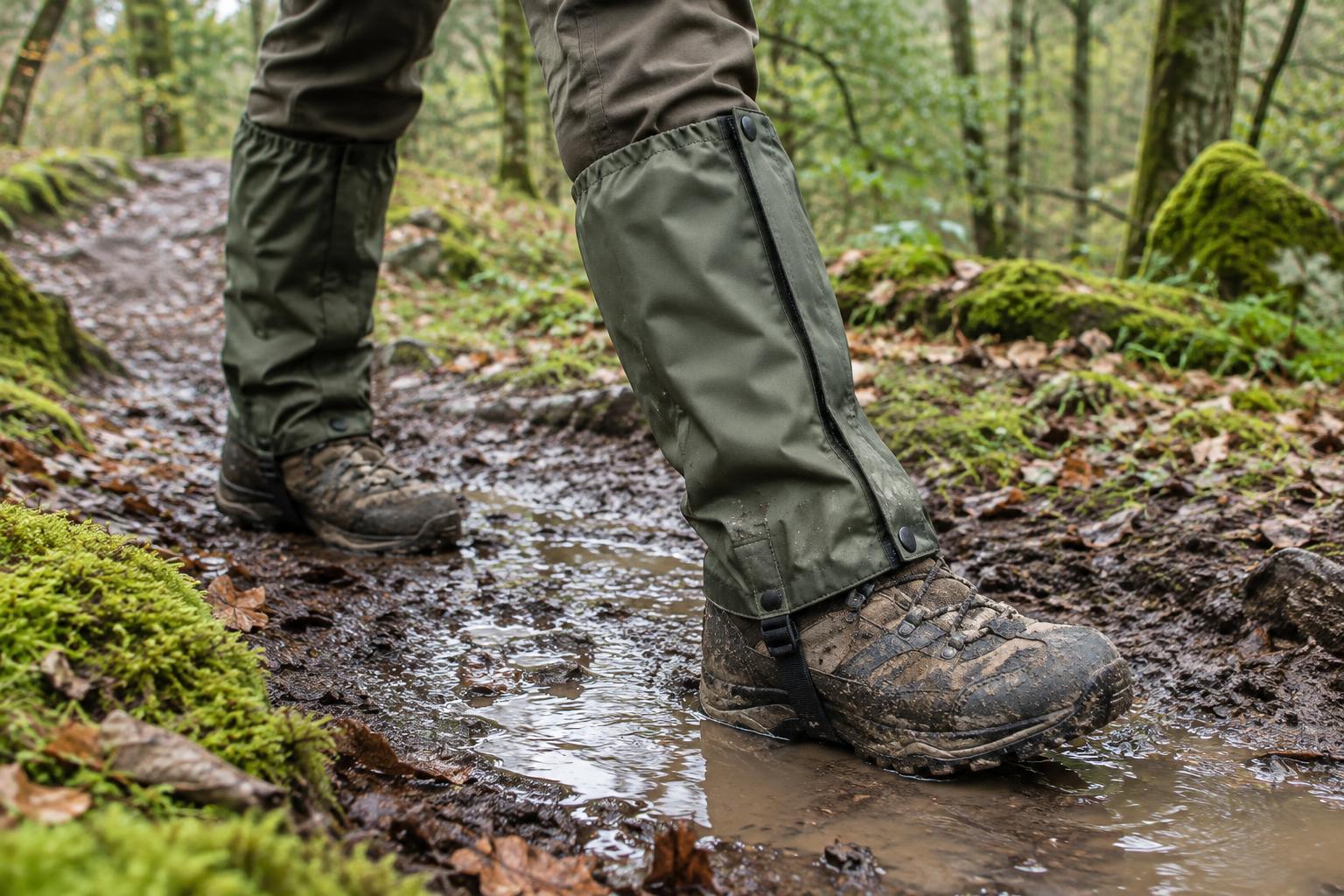
Outdoor ClothingGaiters can help keep grit, mud and splashes out of your footwear. Learn when they are worth carrying, how to choose a height and fit, and how to put them on and care for them.
Read article · 4 min↗
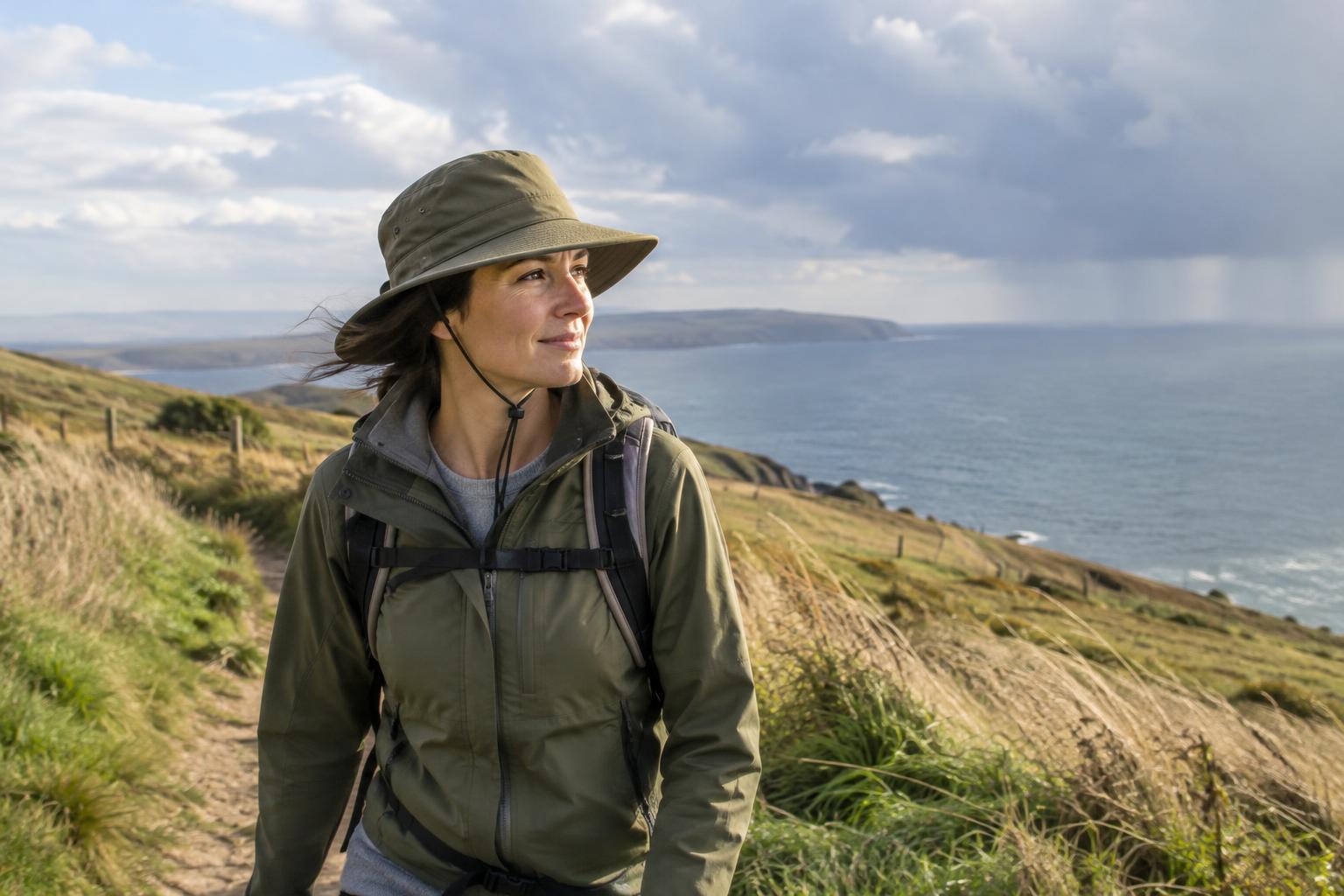
Outdoor ClothingA walking hat should suit the weather, stay comfortable in motion and pack easily. Learn how to compare brim shapes, fabrics and fit without expecting one hat to do everything.
Read article · 4 min↗
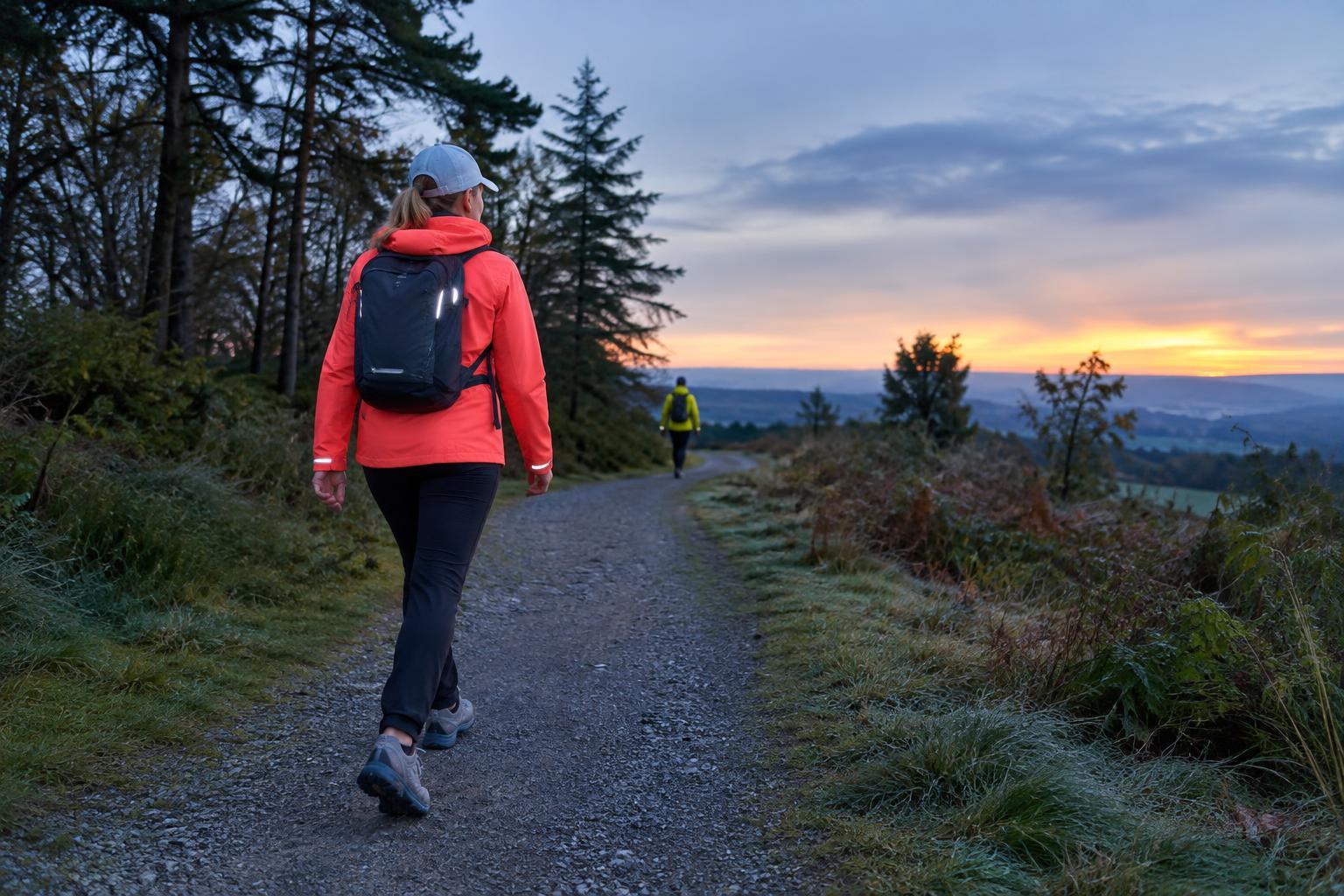
Outdoor ClothingLow light can make a familiar walk harder to navigate and make walkers less noticeable to others. Learn how to combine bright colors, reflective details and practical layers without sacrificing comfort.
Read article · 4 min↗
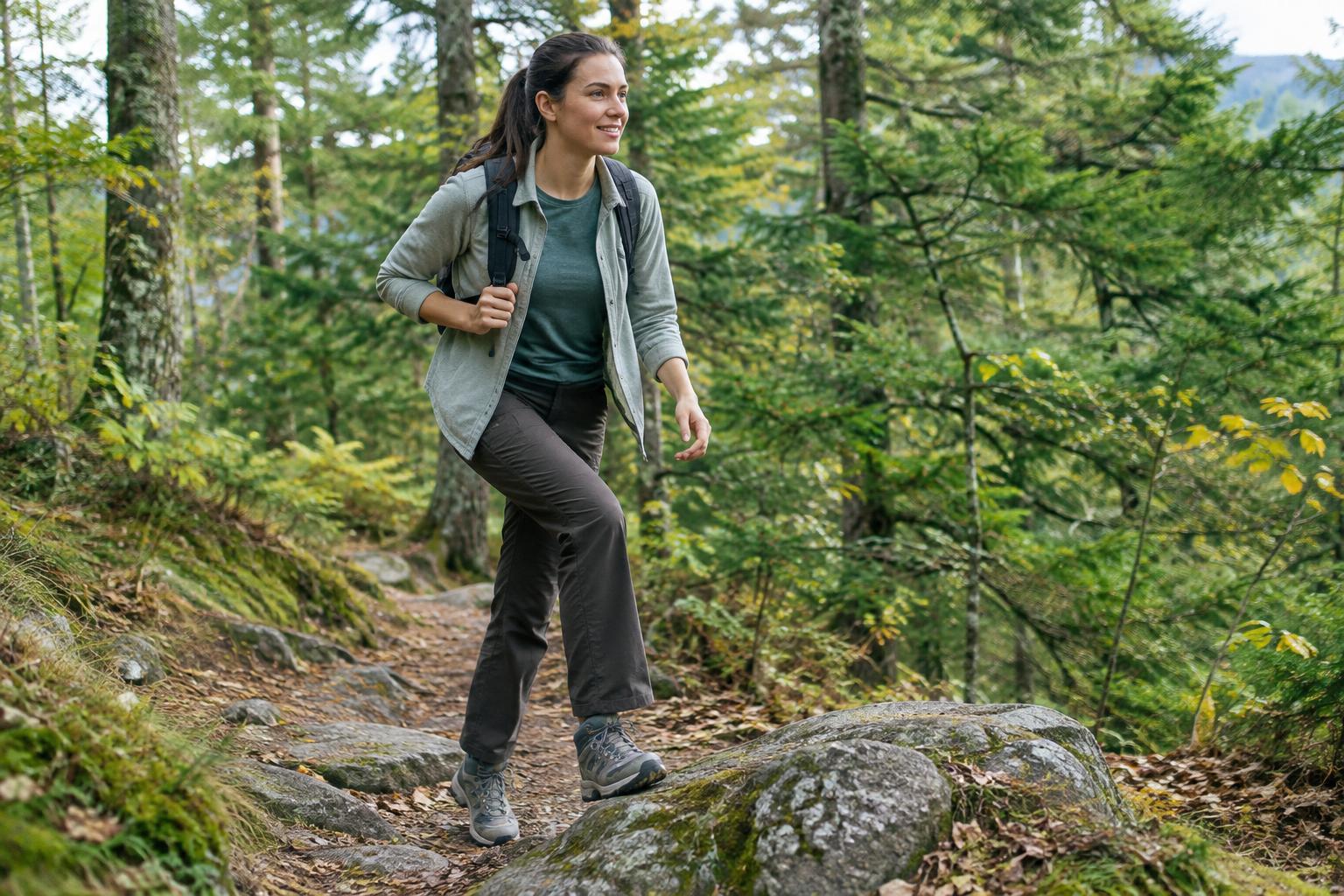
Outdoor ClothingComfortable walking clothes do more than fit while you stand still. Learn how to check freedom of movement, choose fabrics and layers, and test an outfit before a day trip.
Read article · 4 min↗
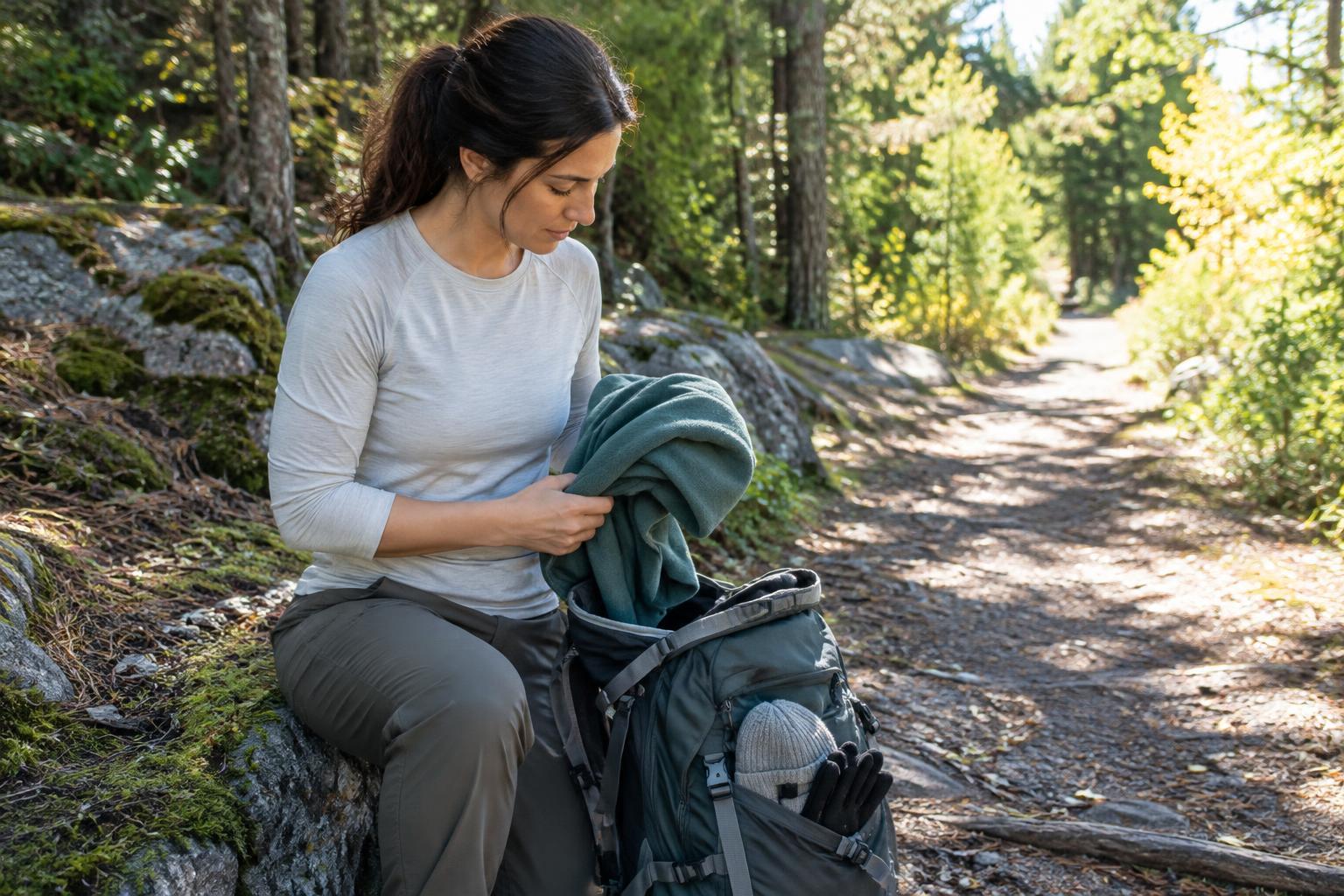
Outdoor ClothingA day trip can begin with cold hands and end in bright, warm sunshine. A simple layering plan helps you stay comfortable through both, without carrying a second outfit.
Read article · 4 min↗
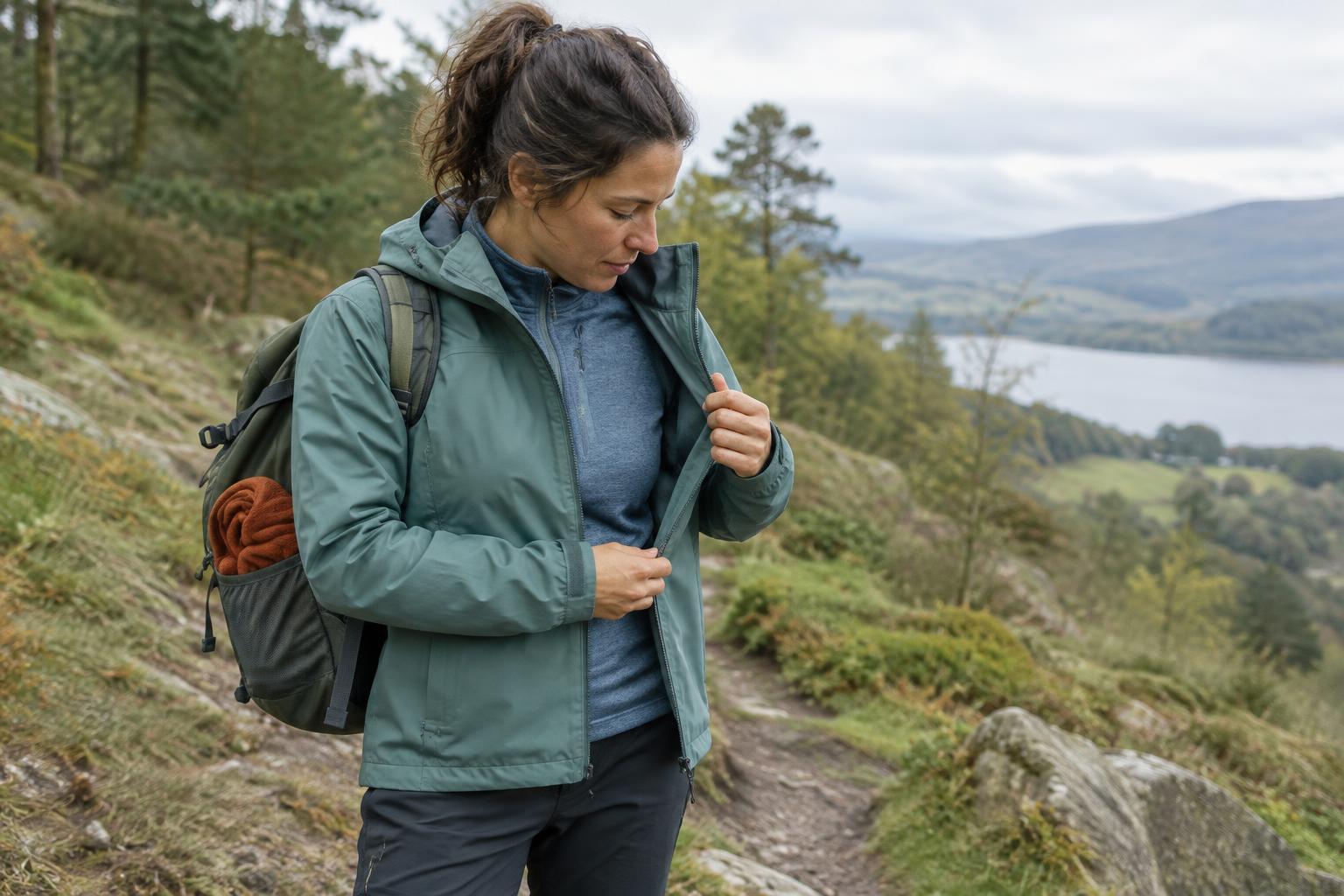
Outdoor ClothingA comfortable layering system is something you adjust as you go. Learn when to remove, add and vent layers as your effort, the weather and your stops change on a walk.
Read article · 4 min↗
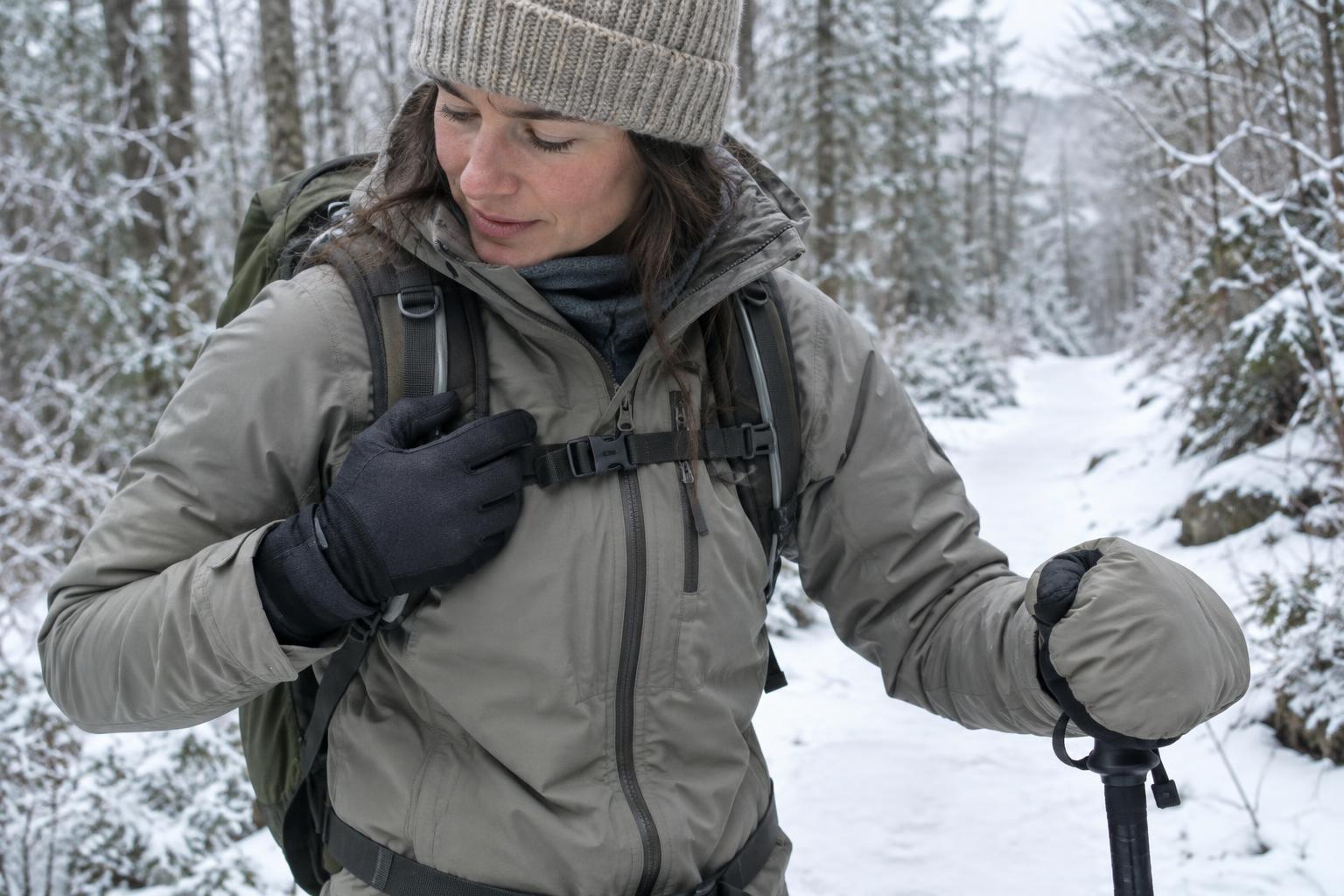
Outdoor ClothingGloves make small tasks easier; mittens usually hold warmth better. Learn how to choose between them, use liners and shells, and keep your hands comfortable when a cold walk turns windy or wet.
Read article · 4 min↗
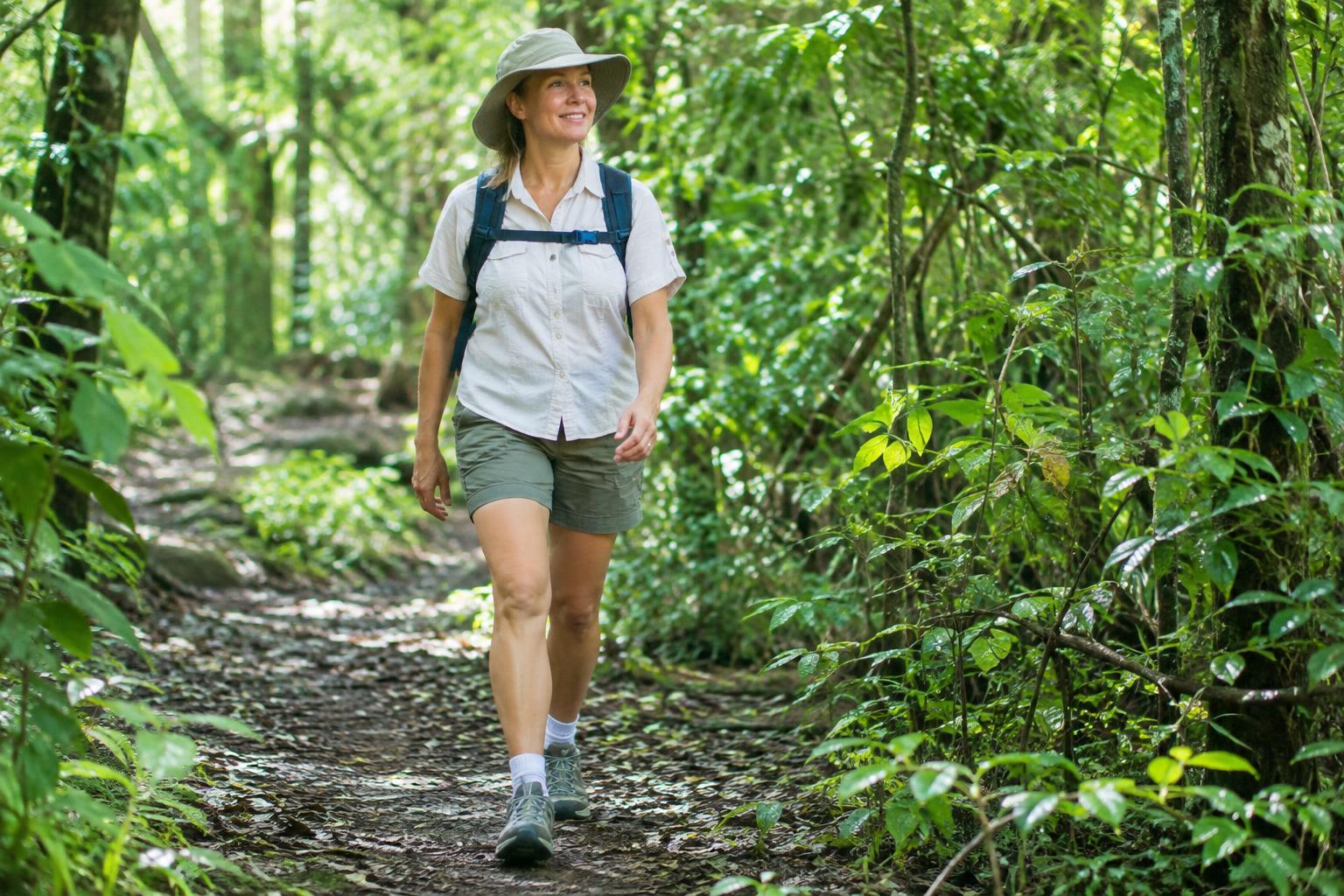
Outdoor ClothingHot, humid walks call for clothing that lets air move, manages sweat, and protects you from sun and rubbing. Here is a practical way to choose tops, bottoms, footwear, and small extras without packing more than you need.
Read article · 4 min↗
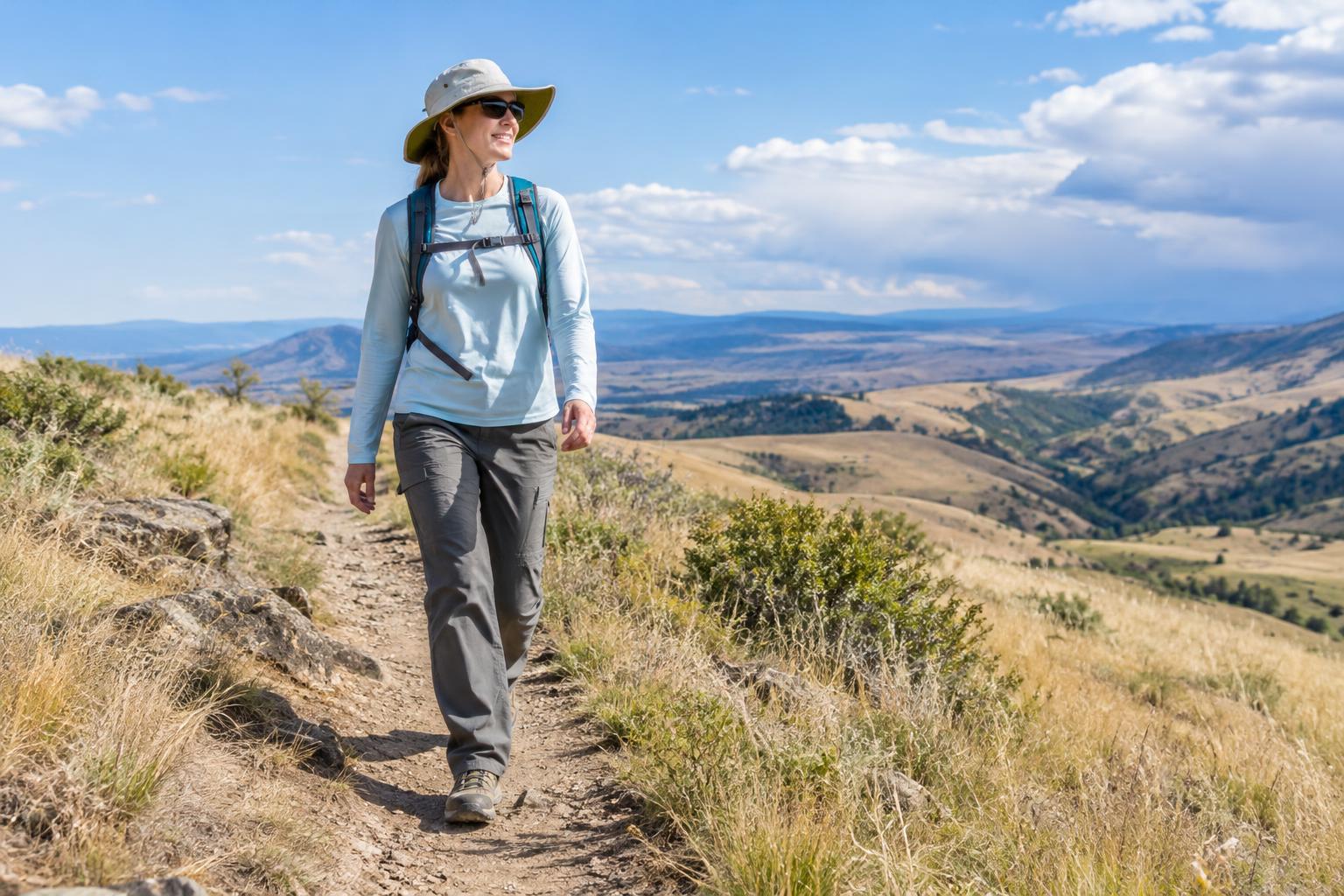
Outdoor ClothingOn an open trail, shade can be scarce and the weather can change quickly. Learn how to choose clothing that covers well, feels comfortable while moving and remains useful through a full day outside.
Read article · 4 min↗
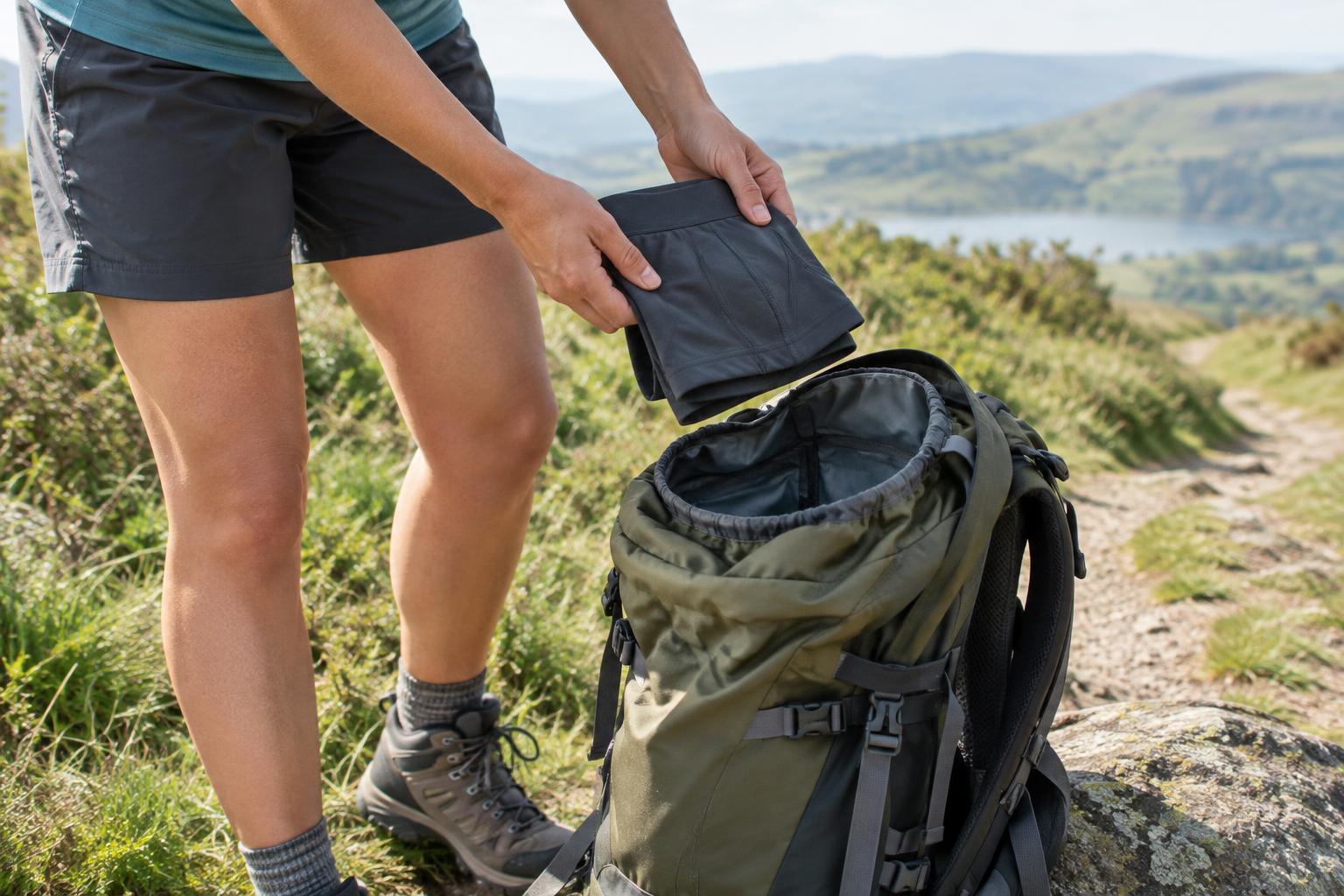
Outdoor ClothingComfortable walking starts with the layer closest to your skin. Learn how fabric, fit, seams and simple care habits can help you manage dampness and reduce friction on day trips.
Read article · 4 min↗
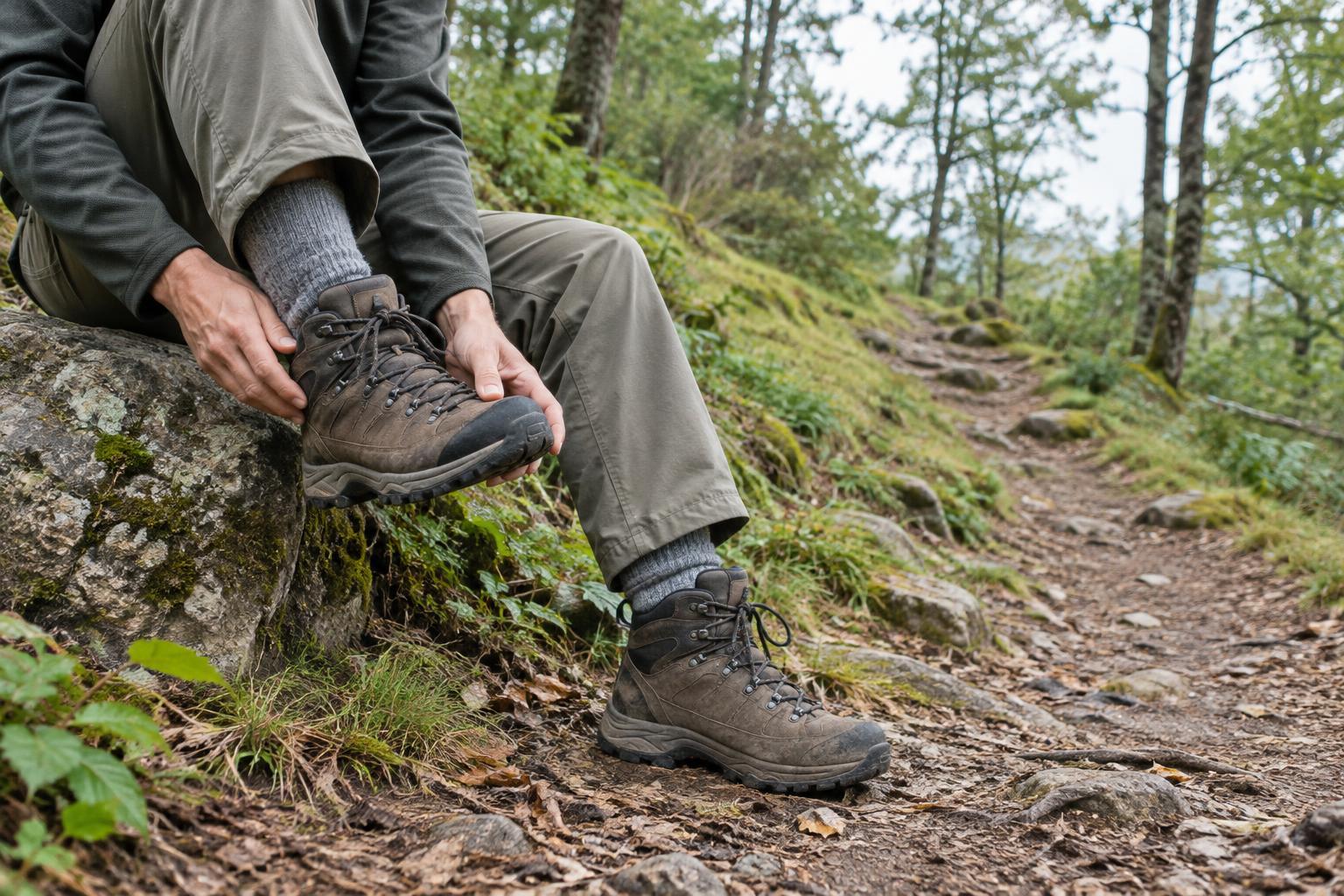
Outdoor ClothingA shoe that feels comfortable for a few minutes in a shop may feel different after hours on a trail. Learn how to check length, width, heel hold and downhill comfort before setting out.
Read article · 4 min↗
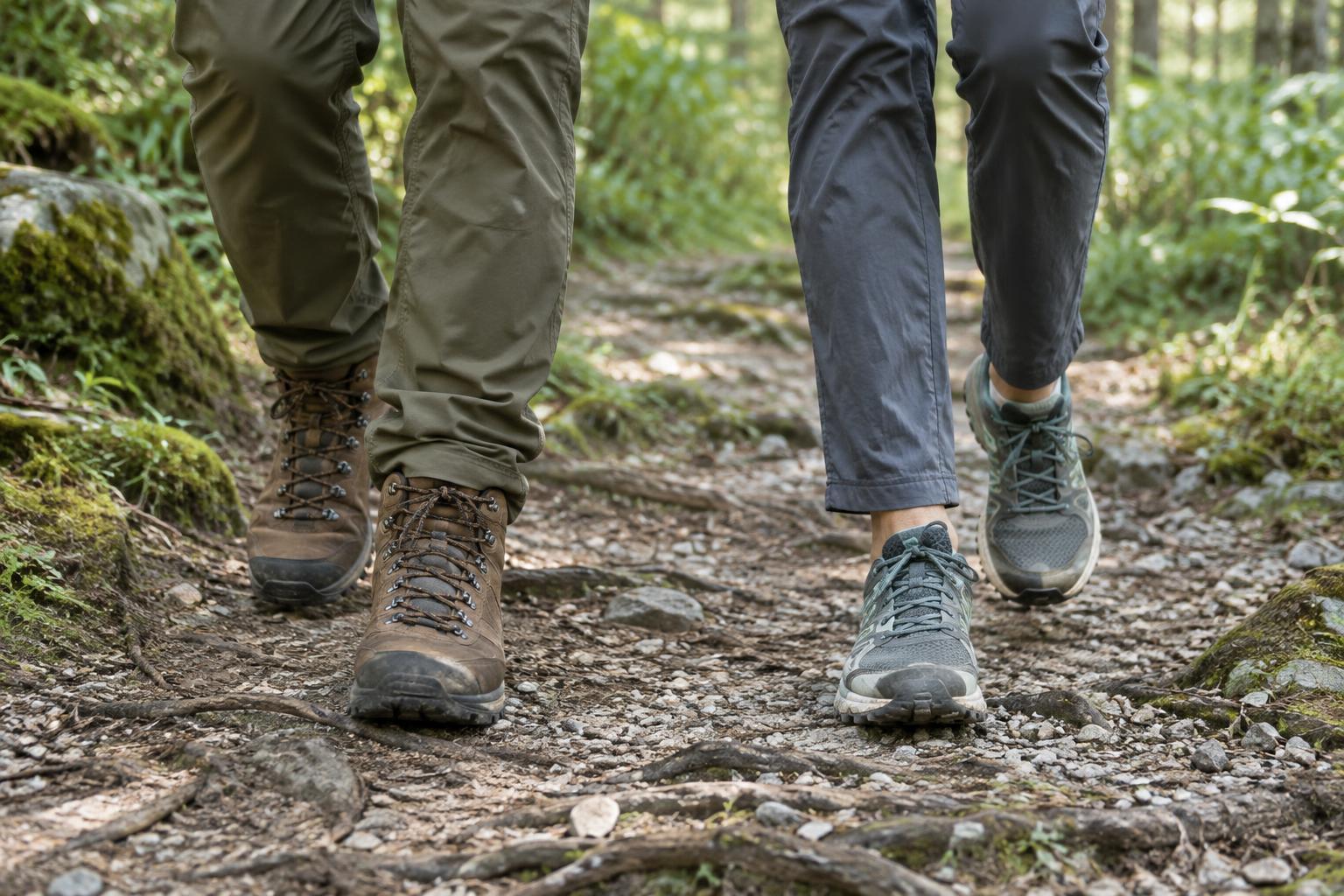
Outdoor ClothingHiking boots and trail runners can both work well for day walks. The better choice depends on the ground underfoot, the weather, what you carry and which pair fits you best.
Read article · 4 min↗
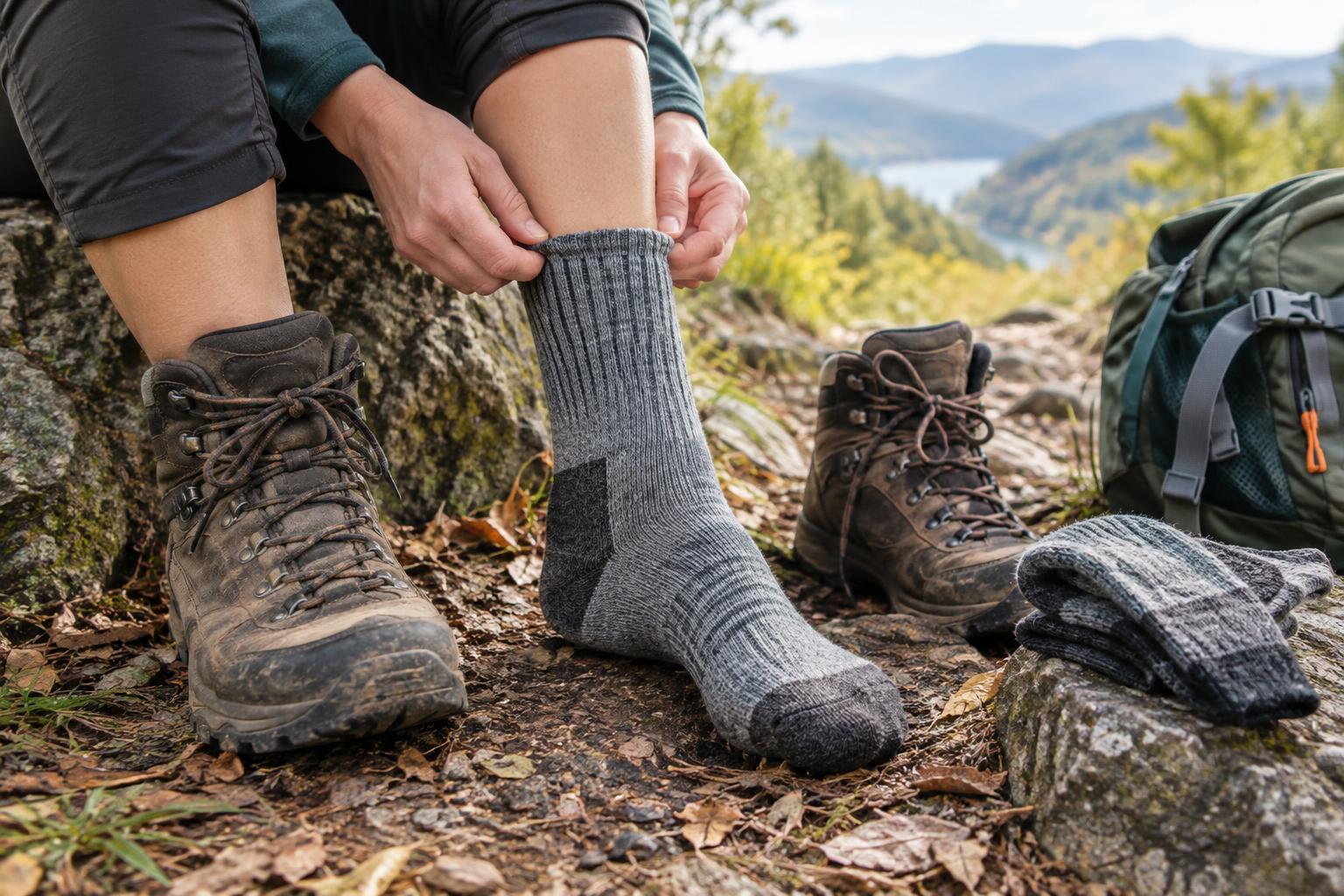
Outdoor ClothingThe right hiking socks should suit both your feet and your footwear. Learn how to compare fabrics, choose a useful level of cushioning, and check fit before your next walk.
Read article · 4 min↗
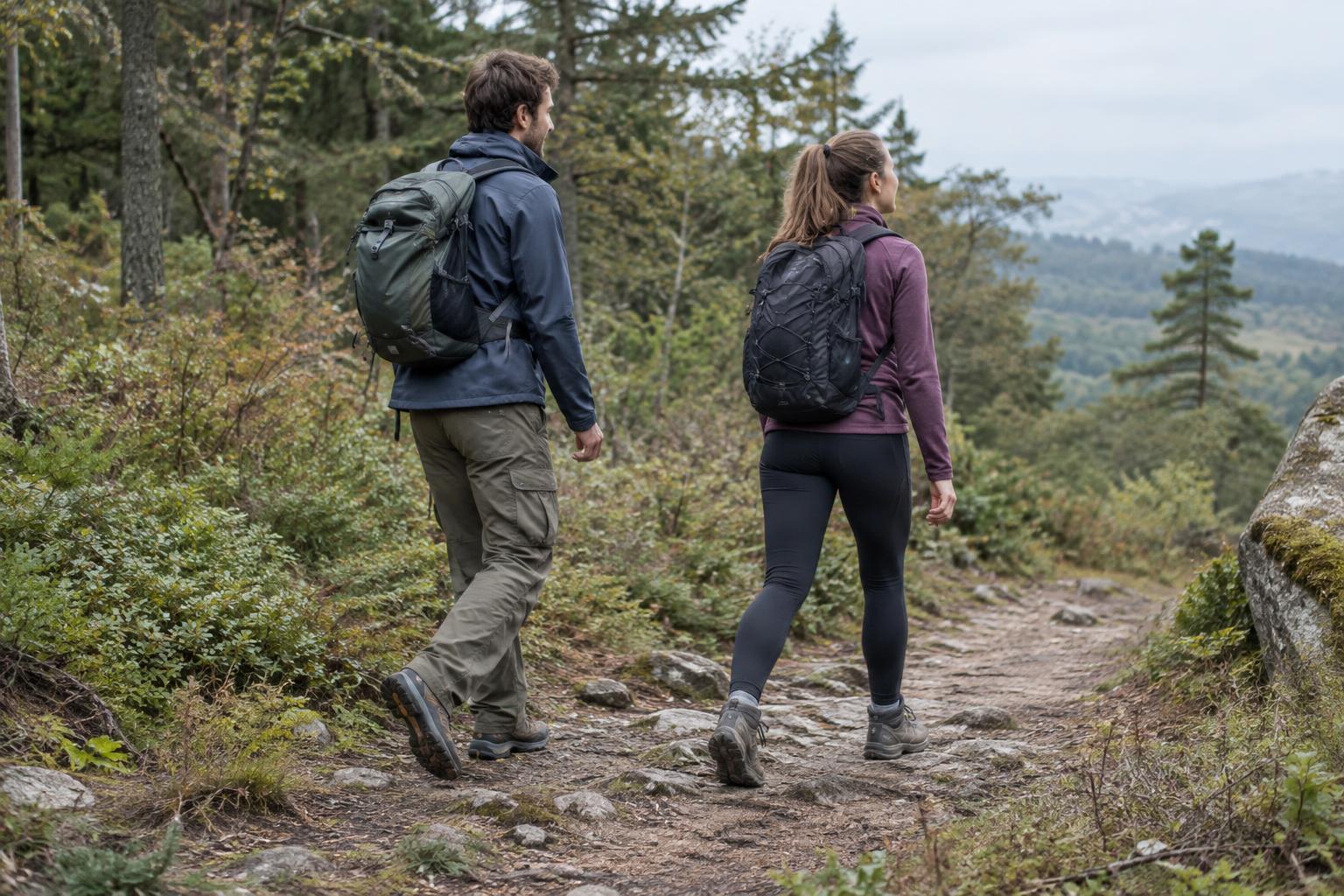
Outdoor ClothingHiking trousers and leggings can both work well on a day walk, but they offer different kinds of comfort and protection. Compare fit, fabric, coverage and practical details to choose the pair that suits your route.
Read article · 4 min↗
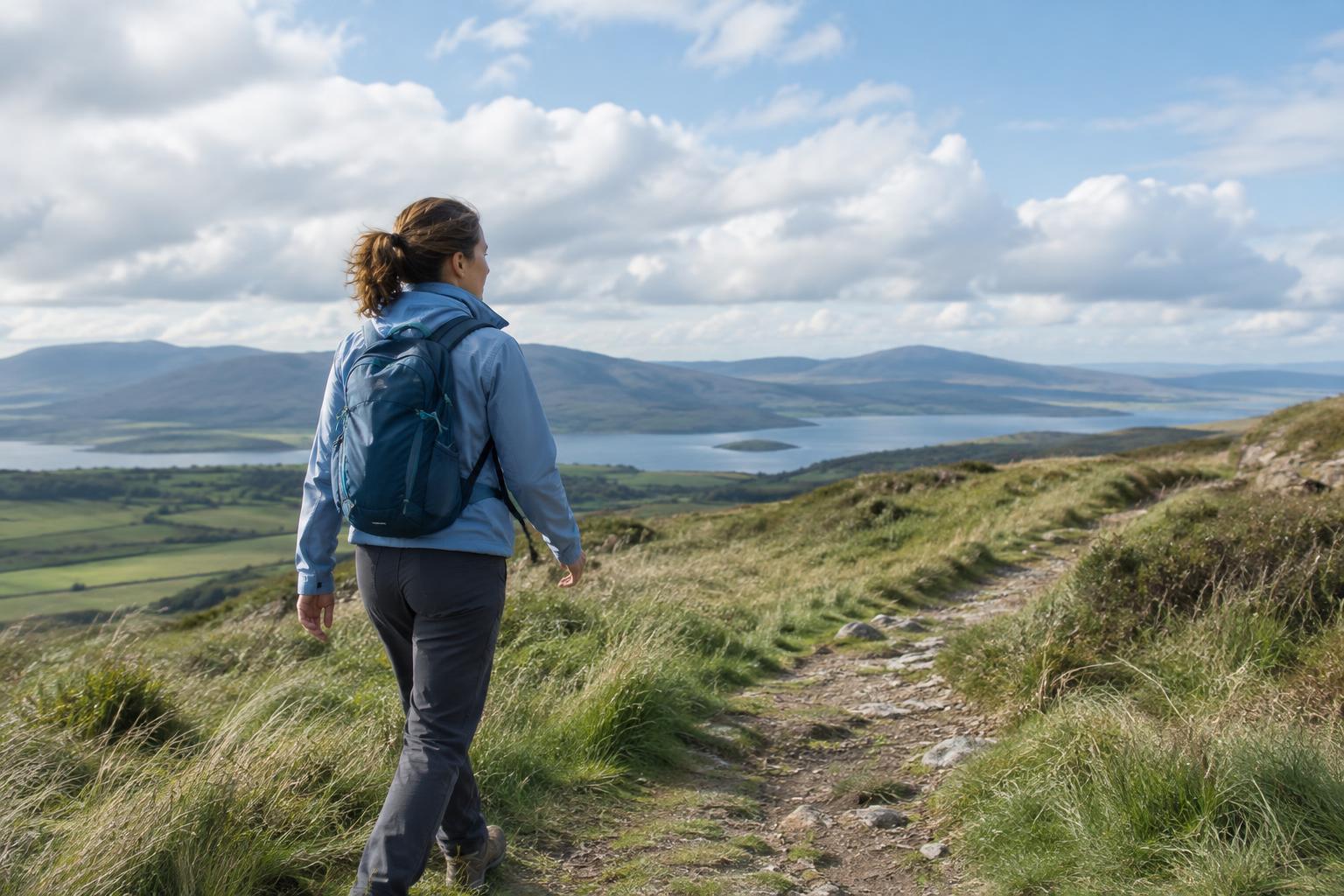
Outdoor ClothingA windshirt can make a cool, breezy walk more comfortable without the bulk of a rain shell. Learn when it is the right outer layer, what to wear beneath it, and which conditions call for more protection.
Read article · 4 min↗
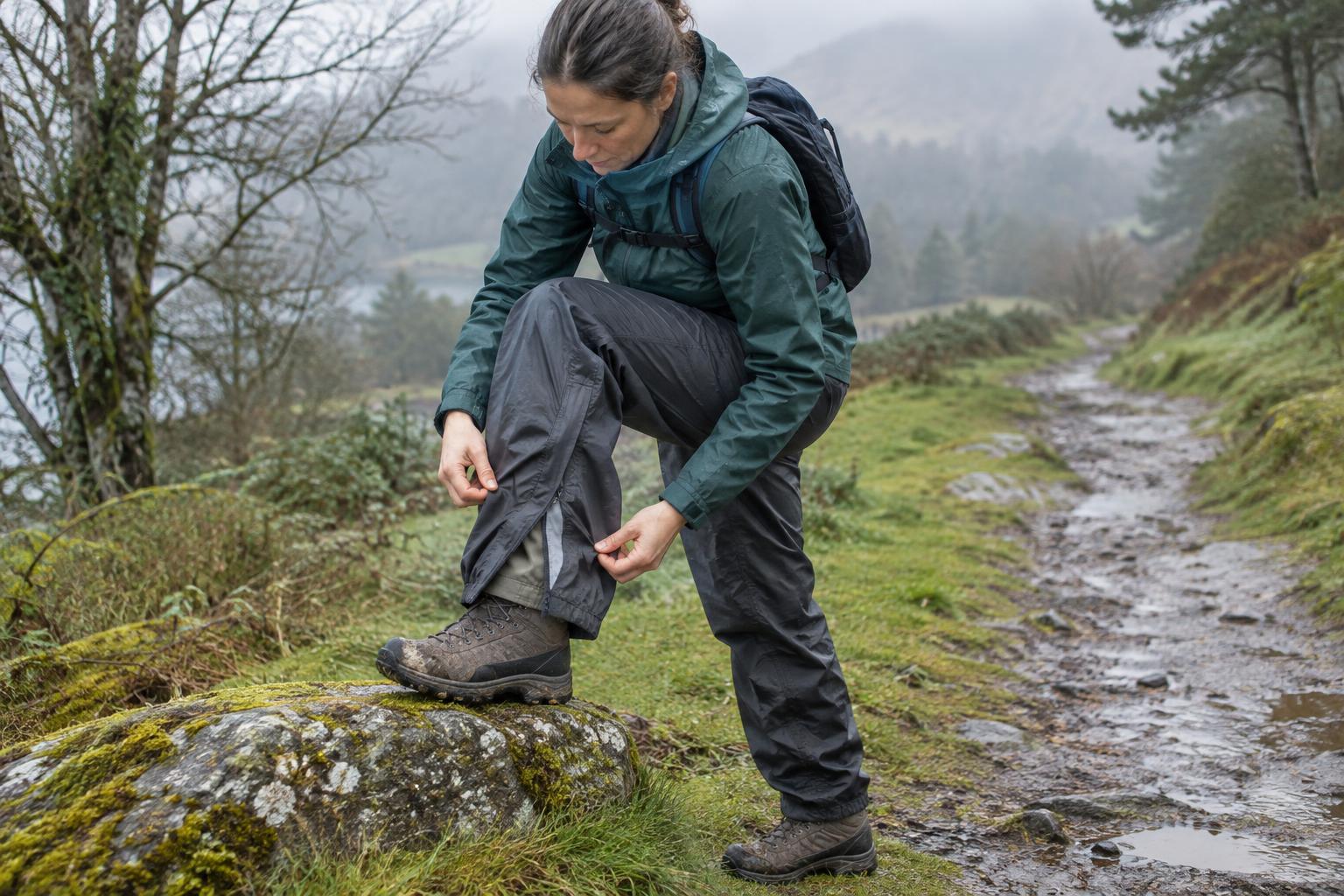
Outdoor ClothingRain pants should protect your walking clothes without restricting your stride or becoming a nuisance to put on. Learn how to check layering room, leg length, openings and useful details before you buy.
Read article · 4 min↗
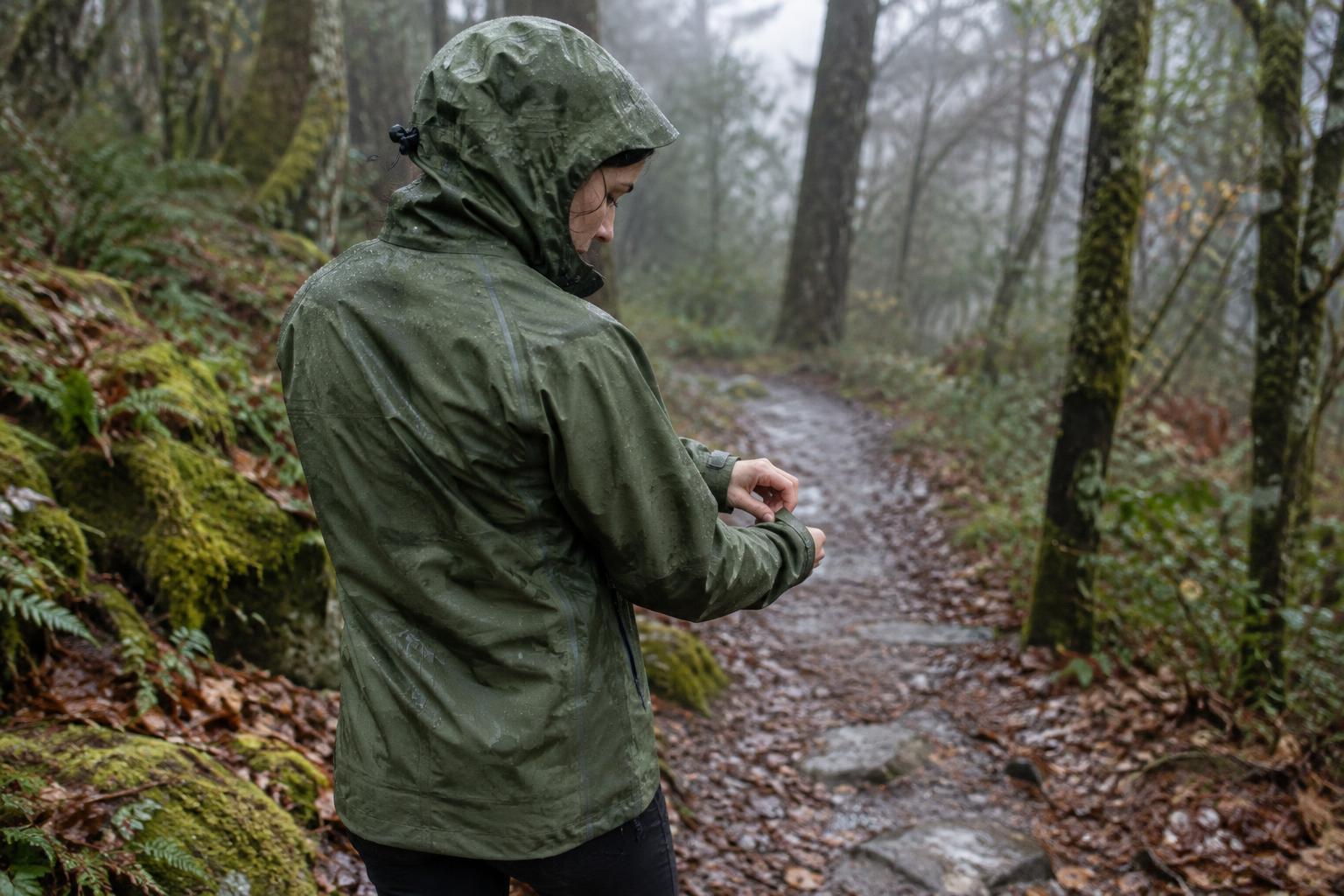
Outdoor ClothingRain jacket labels often pair a waterproof rating in millimetres with a breathability rating in grams, but the numbers do not tell the whole story. Learn what they measure, why testing methods matter, and which construction details make a difference on a wet walk.
Read article · 4 min↗
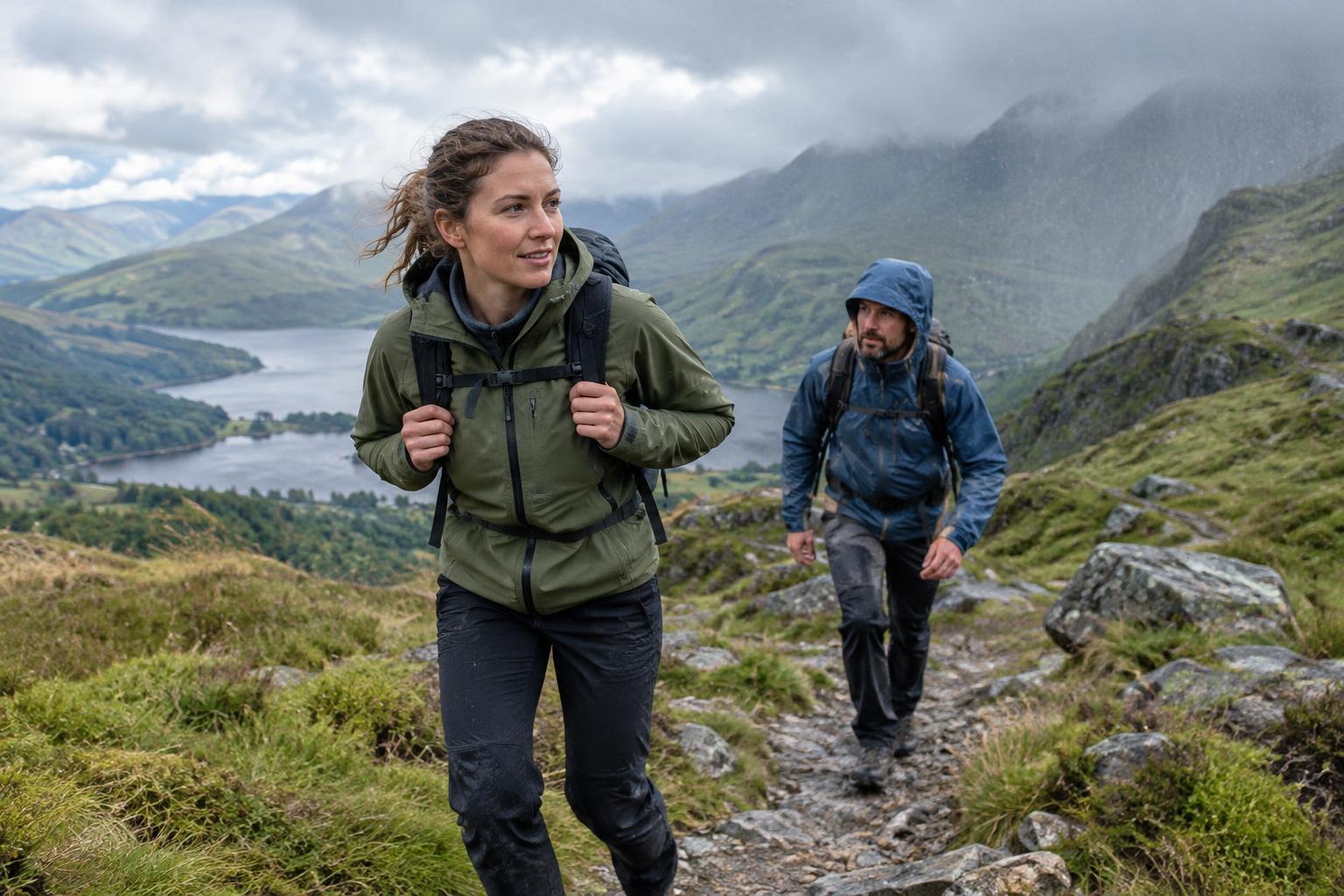
Outdoor ClothingSoftshells favor comfort and airflow while you move; hardshells provide a more dependable barrier against sustained rain and wind. Learn how to choose a jacket for the forecast, your pace and the layers underneath.
Read article · 4 min↗
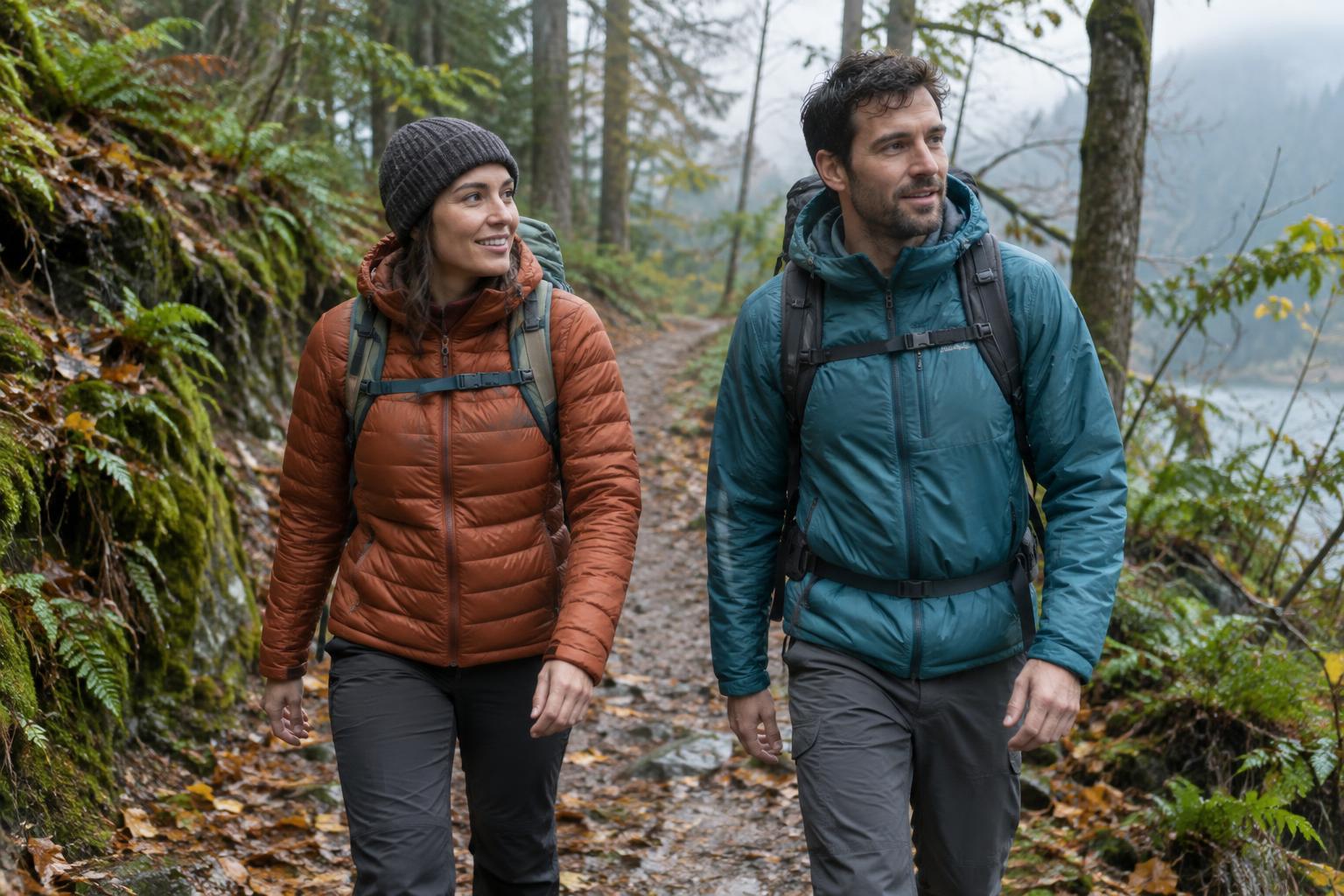
Outdoor ClothingA compact insulated jacket can make a chilly walk or a wet travel day more comfortable. Learn how down and synthetic insulation differ when moisture, packing space and drying time matter, and how to choose a jacket that suits your trip.
Read article · 4 min↗
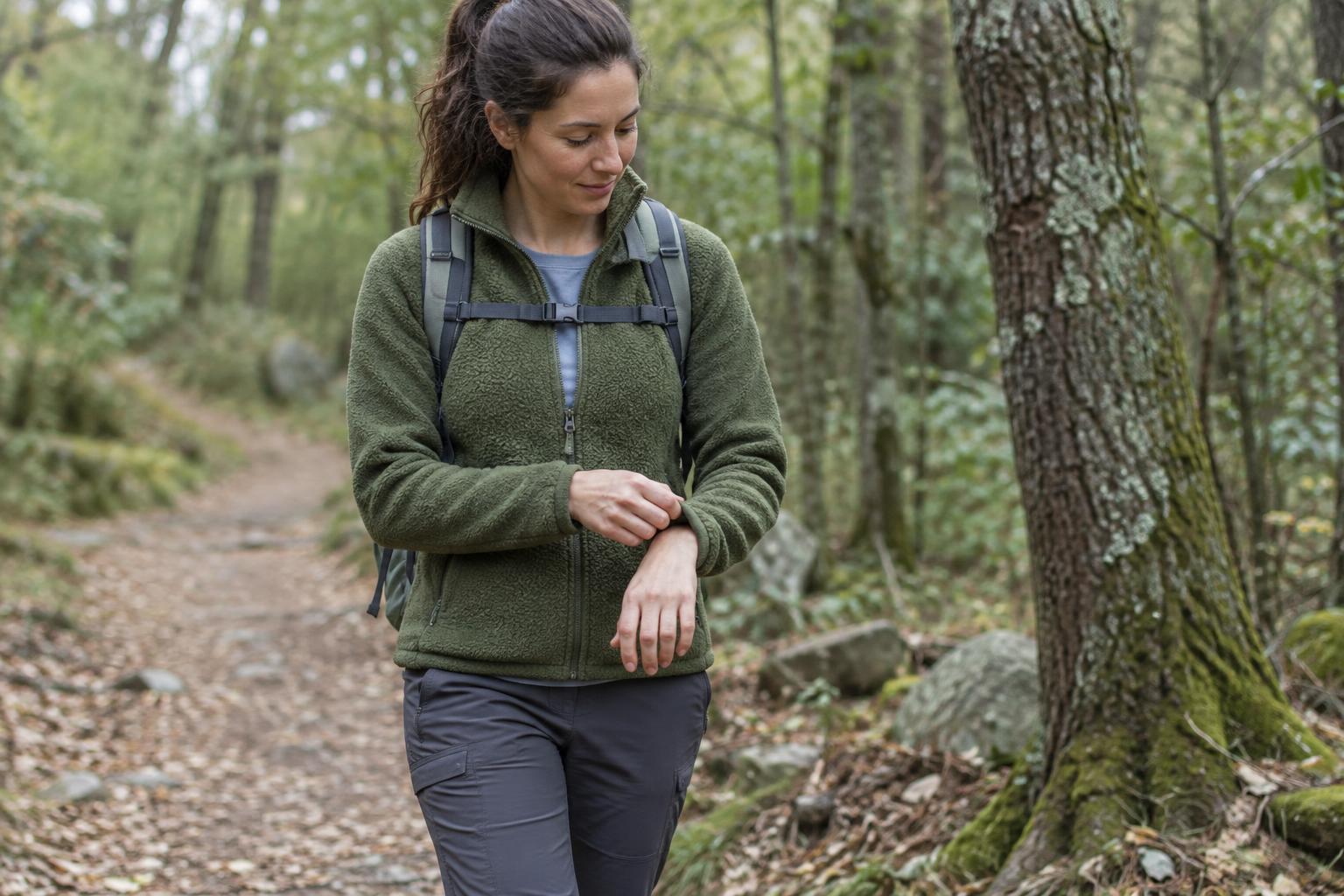
Outdoor ClothingThe right fleece depends on more than thickness. Learn how fabric, fit and breathability affect comfort on walks, day trips and everyday outdoor adventures.
Read article · 4 min↗
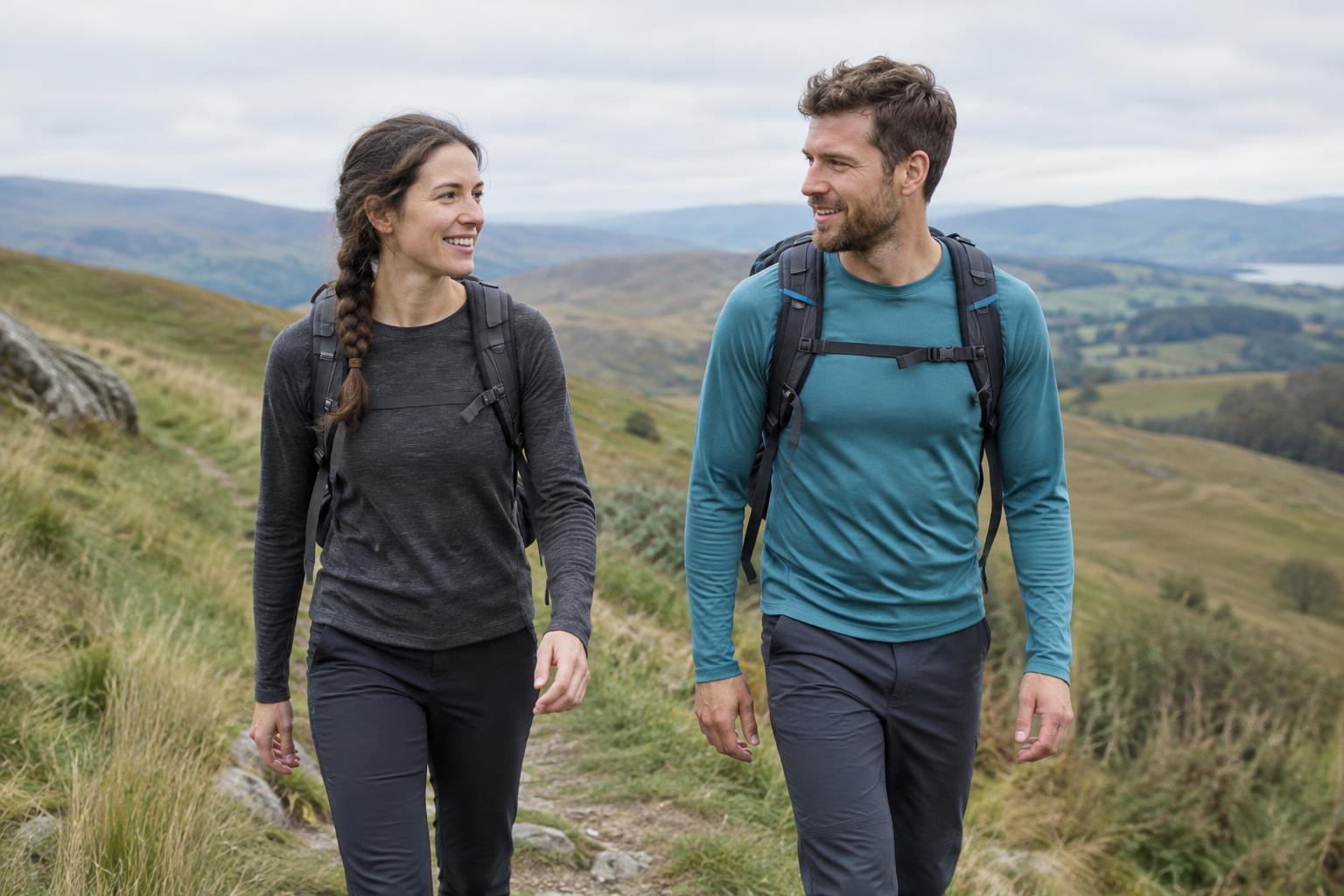
Outdoor ClothingA base layer can make a walk more comfortable, but the best fabric depends on your pace, the weather and how often you can change clothes. Compare merino wool and synthetic options for moisture, drying time, comfort and care.
Read article · 4 min↗
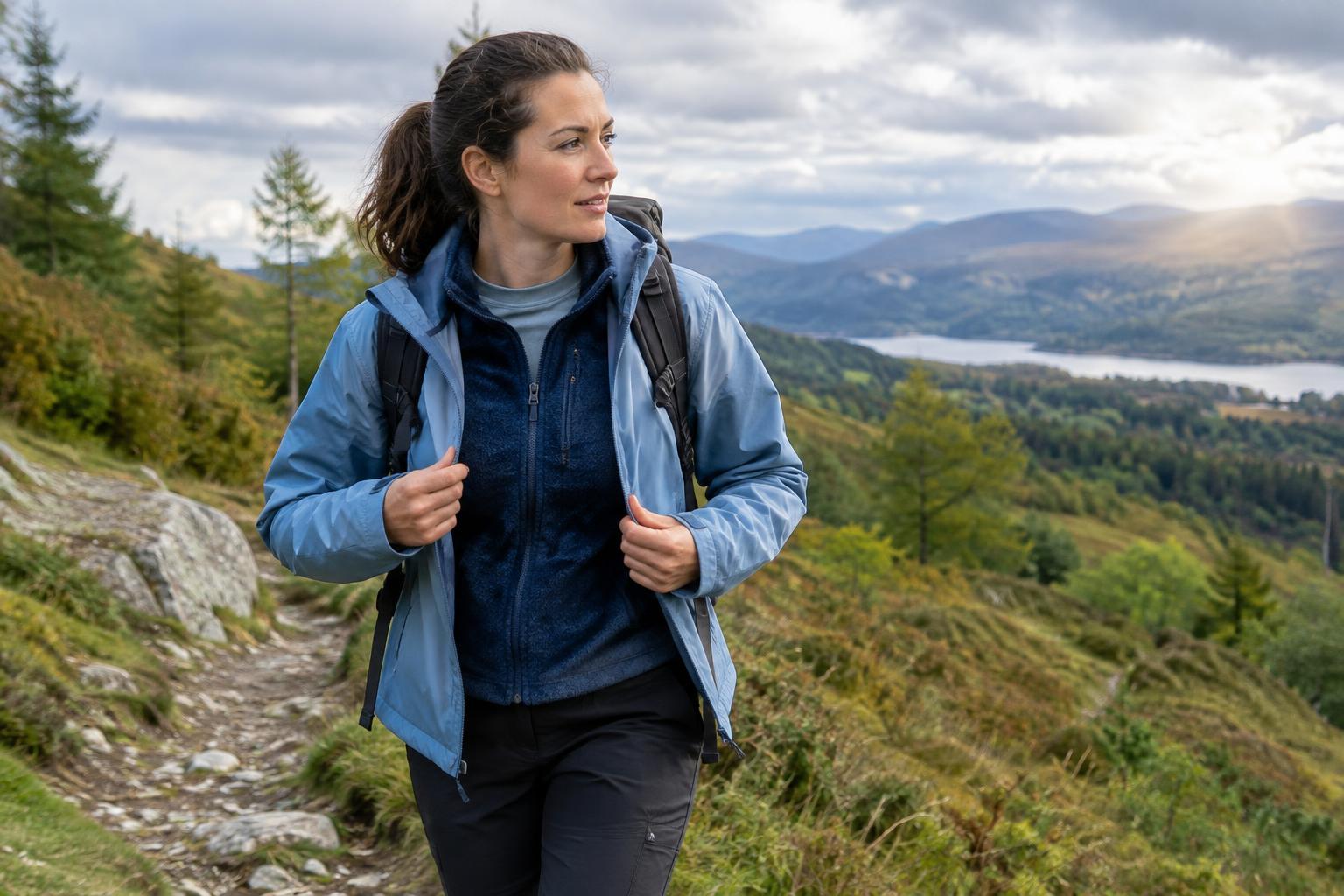
Outdoor ClothingA base layer handles moisture, a middle layer adds warmth, and an outer layer shields you from wind and rain. Learn how to choose and adjust each one for a comfortable day walk.
Read article · 4 min↗